Entertainment marketing has spent years refining the art of the controlled reveal: a trailer at a particular hour, a poster for a particular platform, a clip released just long enough to start a conversation without giving too much away. The newer argument from platform and studio marketing leaders is that this model is no longer sufficient on its own. Fans do not only receive campaigns. They remix them, turn them into social-video edits, hunt for aesthetic inspiration, show up in costume, follow related experiences and sometimes carry a property into their own daily routines.
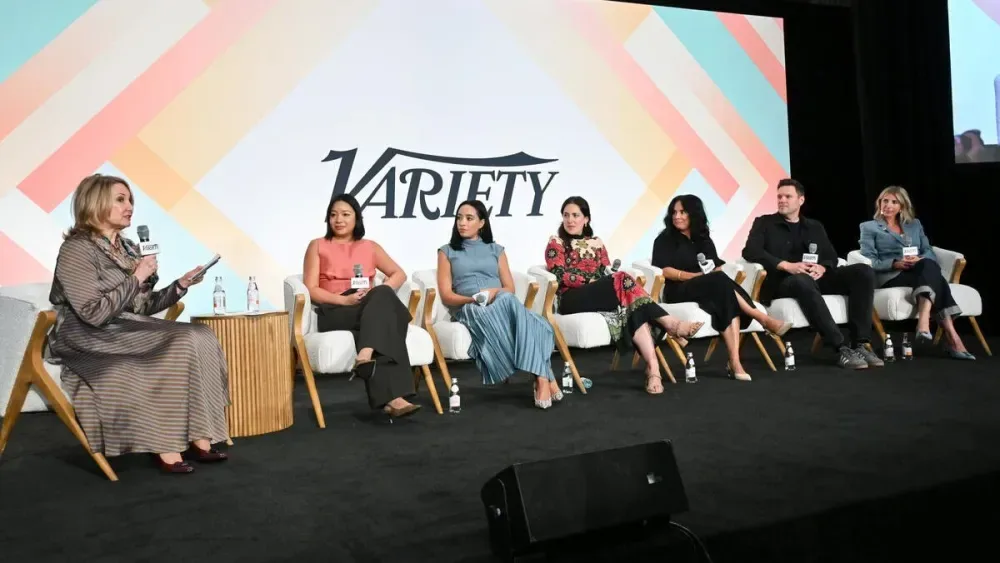
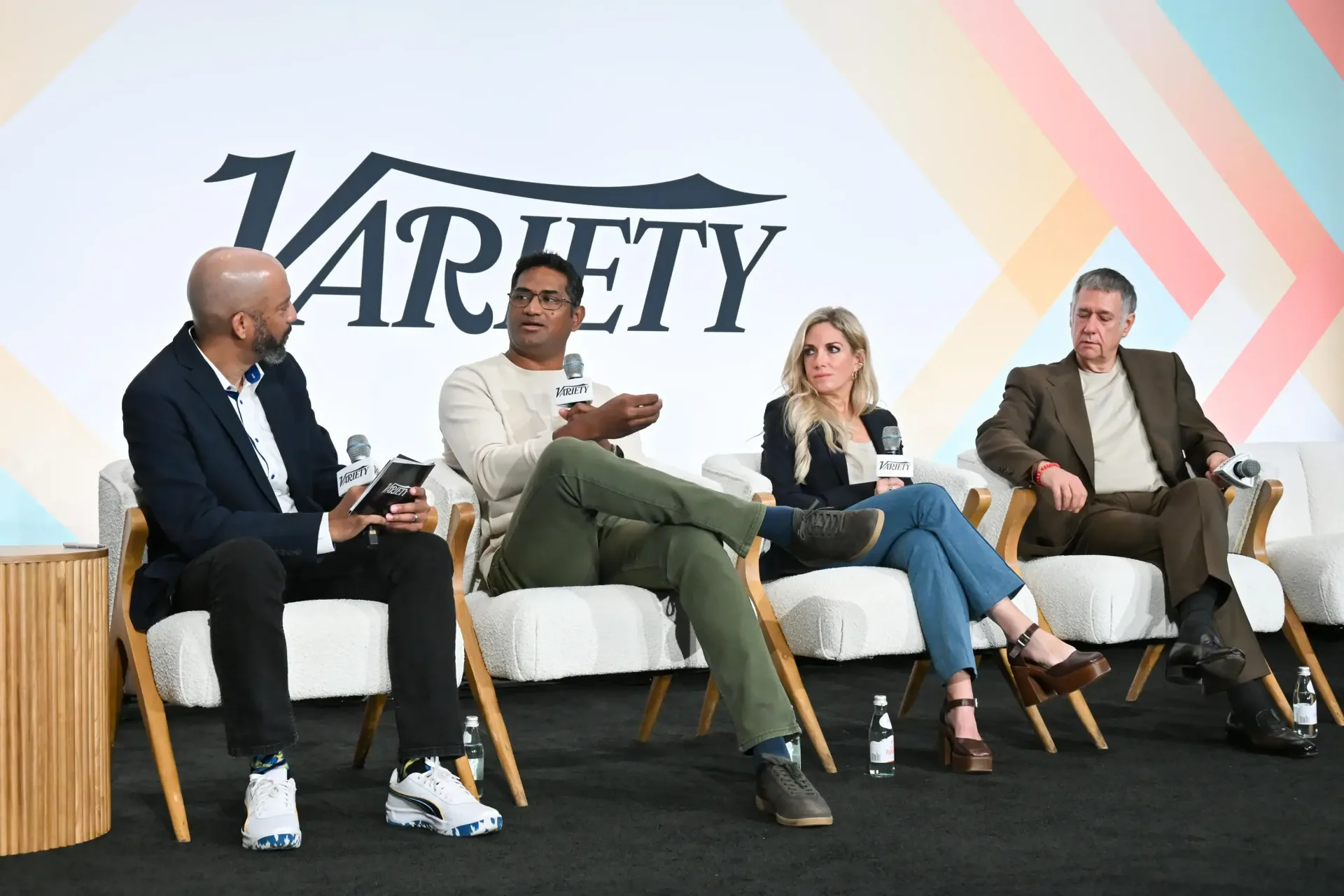
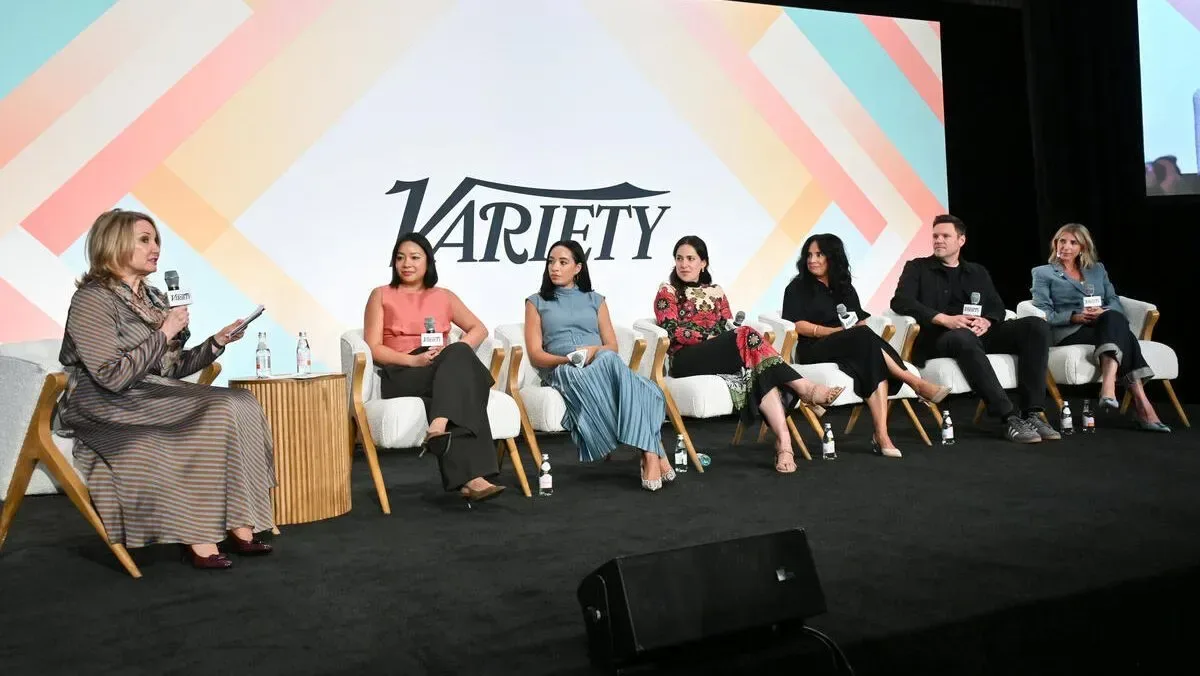
That changing relationship was the central idea in a Los Angeles discussion featuring leaders from TikTok, Lionsgate, Spotify, Pinterest, AMC Global Media and youth-culture agency Archrival. Their examples differed—film and television posts on TikTok, podcast listening on Spotify, a real-world promotion for Practical Magic 2, and the many ways viewers engage with The Walking Dead. But the shared proposition was clear: marketers should build routes into a fandom rather than act as though one piece of official material is the whole route.
For entertainment companies, that is both a significant creative opportunity and a demanding change in posture. It means accepting that the audience may communicate in formats, jokes, aesthetics and communities the official campaign did not invent. It also means understanding that a quiet viewer and a highly visible cosplayer can be equally invested, even if their contribution to the public conversation looks completely different.
TikTok’s scale makes co-creation hard to ignore
Dawn Yang, TikTok’s global head of entertainment, put a number on the size of the conversation: users post more than 12 million TV- and film-related posts on the platform every day. The figure illustrates why social video cannot simply be treated as a final distribution channel for studio-owned clips. It is a place where people make material about entertainment for one another.
Yang described that behavior as a participatory culture of co-creation. In practical terms, co-creation here does not necessarily mean a formal collaboration on the underlying show or movie. It means fans actively producing their own responses: edits, reactions, tributes and other short-form works that express their attachment to a character, performer, scene, musical moment or larger fictional world.
That distinction matters. Traditional advertising is principally an official message delivered to an audience. Participatory fandom involves an audience making messages of its own. A campaign can invite, recognize or amplify that response, but it cannot wholly manufacture the feeling that makes fan-made work resonate with other fans.
Lionsgate’s global head of digital marketing, Briana McElroy, offered an unusually direct version of that approach. The company hires fans to create TikTok material for the Lionsgate brand, specifically the visually driven videos commonly known on the platform as edits. McElroy’s explanation was straightforward: trying to reproduce fan expression internally can sacrifice the authenticity that makes it work. If fans are already fluent in that creative language, allowing them to make the work can be more effective than a brand imitation of it.
The approach also has a meaningful implication beyond reach. Hiring fans recognizes creative labor rather than assuming that a community’s enthusiasm is endlessly available as unpaid campaign fuel. The discussion did not detail how such work is selected, paid for or credited, so those operational questions remain open. But the basic decision to involve fans as creators rather than merely as an audience is an important signal about where entertainment marketing is headed.
Related coverage includes Entertainment Marketers See Fandom as a Creative Partnership.
Authenticity is not the same as letting go entirely
“Authenticity” can become a vague marketing word very quickly. In this context, it has a more useful meaning: content feels native to the community and format in which it appears. A fan edit can carry the pacing, musical choices, emotional intensity and reference points that viewers recognize from other fan edits. A polished corporate version may look technically accomplished but still feel like an outsider has arrived wearing a very convincing costume.
That does not mean every campaign should abandon planning or cede all responsibility for a property’s presentation. Studios still have to communicate what a project is, where audiences can find it and why it may interest them. What is changing is the assumption that a campaign must control every meaningful expression around a title. The better model suggested by the panel is layered: official material establishes an entry point, while fan activity creates many more ways for a person to encounter and interpret the property.
Kim Granito, chief marketing officer at AMC Global Media, described these as “on ramps”—different ways people can find and experience entertainment where and how they prefer. Her example was The Walking Dead, a franchise that has existed for 15 years. Some people follow every spinoff without making public posts. Others dress as Negan at Comic Con and bring family and friends. The expression is different; the underlying passion may not be.
That is a useful correction to a common measurement trap. Likes, shares and posts reveal some kinds of engagement, especially the highly visible kind. They do not neatly represent all engagement. A viewer who watches every installment and says little online may be deeply committed. A person who builds an elaborate costume is making their interest public and social. Neither behavior should be treated as the single correct way to be a fan.
For marketers, a “choose-your-own-adventure” pathway means avoiding a one-size-fits-all demand for participation. One fan may want a clip to share. Another may want a long conversation, a physical event, an outfit idea, a related playlist or simply a reliable way to keep watching. A broad fandom strategy can offer several of those doors without insisting everyone walk through the same one.
Pinterest’s example turns an aesthetic into an occasion
Pinterest global head of consumer marketing Sara Pollack focused on a different aspect of fandom: people using inspiration to bring an affinity into real-world experiences. Pinterest’s partnership with Warner Bros. around the theatrical release of Practical Magic 2 began with searches and sourcing behavior around subjects adjacent to the film, including herbal apothecaries, crystal meanings and tarot readings.
The partnership resulted in a pop-up where attendees could receive tarot readings, make custom candles and create their own tea blends. This was not merely a message asking people to remember the movie. It was an experience designed around the interests and aesthetics that potential fans were already exploring.
There is a strategic nuance here. Pollack did not frame the audience solely as people who had already seen the first Practical Magic. The opportunity also involved Gen Z users whose existing interests suggested an affinity with the new film. That creates a route for a property to meet prospective fans through what they care about, rather than relying exclusively on prior franchise knowledge.
It is also an example of what Archrival chief growth officer Ben Harms called adding value to consumers’ lives. His broader view was that the brands most likely to succeed over the next decade will create ecosystems of experiences and human connection instead of only trying to capture attention. An ecosystem, in this usage, is not a single ad unit. It is a connected set of interactions that can include content, community and an event, each reinforcing the relationship with the property.
The pop-up model is only one possible expression of that idea, and no one should mistake every themed activity for genuine connection. Its potential value rests on relevance. Tarot, candle-making and tea blending were presented as extensions of interests that Pinterest users were already showing around the film’s territory. The lesson is not “make an event because events exist.” It is “identify what fans are already trying to do, then create an experience that fits that behavior.”
Gen Z is a label, not a single audience behavior
Spotify’s global head of thought leadership, Jenny Haggard, challenged another familiar marketing shortcut: treating Gen Z as a unified group. Spotify’s annual research defines the cohort as ages 14 to 29, a span that includes people at sharply different life stages. A teenager and a 29-year-old professional may share a generational label while having different schedules, priorities and entertainment habits.
Haggard’s argument is that life stage is a stronger predictor of behavior than birth year. It is an important distinction for anyone trying to build fandom communities, because the same title can matter to people for very different reasons. One person may be discovering an artist, character or world for the first time. Another may be carrying an older attachment into a new job, home or family context. Collapsing them into a single demographic bucket encourages blunt messaging.
The practical alternative is not to discard age information. It is to avoid treating age alone as a complete explanation. Marketers should consider the kind of relationship a person may have with the content and the form of engagement that fits their life. The panel’s examples show a wide range: two-hour podcasts, short-form edits, inspiration searches, pop-ups, ongoing TV viewing and convention cosplay all belong to an entertainment landscape often flattened into “social engagement.”
That specificity is especially relevant as entertainment companies navigate broader questions around technology and creativity. As covered in the industry’s evolving discussion of AI guardrails, broad promises about innovation offer less practical value than clear, particular choices about how tools and creative work are used. The fandom conversation points in a similar direction: no platform-wide slogan can substitute for understanding a community’s actual behavior.
Long-form attention has not disappeared
Haggard also pushed back on the assumption that young audiences cannot tolerate longer material. While six-second advertising has become common, she said that a third of older Gen Z listeners on Spotify complete two-hour podcast episodes. The point is not that every piece of entertainment marketing ought to run for two hours. It is that duration alone does not determine whether a viewer or listener will stay.
Long-form content generally refers to material with enough running time to support sustained attention, as opposed to brief social clips or short ads. The Spotify data point concerns full completion of two-hour podcasts among a third of older Gen Z listeners, which is a striking behavior precisely because it requires commitment. It suggests that a blanket claim about reduced attention misses the more relevant question: does the content give people a reason to continue?
For marketers, that can mean matching form to purpose instead of presuming shorter is always safer. A short social video may be a useful invitation. A deeper podcast conversation may serve listeners who want context or companionship. A real-world activation can provide a tactile, social way to participate. The formats are not enemies; they can be separate on ramps for different levels of interest.
The new task is building room for fans to make meaning
The panel’s collective outlook puts an uncomfortable but productive burden on entertainment marketing teams. They must be inventive enough to meet communities across formats, yet restrained enough not to flatten every fan behavior into branded content. They must use data without pretending that an age range explains a person. And they must look beyond immediate impressions, likes and shares when considering what a durable relationship with a property can look like.
That is why the strongest examples were not about a single platform “winning” the campaign. TikTok illustrates the enormous scale of fan-made conversation. Lionsgate shows a studio choosing to commission fans whose work is native to that culture. Pinterest demonstrates how interest signals can inform a real-world experience. Spotify supplies a warning against assumptions about youth audiences and long-form attention. AMC Global Media emphasizes that fandom can be private, public, casual, ritualized or costumed—and all of those paths can be meaningful.
None of this removes the need for a good film, series, podcast or character. Marketing can open a door, but it cannot force an audience to care. What it can do is stop treating fandom as a passive destination at the end of a campaign. The more compelling vision is fandom as a living exchange, where audiences have room to create, gather, discover and make an entertainment property part of their own culture.