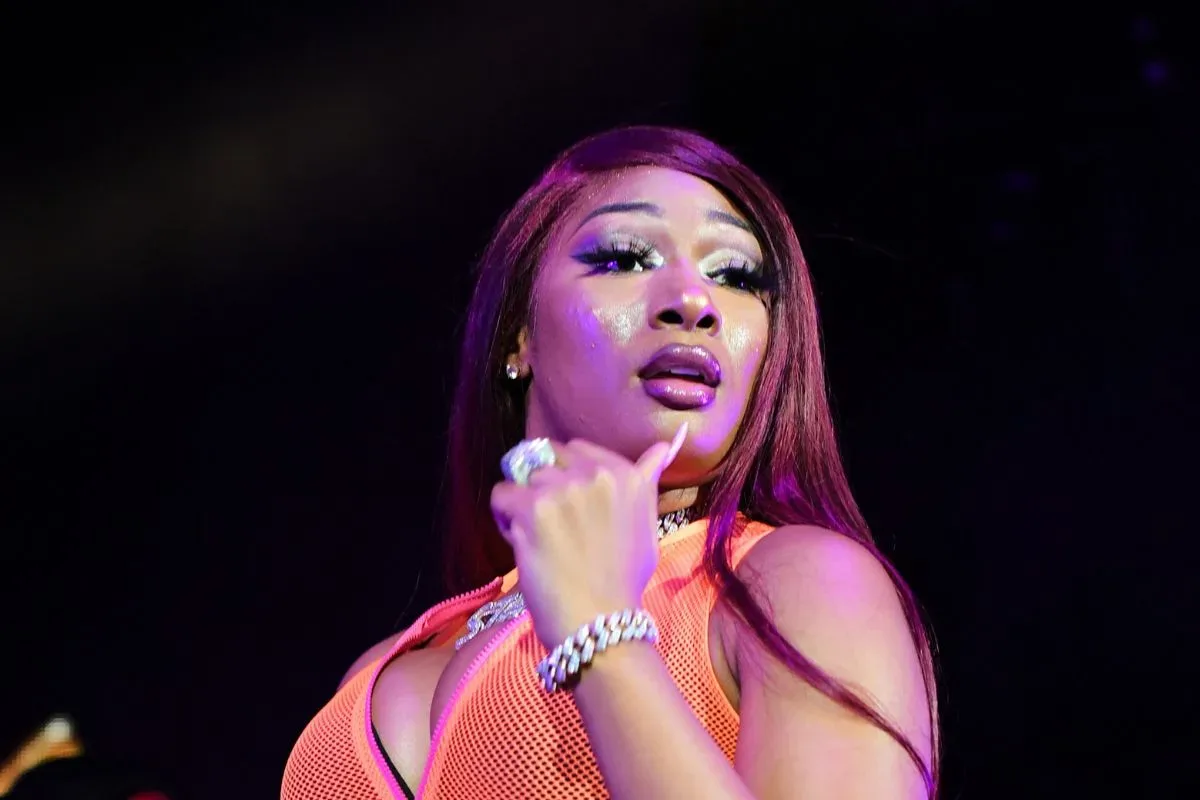
Megan Thee Stallion is taking a turn behind the counter for Netflix’s KShop campaign, a live-action promotional series built around merchandise inspired by KPop Demon Hunters. The campaign’s central joke is simple: a fictional shop stocked with real franchise products has a cashier who is not especially interested in haggling, even when the customers have unusually famous faces.
The first spot is scheduled to air during Netflix’s Thanksgiving Eve NFL broadcast on November 25, when the Green Bay Packers play the Los Angeles Rams at SoFi Stadium. Kickoff is set for 8 p.m. Eastern. Charles Melton, a cast member of Netflix’s Beef, and Pro Football Hall of Famer Michael Irvin appear as customers alongside Megan.
For collectors, the useful part is that the KShop shelves are not merely prop dressing. The campaign highlights products that are available through participating brands: singing HUNTR/X dolls from Mattel, trading cards from Kayou, and a LEGO set featuring Derpy Tiger and Sussie Bird. Netflix’s in-house Brand Creative Studio created the campaign, which will continue through short clips posted to the KShop Demon Hunters Instagram account.
A fictional counter built around real merchandise
KShop is a branded setting rather than a newly announced retail destination. Its purpose is to give KPop Demon Hunters merchandise a shared on-screen home, with the film’s premise and characters forming the comedy around the checkout counter. That distinction matters for anyone looking for the products: the dolls and cards are supplied by their respective participating companies, rather than being described as products sold directly through the fictional store.
The featured range spans a few very different collecting lanes:
- Singing HUNTR/X dolls: Mattel is making dolls based on HUNTR/X, the musical trio at the center of the film.
- Trading cards: Kayou is supplying the card products seen in the campaign.
- LEGO set: Derpy Tiger and Sussie Bird are represented in a building set.
That breadth is notable because each item serves a different way people engage with a screen property. Dolls focus attention on the performers and their music-driven identities. Trading cards translate characters and imagery into a collectable format. A LEGO set puts the spotlight on recognizable supporting characters and display or building appeal. The KShop sketch packages them together as parts of one franchise world.
What “HUNTR/X” means in the campaign
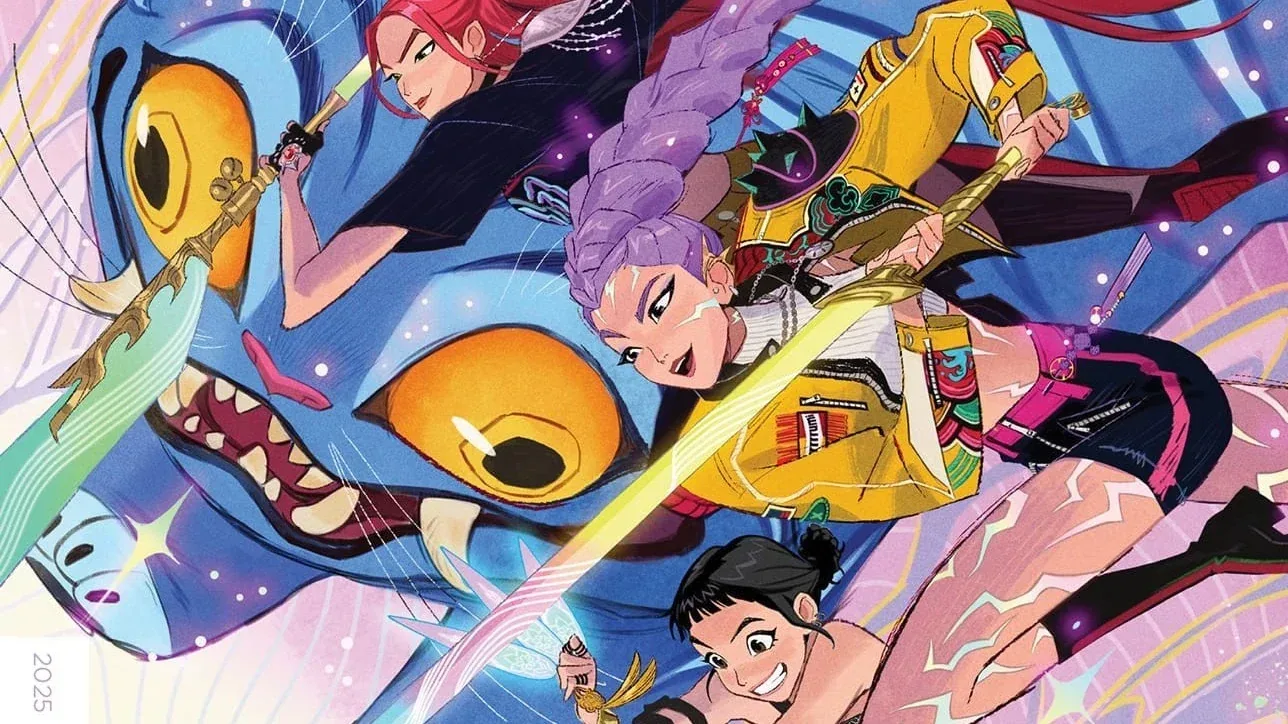
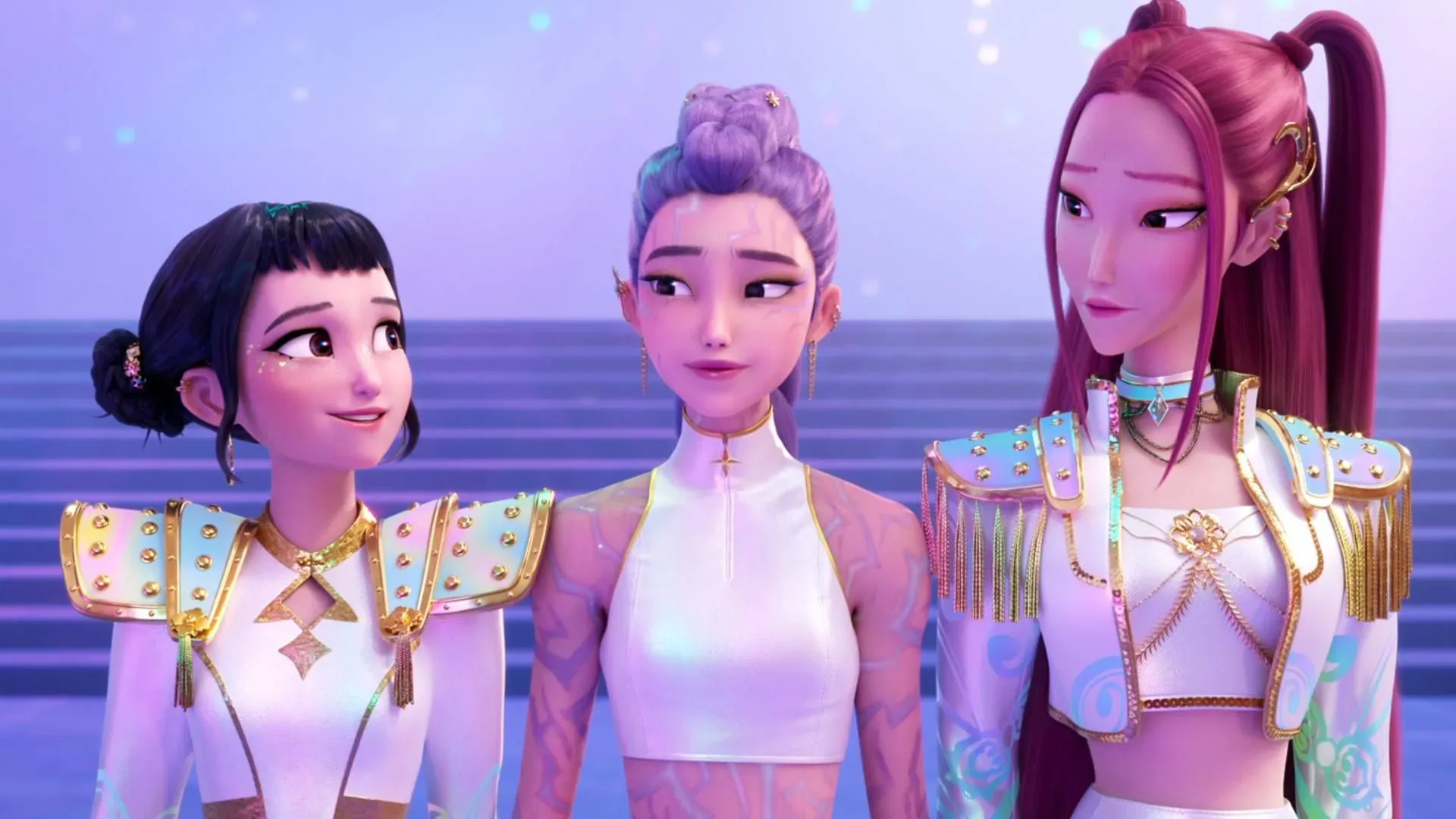
HUNTR/X is the fictional singing group in KPop Demon Hunters. The animated film follows three singers who battle demons away from the stage. That dual premise—pop performance on one side, supernatural action on the other—gives the franchise a clear visual vocabulary for merchandise and promotion. The singing dolls point directly at the group’s musical identity, while the shop’s demon-themed comic setup reflects the other half of the story.
In this context, “KShop” is branding for the campaign’s shop setting, not a technical name for a new film format, game mode or standalone series. The live-action clips use that setting to connect actors, athletes and products to an animated property without suggesting that the original film itself has changed.
Why the NFL placement is important
The spot is set to run during Netflix’s first Thanksgiving Eve NFL broadcast. Pairing an animated music-and-action franchise with a Packers-Rams game is a broad-audience placement: it places a product-centered comedy clip in front of viewers who may know the film already, along with viewers arriving primarily for football.
It also reflects how franchise advertising can work outside the app where a movie debuted. Instead of relying only on title art or a recommendation row, KShop uses a recognizable performer at a register, guest customers and physical products that can be immediately understood without a long explanation of the film’s world.
That strategy has practical value for merchandise visibility. A doll, a card pack or a building set can be seen as an object even by viewers who have not watched the movie. The campaign can introduce the franchise through a quick visual gag, then direct the most interested audience toward the short-form clips and participating brands.
This kind of extension is part of a larger entertainment pattern in which screen properties become platforms for several connected experiences. Other recent projects have likewise combined games, live events and screen ambitions, as seen in Hello Kitty’s broader games, events and film play. The details differ, but the underlying idea is similar: a familiar property can meet audiences in more than one format.
What the film has already added beyond its original release
The KShop campaign arrives after a sizable expansion of the KPop Demon Hunters slate. Netflix says the film spent 63 consecutive weeks in its global Top 10. Its song “Golden” became the first K-pop track to receive both an Oscar and a Grammy, giving the fictional group’s music an unusual level of recognition beyond the movie itself.
Netflix has also established a dedicated area for the franchise on its service. It groups the original film and a sing-along edition with new animated choreography videos and a stop-motion series following HUNTR/X offstage. These formats each emphasize a particular appeal of the property:
- The sing-along edition foregrounds the songs and invites repeat viewing around the music.
- Animated choreography videos focus on performance and movement.
- The stop-motion series shifts attention to the group’s life away from the stage.
A concert tour is also planned. Netflix and AEG Presents are scheduled to take the franchise on the road beginning in June 2027. Taken together, the film, music features, short-form extensions, planned live show and merchandise campaign make HUNTR/X more than a one-title streaming promotion.
That does not mean every KShop item is automatically rare, limited or investment-grade. No edition sizes, serial numbering, release windows or scarcity details are specified here. Collectors should treat the spot as confirmation of the participating product categories and brands, not as evidence of a particular item’s future value. The sensible next step is to check the official product information provided by the relevant manufacturer or seller for exact contents, regional availability and any stated edition details.
Megan’s role and the campaign’s guest cast
Megan Thee Stallion’s part is deliberately compact: she is the shopkeeper maintaining order at the register. It is another screen credit alongside her appearance in Netflix comedy Roommates. The KShop role also lands as she releases music in the run-up to Act III; her Tina Tuesday freestyle “Thin Ice” reached No. 64 on the Billboard Hot 100.
Melton and Irvin broaden the spot’s crossover appeal. Melton provides a familiar Netflix connection through Beef, while Irvin fits naturally into a campaign premiering during an NFL broadcast. Their presence does not alter the product lineup, but it gives the brief shop concept multiple entry points: music, streaming entertainment, film fandom and football all converge in the same checkout gag.
For now, the concrete takeaway is straightforward. KShop is a promotional campaign for KPop Demon Hunters, fronted by Megan Thee Stallion and scheduled around the November 25 Packers-Rams game. Its shelves spotlight Mattel’s singing HUNTR/X dolls, Kayou cards and a LEGO set with Derpy Tiger and Sussie Bird, while its social clips provide the campaign’s ongoing home. For a franchise already extended through music, alternate viewing formats, new animation, stop-motion and a planned tour, the register is simply the next stage.