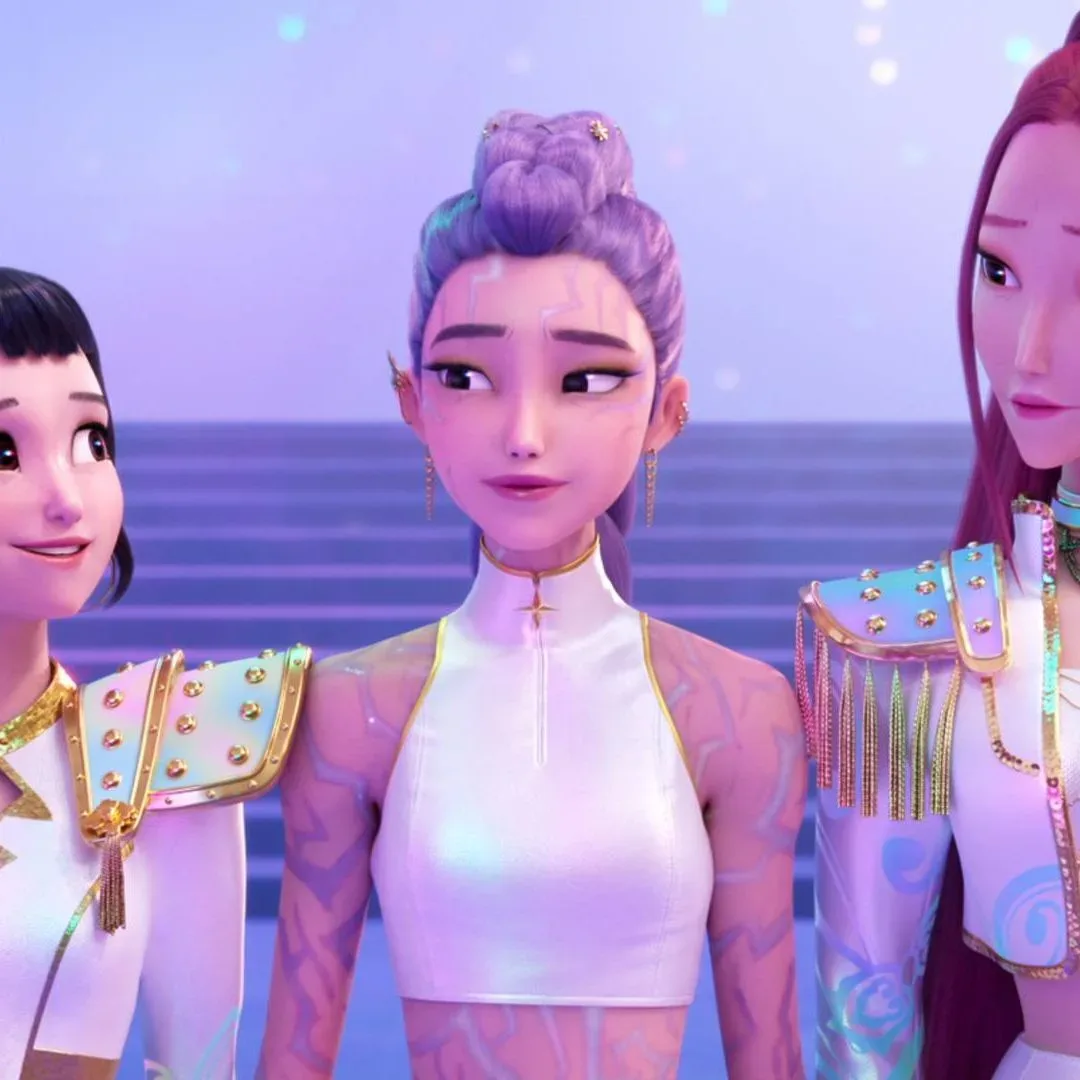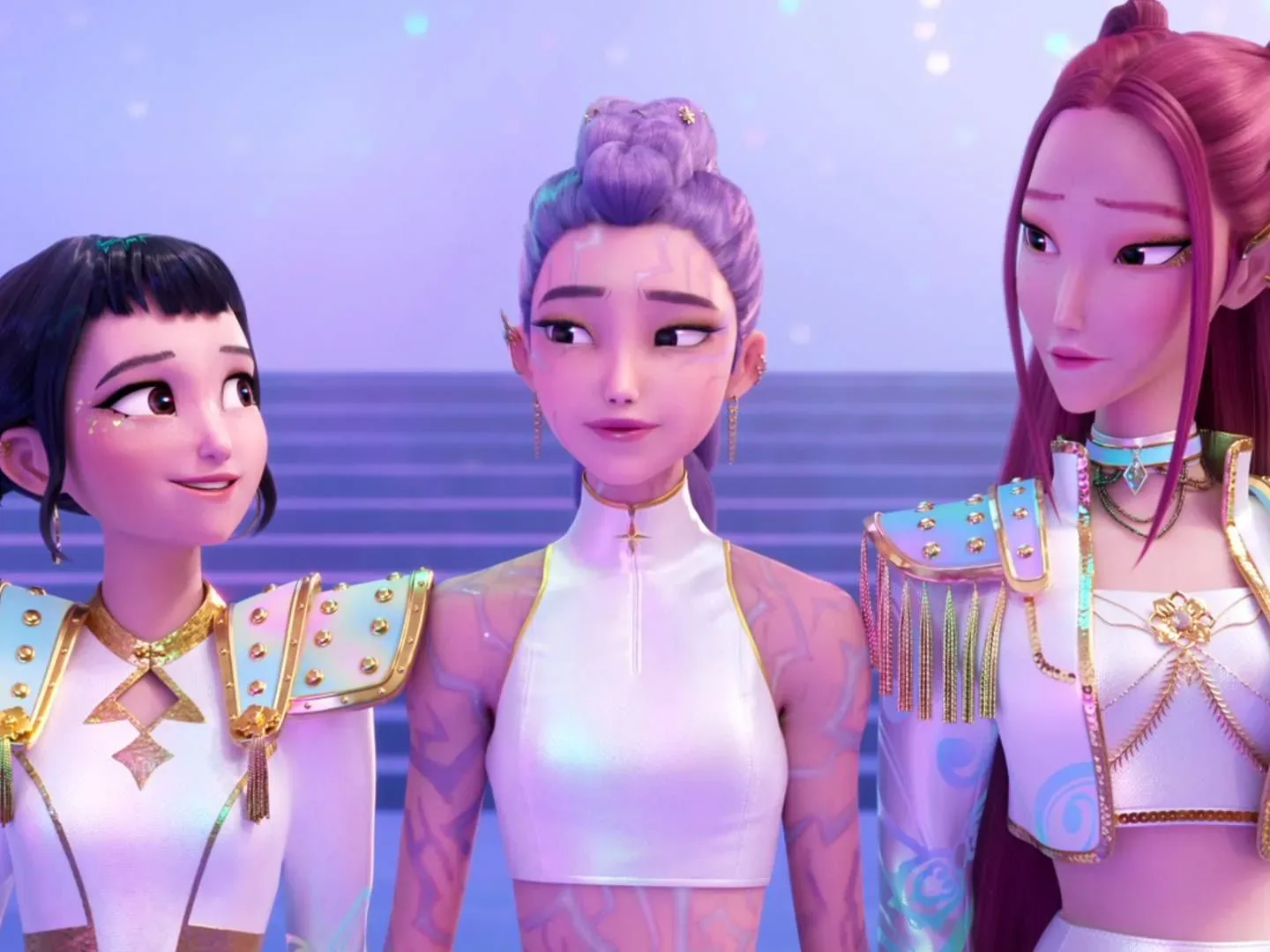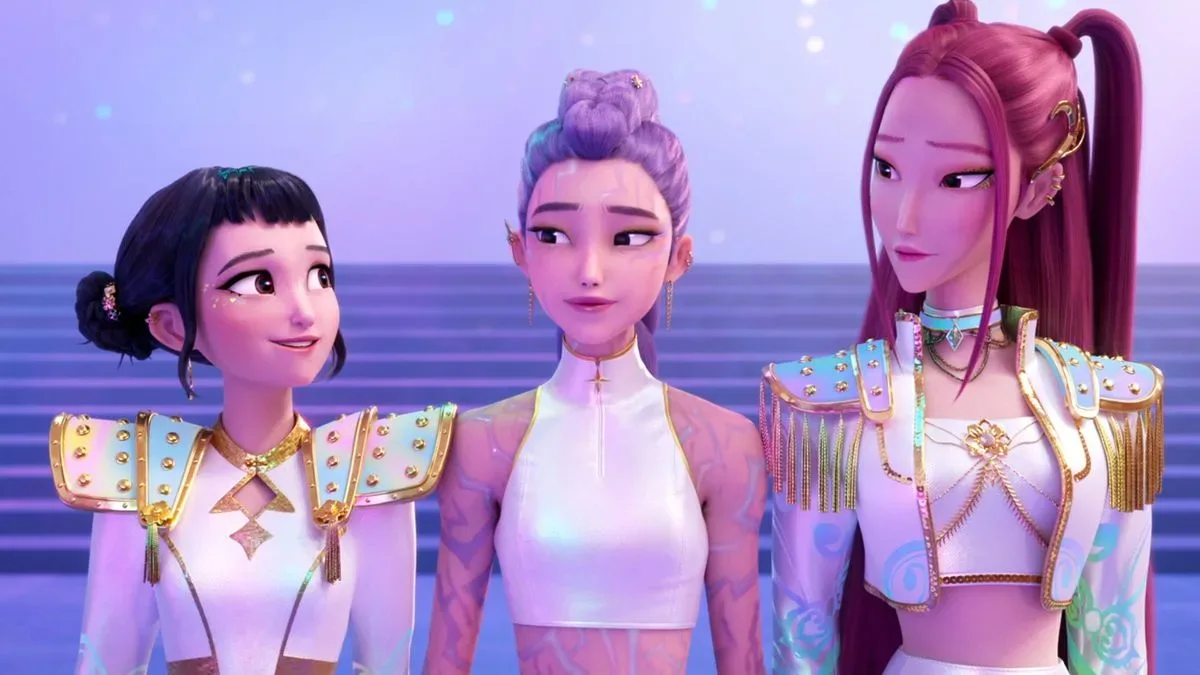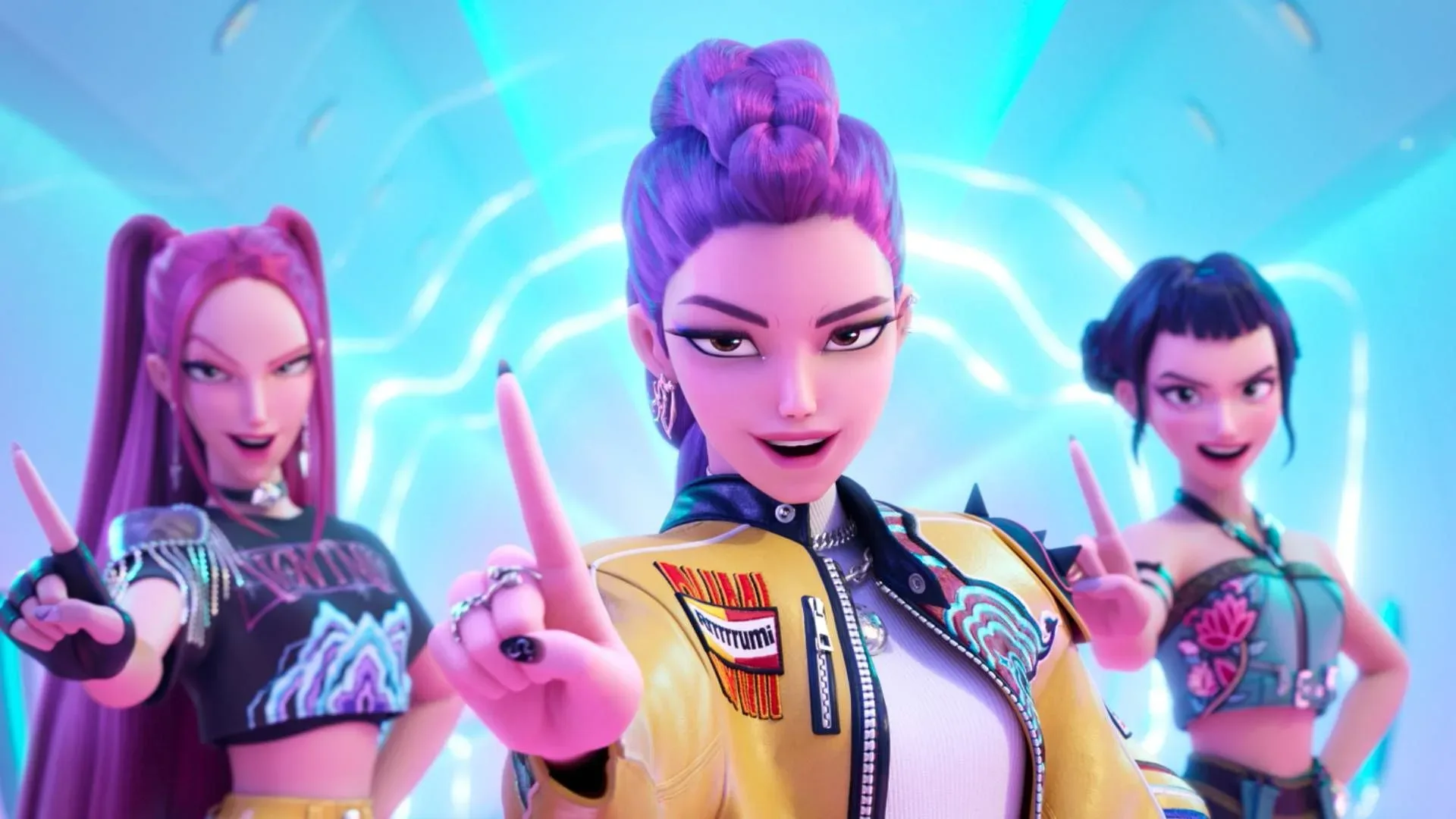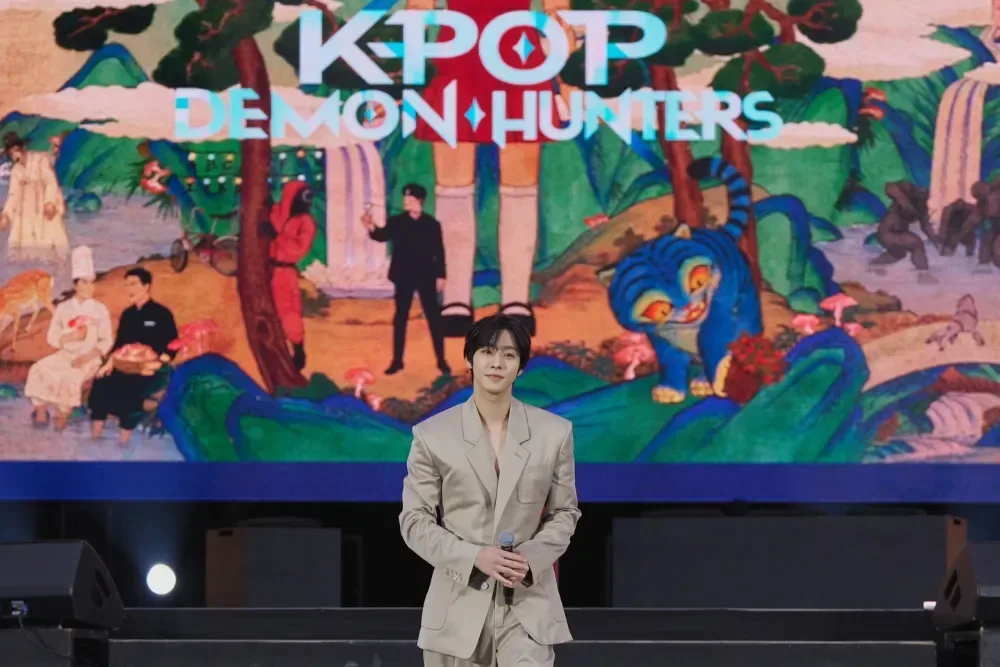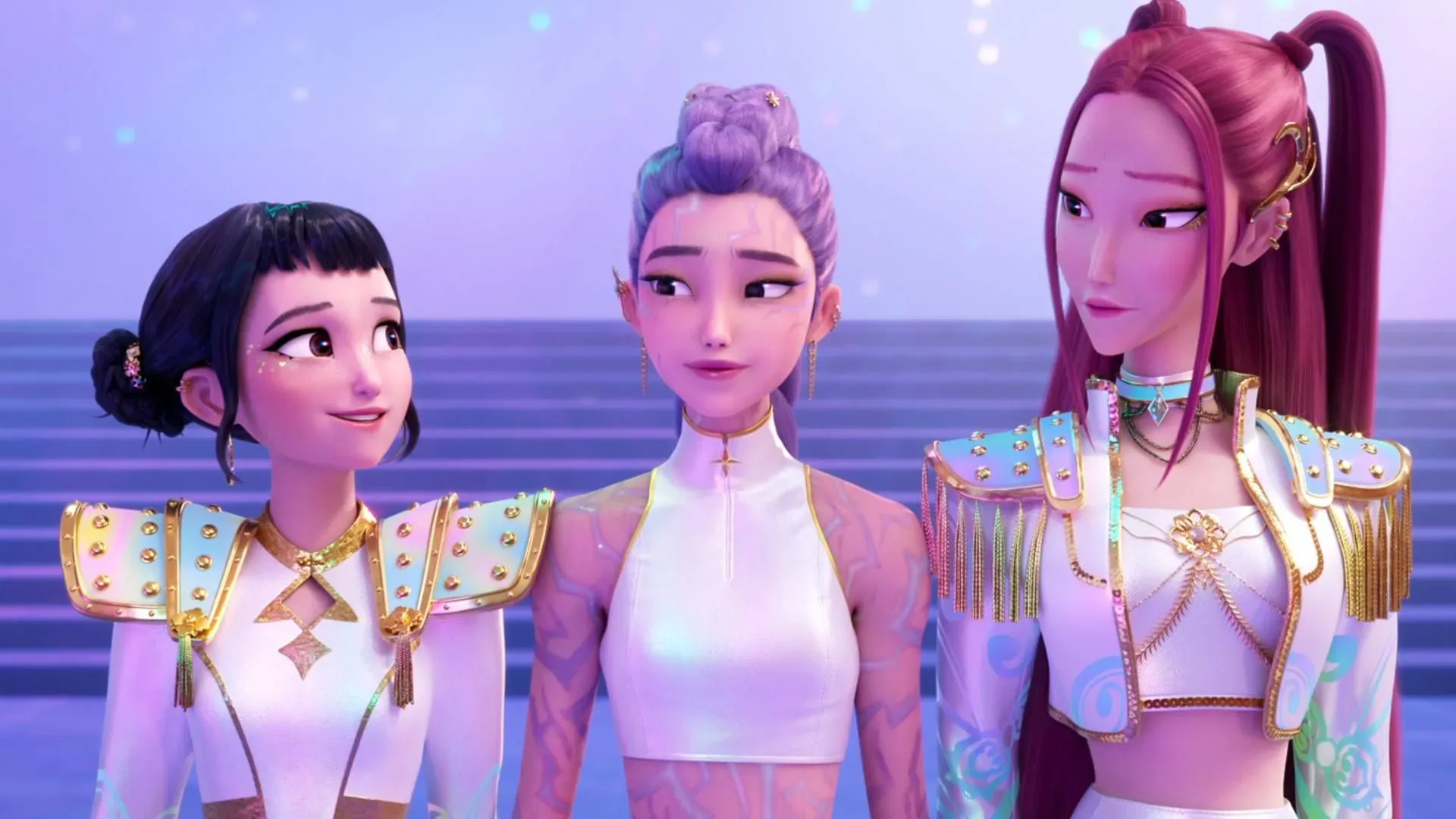
HUNTR/X is back on the dance floor. More than a year after KPop Demon Hunters arrived on Netflix, a new choreography video puts Rumi, Mira and Zoey front and center for a performance of “How It’s Done.” It is a modestly sized return, but an especially useful one for fans who wanted to see the group execute the song’s full dance rather than fight through its action-heavy movie sequence.
That distinction matters. In the film, “How It’s Done” is not presented as a clean, uninterrupted choreography showcase: the trio is occupied with taking down demons on an airplane. The new video separates the performance from that narrative chaos, allowing the movement itself to become the focus. For a fictional pop group whose songs and stage presentation are central to the premise, it is the kind of supplementary material that makes the world feel a little more complete without asking viewers to wait for the eventual sequel.
Why the new “How It’s Done” video stands out
Choreography is the planned sequence of dance movements that performers use to express a song visually. In pop music, it can be as recognizable as a vocal hook: a repeatable gesture, formation change or rhythm-specific movement may become the part audiences most want to learn and recreate. A film sequence, however, has different jobs. It must advance plot, accommodate editing and action, and keep the camera trained on story information.
That is why a dedicated performance clip can reveal something the film did not. Rather than treating the dance as one ingredient in a demon-fighting scene, the video gives “How It’s Done” room to function as choreography. Fans looking for a version they can study or reproduce now have material that is more directly suited to that purpose.
There is also a small story clue in the footage. Rumi’s markings are visible in the new performance, indicating that the clip is set after the events of the movie. That visual continuity is important because it frames the video as more than a detached promotional recreation. It appears to revisit HUNTR/X after the film’s conflict, while still keeping the emphasis on the group’s music and dance.
The available information supports an implication, not a detailed new chapter. There is no indication here of a major plot continuation, a new villain, or additional sequel story beats. The markings simply provide a recognizable signal that the performers are being shown in a post-film state. Fans should therefore treat the video as an extension of the existing story world rather than evidence of a newly revealed storyline.
Four more song videos are on the way
The “How It’s Done” performance is not expected to stand alone. More videos are planned across the week for “Golden,” “Takedown,” “Soda Pop” and “Your Idol.” Taken together, that selection promises a broader look at the music associated with KPop Demon Hunters, with multiple songs receiving dedicated attention rather than one isolated dance release.
The rollout will also include separate performances from choreographers Nain, Leejung Lee and K-Tigers. That is a meaningful addition for anyone interested in how a screen performance is built. Character-led footage preserves the appeal of seeing Rumi, Mira and Zoey perform, while choreographer-focused videos can spotlight the people and groups executing the dances outside the film’s fictional framework.
It is worth keeping those formats distinct. A character performance serves the franchise’s fiction: viewers see the members of HUNTR/X as they know them from the movie. A choreographer performance emphasizes the dance as a real-world craft, potentially making the routines easier to observe as physical performances rather than dramatic scenes. Both can be valuable, but they answer different fan interests.
A practical benefit for costume and dance fans
The timing also gives Halloween-costume fans more to work with. A costume can communicate the visual identity of a character, but a recognizable move can help complete the effect at a party, event or social post. The new material supplies a clearer reference for those who want to pair a HUNTR/X-inspired look with choreography from the film’s songs.
That does not mean a full routine is required. Dedicated clips can be useful even to viewers who only want to learn a short section, identify a signature pose, or understand how the performers transition between formations. For dance fans, a clean performance video is often more practical than trying to isolate movements from an action sequence with changing camera angles and competing on-screen events.
The planned releases also broaden the entry points into the movie. One viewer may come for “Golden,” another may prefer “Takedown,” while somebody else may be drawn to “Soda Pop” or “Your Idol.” Releasing material around several tracks recognizes that the audience’s attachment may be song-specific, not solely centered on the lead group or a single scene.
What this does—and does not—say about the sequel
A sequel, KPop Demon Hunters 2, is in development and is slated for 2029. Netflix chief executive Ted Sarandos has said it can be expected to receive a very broad theatrical release, an unusual plan for a Netflix film. The long timeline means the new choreography videos arrive as a bridge between projects rather than as a signal that the follow-up is immediately around the corner.
The theatrical point is notable because it establishes that the sequel is intended to reach cinemas broadly as well as arrive through Netflix’s ecosystem. But it does not provide further details about the sequel’s story, music, cast, production progress or exact release date beyond the stated 2029 target. Those unanswered questions remain unanswered by the choreography rollout.
In other words, the present videos are best understood as a way to keep the original film’s songs and characters active while the larger sequel takes shape. They offer new viewing material now, especially for people who have revisited the soundtrack or wanted a closer look at its dance elements, without pretending to substitute for a new feature film.
HUNTR/X has also appeared outside the original movie before, including in a McDonald’s advertisement earlier this year. The new clips continue that pattern of keeping the characters visible beyond the film itself. Here, though, the focus is directly tied to one of the property’s core creative elements: the intersection of fictional idol performance, music and supernatural action.
What to watch for as the videos arrive
- Song-by-song differences: Each planned video may foreground a different performance style or mood through “Golden,” “Takedown,” “Soda Pop” and “Your Idol.”
- Character continuity: Rumi’s markings in “How It’s Done” provide a reason to look for further visual connections to the film in later clips.
- Performance perspective: The HUNTR/X videos and the choreographer videos should offer complementary, rather than identical, ways to view the dances.
- Learnable moments: Fans seeking a Halloween-friendly routine may find isolated moves and clearer formations more accessible in dedicated dance footage than in the film’s action scenes.
For now, the “How It’s Done” clip is a straightforward but welcome expansion: it lets HUNTR/X perform without an airborne demon battle stealing the spotlight. With four more song videos and separate choreographer performances planned, viewers have a reason to keep an eye on the week’s releases even as the wait for the 2029 sequel remains a long one.
For another music-centered pop-culture project on the horizon, see Alicia Keys and Swizz Beatz’s “Lovers Rose”.