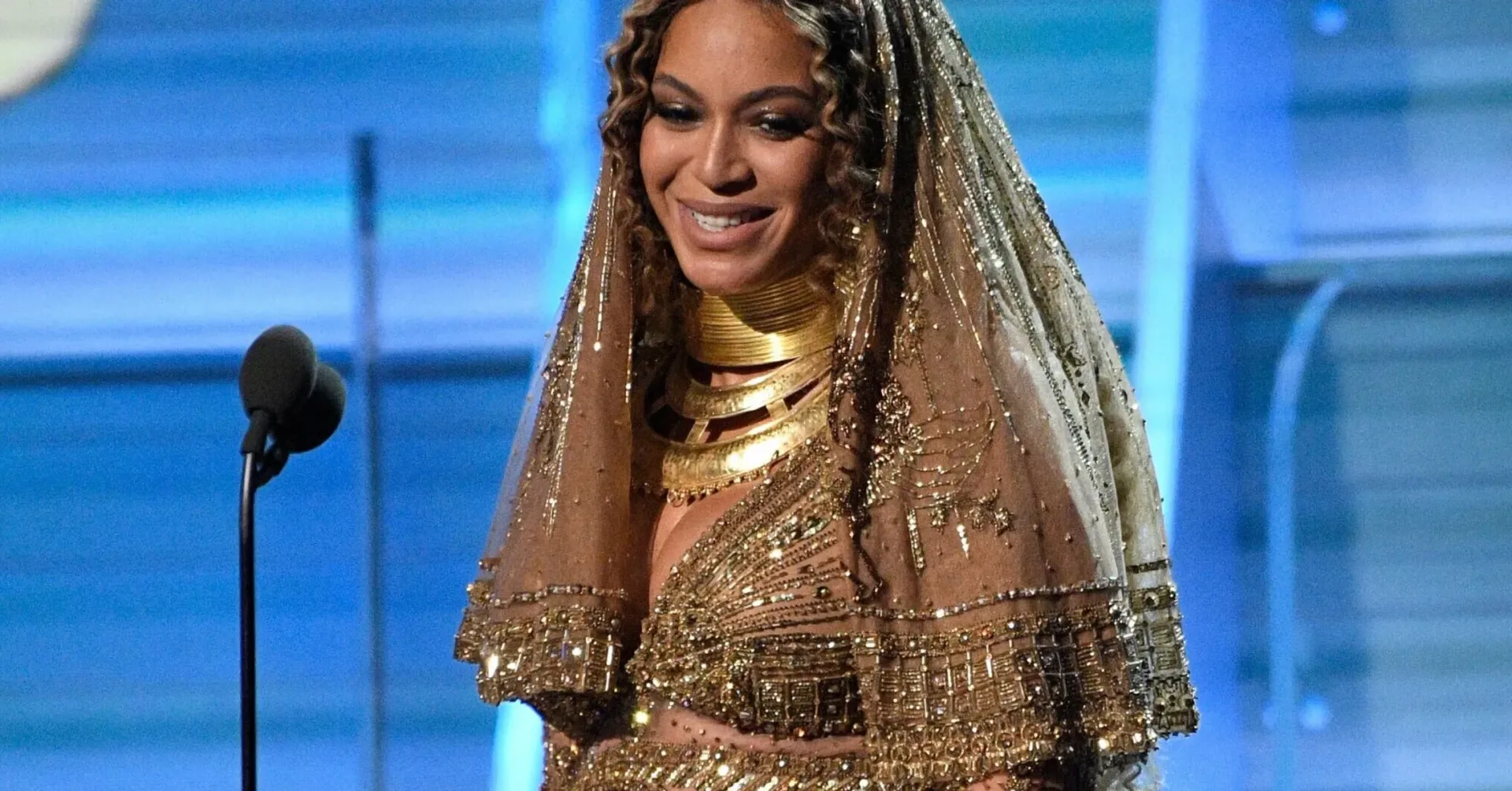
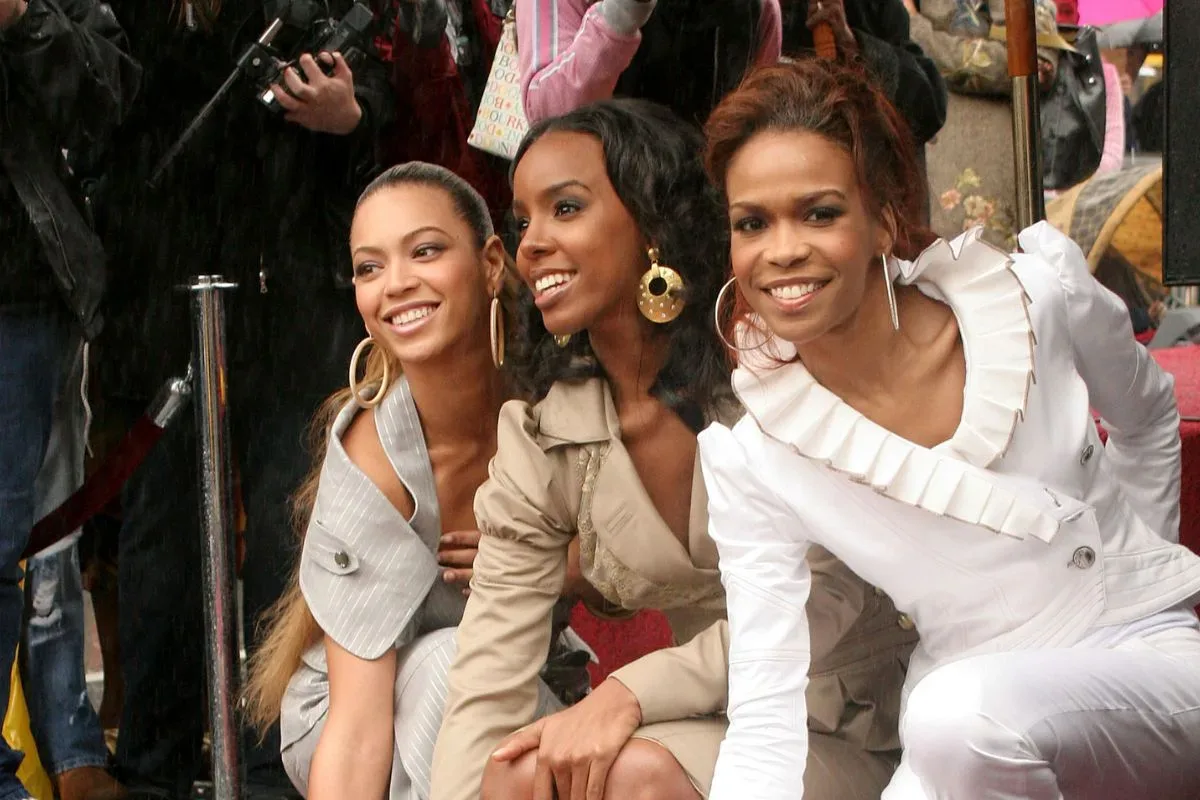
Mathew Knowles has shared a 30-minute archive video centered on Destiny’s Child’s appearance at the 2001 BRIT Awards, offering a longer view of the preparation behind one of the trio’s major early-2000s UK appearances. The footage follows Beyoncé, Kelly Rowland and Michelle Williams through choreography, wardrobe and rehearsal activity in London, with Solange also present.
For Knowles, who managed the group and is Beyoncé’s father, the London event carried more weight than a routine television booking. In the video description, he characterizes Britain as an important test at a moment when success in the United States did not automatically establish an American act elsewhere. His framing is useful context for the footage: it presents a tightly organized performance day not as a glamour detour, but as work intended to assess Destiny’s Child’s standing in another major music market.
The 2001 ceremony took place on February 26 at Earls Court 2 in London. Destiny’s Child arrived shortly after receiving its first Grammy for the performance of “Say My Name”; the song’s writers won Best R&B Song the same night. The group was therefore entering the BRITs during a particularly consequential period, with awards recognition, an established UK chart presence and the next stage of its commercial momentum all meeting at once.
What the archive adds to a four-minute performance
Knowles’ central point is simple: the portion viewers see on television is only the finished surface of a much larger operation. The archive puts choreography, wardrobe coordination and rehearsal in the foreground. Those are familiar parts of a large awards-show production, but seeing them grouped around a single appearance is meaningful because it changes the scale of the story. A broadcast performance can seem immediate; a preparation record emphasizes planning, repetition and the logistical work necessary to make an appearance look effortless.
Choreography, in this context, means more than learning dance moves. For a vocal group performing on a televised awards stage, it is the planned relationship among movement, spacing, entrances, exits and song delivery. Wardrobe is likewise part of the overall presentation, coordinating a visual identity while accommodating the practical demands of a live show. Rehearsal is the process of putting those elements together before the cameras roll.
The available details do not establish every song or every production decision represented in the video, and they do not need to. The value of the archive is its focus on the day’s process. It preserves a slice of professional routine from an era often recalled through singles, charts and award results rather than the work that preceded them.
Why the UK mattered at that moment
Destiny’s Child was not arriving in Britain without evidence of demand. “Independent Women Part I” had reached No. 1 in the UK the previous year. The song came from the Charlie’s Angels soundtrack, and Beyoncé helped write and produce it. That chart result provided a clear foothold, but Knowles’ comments suggest he still viewed a high-profile London awards appearance as a distinct measure of industry traction.
That distinction matters. A chart position shows how a release performed; an awards-show slot places an artist before a major live and televised industry audience. They overlap, but they are not identical kinds of validation. Knowles’ approach, as presented with the archival material, treats the BRITs as a moment where Destiny’s Child needed to demonstrate readiness on a prominent British stage rather than assume its American success would speak for itself.
Related coverage includes Mathew Knowles Shares 2001 BRIT Awards Footage From Destiny’s Child Archive.
The group’s UK momentum continued soon after. “Survivor” reached No. 1 in Britain that spring, while the album of the same name also topped the British chart. The 2001 BRITs footage therefore sits between notable milestones: after “Independent Women Part I” had made a major impact, just after the Grammy recognition for “Say My Name,” and before “Survivor” and its parent album reached the top of the UK charts.
There is a practical lesson in that sequence, even beyond music: international momentum is not merely a matter of exporting a domestic hit. It involves presenting an act in the places where it wants to build a lasting audience. In this case, the archive records the preparation around one highly visible opportunity to do exactly that.
A backstage meeting from a shared chart era
The video also includes a backstage encounter between Beyoncé and Eminem, with D12 present. The meeting connects two artists who were both having substantial UK chart success by the time they appeared on the same BRIT Awards bill.
Eminem’s “The Real Slim Shady” had reached No. 1 in the UK the year before, matching the British chart peak of Destiny’s Child’s “Independent Women Part I.” At the 2001 ceremony, Eminem performed “I’m Back” and “The Real Slim Shady,” and he received the BRIT Award for Best International Male.
The backstage moment should not be overstated as a collaboration or a shared creative project; the material only establishes that they greeted one another at the event. But it is still a concise marker of the period, placing two acts with major British hits in the same backstage environment. Years later, Eminem and Beyoncé would release “Walk On Water” in 2017, which became the opening track on Eminem’s Revival album.
From Girls Tyme material to a focused awards-show record
This is not Knowles’ first release of early Destiny’s Child-related material. In 2019, he released a book and a 15-track album drawn from the group’s Girls Tyme years. Before taking the Destiny’s Child name, the Houston group had performed on Star Search.
The newly shared BRITs material is different in emphasis. Rather than looking back to the pre-Destiny’s Child period, it focuses on a day when the group had become a prominent act navigating an important overseas industry event. That gives the video a more specific archival purpose: it does not simply document an early chapter, but a particular pressure point in an established act’s rise.
Archives such as this can be especially valuable when they preserve context that standard performance clips omit. A performance upload may show the result. A preparation-oriented video can show how a team organized the result around a venue, schedule, clothes, movement and the expectations attached to a major event. It is the difference between preserving a single highlight and preserving part of the environment that produced it.
For readers interested in how physical media terminology can matter when preserving and describing older recordings, Joking Joystick’s guide to the difference between “disc” and “disk” provides related context across CDs, Blu-ray and computing. The distinction does not define this video, but accurate language is part of making archives searchable and intelligible over time.
What the footage can—and cannot—tell viewers
The shared video offers a record of preparation, and Knowles supplies his own interpretation of why the appearance mattered. Together, those elements make a persuasive case that the BRIT Awards were treated as an important professional test. Still, an archive is a perspective, not a complete account of every decision surrounding an event.
It can show that rehearsal, choreography and wardrobe were part of the day; it can place Solange alongside Beyoncé, Rowland and Williams; and it can document the backstage encounter with Eminem and D12. It cannot by itself settle every broader question about a group’s international strategy or represent the entire experience of the ceremony. Keeping that boundary clear makes the document more useful, not less.
What remains most compelling is the directness of the material. Destiny’s Child’s 2001 achievements are easy to summarize through No. 1 singles, a chart-topping album and Grammy recognition. The archive shifts attention toward the disciplined, less visible labor around a major appearance in London. That is a valuable complement to the familiar headline version of the era: not just the success, but the preparation undertaken when the stakes felt high.