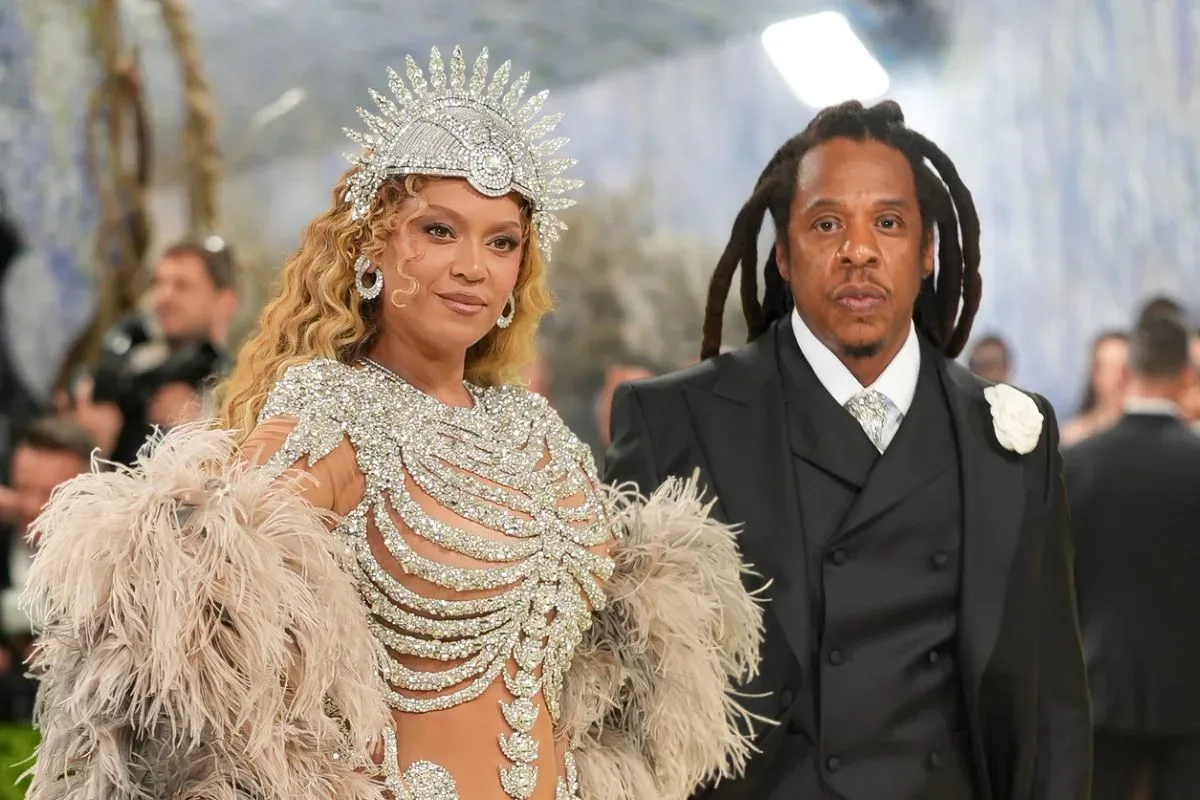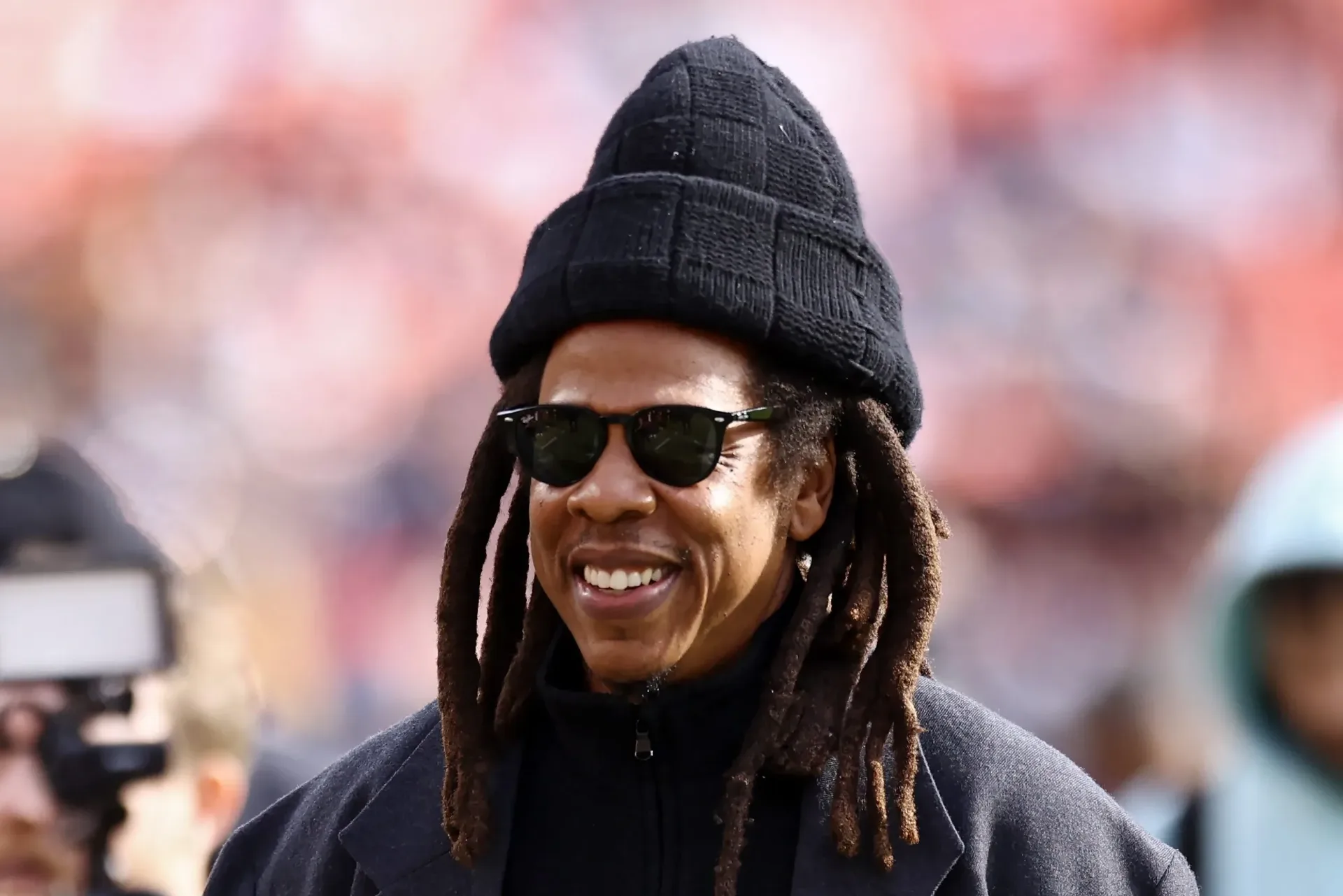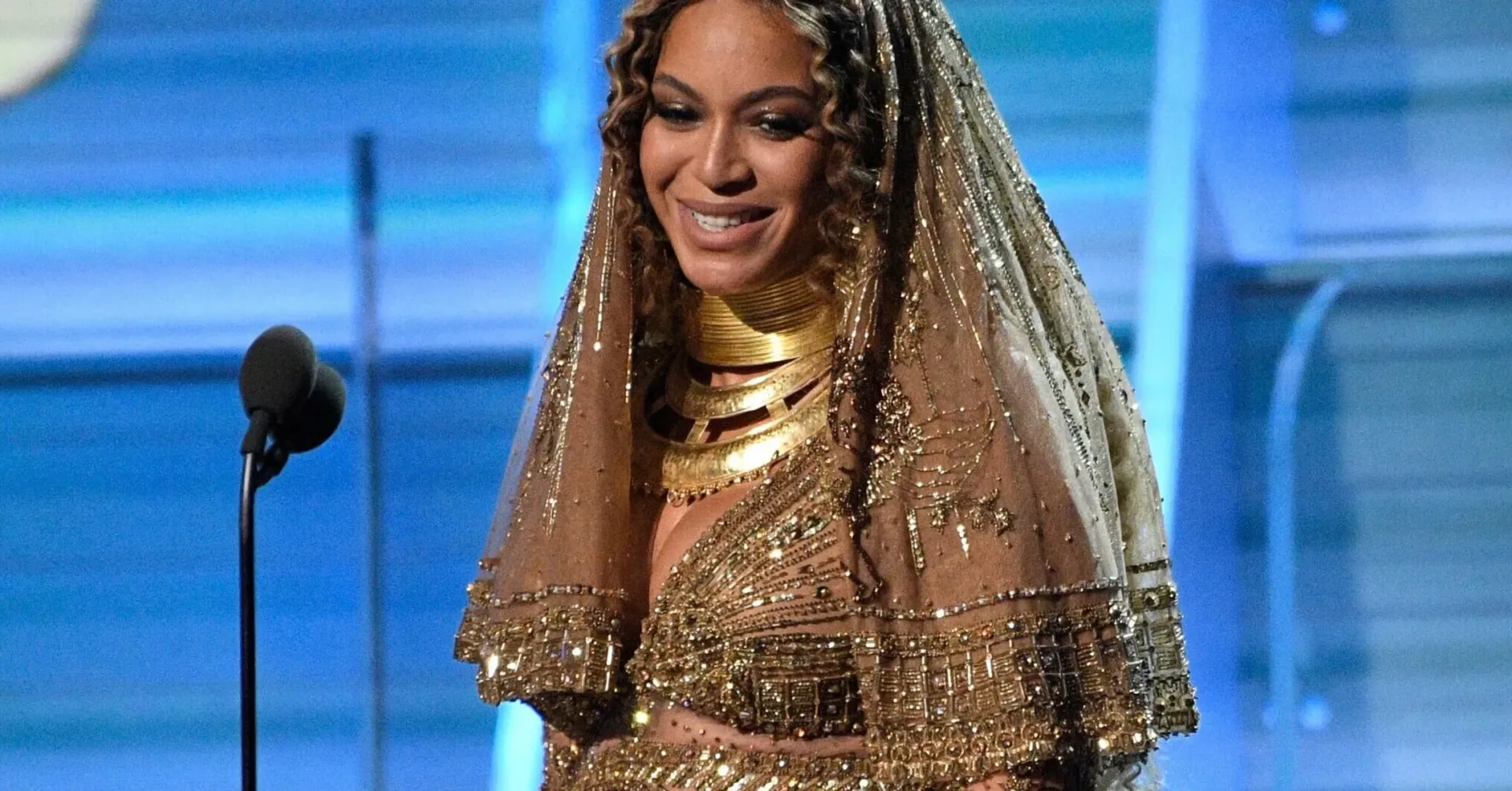
Beyoncé is regularly discussed as one of modern pop’s defining vocalists and performers, but Jay-Z is drawing attention to a different piece of her creative résumé: her work in the studio as a producer and writer. At the New York premiere for his forthcoming HBO series JAY-Z IN 8, he described Beyoncé as a “phenomenal producer and writer,” arguing that the scale of her public-facing talent can sometimes eclipse the work that happens before a song reaches the stage.
The distinction matters. A major vocal performance is immediately audible, and an elaborate live show arrives with cameras, costumes, choreography and a stadium-sized sense of occasion. Production is less visible by design. It can involve decisions about song structure, melodies, vocal arrangements, recording approaches, which ideas are expanded, and which are abandoned. The listener may feel those choices without ever seeing the decision-making process that led to them.
Jay-Z’s emphasis was on Beyoncé’s willingness to explore without becoming trapped by self-consciousness. He said she will try melodies and other possibilities freely, then determine later whether they belong on the finished track. He contrasted that process with his own tendency to become more guarded while making music, calling her fearless in the studio.
A career that includes more than the microphone
The producer label is not a newly applied honorific in this case. Beyoncé’s credits trace back to her time with Destiny’s Child, a group whose success is often remembered through its hooks, harmonies and era-defining singles. Her credits include producer and vocal producer work on “Bills, Bills, Bills,” showing involvement beyond performing the song itself.
By the time Destiny’s Child released its final studio album, Destiny Fulfilled, Beyoncé was credited as an executive producer alongside production and vocal-production duties. Those terms are not interchangeable, and credits can represent different responsibilities from project to project. Still, together they document a sustained role in shaping recordings rather than an occasional studio-side appearance.
That thread continued with her solo catalog. On 2003’s Dangerously in Love, Beyoncé received producer, executive producer and vocal producer credits, including a production credit on “Crazy in Love.” The song is one of the most recognizable releases of its period, often defined by its horn-driven opening, direct vocal energy and enormous crossover impact. Its credits also place Beyoncé in the record’s creation at a level that goes beyond delivering the lead vocal.
Her next solo album, B’Day, similarly lists her as an executive producer, producer and vocal producer. The project involved collaborators including Rich Harrison, Swizz Beatz, Rodney Jerkins and The Neptunes. A crowded list of high-profile creative names can sometimes lead audiences to assume the headline performer simply selected from finished material. The credit history here suggests a more involved picture: Beyoncé was working within a collaborative production environment while also holding formal creative roles across the album.
Why experimentation is central to the producer conversation
Jay-Z’s comments do not claim that every spontaneous melodic detour becomes a finished Beyoncé song. In fact, the point is the opposite. A productive studio process needs room for ideas that fail, evolve or disappear. Trying a vocal run, a new rhythm, a different phrasing choice or a fresh melodic route does not guarantee that any one option will survive the final edit. It creates options.
That kind of freedom is especially valuable for an artist with a highly recognizable voice. Familiarity can become a creative trap: audiences know what they expect, collaborators may gravitate to proven formulas, and the pressure to make every take sound definitive can close off exploration. Jay-Z characterized Beyoncé’s approach as following the instinct first and judging its usefulness afterward. That suggests a process built around discovery rather than treating the first acceptable result as the only result.
His remarks also highlighted her memory, describing her recall as extraordinary. In a studio setting, strong recall can be a practical creative asset. It can help an artist return to an earlier idea, compare variations, identify what changed between takes, or preserve a fleeting detail that may not have been formally documented at the moment it happened. It is not the same thing as a production credit by itself, but it fits the broader picture Jay-Z offered of someone actively engaged with how a recording takes shape.
For listeners, production can be a frustratingly broad word. It may mean crafting an instrumental, organizing sessions, directing vocal performances, developing arrangements, coordinating collaborators, making sequence decisions, or guiding the overall identity of a record. The exact division of duties varies between songs and albums. That is why formal credits remain more useful than vague assumptions about who “made” a song. They show that Beyoncé’s behind-the-scenes involvement has been recognized across multiple stages of her career.
The credits change how the catalog can be heard
None of this diminishes the significance of Beyoncé as a singer. Her voice is the obvious doorway into much of the catalog, and rightly so. But Jay-Z’s comments invite a different way to approach familiar releases: not just as showcases for a vocalist, but as records informed by an artist participating in the construction of the sound around that vocalist.
That perspective is useful when considering the jump from Destiny’s Child to Dangerously in Love and then B’Day. The releases belong to different points in a long career, but the documented producer, executive producer and vocal producer roles establish continuity. Beyoncé was not suddenly introduced to studio responsibility after becoming a solo superstar; the available credits point to experience developed during the group era and carried into subsequent projects.
It also clarifies why vocal production should not be treated as a decorative footnote. The way vocals are arranged, layered, phrased and captured can substantially determine the character of a pop or R&B recording. A lead voice may be the most apparent instrument in the mix, but its impact comes from choices that are made, tested and refined during production. Beyoncé’s vocal-production credits are part of the case for recognizing her broader studio contribution.
There is a tech-side parallel here, too: the medium through which people hear a record can emphasize different parts of its construction. Listening formats and settings affect what stands out, from tightly stacked harmonies to subtle production details. Anyone considering how streaming settings shape that experience may find this look at Apple Music Lossless and data usage relevant, even if no playback mode substitutes for the creative decisions made in the room.
Anniversary milestones frame the discussion
Jay-Z’s praise arrives during a period of notable catalog anniversaries for both artists. Beyoncé recently marked 20 years of B’Day, while Jay-Z is marking 25 years of The Blueprint. The timing gives added context to a conversation about creative legacy. Anniversaries tend to revive signature tracks and famous performances, but they can also provide a reason to revisit the names and roles embedded in album credits.
JAY-Z IN 8 is scheduled to premiere on HBO on September 18. The series is tied to Jay-Z’s The Blueprint anniversary, and his comments at its New York premiere shifted a portion of the discussion toward Beyoncé’s own record-making history. Rather than presenting her creative standing solely through accolades as a performer, he focused on the habits he sees in the studio: experimentation, quick instinct, exceptional recall and a readiness to risk an idea that might not work.
For an artist whose public image is often built around precision, the description of fearlessness is notable. Precision is usually associated with polish and control; fearlessness implies the willingness to be unfinished, uncertain and exploratory before the polish arrives. Jay-Z’s assessment presents both as part of the same process, and Beyoncé’s credits across Destiny’s Child, Dangerously in Love and B’Day provide the tangible record behind that view.