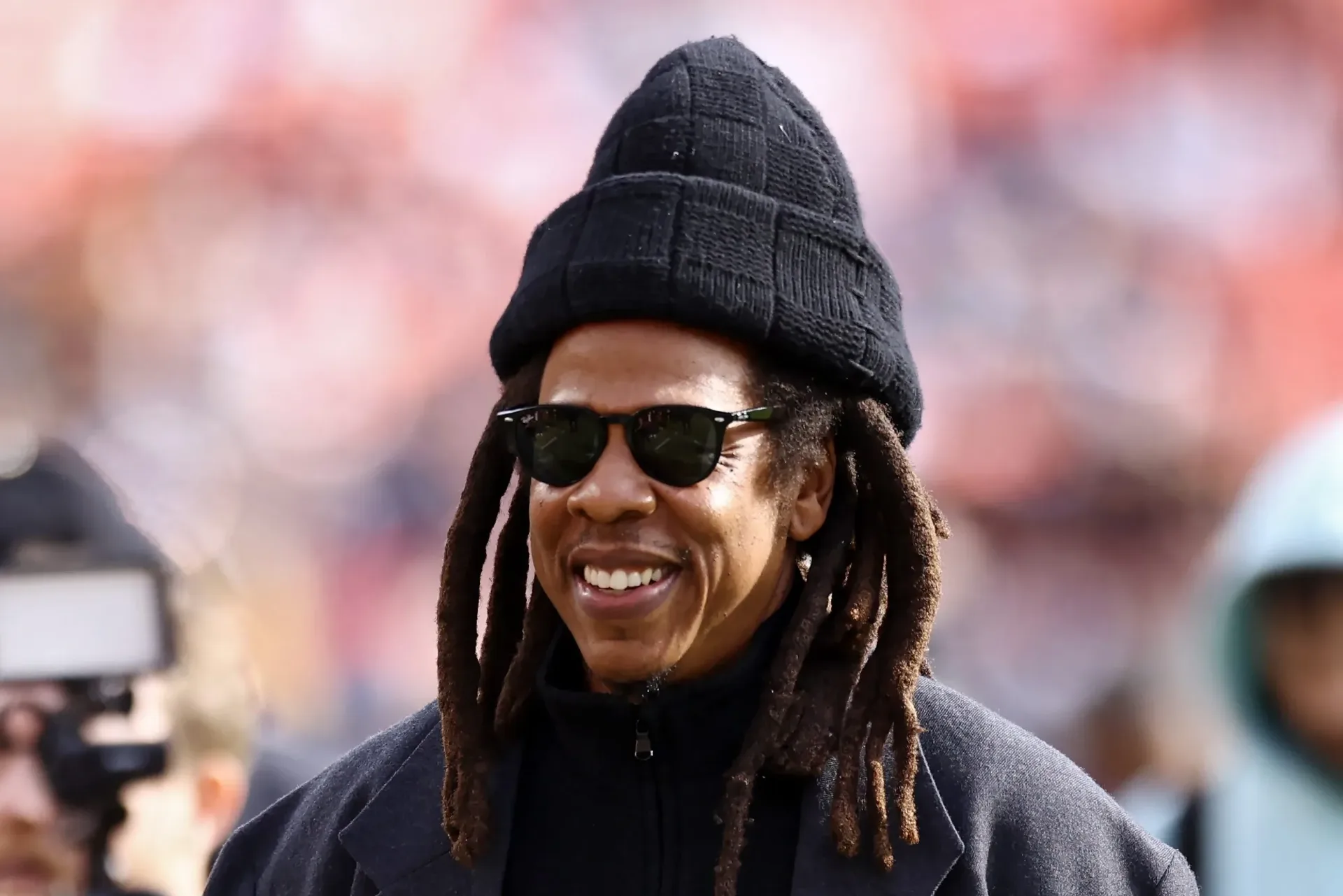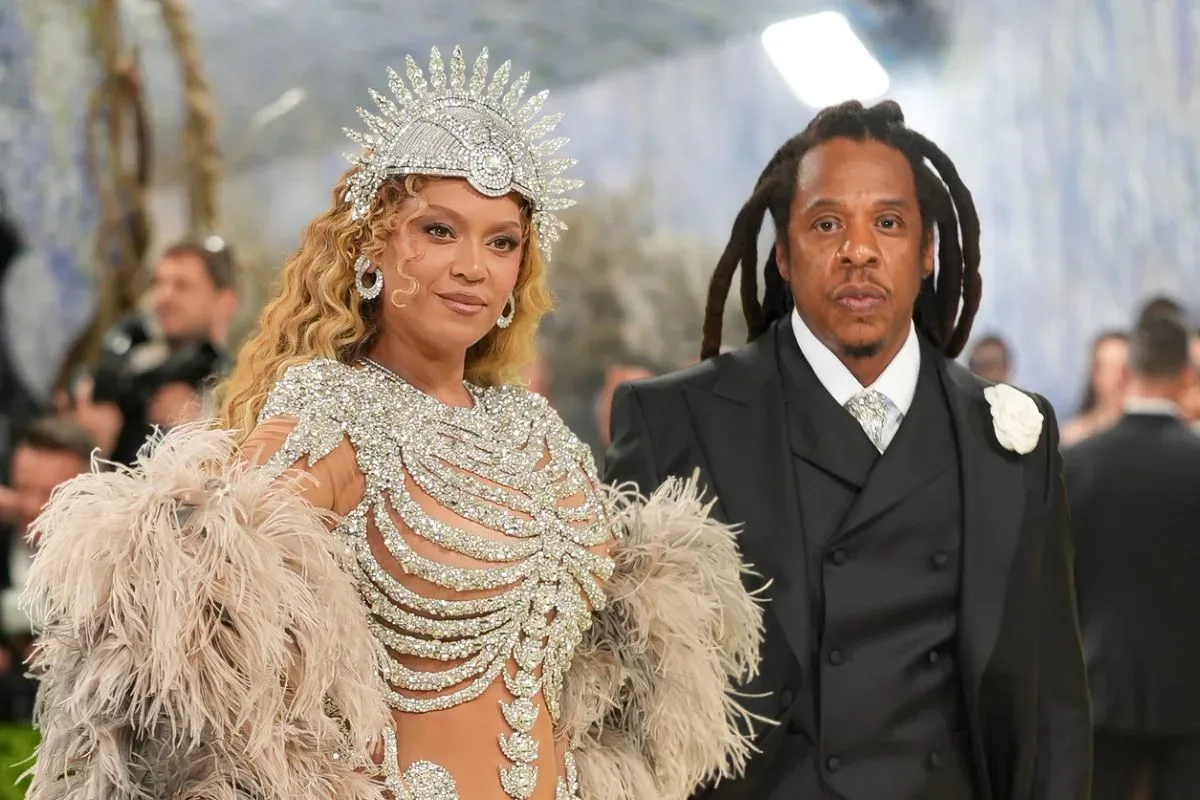
Jay-Z is putting a major spotlight on a part of Beyoncé’s career that can be overshadowed by the scale of her performance legacy: the work that happens before a song reaches the stage. While attending a Manhattan event connected to the forthcoming HBO series JAY-Z IN 8, the rapper and entrepreneur spoke warmly about Beyoncé as a writer and producer, emphasizing her readiness to chase an idea even when it may not ultimately make the final record.
His central point was straightforward. Beyoncé’s creativity is not limited to delivering a finished vocal performance; it also involves active, adventurous participation in shaping the sound. Jay-Z described her as a “phenomenal producer and writer,” and said her willingness to take chances continues to inspire him. It is a notable compliment from an artist whose own catalog has been built through years of close collaboration with elite producers, writers, musicians, engineers and guests.
The comments arrived as the couple’s individual discographies sit at significant anniversary markers. In 2026, Jay-Z’s Reasonable Doubt, released in 1996, reaches 30 years. The Blueprint, his 2001 album, reaches its 25th anniversary. Beyoncé’s B’Day, released in 2006 and featuring Jay-Z on several songs, reaches 20 years. Those mileposts underline just how long both artists have been central figures in rap, R&B and pop—not merely as famous names, but as participants in the making of records.
Production credit is only part of the story
Music credits matter, especially because they document who contributed to lyrics, melodies, arrangements and recordings. But Jay-Z’s description points toward the less tidy, more immediate side of studio work: reacting to an instrumental, trying an ad-lib, pitching a vocal variation or reaching for a new approach before the room can talk itself out of it.
He contrasted that impulse with his own tendency to become self-conscious. Beyoncé, in his account, is more likely to act on what she feels in the moment, including ideas that might later be discarded. That is an important distinction. Experimentation does not mean every take becomes a single, and it does not mean every creative detour has to be preserved. It means the session makes room for possibilities before judgment takes over.
Jay-Z said Beyoncé will “try anything” when an idea feels right in the moment.
That approach is especially meaningful in an era when audiences can encounter music as a polished, instant product and rarely see the hundreds of smaller choices behind it. The vocal runs, background layers, song structures and arrangement decisions that listeners may treat as inevitable were often not inevitable at all. They were possibilities tested in a room. A performer taking an uninhibited swing—whether it stays or goes—can alter the course of a track.
Beyoncé has received production recognition across her career, including a co-production credit with Ryan Tedder on “Halo.” The song became one of the defining pop releases of its period and won her the Grammy Award for Best Female Pop Vocal Performance. Her body of work also illustrates why simplistic divisions between “singer” and “producer” can miss the point. A record can be shaped by a range of creators with different formal credits, and a performer’s musical direction can be deeply consequential even when listeners focus first on the voice out front.
Related coverage includes Jay-Z Praises Beyoncé’s Fearless Approach to Production.
What Jay-Z means by fearless
Fearlessness in the studio is not the same as recklessness. It can mean allowing an unusually bold vocal choice, unorthodox texture, unexpected arrangement turn or raw response to exist long enough to be evaluated. The alternative is a process where every idea is filtered immediately through caution: Will it sound strange? Is it too exposed? Does it fit the usual version of this artist? Jay-Z’s praise suggests Beyoncé is willing to move past those questions long enough to see what an instinct can become.
He also singled out her recall, another skill that can be easy to underestimate from outside the studio. Musical recall can include remembering an ad-lib, melodic change, lyrical thought or structural notion that appeared fleetingly during a session. It is an asset in collaborative recording, where an idea may arise in one moment and need to be recovered later as a song takes shape.
There is an appealingly human angle to the comparison as well. Jay-Z did not frame himself as above doubt; he acknowledged that he can get in his own way. The observation makes his praise more interesting than a generic compliment. Two artists can be enormously accomplished and still possess different creative reflexes. One may scrutinize a moment, while the other captures it before the internal editor arrives.
That tension between instinct and restraint has always been part of music-making. The strongest songs can sound natural and immediate even though they emerge from intense refinement. The first move, however, has to happen. Jay-Z’s account gives Beyoncé credit for being willing to make that move.
‘JAY-Z IN 8’ brings a longtime creative relationship to HBO
The Manhattan gathering was held in celebration of JAY-Z IN 8, an eight-part HBO documentary series scheduled to premiere September 18. The project features extended conversations between Jay-Z and director and producer Rick Rubin, focusing on Jay-Z’s music, lyrics, life experiences and creative process.
Rubin is a particularly fitting person for that format. He co-founded Def Jam, a label inseparable from hip-hop history, and he produced “99 Problems” from Jay-Z’s 2003 album The Black Album. Their history gives the conversations an established creative foundation rather than the feel of a standard promotional interview. A series structured around eight installments also potentially leaves room for subjects that cannot be reduced to a quick career recap: songwriting decisions, records that changed direction, personal context and the practical work behind an enduring catalog.
The event drew a cross-section of artists and entertainment figures, including Fat Joe, DJ Khaled, Yo Gotti, Charlamagne tha God, Winnie Harlow, Gunna and Rubin. The guest list reflects the broad cultural orbit surrounding Jay-Z’s work, extending from rap and radio to fashion and film.
Documentaries centered on musicians often work best when they treat the catalog as more than a sequence of hits. Jay-Z’s comments about Beyoncé offer a useful example of why: creative work is rarely a solo act, even when a single name is on the marquee. It is built through instincts, conversations, revisions and the people in the room who are willing to offer a different way forward.
A reminder to look beyond the front of the stage
Beyoncé’s public image naturally brings attention to her singing, performances and visual concepts. Those accomplishments are substantial enough that the mechanics of her songwriting and production contributions can receive less casual discussion. Jay-Z’s remarks redirect attention to that overlooked dimension without diminishing the better-known parts of her artistry. If anything, they explain how interconnected those parts can be.
A fearless studio attitude can feed a fearless performance. An experimental vocal decision can become an essential hook. A memory of a spontaneous phrase can eventually be worked into an arrangement. Production is not always a person alone behind a console; it is also the decision-making that turns scattered musical possibilities into a record with a point of view.
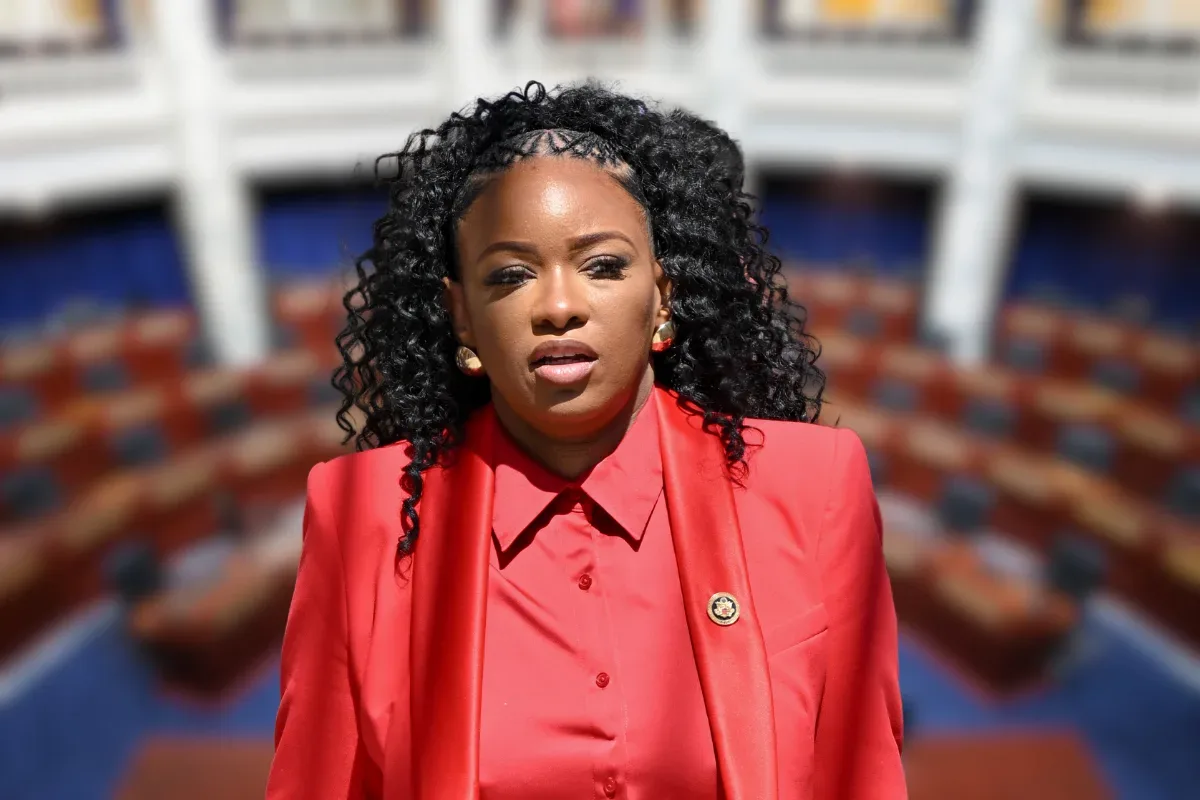
That broader view is increasingly useful in pop culture, where audiences are regularly asked to assess artists through one narrow label at a time. Singer, rapper, producer, writer, director, entrepreneur: those categories can clarify roles, but they can also conceal overlap. Recent music-world coverage has likewise shown how celebrity conversations can widen well beyond the work itself, as seen in the response to Jasmine Crockett’s recognition of Chris Brown and Usher at an Arlington concert.
For Jay-Z, the point appears to be less about assigning a new label to Beyoncé than recognizing a quality he sees repeatedly in her process: she is prepared to follow a creative impulse, test it and let the music decide whether it belongs. With JAY-Z IN 8 arriving September 18, that respect for process feels especially timely. The series promises a closer look at one artist’s long career, while his comments offer a reminder that another major artist’s work behind the scenes deserves serious attention too.