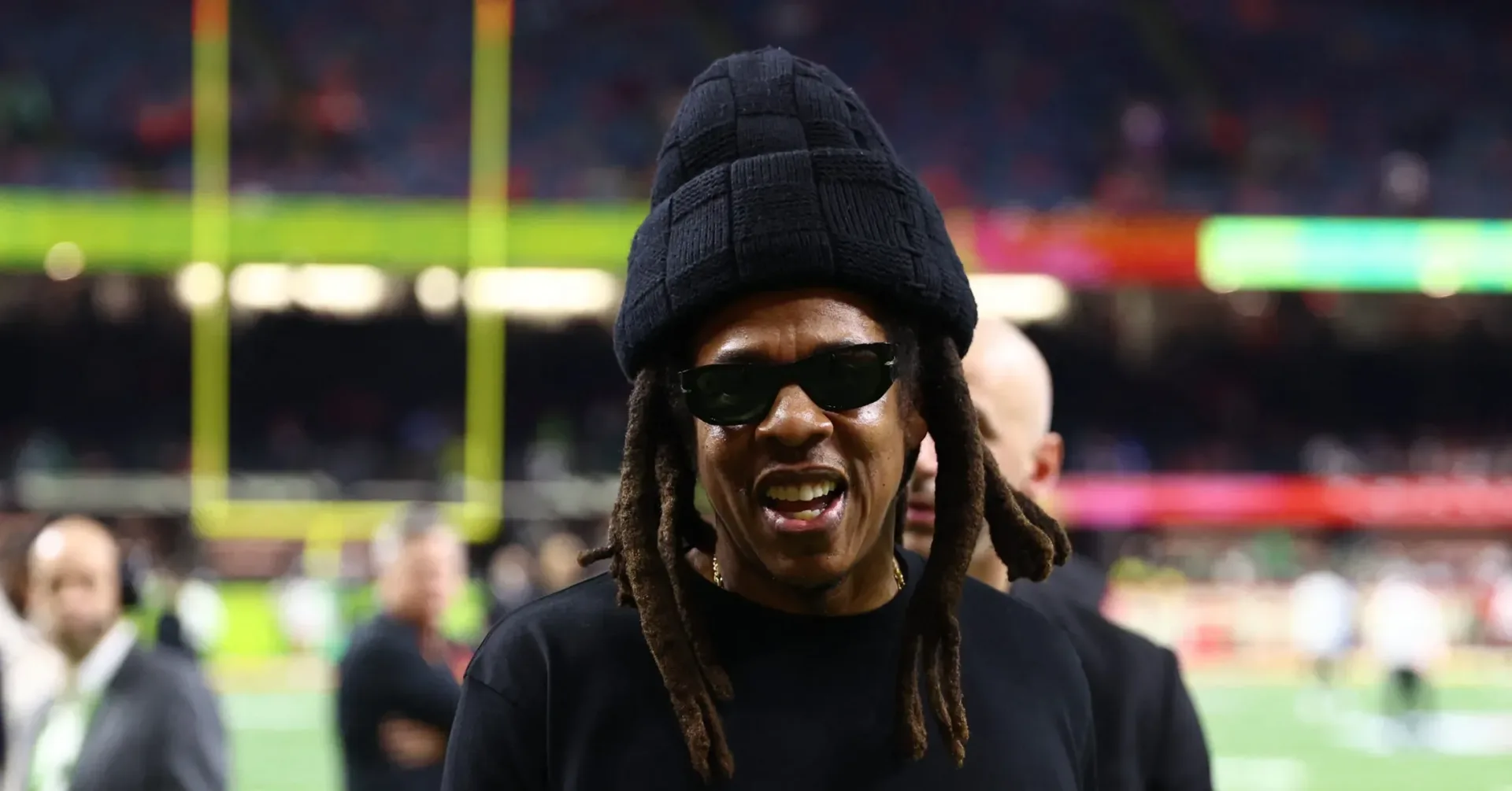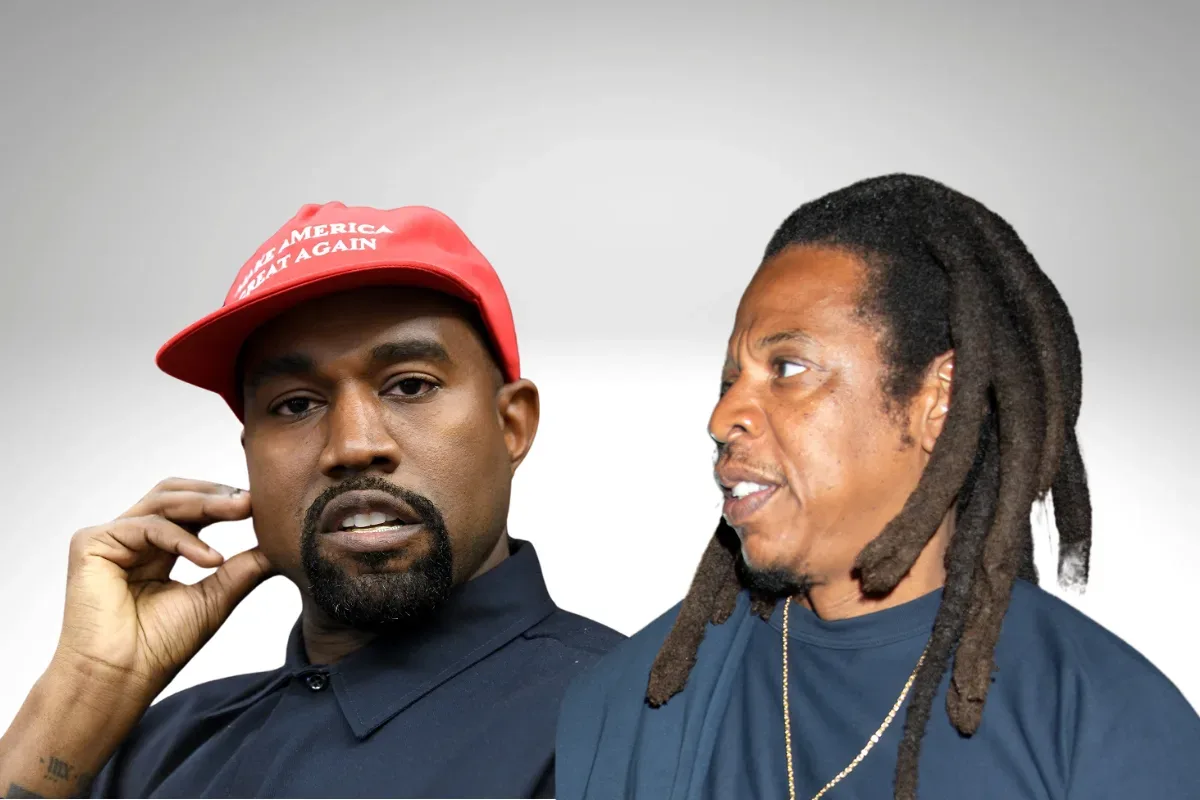
Jay-Z has addressed a long-running point of friction with Kanye West: West’s belief that Jay-Z working with Coldplay frontman Chris Martin amounted to a betrayal. The response arrives in episode seven of JAŸ-Z in 8, HBO’s documentary series structured around a two-day conversation between Jay-Z and producer Rick Rubin.
The disagreement has existed in plain sight for years because West put his perspective in “Big Brother,” from his 2007 album Graduation. In the song, West described telling Jay-Z about his work with Coldplay, then learning that Jay-Z had recorded with the band as well. West also acknowledged that he took the issue to executive Jay Brown rather than confronting Jay-Z directly.
Jay-Z’s new account does not deny that West was upset. Instead, it challenges the premise of the complaint. He told Rubin that it seemed as if West viewed Jay-Z’s song with Martin as a personal violation, despite Martin being Jay-Z’s friend and despite Jay-Z having introduced the two artists.
“It’s almost as if I betrayed him [Kanye] by having a song with him. Chris is my friend. I introduced them,” Jay-Z says in the series.
The timeline changes how the grievance reads
The collaborations matter because their sequence complicates any idea that Jay-Z suddenly moved into a creative relationship West believed was exclusively his. Martin appeared on “Beach Chair,” from Jay-Z’s 2006 album Kingdom Come. West’s Martin-assisted “Homecoming” arrived on Graduation in 2007. Jay-Z later appeared on Coldplay’s “Lost+” in 2008.
That ordering does not establish how either artist privately understood the situation. It does show, however, that Jay-Z and Martin’s musical association was public before “Homecoming” was released. Jay-Z’s recollection adds another key detail: he says he introduced West to Martin. Taken together, those points make the dispute less about who had access to a collaborator and more about the emotional weight West attached to recognition, proximity and creative momentum.
That distinction is important. A creative relationship is not ownership of another artist’s time, voice or future choices. Musicians can share friends, producers and collaborators without those ties becoming exclusive. Jay-Z’s position is that artists do not possess one another’s professional relationships. He says he can understand why West felt bothered while still judging the expectation behind that feeling to be unfair.
Jay-Z uses a sharper word for part of it: entitlement. In this context, he is not arguing that West had no emotions about the matter. He is drawing a line between feeling disappointed and treating a collaborator’s independent decision as disloyalty. That is a meaningful difference in a relationship where mentorship, competition and friendship were often intertwined.
Related coverage includes Jay-Z Revisits Kanye West’s Chris Martin Dispute in ‘JAŸ-Z in 8’.
Why “Big Brother” remains central
“Big Brother” gave the issue a durable place in the Jay-Z–West story. The song presented Jay-Z as a figure West admired intensely, but it also made room for frustration and rivalry. That mix helps explain why a collaboration involving Chris Martin could take on significance beyond a single recording session.
West’s account on the song framed the later Coldplay connection as a tense moment with a mentor he respected, competed against and, at times, resented. Jay-Z’s response in JAŸ-Z in 8 does not erase that framing; it supplies his interpretation of the same moment. For listeners, the value is not a newly manufactured feud but a clearer contrast between two ways of reading the relationship.
One reading treats access to a prominent collaborator as a symbolic test of loyalty. The other treats it as a normal outcome of separate artists maintaining their own friendships and careers. Neither view changes the documented release order, but Jay-Z’s explanation makes clear that he rejects the first as a fair demand.
A documentary conversation rather than an isolated reply
The setting also matters. JAŸ-Z in 8 is built around Rubin’s extended conversation with Jay-Z and uses Jay-Z’s catalog as a route into his life, lyrics and creative process. The Coldplay discussion is therefore part of a broader retrospective, rather than a standalone response designed only to revisit one old complaint.
Earlier episodes have covered Jay-Z’s Brooklyn childhood, his relationships with The Notorious B.I.G. and Tupac Shakur, his absent father, and the making of The Blueprint. Episode six revisited Jay-Z’s first meeting with West and examined “Kill Jay Z” and “Ignorant Shit” with Rubin. Episode seven continues that thread by allowing Jay-Z to answer a grievance that West had embedded in his own music nearly two decades earlier.
That catalog-focused approach gives the exchange a useful frame. Songs often preserve a feeling at the time of writing, not a complete account agreed upon by everyone involved. “Big Brother” preserves West’s frustration. Jay-Z’s comments preserve his rejection of the assumptions beneath it. The documentary’s contribution is putting those perspectives in proximity without pretending that one artist’s lyric can fully settle a complicated personal and professional history.
What the exchange says about collaboration
The immediate takeaway is narrow but resonant: collaboration networks are rarely tidy. In popular music, a singer, producer or band member may work with multiple artists whose own relationships are complicated. Shared collaborators can be creatively productive, commercially significant and emotionally charged at the same time. The existence of a shared connection does not, by itself, explain the tension around it.
Here, Martin’s role became a flashpoint because the relationship between Jay-Z and West carried more history than a conventional one-off partnership. Jay-Z’s statement suggests he saw Martin as an existing friend and a person within his own creative circle; West’s lyric shows that he experienced the subsequent situation differently. The dispute was not simply about a guest appearance. It was about what each artist believed closeness, introduction and loyalty should mean.
For viewers following the series, the episode offers a more direct answer from Jay-Z without claiming to resolve every part of the relationship. He understands that West could have been hurt, but he does not accept that hurt as proof of betrayal. In Jay-Z’s telling, the central error was the belief that another artist’s friendship or collaboration could be claimed as someone else’s territory.
The broader conversation around artists, catalog and authorship continues elsewhere in music reporting, including coverage of questions raised by track removals and music-distribution claims. This particular episode is about a different kind of control: not control over a recording, but over the expectation that a relationship should remain exclusive.
Jay-Z’s answer ultimately places “Big Brother” in a more specific light. He does not dispute that West voiced the concern or that their relationship held complicated feelings. He disputes that collaborating with Chris Martin was something for which he owed an apology. That response turns an old lyrical grievance into a present-day explanation of where Jay-Z draws the boundary between empathy and obligation.