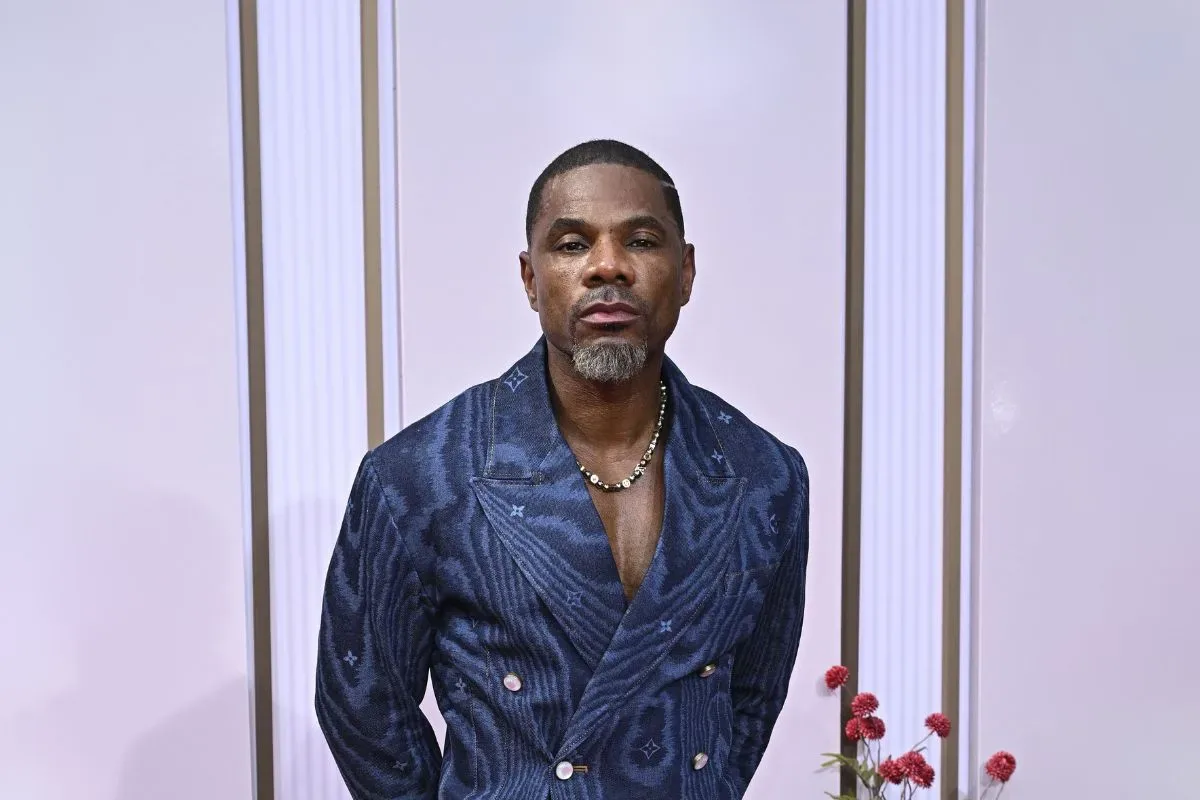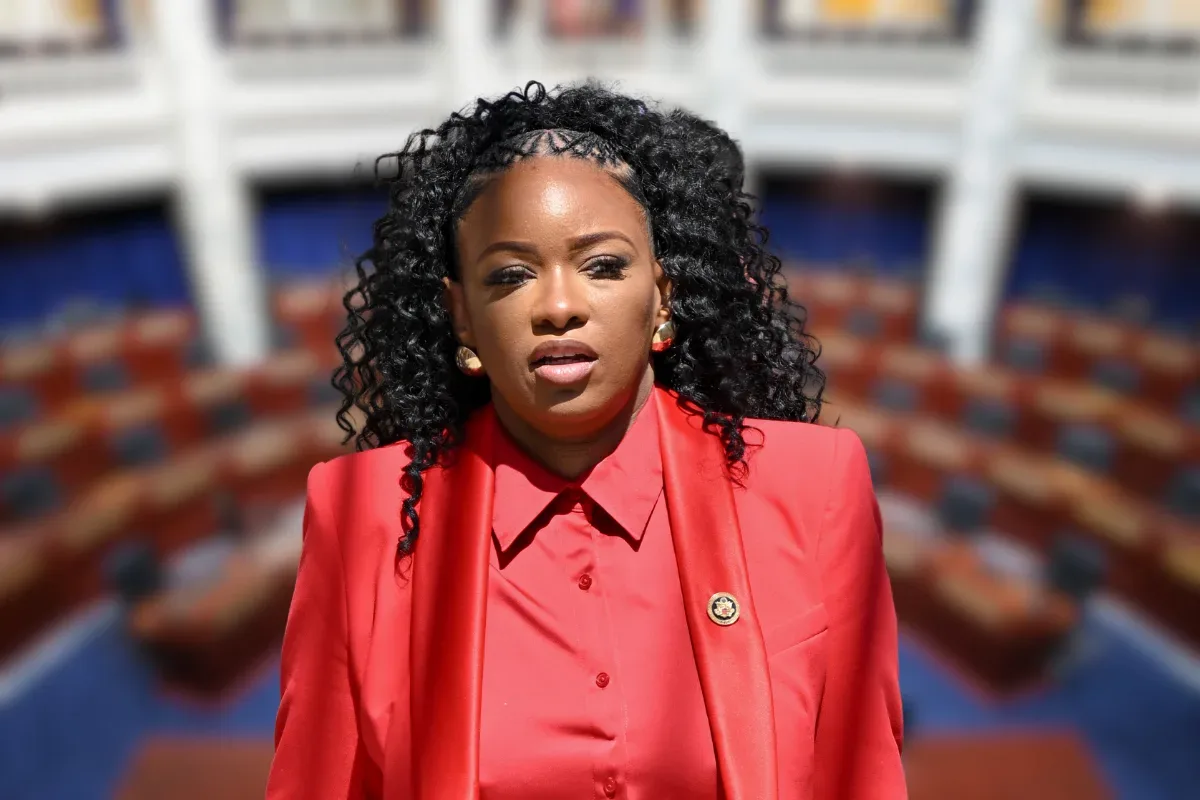
A concert-stage recognition for Chris Brown and Usher has turned into a broader argument about celebrity, accountability and politics after Rep. Jasmine Crockett appeared at AT&T Stadium in Arlington, Texas, on September 12.
Crockett took the stage alongside Texas state Rep. Venton Jones and producer Roccstar during the artists’ large-scale Texas show. The group presented congressional recognition to both R&B performers, citing their musical careers, enduring presence in popular culture and influence on the genre. For the crowd, it was a celebratory interruption in a stadium event built around two performers with decades of hits. Outside the building, it rapidly became a flashpoint.
The strongest criticism of Crockett’s appearance focused on Chris Brown’s past rather than the purpose of the recognition, while Usher’s inclusion received considerably less attention. That difference is central to why the moment has resonated beyond a typical concert cameo: Brown’s career achievements and public support remain inseparable, for many observers, from his history of violence and later legal controversy.
A celebration of R&B in a Texas stadium
Onstage, Crockett framed the presentation as an acknowledgment of a communal experience rather than merely an award for celebrity status. She described the sold-out setting as an example of Black joy and said she wanted the moment recorded at the congressional level. She also delivered a pointed joke about Washington, D.C., saying that while the capital has plenty of “scammers,” the audience had a real one onstage.
Crockett specifically shouted out Brown as he stood nearby. Brown later embraced the congresswoman and thanked the Dallas-area audience for its long-running support. His response was informal and emphatic, matching the energy of a crowd that had turned out in force for the show.
The recognition was described as honoring artistic impact, cultural relevance and longevity. Both Brown and Usher have sustained high-profile R&B careers across multiple eras of the music business, and the stadium presentation placed that history at the center of the evening.
Usher has previously characterized the pair’s stadium run as an opportunity to demonstrate R&B’s cultural reach beyond the accomplishments of either individual artist. The next listed stops are two SoFi Stadium dates in Inglewood, California, scheduled for September 25 and September 26.
Why the response centered on Chris Brown
Political and conservative media criticism quickly homed in on Brown. Coverage of the event emphasized his record rather than the stated celebration of musical influence, and some commentary mocked Crockett’s role onstage as overly enthusiastic. The reaction also came with unmistakable partisan framing, given Crockett’s high national profile and her frequent clashes with Donald Trump and Republican figures.
But the facts behind the criticism are serious and should not be treated as a mere rhetorical weapon in an online political skirmish. In 2009, Brown pleaded guilty to assaulting Rihanna. The case resulted in probation, community service and domestic-violence counseling after an attack that was widely condemned.
Brown has also faced later legal trouble. In connection with an incident involving music producer Abraham Diaw at a London nightclub in 2023, he admitted an affray charge. Those events have shaped the way audiences, commentators and institutions evaluate any honor associated with him.
That history means it is understandable that a congressional-style recognition of Brown prompted objections. A document or presentation celebrating cultural contributions does not erase past conduct, and critics argue that public honors can appear to minimize or sidestep the damage associated with it. Supporters of the Arlington moment, meanwhile, have focused on his body of work, audience loyalty and the narrow stated basis for the recognition.
Those positions do not neatly cancel each other out. They reflect the uncomfortable reality of public memory around artists whose work remains deeply popular while their actions have caused lasting harm.
Recognition is not a full endorsement of a life
Official recognition often creates this tension because it compresses a complex person into a short ceremonial message. Honors typically identify a specific accomplishment: a championship, a charitable campaign, a creative milestone, a local business achievement or, in this case, an entertainment career and cultural influence. They rarely function as a complete judgment of every choice made by the recipient.
Still, public officials are not neutral participants when they lend an office, title or congressional record to a moment. The setting changes the stakes. A fan cheering at a concert may be expressing excitement about songs, choreography and nostalgia. An elected representative appearing at an event can reasonably be understood as conferring a different layer of legitimacy, even if the text of the recognition is limited to artistry.
The distinction is important, but it cannot make controversy disappear. Crockett’s presentation recognized Brown and Usher’s entertainment work, not their private lives or every aspect of their public records. Yet Brown’s past is sufficiently prominent that any major celebration involving him is likely to reopen the same debate.
There is also a difference between confronting that complication and deploying it selectively. The criticism surrounding the Arlington appearance was amplified by Crockett’s political opponents. Her prominence has made her a regular target of adversarial coverage, and a concert appearance offered an easy visual for those already inclined to portray her negatively.
Selective outrage is not the same thing as a principled concern, although it does not automatically make the concern invalid. Brown’s past deserves clear, accurate acknowledgment regardless of who brings it up or why. At the same time, evaluating Crockett’s decision requires separating the real ethical question from the predictable incentives of a political media cycle.
Usher’s quieter role in the controversy
Usher was one of the two performers honored on September 12, but most backlash revolved around Brown. That imbalance demonstrates the degree to which Brown’s public history dominates conversations even in shared billing and shared ceremonial moments.
It also underscores the purpose of the event from the organizers’ perspective: the presentation was positioned as a recognition of R&B’s sustained impact, not simply a tribute to one artist. Usher’s long career is a major part of that story, from his early recordings through his status as a central figure in mainstream R&B and pop performance.
Brown’s commercial longevity, performance reputation and committed fan base likewise explain why he continues to fill arenas and command intense crowd reactions. None of those facts alter the gravity of the assault case or eliminate criticism of institutional recognition. They do, however, explain why the Arlington audience and Crockett’s onstage remarks treated the night as a cultural celebration.
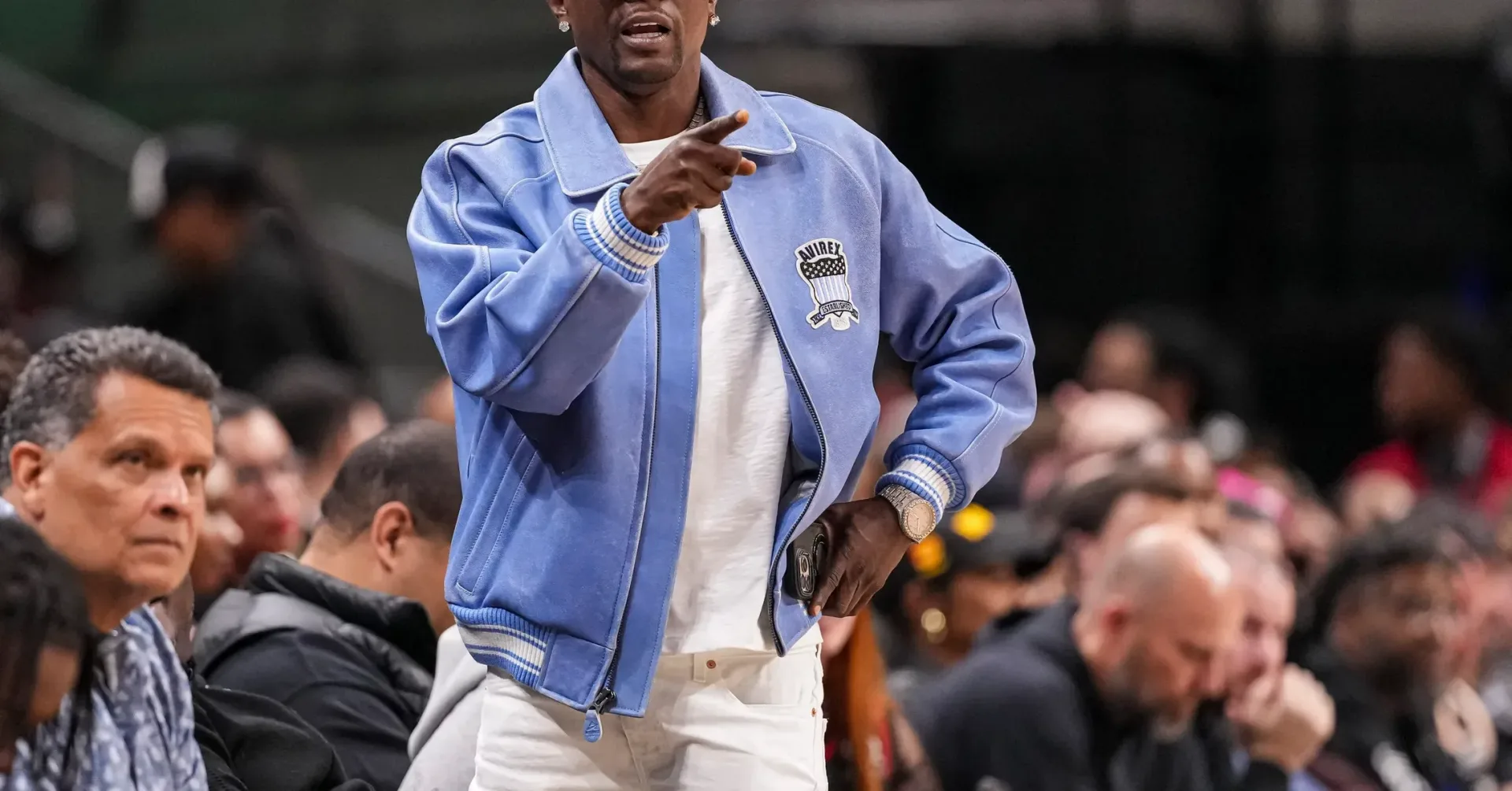
For readers following how celebrity narratives get shaped on television and online, similar disputes often hinge on what context is foregrounded and what is omitted. Boosie Badazz’s criticism of context in a televised profile is another recent example of entertainment figures contesting how public narratives are assembled, though the facts and stakes are distinct.
The larger culture-war loop
The Arlington reaction follows a familiar modern pattern. A live entertainment moment is clipped, reframed and circulated through political identity. One side celebrates representation, cultural recognition and a politician visibly participating in a joyful hometown event. Another side presents the same footage as evidence of poor judgment, with Brown’s record serving as the defining context.
Both the celebratory footage and the critical response can be understood without pretending that the occasion was simple. Crockett emphasized Black joy and the cultural record of R&B. Her critics emphasized Brown’s 2009 guilty plea and questioned whether he should receive such recognition. The essential facts of the appearance support both descriptions: it was indeed a celebration, and it was also predictably controversial.
What should be resisted is the temptation to reduce it solely to a partisan gotcha or, conversely, to treat any scrutiny as bad-faith political hostility. The former turns domestic violence into a convenient prop. The latter dismisses a legitimate question about whom public officials choose to honor.
As the R&B tour moves on to its California dates, the Arlington presentation will likely remain a short but potent artifact of the collision between pop culture and politics. It showed the durable force of both artists’ careers, the intensity of Brown’s loyal audience and the way an elected official’s few minutes on a stadium stage can trigger a national argument far beyond the music.