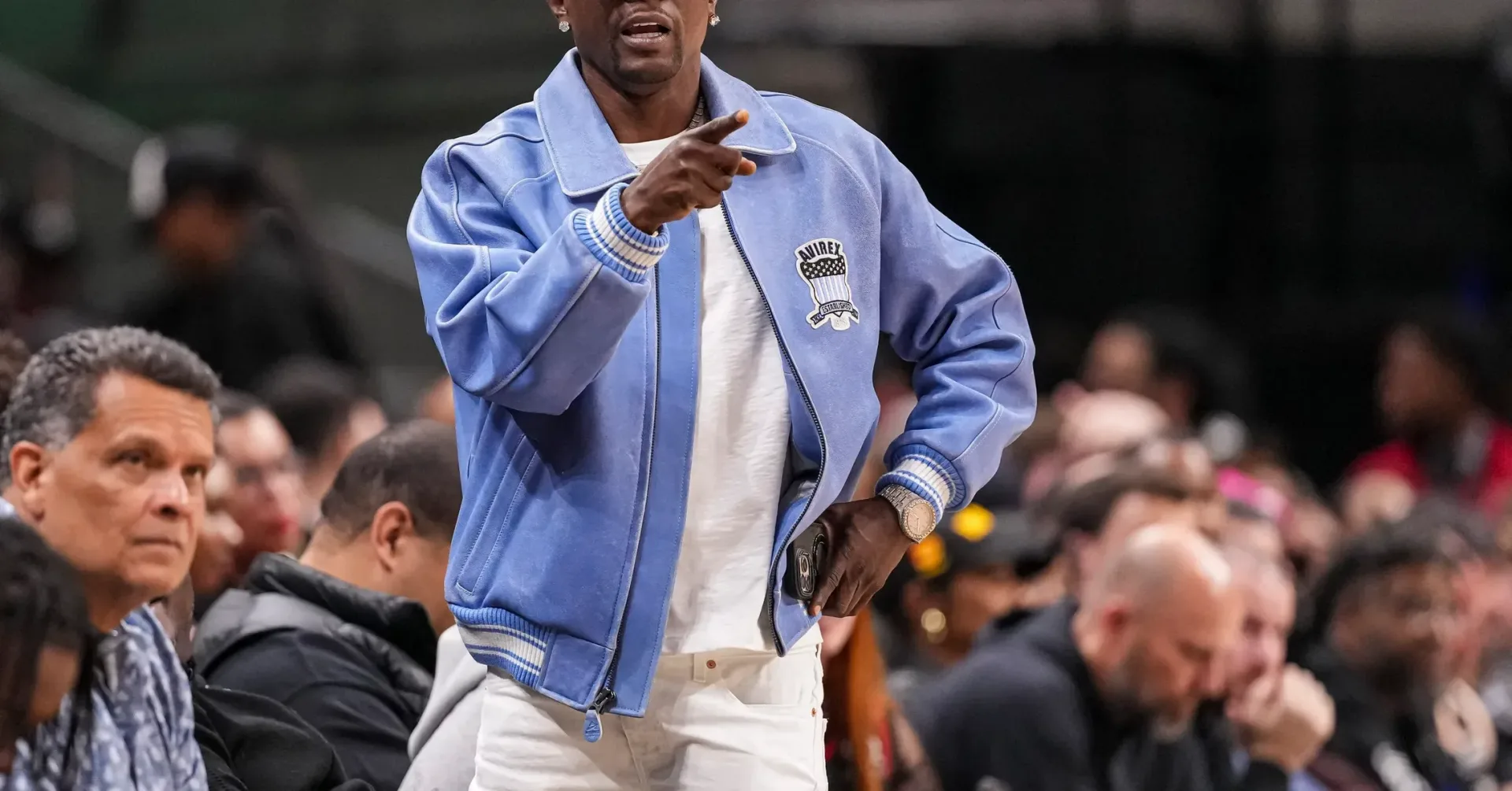
Boosie Badazz has publicly objected to the way a recent 60 Minutes segment presented his ongoing dispute connected to a sought-after presidential pardon. The rapper says he gave the program a full hour of his time, but believes the broadcast omitted details he considers essential to understanding why he pursued a pardon, what he says he was told by others, and why he is now seeking compensation through civil court.
At the center of the matter is Boosie’s allegation that he paid $600,000 to two lobbyists who represented that they could assist him in securing a pardon related to a gun charge. A pardon did not materialize. Boosie has subsequently sought to recover the money, while also arguing that the broader circumstances deserve a fuller legal and public accounting.
The musician’s frustration is not simply that a television segment condensed a complicated story—although television does tend to turn sprawling disputes into something that fits between commercial breaks. His stated concern is that the missing context changes the perceived purpose of his actions. In his view, the interview did not adequately show that he had already sought legitimate avenues for having his case considered before the alleged dealings with the lobbyists became the focus.
What Boosie says was left out
In a social-media response after the program aired, Boosie said he had discussed a prior White House meeting with the person he described as the “pardon czar.” He said he used that meeting to explain why he believed a pardon was appropriate. He also said he believed “Ms. Alice” could help with the effort, though he did not expand in the supplied remarks on that person’s exact role or involvement.
Boosie’s account indicates that the legal picture was not static. He said a judge dismissed a case several months later, which, from his perspective, meant further intervention was no longer needed at that moment. He then said the matter returned with what he described in his post as a new charge involving being an “attack around a firearm.” His later wording suggests he may have intended to refer to an “addict” allegation rather than “attack.”
He challenged that characterization directly, saying he has never been to rehabilitation. That statement is his personal response to the label; it does not, by itself, resolve the nature, status, or legal merits of any charge. The available account does not provide court filings, a case number, the precise language of the allegation, or a ruling on that issue.
That absence of detail is precisely why careful wording matters here. Boosie is making serious claims about what others allegedly promised him, how those promises were framed, and the consequences he says followed. The allegations should be understood as allegations unless and until they are established through court proceedings or supported by independently documented findings.
The $600,000 allegation and the pardon claim
Boosie maintains that the two lobbyists told him the president had signed a pardon. He described that claim in especially forceful terms, alleging that there was proof the lobbyists made the representation. The provided material does not identify the lobbyists, describe the evidence, or include their response. It also does not establish whether any pardon document existed, whether a pardon was formally submitted for consideration, or whether anyone with government authority confirmed the claim.
Those distinctions are important. A pardon discussion, a request for a pardon, advocacy surrounding a pardon, and a completed pardon are four very different things. Public figures can be approached by consultants, intermediaries, lobbyists, lawyers, and political operators with varying degrees of access or claimed influence. But influence is not authority, and a promise that a result can be obtained is not the same as the result itself.
Boosie says his desired outcome was not merely repayment. He said he wanted the president to review his case alongside “Ms. Alice” and determine whether it warranted a pardon. He also wanted consideration given to his assertion that people wronged him by allegedly invoking the president’s name while making promises they could not deliver.
In other words, Boosie frames the controversy as two connected tracks: a request for clemency in relation to his legal history, and a civil dispute over money he says was paid on false premises. One does not automatically decide the other. A person can seek clemency while also claiming to have been deceived by people who said they could help. Likewise, dissatisfaction with a media portrayal is separate from the legal question of what any party said, accepted, promised, or delivered.
Why the interview format became part of the dispute
Television interviews frequently create friction when a subject enters with a long chronology and the final broadcast uses only selected portions. A one-hour conversation may include background, clarifications, emotions, disputed claims, documents, legal terminology, and personal history. The finished segment, however, has its own time limits and editorial structure. That gap can leave interviewees feeling that the version viewers saw was technically connected to what they said but incomplete in the way that matters most to them.
Boosie’s complaint fits that familiar tension. He says he gave information about his earlier White House contact and the later shifts in his case, but felt those elements were not sufficiently reflected in the aired piece. His criticism does not establish that the segment was inaccurate; rather, it makes clear that he believes its framing did not convey the complete rationale behind his pardon effort or his civil claims.
For audiences, the sensible response is to keep the chronology straight. Boosie says there was a prior discussion at the White House about why he sought a pardon. He says a judge later dismissed a case, reducing the need for assistance at that point. He says another firearm-related allegation followed. And he says he paid lobbyists who allegedly claimed they could get a pardon accomplished, including a purported claim that it had been signed. Each part adds context, but each also carries different factual and legal questions.
That distinction can be easy to lose once a story becomes a television moment, a social post, and then a headline cycle. It is also a reminder that viewers of major broadcast interviews may want the same practical details they seek from other TV coverage—when it airs, where it streams, and what the program actually includes. For viewers tracking the medium more generally, our guide to watching the 2026 Emmys live covers another major television event with its own schedule and platform questions.
Boosie points to civil court
Boosie said he hopes the televised interview will nevertheless support his point in civil court. He wrote that he believes he should be compensated “x 10,” an expression of the scale of damages he feels is justified. The statement is a demand from Boosie, not a reported court award or a confirmed amount sought in a filed complaint.
Whether a civil case produces compensation would depend on the claims brought, available records, applicable law, witness testimony, contractual terms if any existed, and the defenses raised by the people accused. None of those questions can be answered merely from an interview or a social-media statement. The supplied material does not specify the current status of a civil filing, a hearing date, or any judgment.
For now, the clearest development is Boosie’s insistence that his public story is broader than the version he believes television audiences received. He remains focused on both the unfulfilled pardon effort and the money he says he paid. His comments suggest he wants the dispute evaluated not as a simple failed political favor, but as an alleged misrepresentation that affected his legal hopes and cost him a substantial sum.
As with any unfolding dispute involving public figures, political access, money, and criminal-law matters, the most reliable next steps will be concrete ones: identifiable court records, filings, responses from the accused parties, and verifiable government documentation. Until then, Boosie’s latest comments are best read as a strongly worded account of what he says happened—and of why he feels the televised version did not tell the whole story.