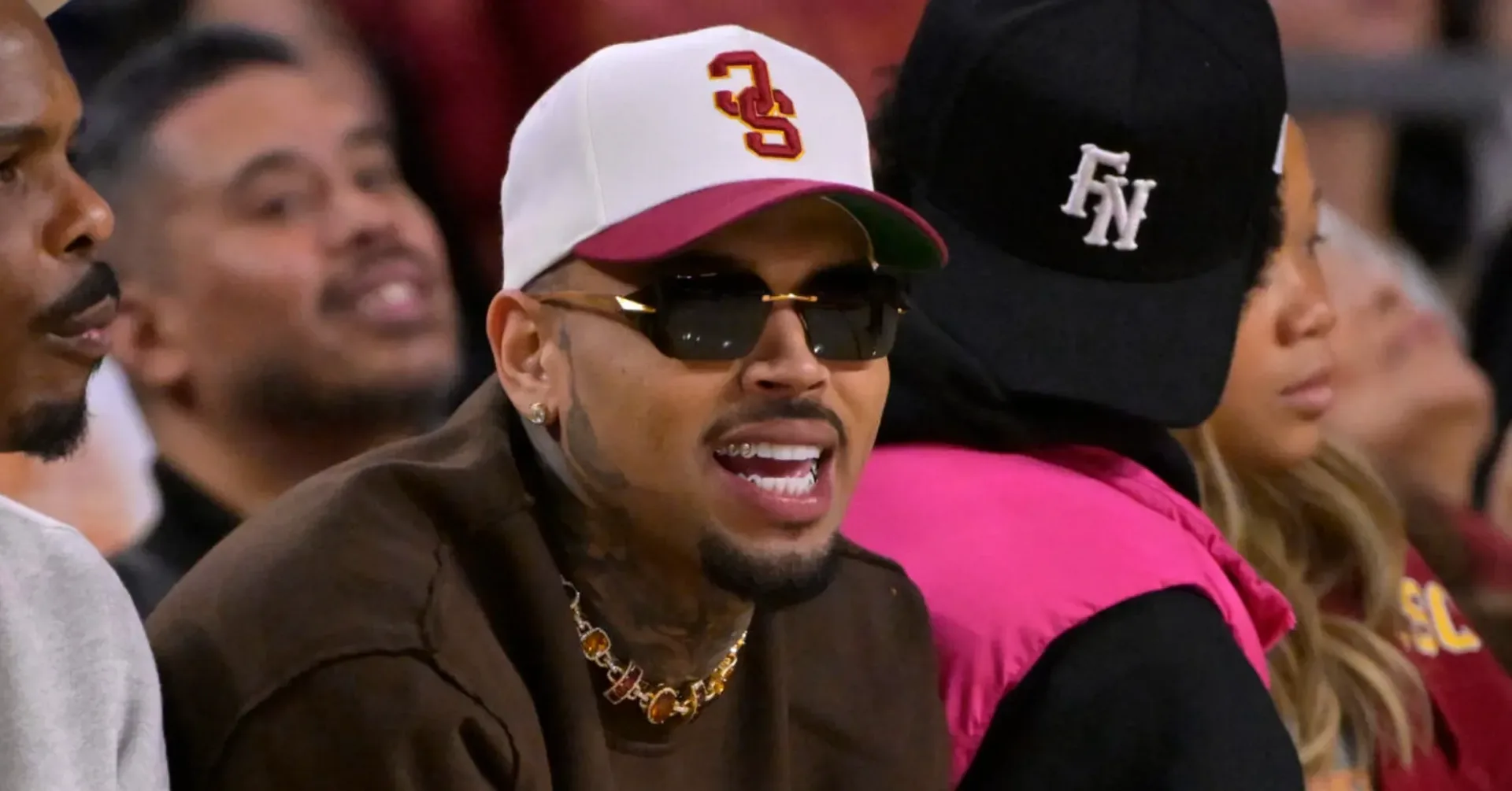
Chris Brown has publicly rejected a State of Texas legislative recognition after the lawmaker who presented it, State Rep. Venton Jones, apologized for the harm the decision caused Black women and survivors of domestic violence.
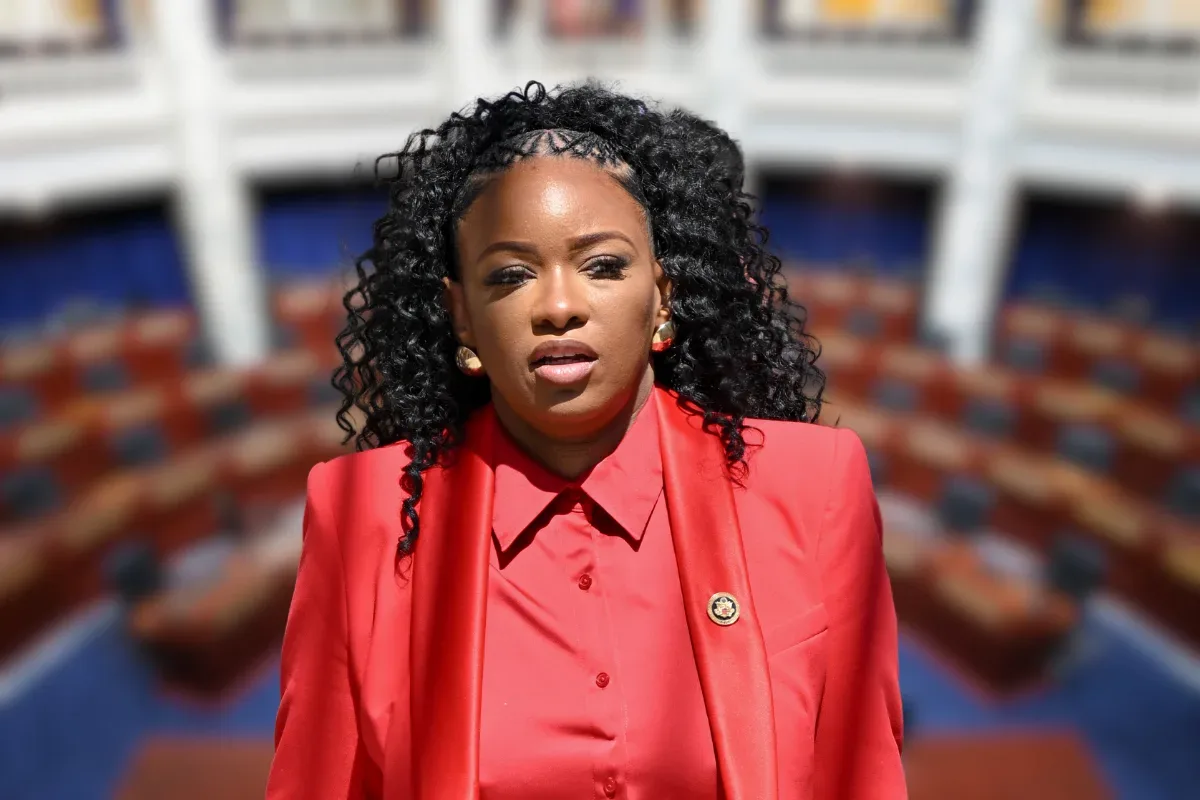
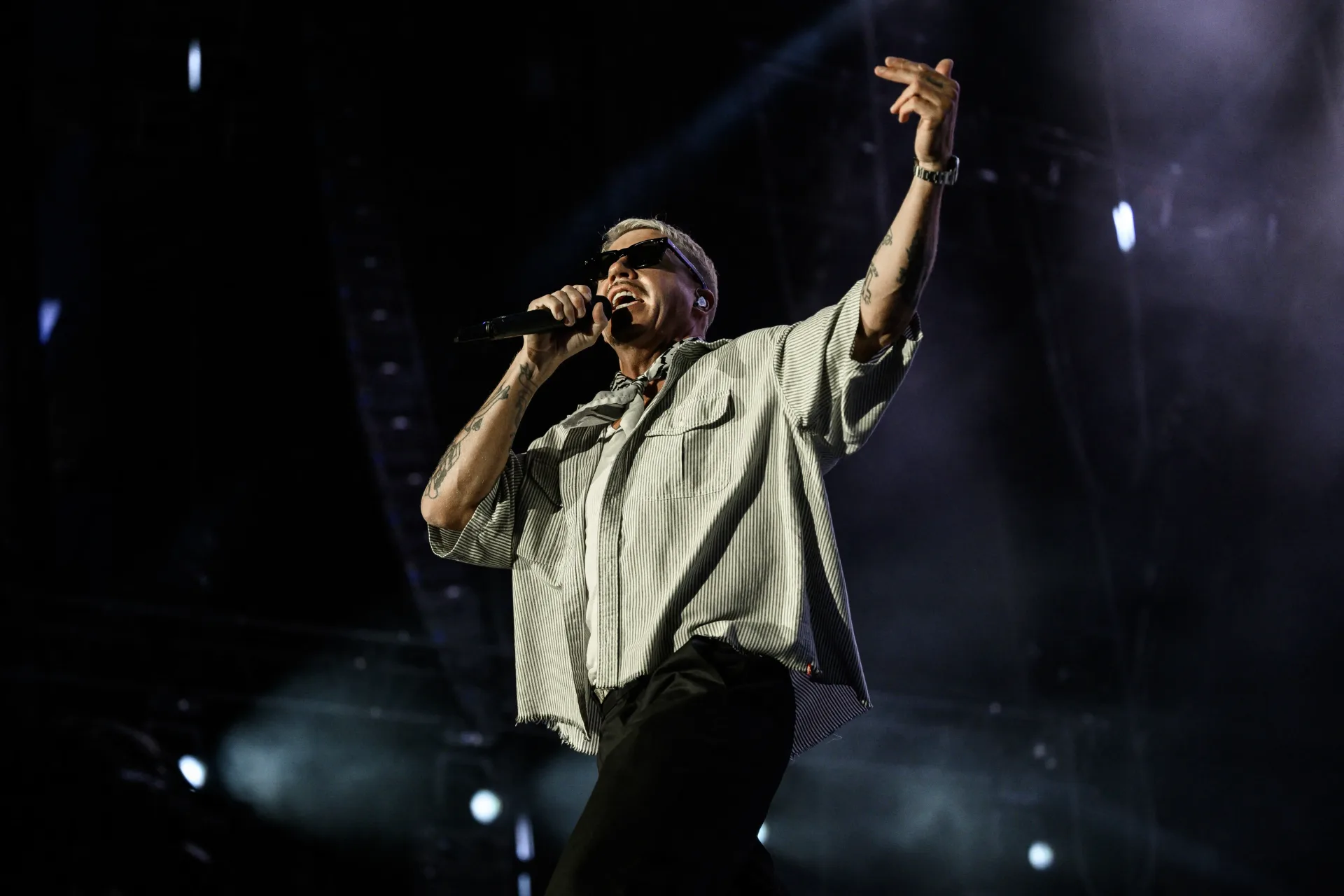
The dispute followed Brown and Usher’s September 12 concert at AT&T Stadium in Arlington. Jones presented Brown with the state recognition, while U.S. Rep. Jasmine Crockett entered both artists into the Congressional Record for their musical contributions. Those were separate actions by separate lawmakers, a distinction that matters now that Brown has singled out Jones’s recognition for rejection.
In an Instagram response, Brown said Jones could keep the award. Brown’s central complaint was not that he had sought the honor and been denied it; he said he had not asked for it in the first place. He argued that the lawmakers approached him and that Jones changed course only after public criticism made the appearance politically costly.
Brown also said his Dallas shows had already sold out and asked politicians and critics to leave him alone so he could focus on the fans attending his tour. At the time of writing, it is unclear whether he intends to physically return the state recognition or whether his post is solely a public rejection of it.
What Jones apologized for
Jones addressed the controversy in an interview and in a separate written statement. His apology was directed specifically to Black women and people who have experienced domestic violence. He said the intent behind honoring Brown was not to revive trauma connected to the singer’s past, but acknowledged that doing so had hurt people.
In the written statement, Jones said his decision had helped sideline Black women’s safety and lived experiences. That is the core issue at the center of the backlash: not whether a concert crowd can enjoy an artist’s work, but what it means for an elected official to attach an official public recognition to an artist whose history includes a felony assault conviction for violence against a woman.
Brown pleaded guilty to felony assault after attacking Rihanna in 2009. Other women have made allegations against him in later years, with some matters leading to civil litigation or restraining-order proceedings. Those allegations have had different legal outcomes and should not be merged together or represented as collectively proven facts.
That legal distinction does not erase the significance of the 2009 guilty plea, which is why the honor drew an immediate and particularly personal response from critics. Jones’s apology recognized that public recognition from government can carry a message beyond its stated purpose, especially for people who feel their safety and experiences are already dismissed in public life.
A concert appearance intended for voter outreach became the story
Jones said he and Crockett were initially involved with the event as part of voter-outreach efforts ahead of the November election. The stated aim was to encourage political participation among concertgoers. The recognitions, however, became the most visible part of the lawmakers’ appearance and overtook that voter-engagement message.
That sequence is important because it explains why there are several related but nonidentical questions in circulation:
- Jones’s State of Texas legislative recognition was presented to Brown and is the item Brown has now publicly rejected.
- Crockett’s Congressional Record entry recognized both Brown and Usher for their music contributions.
- The lawmakers’ attendance also had a voter-outreach purpose, though that purpose became secondary in the public discussion.
Brown’s response to Crockett differed from his response to Jones. A day before he dismissed Jones’s recognition, Brown thanked Crockett and said he was sorry she was receiving backlash. Crockett has not issued a comparable public apology regarding her involvement.
The differing responses show that Brown is objecting specifically to what he sees as Jones’s retreat after presenting the state honor, rather than rejecting all recognition connected to the concert. Brown characterized Jones’s apology as political self-protection. Jones, meanwhile, framed it as accountability to people harmed by the choice.
Why the distinction between a recognition and the Congressional Record matters
“Entered into the Congressional Record” can sound like an award, but it is not the same thing as a state legislative recognition. The Congressional Record is the formal record of congressional proceedings and material submitted by members. In this instance, Crockett used that venue to recognize Brown and Usher’s contributions to music.
Jones’s action was a separate state-level recognition. Brown’s latest post says he does not want that recognition, while the Congressional Record entry remains in place. There is no indication that Brown’s public rejection has changed Crockett’s entry.
The difference is more than procedural trivia. Treating the two honors as one would blur who did what and obscure the actual dispute. Jones has apologized for his role in presenting the state recognition. Brown has said he wants no part of it. Crockett’s Congressional Record entry remains a distinct action, and Brown previously responded to her with gratitude.
Analysis: why official honors invite a different standard than celebrity praise
Fans, promoters, fellow artists and elected officials do not occupy the same role. A packed concert and sold-out dates can demonstrate commercial demand. They do not, on their own, communicate an institutional judgment about whom the public should celebrate. A legislative recognition does.
That does not mean every official acknowledgment amounts to an endorsement of every part of a recipient’s life. Public figures have complex careers and records. But an honor inevitably elevates someone in a civic setting, and the public is entitled to ask what values that elevation signals. In a case involving a performer who pleaded guilty to felony assault for attacking Rihanna, that question was bound to be sharper than usual.
Jones’s apology did not challenge Brown’s success or deny that he has fans. Rather, it addressed the impact of placing an official honor alongside a record that has caused real trauma and concern for survivors. Brown’s reply did not engage that impact directly. Instead, he objected to the timing and motive of Jones’s apology, maintaining that he had been minding his own business and never requested the recognition.
Both positions illuminate the gap between intention and impact. Jones said the recognition was not intended to reopen wounds. People objecting to it said the result still did. Brown says he did not solicit the honor and should not have to carry the political fallout from a decision made by lawmakers. Yet, because it was presented to him publicly, the conflict now belongs to all parties involved.
It is also a reminder that “backlash” is an imprecise word. It can be used to flatten substantive criticism into a vague online reaction. Here, the criticism concerned domestic violence, the decision to honor an artist with a felony assault conviction, and the feeling among Black women that their safety had been made secondary. Jones explicitly acknowledged those concerns rather than describing them as mere inconvenience.
What remains unresolved
The practical status of the State of Texas recognition has not been clarified. Brown may return it, or he may simply continue to reject it publicly. His statement did not confirm a physical handover. The Congressional Record entry made through Crockett remains in place.
Nor has the controversy erased the original voter-outreach rationale for the lawmakers’ appearance. It has, however, demonstrated how quickly an official gesture at a celebrity event can eclipse its intended political purpose. When a recognition becomes the headline, it receives scrutiny not only as a tribute to artistic work but as a decision made in the public’s name.
For readers following how entertainment, institutions and public accountability overlap, the broader conversation has parallels with debates about culture’s public-facing authority, including questions raised when film’s future, creative work and public responsibility share the same stage. In Brown’s case, though, the immediate facts are straightforward: Jones apologized for presenting the Texas recognition; Brown says he does not want it; and Crockett’s separate Congressional Record entry has not changed.