Film’s next act is not being pitched as a clean break from the past. At the Toronto Film Festival, a group of actors, directors, producers and cinematographers instead described an industry trying to hold several competing ideas in the same frame: bigger creative access, more routes for artists to make work, meaningful progress on representation, and an insistence that technology must remain subordinate to people.
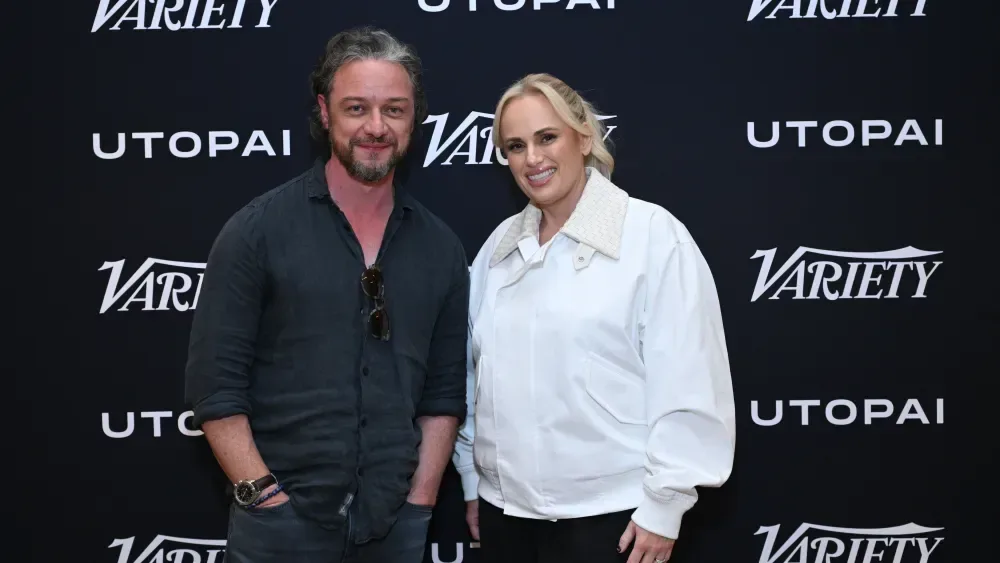
That balancing act ran through conversations involving James McAvoy, Rachel Morrison, Rebel Wilson, Liz Garbus, Carsten Kurpanek, Stephanie Ahn and Basil Iwanyk. Artificial intelligence was part of the discussion, but it was not the only story. The practical realities of financing independent work, the difficult jump to larger budgets for women filmmakers, the responsibilities of moving from acting into directing and producing, and the collective pleasure of moviegoing all emerged as connected concerns.
The mood was optimistic, if not naive. Film is facing production pressures and corporate consolidation, while generative AI has raised fundamental questions about labor, authorship and the value of handmade creative work. Yet the participants’ recurring point was straightforward: a tool can potentially widen what filmmakers can make, but it cannot be allowed to replace the human perspective that makes a story worth telling.
James McAvoy on the less glamorous job behind the camera
McAvoy’s festival relationship now looks very different from his early visits as an actor. He first attended two decades ago with The Last King of Scotland. More recently, he has arrived as a filmmaker with much more to do than promote a performance and leave town.
His feature-directing debut, California Schemin’, follows two Scottish rappers who pose as Americans in pursuit of a record deal. It is scheduled to open in U.S. theaters on October 9. The project put McAvoy in the position of director and producer, roles that bring creative control but also a direct encounter with the machinery that decides whether an independent movie gets made.
As an actor, McAvoy said he could once more easily move through a festival: arrive, support the movie, depart. Directing and producing require a separate labor force of meetings and relationships, particularly with financiers. That is a useful reminder of what the producer title means in this setting. A producer can have artistic input, but the work also involves assembling the conditions for production: funding, schedules, personnel and difficult decisions. For an independent film, the financing conversation is not background noise. It is often the difference between an idea existing as a script and becoming a finished feature.
McAvoy joked that entering that side of the business had turned him into the type of producer he never hoped to become. The joke had an edge, reflecting his awareness of the power imbalance performers can experience during a long acting career. But the larger observation is less about cynicism than perspective. Moving behind the camera changes an artist’s relationship to a film from one department of its creation to the entire, expensive and sometimes uncomfortable process.
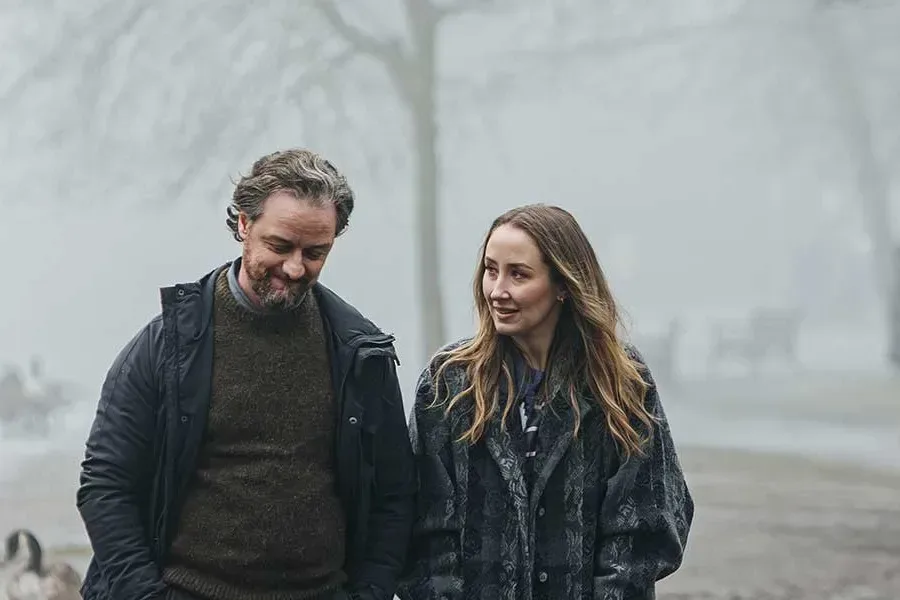
He also returned to Toronto for Faith, a British supernatural drama directed by Paul Andrew Williams and co-starring Erin Doherty. McAvoy plays Michael, a mysterious man who helps a single mother face an unimaginable loss. He described the film as concerned with pain, grief and trauma, while its title asks the audience to extend some faith to the film itself.
That combination of supernatural framing and emotional damage points to an important distinction: genre is not necessarily an escape from serious subject matter. A supernatural drama can use mystery or the uncanny to approach loss indirectly, rather than reducing grief to a tidy lesson. McAvoy’s description suggests Faith is interested in that emotional territory, though its ultimate approach will be for audiences to discover.
McAvoy also pushed back on the cultural reflex to remain fixed on familiar franchises and past characters, including X-Men. The argument was not that past work lacks value. It was that attention is finite, and an industry that spends too much of it looking backward makes it harder to surface emerging actors, stories, storytelling styles and platforms. For somebody now trying to launch projects rather than solely appear in them, that is a particularly practical concern.
Rachel Morrison and the budget barrier that remains
Rachel Morrison brought her second directorial feature, Love of Your Life, to the festival after her first film, The Fire Inside, debuted there in 2024. The new romantic drama stars Margaret Qualley as Maya, an emergency-room nurse whose love life leads into a process of self-discovery.
Morrison, who began as a cinematographer, described finding a strong creative alignment with Qualley. That matters especially in a film built around a lead who appears in nearly every frame. A performer’s investment is not merely a pleasant bonus when the camera returns to that character scene after scene; it is central to the film’s emotional continuity. Morrison saw in Qualley an enthusiasm for the character and an understanding of the movie’s aims.
Julia Cox wrote the screenplay, but Morrison recognized connections between the material and her own life, including experiences of loss, grief and transformation. Her stated goal was not to scrub those emotions into an overly neat version of hardship. Instead, she sought a drama that could be grounded and emotionally truthful while retaining beauty, hope and love. That is a meaningful creative aim for a romantic drama, a genre frequently governed by familiar expectations. Morrison’s view that rules can be broken and tropes bent is not a rejection of genre; it is an argument that genre conventions should serve the story rather than dictate it.
Her wider comments centered on an obstacle that achievements alone have not removed: access to scale. Morrison became the first woman nominated for the Academy Award for cinematography for her work on 2017’s Mudbound. Only four women have received that nomination. Autumn Durald Arkapaw later became the first woman to win the cinematography Oscar for Sinners, and Morrison had recommended Arkapaw for Black Panther: Wakanda Forever, beginning Arkapaw’s working relationship with Ryan Coogler.
Those milestones matter, but Morrison cautioned against treating them as proof that the structural issue is resolved. She pointed to the different assumptions that can greet women when they seek to make the jump from a modestly budgeted film to a far more expensive one. Morrison said her work on projects including Black Panther means studios are less intimidated by her when budgets rise. Others, she argued, are not granted comparable confidence, even when male peers with similarly limited experience are.
In plain terms, this is a greenlight problem. A greenlight is the decision to commit the money and institutional support required to make a project. The question is not only who gets credited on a smaller film, but who receives the chance to prove themselves at the next financial tier. Morrison’s critique is that the industry too often calls women “untested” while overlooking that comparable male filmmakers are also untested at that scale.
Thirty-five percent of films at this year’s Toronto lineup were directed or co-directed by women, a figure that signals movement without establishing parity. It is progress worth identifying accurately: representation in a festival slate and equal access to high-budget opportunities are related, but they are not the same measurement. Morrison’s comments underline why both need attention.
AI as a tool, not the author
The festival conversation arrived amid growing anxiety around AI, but the panel did not frame every technological use as inherently hostile to filmmaking. Its more specific position was that tools may reduce costs and open doors for independent creators, provided people remain in charge of the creative work.
That distinction is crucial. “AI” is a broad label, and in this discussion it was considered in terms of possible utility and affordability rather than as a substitute for artists. Wilson and Ahn discussed its potential to lower costs. Kurpanek’s point was that greater affordability can let more stories be told. Ahn described using the technology to support, rather than replace, the human core of independent filmmaking.
Cost matters because filmmaking is resource-intensive. Even a small production must contend with the demands of development, production and post-production. If a tool genuinely reduces a burden without taking authorship away from the people making the work, it could give more filmmakers room to execute an idea. That is the hopeful case.
The caution is equally clear. Kurpanek argued that human creativity should remain upfront, with actors driving performances and jokes not being written by a machine. This is not simply a philosophical objection to new software. Performance, comic timing and character-specific choices are all shaped by interpretation. A performer and a creative team adjust to each other; they bring judgment, instinct and lived perspective. The panel’s preferred model is therefore human-led filmmaking that uses technology as an aid, not as the source of the movie’s voice.
Iwanyk similarly envisioned AI becoming a useful, normalized tool for filmmakers—particularly younger filmmakers—once its place is understood. The appealing prospect is not automation for its own sake but creative latitude: fewer constraints could mean imaginations have more room to run. Of course, that promise depends on how tools are deployed. Lower costs do not automatically guarantee better access or better films. They do, however, explain why independent creators are closely watching the technology.
The films drawing attention at the festival offered an apparent counterweight to fears of machine-made sameness. The emerging emphasis was on human connection and carefully crafted stories. That does not mean handcrafted art and technology must occupy opposing sides of a battle. It means the technology’s value should be judged by whether it supports deliberate, personal work.
The festival slate and the case for shared viewing
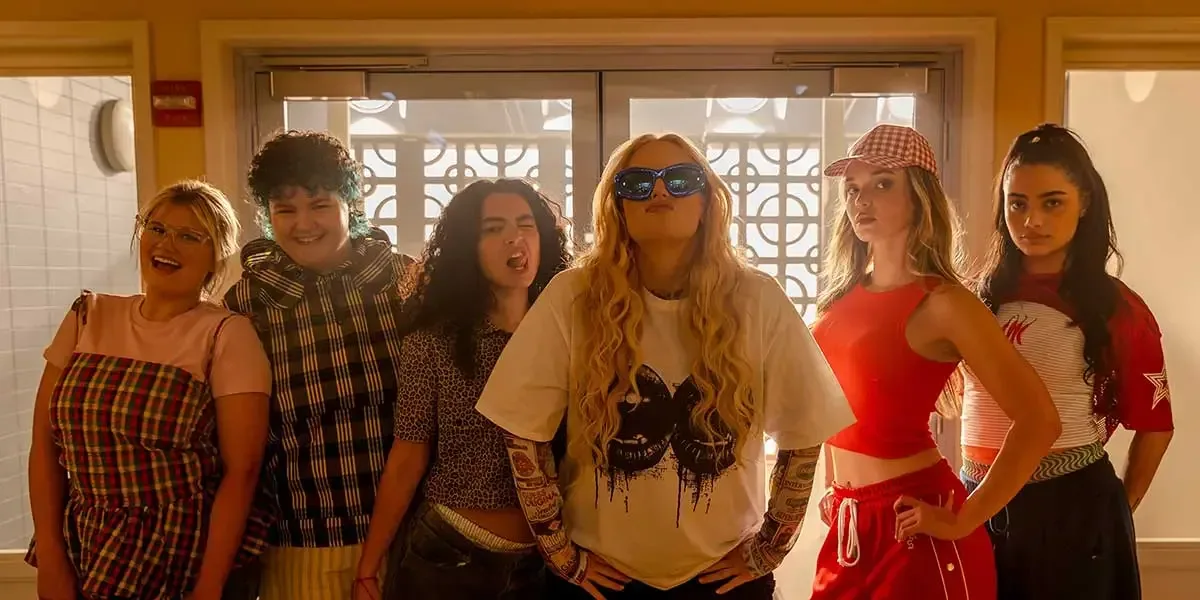
Among the titles singled out were The Life and Deaths of Wilson Shedd, featuring Amanda Seyfried; Bucking Fastard, starring Kate and Rooney Mara; Prima Facie, with Cynthia Erivo; and Girl Group, which puts Rebel Wilson in the director’s chair. The Julia Set, featuring Chase Infiniti, was also highlighted as a major showcase for the actor and a possible early sales success.
Festival attention does not settle a film’s commercial future, nor should a prediction be mistaken for a completed deal. But the interest in these projects illustrates the role a festival can play: it puts varied work in front of buyers, audiences and industry figures at once. That setting is particularly useful for films that need visibility, financing momentum or distribution conversations.
The discussion also made room for the physical theater experience. Garbus pointed to the energy of audiences gathering, laughing and responding together, especially as recent box-office successes have brought young people into cinemas. The point is not that streaming disappears when a theater succeeds. Rather, the two experiences offer different things. Watching at home can be convenient; a packed auditorium creates immediate communal reaction, where a joke lands across a room or silence settles over an audience at once.
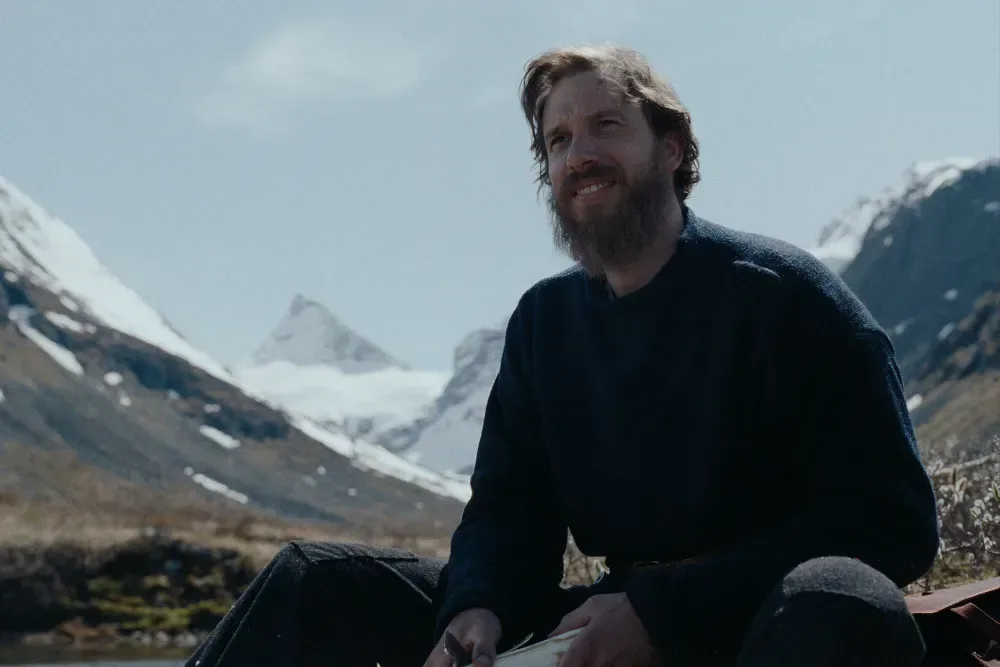
For a site interested in how pop culture travels between formats and communities, that shared response is part of why cinema remains distinct. It is also why a film such as Growth of the Soil can invite discussion beyond its initial release window: movies persist not only as content, but as works people interpret and talk through together.
The central message from Toronto was neither “technology will save film” nor “technology will ruin it.” It was more demanding than either slogan. Creators still need funding, opportunities and fairer chances to move up the budget ladder. They need room to tell distinctive stories. And they need to retain authority over the performances, humor, emotion and craft that turn production tools into an actual film. The future being argued for is human-made cinema with more possible paths into the frame.