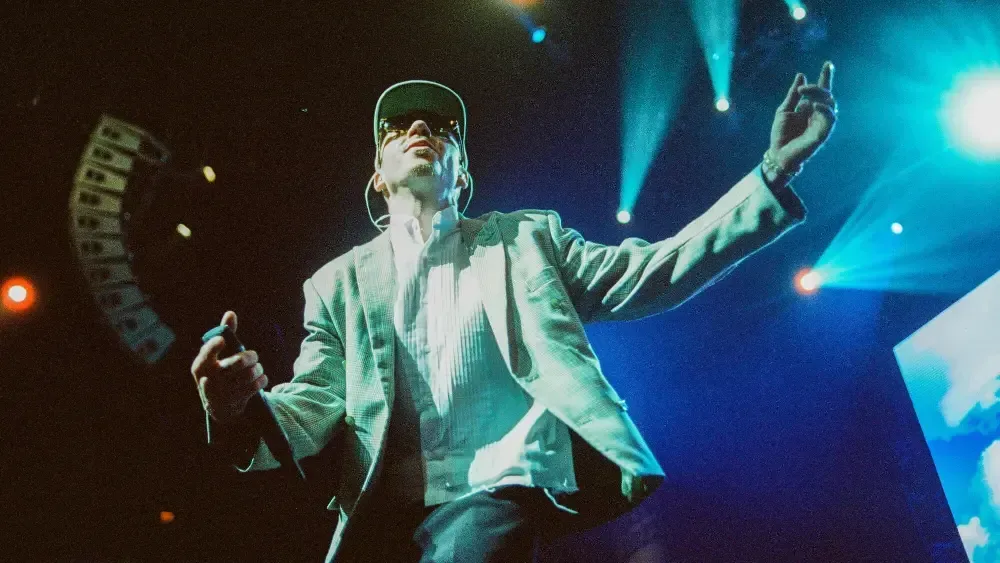
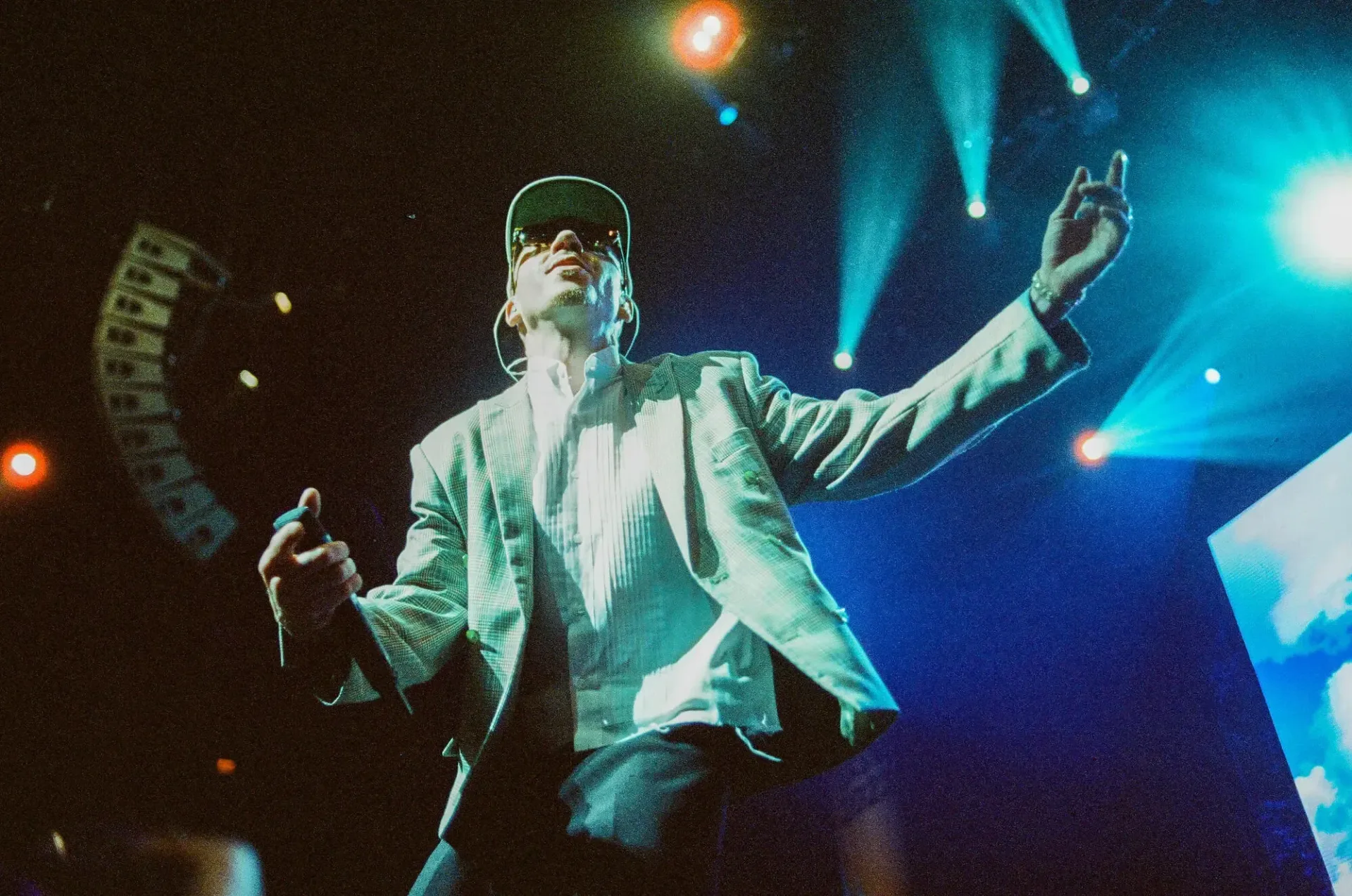
Macklemore says a proposed run of US benefit concerts supporting Palestine has been turned away by a group of major arena venues, an allegation he made in an Instagram message published on Nov. 6.
The rapper named Madison Square Garden in New York City; New Jersey’s Prudential Center; Brooklyn’s Barclays Center; Long Island’s UBS Arena; Los Angeles’ Intuit Dome, Kia Forum and Crypto.com Arena; San Francisco’s Chase Center; and Seattle’s Climate Pledge Arena. In his account, potential dates had been discussed through the end of the year, but those possibilities disappeared after the shows’ purpose was identified as Palestine benefits.
This is an allegation by Macklemore, not a confirmed joint account from the venues. The material provided does not include public statements from any of the nine arenas, or documents explaining why a particular date was no longer available. That distinction is central: his post describes an outcome and his interpretation of it, while the venues’ reasoning has not been presented.
What Macklemore is alleging
Macklemore wrote that available arena dates had been received by mid-September. He said the conversations changed when venues learned the proposed concerts would be benefit shows for Palestine, and that the final result was the same across the discussions: the shows would not be permitted at those buildings.
For more context, explore Northshire Abbey’s Rebuild Reportedly Turned World of Warcraft: Forever Skeptics Into Believers.
A benefit show is a performance organized to support a cause, often through fundraising, awareness work, or both. The supplied information identifies Palestine as the intended beneficiary or cause, but does not specify the recipient organization, how proceeds would be handled, the planned ticketing structure, which promoters were involved, or whether every proposed date was at the same stage of planning.
Those missing details matter because “available dates” and a finalized concert are not necessarily the same thing. In everyday usage, an available date means a possible calendar opening. It does not, on its own, establish that contracts were completed, tickets were planned for sale, or an event had been formally announced. Macklemore’s complaint is that the opportunities were removed because of the benefit’s political purpose; without venue responses, that causation remains his stated position rather than a publicly resolved finding.
“They may own the arenas. But they do not own the people who fill them,” Macklemore wrote, ending his post with “FREE PALESTINE!”
He also framed the dispute as a speech issue, arguing that wealthy owners and business interests can determine which public causes are given room on major stages. That is his political argument, and it goes beyond the narrow logistical question of whether particular concerts could be booked. It turns a booking dispute into a broader challenge about access to large commercial platforms.
The venues named in the post
The list spans several of the biggest live-event markets in the United States, from the New York metropolitan area to Los Angeles, San Francisco and Seattle. Macklemore’s post named:
- Madison Square Garden in New York City
- Prudential Center in New Jersey
- Barclays Center in Brooklyn
- UBS Arena on Long Island
- Intuit Dome in Los Angeles
- Kia Forum in Los Angeles
- Crypto.com Arena in Los Angeles
- Chase Center in San Francisco
- Climate Pledge Arena in Seattle
That breadth is why the claim carries implications beyond one canceled night or one local dispute. If Macklemore’s version is accurate, the obstacle he describes was not an isolated calendar conflict at a single building but a repeat problem across multiple markets. Conversely, the same broad list makes direct responses from the venues especially important, because the supplied material does not establish whether each discussion unfolded in the same way or whether each venue made a decision for the same reason.
There is also a practical distinction between an arena as a building and the network of people involved in a concert. An event can involve an artist, management, a promoter, venue operators, ticketing arrangements, local staffing and other partners. The available material does not identify which parties participated in the conversations or had final authority. Readers should therefore avoid treating “the arena” as a complete explanation for how every decision was made.
A dispute over platform, not just capacity
The controversy is not presented as a claim that Macklemore cannot perform anywhere. It is specifically about access to major US arenas for a tour explicitly branded around a Palestine benefit. That makes the venue scale part of the story.
Arenas are more than rooms with a large number of seats: they are highly visible cultural platforms. A performance there can concentrate media attention, provide a large in-person gathering place and signal that an artist’s event has entered the mainstream live-entertainment circuit. For a political benefit, the venue itself can therefore become part of the message. A denial, if tied to a cause as Macklemore alleges, can likewise become a public political statement even when venue operators do not intend it that way.
Macklemore said he had not encountered a situation like this in more than 20 years of touring. He also said he would rather lose industry opportunities than protect people whom he believes prioritize business ties with Israel over Palestinian life. Those comments make clear that he is not treating the alleged refusals as a routine negotiation failure. He is presenting them as a line he is unwilling to retreat from.
His rhetoric also places the audience at the center of the dispute. The post’s closing argument is that ownership of an arena does not equal ownership of the public that attends events there. In effect, Macklemore is arguing that the cultural value of a large venue comes from its community, and that the community cannot be fully controlled by those who operate the property.
Recent European dates and the Ed Sheeran tour claim
Before the Nov. 6 post, Macklemore had recently played dates in Dublin, Paris and London near the end of October. The material does not say whether those performances were benefit shows, whether they were connected to the proposed US run, or whether any comparable booking questions arose outside the United States.
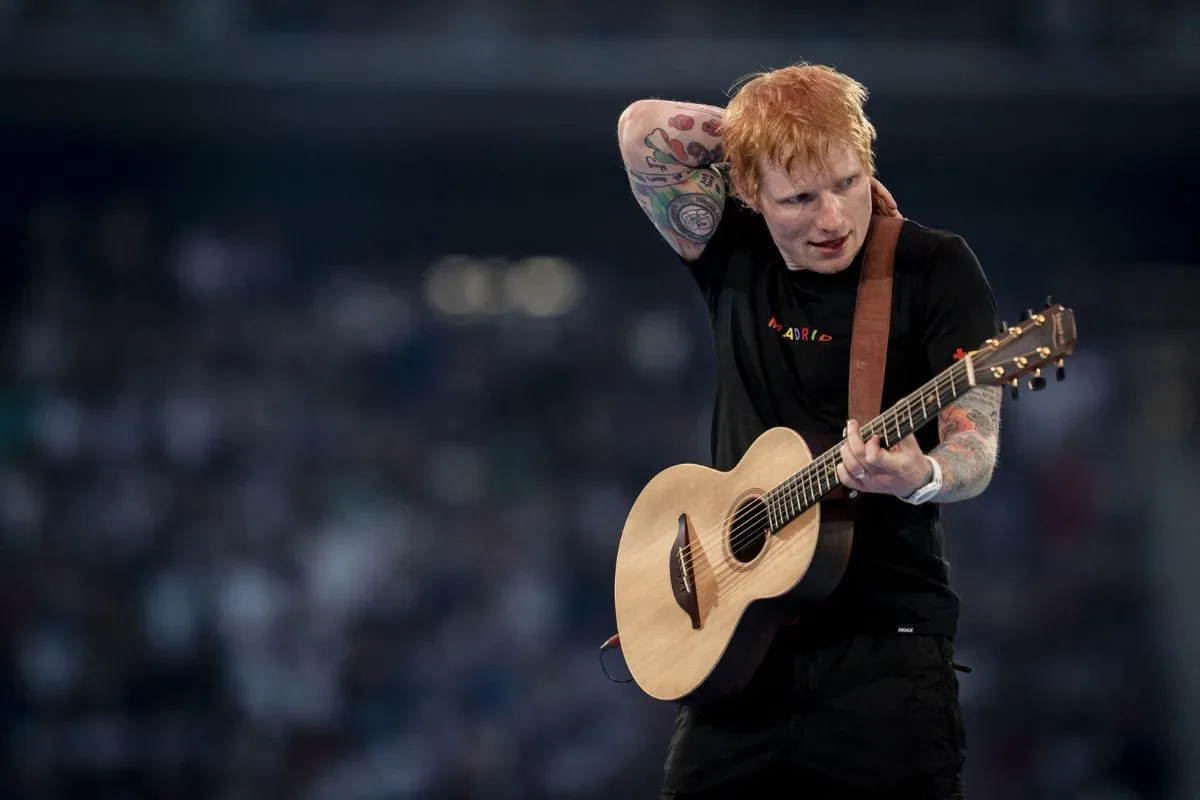
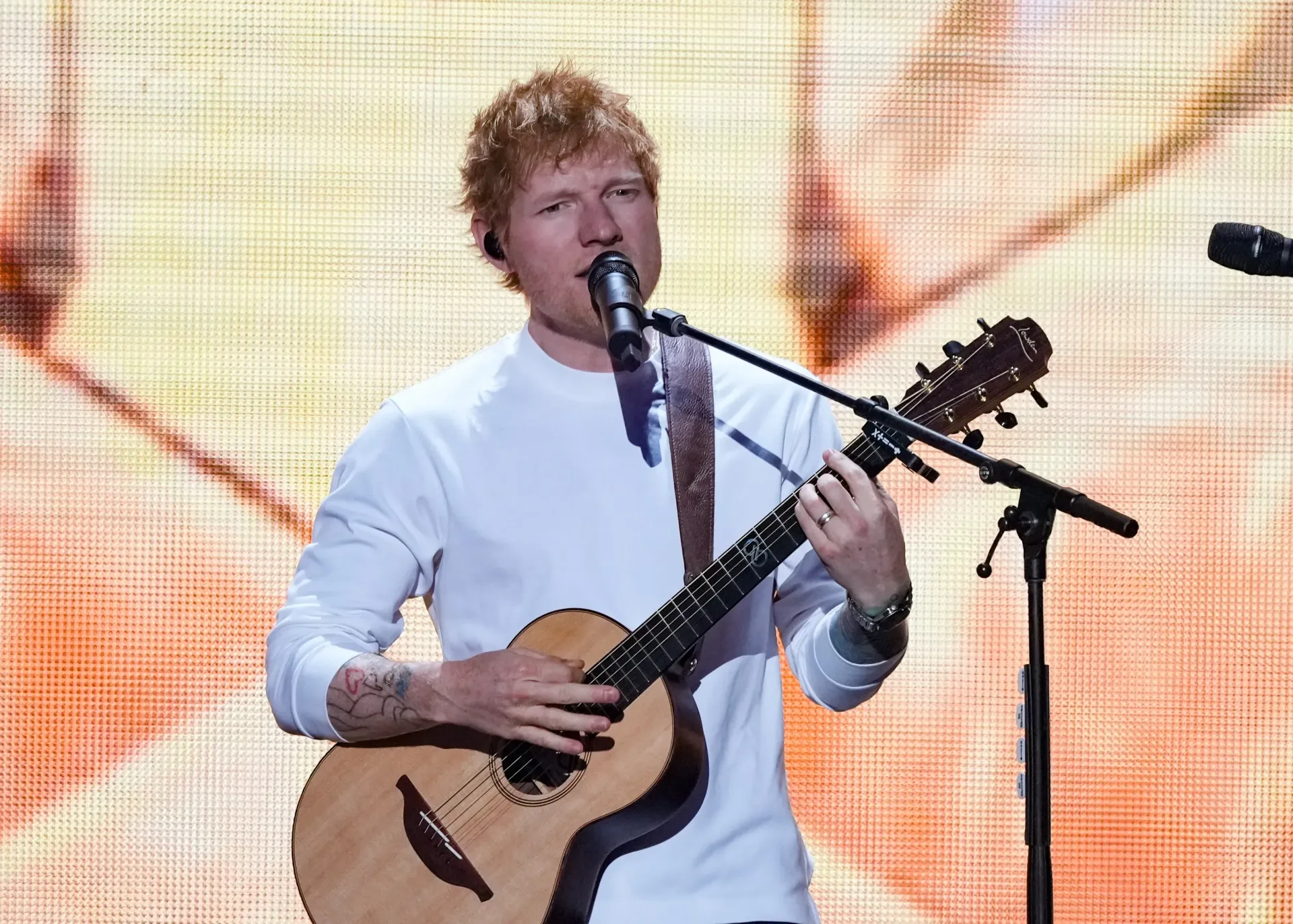
The supplied account also says Macklemore was removed in September from Ed Sheeran’s “Loop” tour after pro-Palestinian comments during an opening set at MetLife Stadium. It further says that the other openers and Sheeran’s backing band left the tour in solidarity with Macklemore and Palestine.
These are consequential claims, but the material contains no statements from Sheeran, the tour, the backing band, the other opening acts, or any organizer. As with the arena allegations, the absence of those accounts limits what can be established from the information available. The reported sequence does, however, provide context for why Macklemore characterizes the arena situation as part of a wider professional consequence for his Palestine advocacy rather than a one-off booking frustration.
What remains unverified and what to watch for
The available information leaves several important questions open. There are no identified benefit partners, no proposed dates for the US shows, no stated capacity targets, and no explanation of whether each venue declined a booking outright or whether negotiations simply ended. There is also no indication that the named arenas publicly confirmed Macklemore’s characterization of events.
The strongest confirmed element in the material is that Macklemore publicly made the allegation and named the venues. The key unconfirmed element is the reason each opportunity was allegedly withdrawn. A meaningful response from any of the buildings would need to address that distinction directly: whether dates were in fact discussed, whether they later became unavailable, and whether the concert’s pro-Palestinian benefit purpose affected the outcome.
Until then, the story is best understood as an artist’s public accusation against a set of powerful live-entertainment venues, paired with a larger argument about political expression in commercial spaces. Macklemore has made his own position unambiguous. The venues’ positions, based on the information provided here, remain unknown.