Luca Guadagnino’s planned American Psycho film is no longer moving forward with him at the helm. The director confirmed that his involvement has ended, describing a screenplay by Scott Z. Burns as “fantastic” while making clear that the project is not happening for him at present.
That wording matters. It closes the book on Guadagnino’s version as audiences understood it, but it does not establish that the underlying film project has been permanently cancelled by Lionsgate. A finished Burns script could, in principle, be picked up by another filmmaker. There is simply no confirmation that this will happen, nor is there an explanation yet for why Guadagnino stepped away.
A high-profile adaptation loses its director
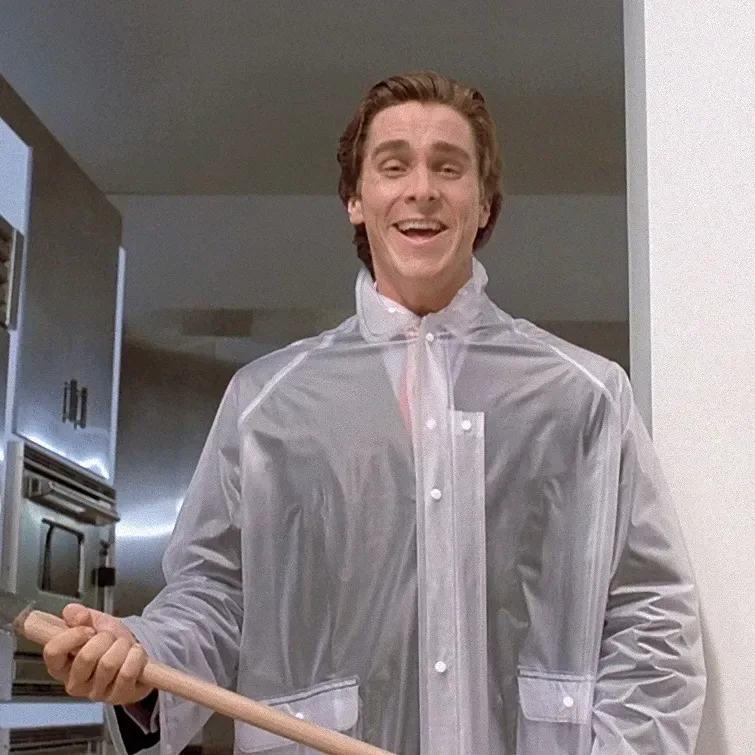
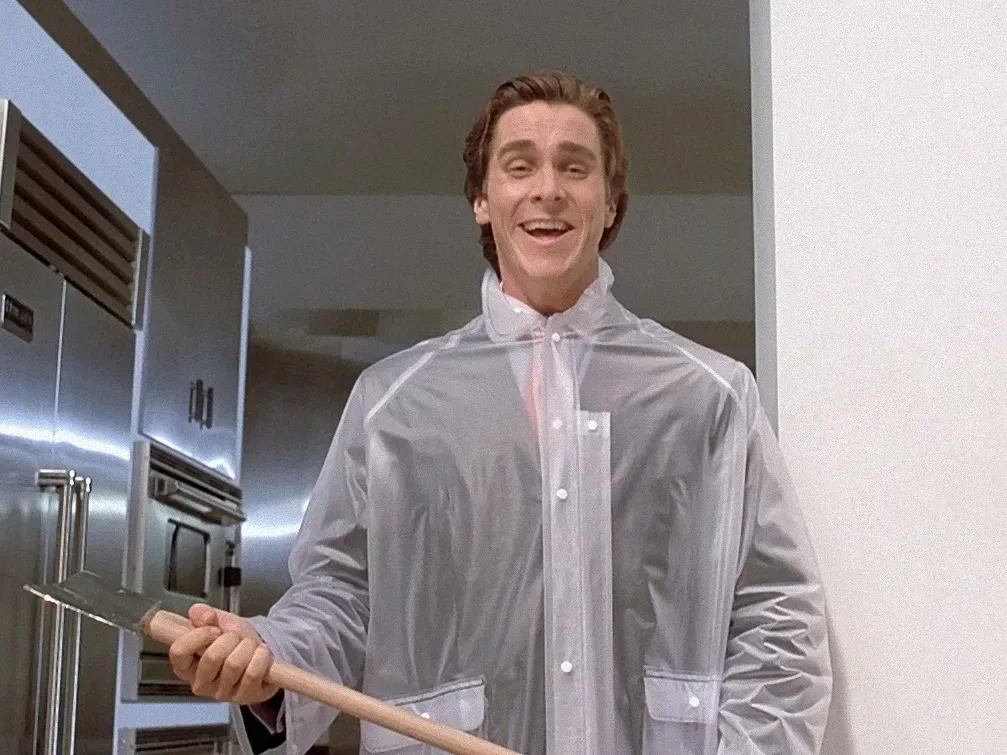
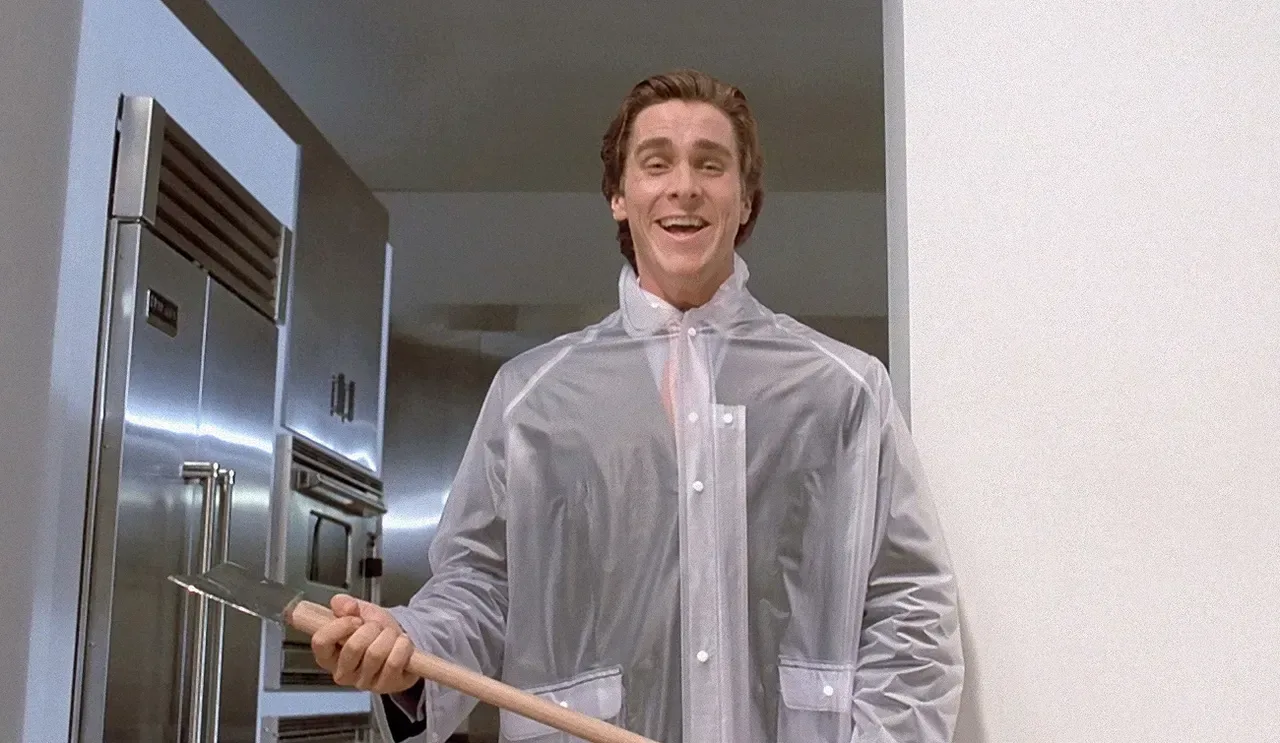
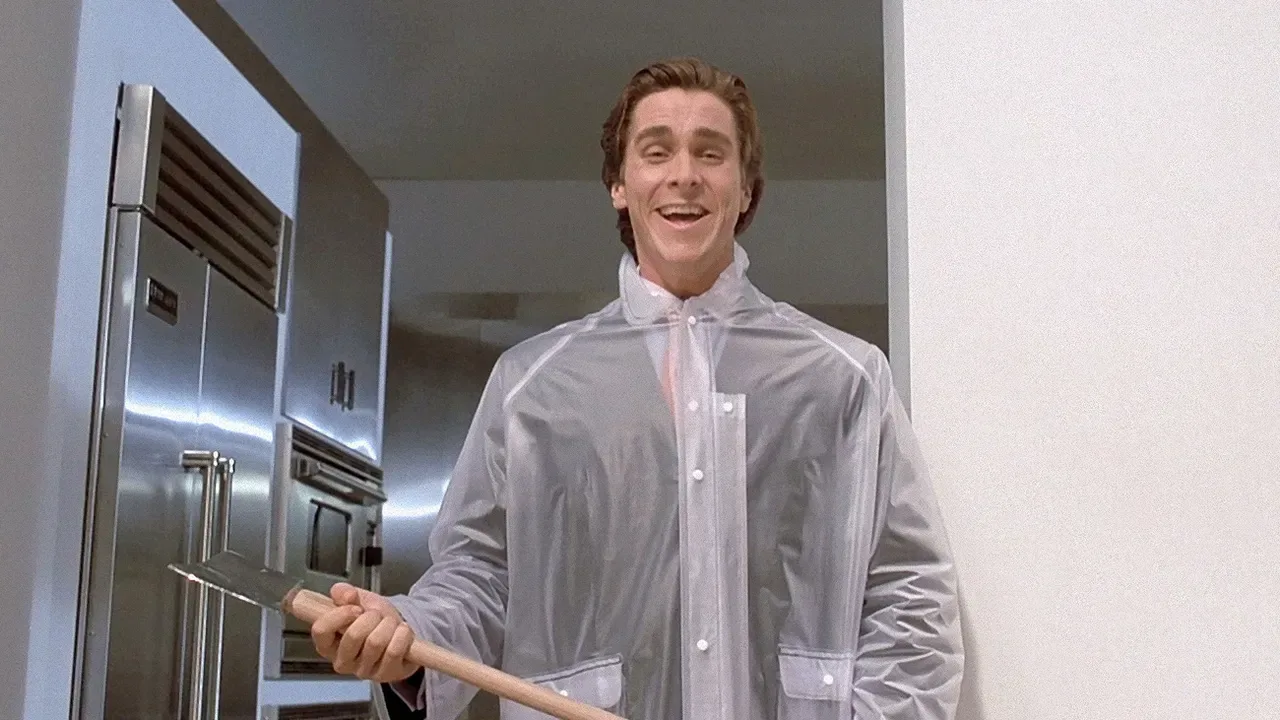
Guadagnino had been linked to American Psycho in 2024, a prospect that immediately invited comparisons with the 2000 film starring Christian Bale as Patrick Bateman. That earlier movie has become inseparable from the public image of the property: Bale’s performance, Bateman’s controlled surface, and the story’s sharp, unsettling satire remain the reference point whenever a new screen version is discussed.
But the proposed Guadagnino film was characterized as a new adaptation of Bret Easton Ellis’ novel rather than a straightforward remake of the Bale movie. The distinction is more than a piece of marketing vocabulary.
A remake generally means revisiting an existing film’s version of a story, often retaining its basic structure, signature sequences, and screen-specific interpretation. A new adaptation, by contrast, returns to the original literary work as its central source. It may cover familiar territory, but it is not inherently obligated to reproduce the choices made by the previous movie.
That distinction is especially useful with American Psycho. The novel and its 2000 screen adaptation are connected, but they are not identical objects. Any filmmaker returning to the book would face the challenge of finding a perspective that justifies the trip back—while inevitably operating under the long shadow of Bale’s Patrick Bateman.
What had been known about the project
Updates had been sparse since Guadagnino’s attachment became public. Scott Z. Burns had written the script. Burns is known for work including The Bourne Ultimatum and Side Effects, and Guadagnino’s praise suggests the screenplay itself was not the issue described publicly. The director did not provide a reason for his exit or say whether the script will be used in any later incarnation.
Austin Butler and Jacob Elordi were each reported at different points as possible Patrick Bateman candidates. Neither was publicly confirmed as having the role. That difference remains important in a project that never reached a completed casting announcement: being discussed, considered, or reported as being in the running does not mean an actor was ultimately signed.
One other detail previously reported was that the film would not gender-swap the lead role. With Guadagnino now out, that information belongs to the abandoned version’s development history rather than a firm description of any potential future adaptation. Unless a new director, cast, or approach is announced, fans should not treat older reporting as a blueprint for a film that may never materialize in that form.
Christian Bale had already given the idea his blessing
Bale had addressed the possibility of another actor taking on Bateman earlier this year, offering goodwill and saying he admired brave people. It was a notably open response from an actor whose portrayal is so strongly associated with the character.
That response also gets at why another American Psycho is such an awkward proposition. Bateman is not merely a role audiences remember; he is a character whose film interpretation became a cultural shorthand. The character’s image and line readings have circulated far beyond the film itself. A new performer would need to avoid simple imitation, yet audiences would still arrive with the 2000 portrayal already in mind.
For a new adaptation, the practical creative question would be how to make Bateman feel like a character rather than a collection of inherited references. That does not mean rejecting the earlier film’s legacy. It means recognizing that recreating its most familiar beats alone would make the project feel redundant. A fresh adaptation would need its own reason to exist, its own tone, and its own reading of the novel’s world.
Why “not happening for me” is not the same as a studio-wide cancellation
Guadagnino’s statement is definitive about his own participation. It is less definitive about the property’s larger future. Film development can be fluid: scripts can remain with a studio, directors can depart, and projects can later re-emerge with new creative teams. None of that guarantees a revival. It only means the available information does not support declaring that Lionsgate has permanently shut the door on American Psycho in every form.
There are therefore two separate questions:
- Will Luca Guadagnino direct an American Psycho film? No, based on his statement.
- Will Lionsgate eventually make a different American Psycho adaptation? Unknown.
The distinction may sound technical, but it is the clearest way to avoid turning a director’s departure into a broader announcement that has not been made. For now, the most accurate assessment is that the Guadagnino-led version is over, while the fate of Burns’ screenplay and the wider adaptation effort remains uncertain.
What the news means for audiences
For viewers who were curious about Guadagnino’s take, there is no upcoming film to track and no confirmed Patrick Bateman casting to anticipate. The much-discussed possibilities surrounding Butler and Elordi have not developed into a released production.
For fans skeptical of revisiting the material, the development change means there is no immediate new screen version challenging the place of the 2000 movie. That film remains the existing cinematic interpretation associated with Bale’s performance. Whether another adaptation should happen is ultimately a creative question that a future team would have to answer through its approach, not merely through the familiarity of the title.
The situation is also a reminder that “in development” is not the same as “on the way.” A director, a script, and discussions around casting can signal genuine momentum, but they do not guarantee that cameras will roll. Until a project reaches more concrete stages, its shape can change substantially—or, as here, a central creative figure can move on.
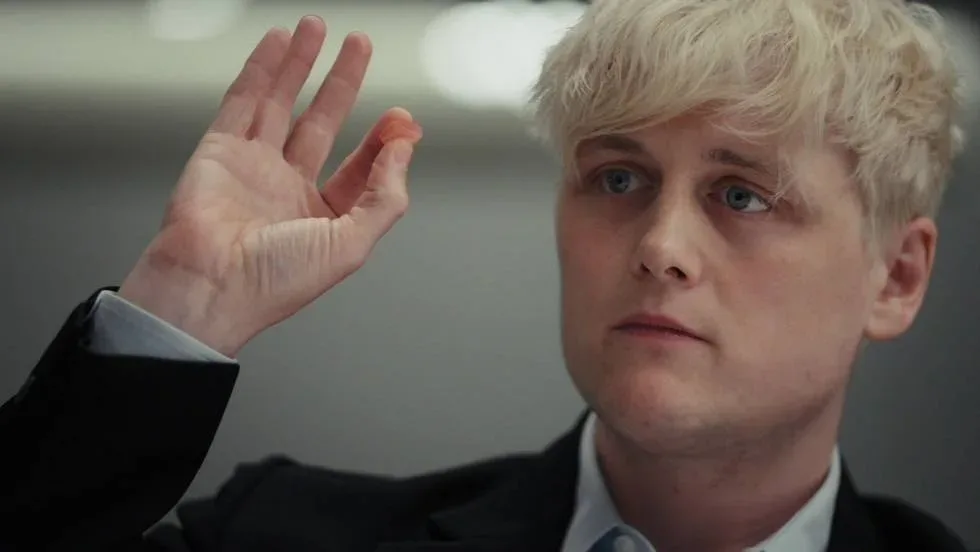
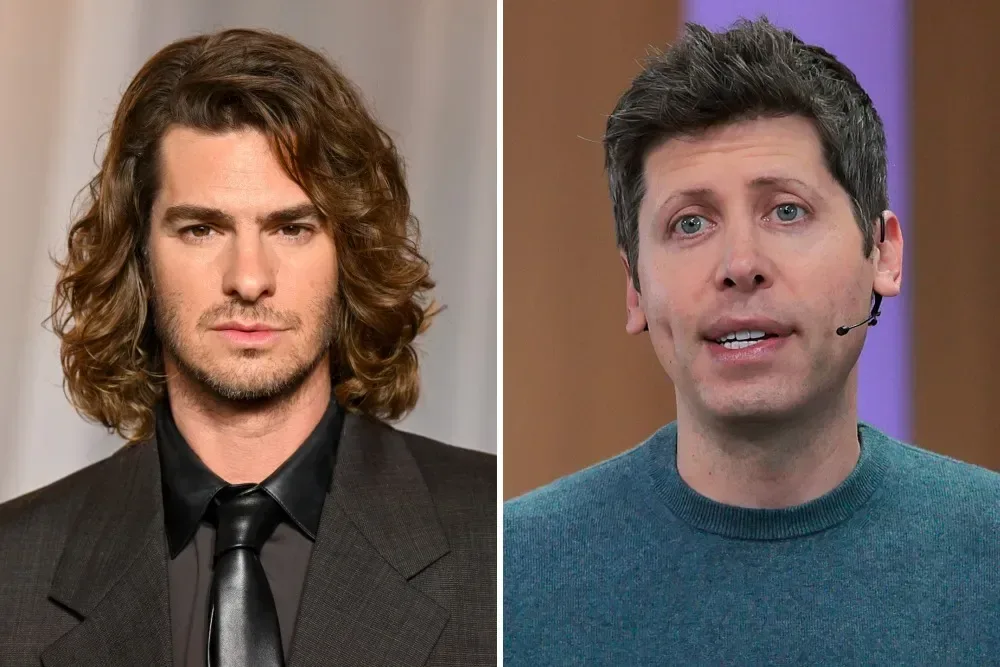
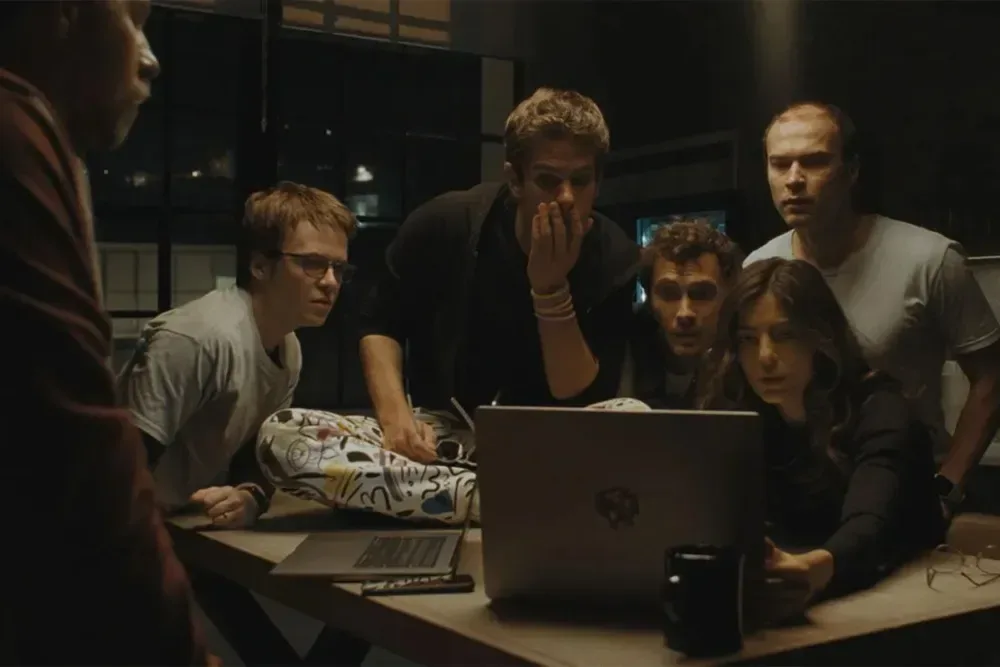
Guadagnino is not stepping away from filmmaking. His next named project is Artificial, a biopic about Sam Altman. It is scheduled for a limited premiere at Christmas 2026, followed by a wider release on January 8, 2027. Readers looking for another entertainment project built around questions of image, public perception, and trust may also be interested in this look at Oobah Butler’s HBO series.
The status, plainly
Guadagnino read and praised Burns’ script, but he will not continue with American Psycho. No reason was offered. No replacement director has been named. No cast is confirmed. And no public information establishes whether Lionsgate will retain the script for a later effort or leave the project behind.
For now, Patrick Bateman is back where he has spent a great deal of time: in a highly scrutinized, unresolved state of development.