
Lizzo’s arrival at Los Angeles International Airport came with the kind of timing that makes a travel day feel scripted: she said an earthquake notification appeared on her phone just as the aircraft’s wheels touched down.
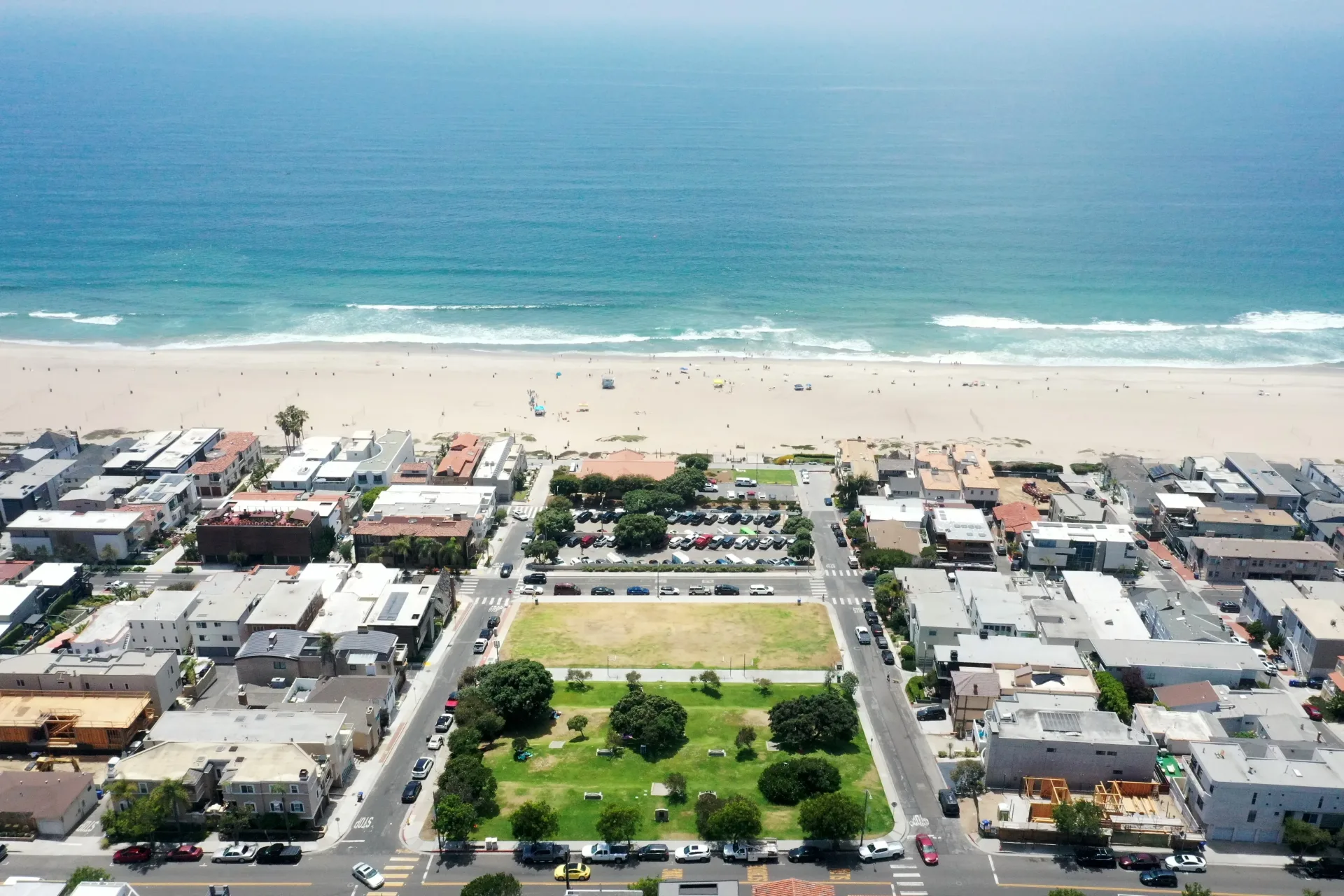
The singer was arriving at LAX on November 28 when a magnitude 5.0 earthquake struck offshore near Manhattan Beach at roughly 9:30 a.m. local time. Lizzo wrote on X that the alert appeared “literally as wheels touched the ground,” then urged people to be careful.
Her post also included distant flames seen while she traveled across the airport tarmac. Those flames were not an airport fire. They came from the Chevron refinery in neighboring El Segundo, where safety systems activated after the quake and excess gas was burned through the site’s flare system. Chevron said the flaring did not present a safety risk to the surrounding community.
The sequence is a useful reminder that a dramatic-looking scene can have several overlapping explanations. A visible flare near an airport, an emergency alert on a phone and shaking in the cabin or terminal can all happen in the same moment, but they do not necessarily point to one single failure or immediate danger. In this case, the reported cause of the refinery flames was a safety response following the earthquake.
What happened around LAX
The quake was placed about three miles southwest of Manhattan Beach by the Southern California Seismic Network. Tremors continued offshore through the afternoon, turning a single unsettling moment into a broader run of shaking that drew attention from travelers and people across the Los Angeles area.
LAX sustained some limited visible effects: broken windows and loose ceiling tiles were reported. Mayor Karen Bass said flights continued operating. That does not mean every arriving aircraft followed an ordinary landing sequence, however. Delta said two of its flights were instructed to pull up rather than land during their first approaches. Both aircraft later landed safely.
In aviation language, being told to pull up on approach is commonly called a go-around. It means an aircraft stops its landing attempt, climbs away and prepares for another approach when conditions allow. A go-around can be ordered for a range of operational reasons; here, the reported context was the earthquake striking as the flights approached LAX. It is a controlled procedure, not a synonym for a crash or an emergency landing.
Lizzo did not identify the airline or flight involved in her own arrival, so there is no basis to connect her landing to Delta’s two reported go-arounds. The shared timing is the key detail: the earthquake occurred while numerous arrivals and airport operations were underway.
Related coverage includes Lizzo Asks Seismologists for Answers After Quake Hits as She Lands at LAX.
Rapper Wale also posted footage from the airport that showed a camera shaking after what he described as a string of travel problems. Together, the posts captured the unusual experience from inside the travel system: passengers receiving alerts, noticing motion and trying to work out what was happening while airport operations continued.
Why Lizzo wanted a seismologist’s answer
Later that morning, Lizzo directed a more specific question to X: why the earthquakes were continuing and what people should expect. It is an understandable question after a main quake is followed by more tremors, but the information available here does not include a seismologist’s assessment, a forecast or an explanation of the precise fault activity.
What is established is that the main magnitude 5.0 event was offshore near Manhattan Beach and that additional offshore tremors were recorded through the afternoon. The Los Angeles Fire Department carried out a second round of checks after another jolt at 11:41 a.m. Officials reported no significant structural damage or injuries in the city after those inspections.
That distinction matters. A continuing sequence of tremors can be alarming and disruptive without evidence, in the reported inspections, of widespread major damage in Los Angeles. It also does not allow anyone to promise that no more shaking will occur. Lizzo’s request was for expert clarity, while the reported public response centered on monitoring, precautionary checks and updates on immediate conditions.
Officials in Manhattan Beach closed the city pier as a precaution while conditions were monitored. Closing a pier in that situation is a practical risk-management decision: it reduces public exposure at a coastal structure while authorities assess the effects of the shaking. The closure should not be read as proof of confirmed damage, because the reported reason was precaution and monitoring.
The refinery flare seen near the airport
The flames Lizzo noticed are central to why the scene looked so alarming from the tarmac. Refinery flaring is the controlled burning of excess gas through a flare system. In the information provided by Chevron, the plant’s safety systems activated at about 9:30 a.m. after the quake, leading to the visible burn-off.
For people seeing fire near LAX without that context, the instinctive assumption might be an airport incident. The reported location and explanation point elsewhere: the Chevron refinery in El Segundo. Chevron said the flaring posed no safety risk to the nearby community.
This is also why it is worth separating observation from conclusion during fast-moving events. Lizzo accurately described seeing flames in the distance and encouraged caution. The later facility explanation provided the operational context for the flames. Both details belong together; neither needs to be exaggerated into a claim that the airport itself was on fire.
Travel implications from a rapidly changing morning
The reported events show how airport operations can continue while still adapting to an unexpected regional disruption. Flights continued at LAX, yet airport crews and airlines still had to respond to conditions in real time. Two Delta flights went around before landing safely, and airport damage included broken windows and loose tiles.
For travelers, the practical takeaway from an event like this is not that every alert means air travel has stopped. It is that the status of a trip can change rapidly even when an airport remains open. A delayed landing, a revised arrival sequence or a safety inspection can be part of normal response procedures under unusual conditions.
There is no reported indication that Lizzo’s own flight was diverted, held, or required to go around. Her account instead describes arriving as the quake happened, receiving an alert at touchdown and later seeing the refinery flare while crossing the tarmac.
The day’s official response focused on inspection and caution rather than reports of major citywide harm. Fire crews conducted a second sweep after the 11:41 a.m. jolt, and the department said it found no significant structural damage or injuries in Los Angeles. Manhattan Beach’s pier closure added a local coastal precaution while monitoring continued.
A celebrity post that captured a public-information problem
Lizzo’s posts resonated because they documented a confusing chain of events in plain language: an alert at landing, visible flames nearby, more shaking later, and a desire for someone qualified to explain what might happen next. Her framing was personal, but the questions were broadly shared by passengers, residents and anyone seeing short video clips without operational context.
That is the useful part of the exchange. Celebrity social posts can rapidly circulate the immediate experience of an event, while official agencies and affected facilities supply the details needed to interpret it: location, inspections, operational status and the reason a safety system activated. Neither type of information completely replaces the other.
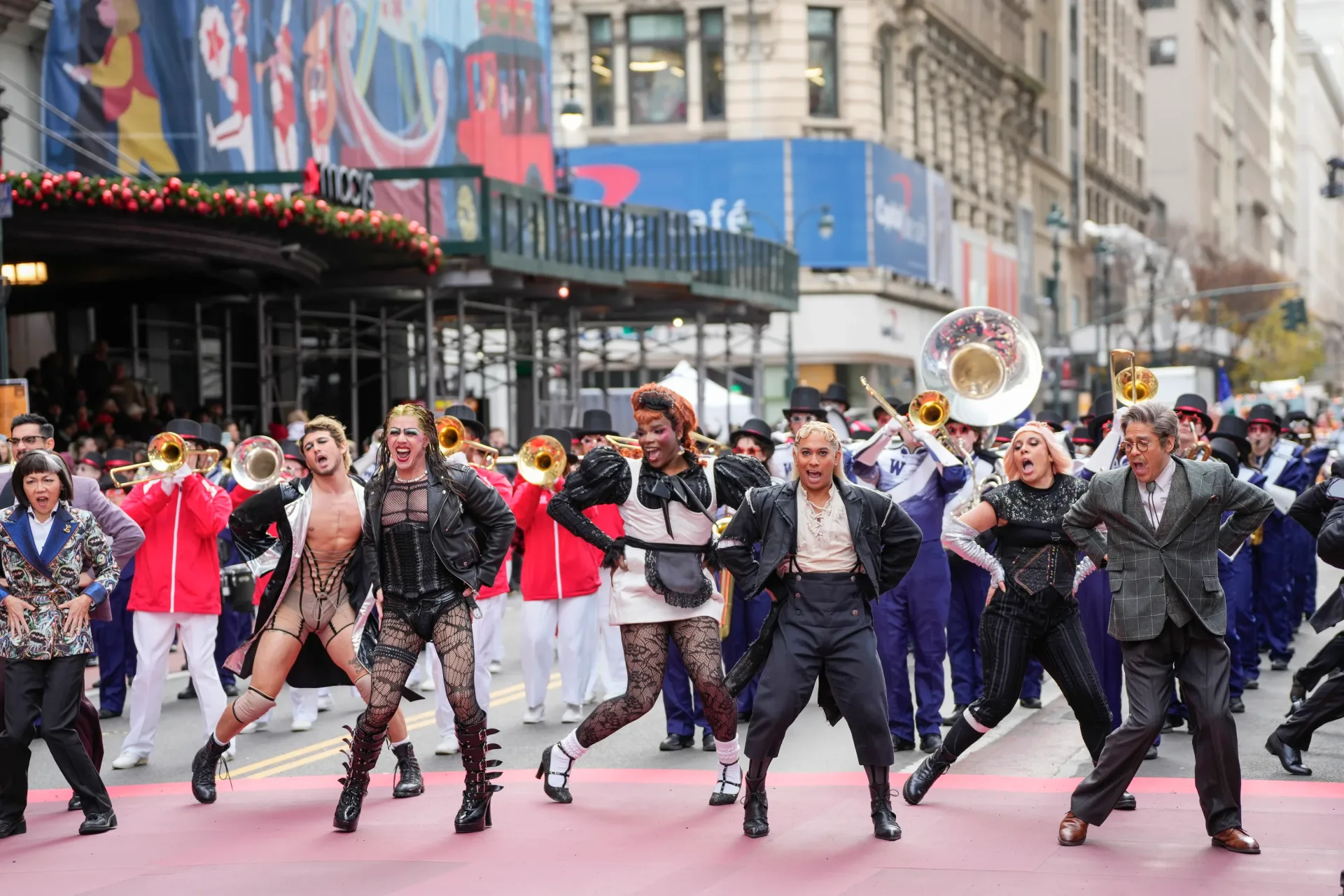
For more entertainment-world moments unfolding in public, see Kevin McHale’s response to criticism of a “Time Warp” performance.
In Los Angeles, the clearest confirmed picture remains relatively contained but still disruptive: a magnitude 5.0 offshore earthquake near Manhattan Beach, further tremors through the afternoon, inspections after the shaking, limited damage reported at LAX, two Delta go-arounds that ended in safe landings, and a refinery flare triggered by safety systems. Lizzo’s question about what comes next did not receive a reported seismologist answer here, but it accurately reflected the uncertainty people felt as the tremors continued.