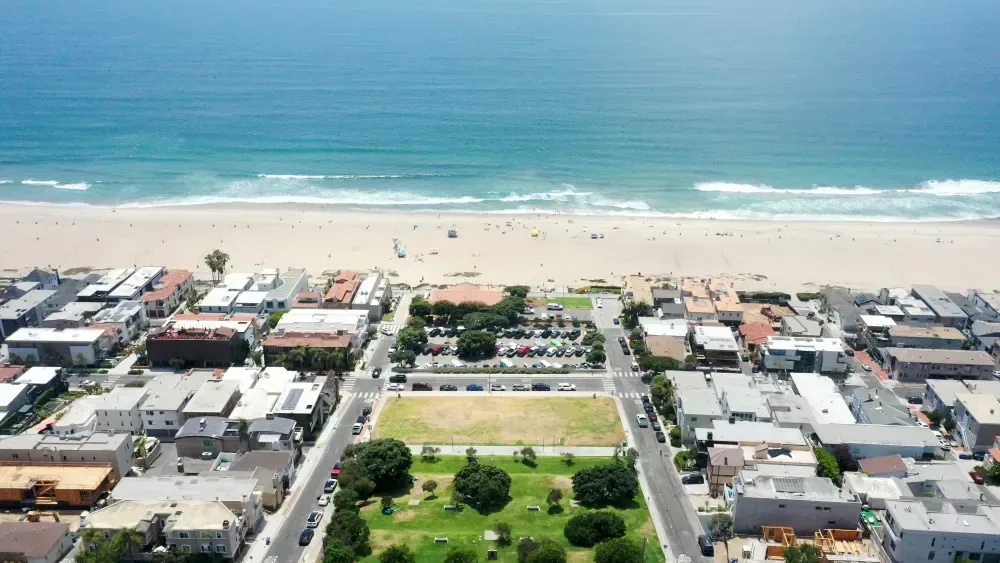
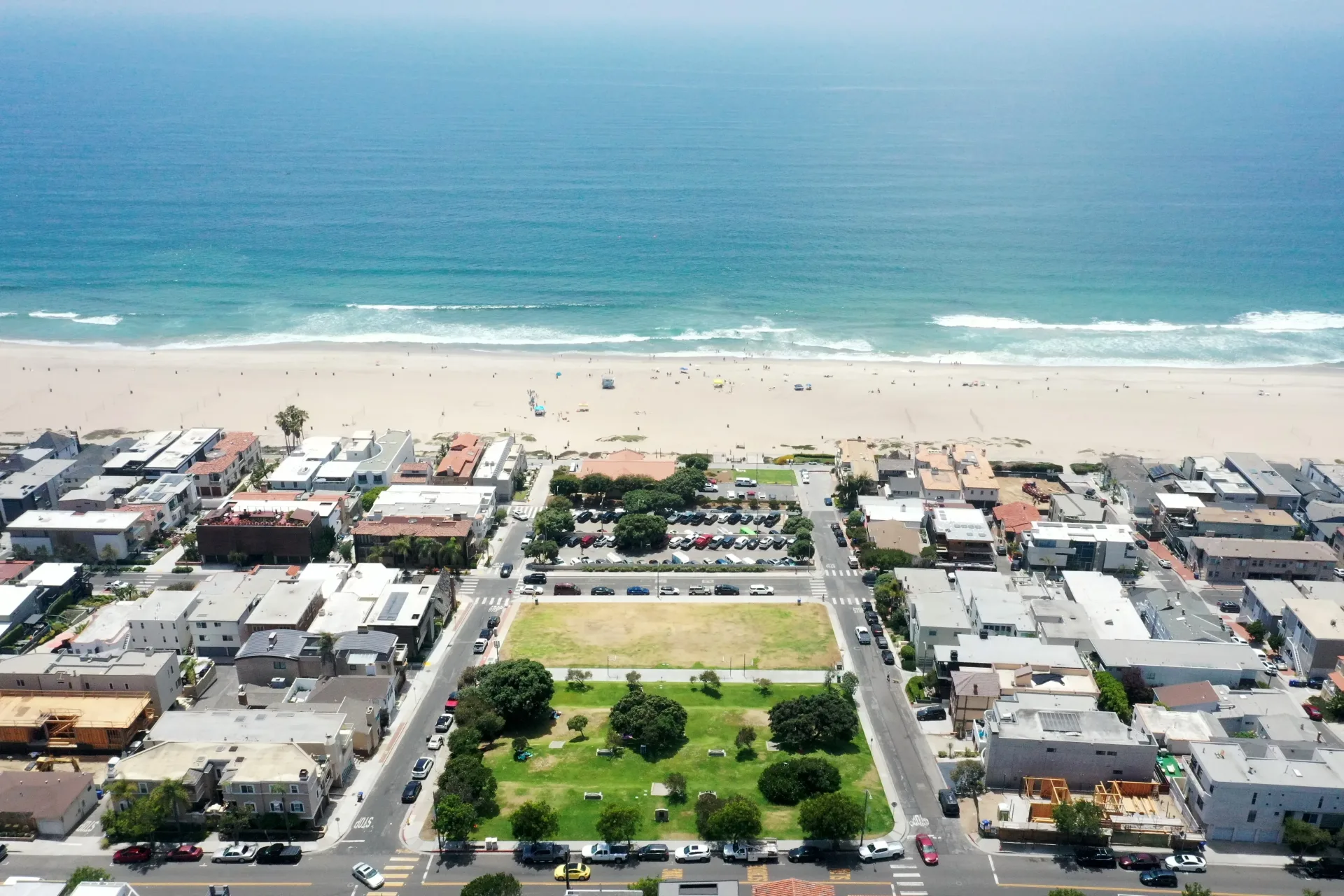
A magnitude 4.7 earthquake shook the Los Angeles area at 9:30 a.m. PT Saturday, jolting residents during a quiet holiday weekend morning. The epicenter was estimated to be about six miles west of Manhattan Beach, placing the event offshore rather than directly beneath the beach community.
The earthquake was initially assessed at magnitude 5.0 before the estimate was revised to 4.7. There were no immediate reports of significant damage or injuries. State and local authorities also said there were no signs of a tsunami threat despite the offshore location.
Local television stations began interrupting scheduled programming with coverage as people across the region reported feeling the shaking. It arrived while many households were likely tuned to the delayed Macy’s Thanksgiving Day Parade, college football, or both—an ordinary-media Saturday suddenly interrupted by one of Southern California’s most familiar kinds of real-world alert.
What was known in the immediate aftermath
The essential details available soon after the quake were relatively reassuring, while still important:
- Time: 9:30 a.m. PT on Saturday.
- Location: Roughly six miles west of Manhattan Beach.
- Magnitude: 4.7, revised down from an initial 5.0 estimate.
- Immediate impact: No significant damage or injuries were immediately reported.
- Tsunami status: Authorities found no signs of tsunami danger.
Those points are not interchangeable. Magnitude describes the size assigned to the earthquake, while reports of shaking, damage and injury describe what people experienced at particular locations. An offshore epicenter can still be strongly felt along the coast and inland, but it is a meaningful detail when considering why the initial reports did not indicate widespread severe effects.
Why the shaking was less severe than some residents may have expected
Dr. Lucy Jones, a veteran researcher with the U.S. Geological Survey and founder of the Lucy Jones Center for Science and Society, addressed the quake in an impromptu video news conference carried by local stations. Her central explanation was distance: the epicenter was offshore, and shaking weakens as it travels away from the source.
“Shaking dies very rapidly with distance,” Jones said.
Jones said the event appeared to have reached a maximum intensity level of 5. She explained that intensity needs to reach 6 before objects start being knocked from shelves. That distinction matters because the magnitude figure alone does not tell a viewer whether a particular home, apartment, studio or shop should have experienced a major disruption.
Related coverage includes Magnitude 4.7 Earthquake Shakes Los Angeles Area.
In plain terms, the 4.7 magnitude describes the event itself, while the maximum intensity estimate describes the strongest shaking associated with it. Jones’ assessment helps put the reports of no immediate major damage into context: an unsettling, clearly noticeable earthquake can still fall below the level at which more obvious effects, such as items coming off shelves, become expected.
Why an early magnitude can change
The move from an initial 5.0 estimate to 4.7 is also worth reading carefully. The later 4.7 number is the updated estimate reported for this quake; it does not mean that two separate earthquakes occurred or that the event somehow became smaller after people felt it.
For anyone following breaking earthquake coverage, the practical takeaway is simple: early numerical figures can be revised. Initial information often arrives alongside fast-moving broadcast coverage, public concern and social-media posts. The updated figure is the useful reference point here, together with the location west of Manhattan Beach and the lack of an immediate tsunami indication.
That is especially important in a media-heavy city where television programming changes quickly after a tremor. A break-in can be necessary and appropriate, but it also means viewers may encounter preliminary details before the fuller picture has settled. The most useful early reporting separates what is confirmed from what remains an initial assessment.
An offshore earthquake is not automatically a tsunami emergency
The quake’s coastal setting naturally raised a question many people ask after a Pacific-area event: is there a tsunami risk? Authorities said there were no signs of danger in this case.
That reassurance should not be stretched into a claim that every offshore earthquake has the same implication. The source-supported point is narrower: officials did not identify tsunami danger from this particular event. The location offshore was relevant to both the conversation around possible coastal effects and Jones’ explanation that distance reduced the shaking felt on land.
For Los Angeles residents, the event offered a reminder that “offshore” does not mean “unnoticed.” The shake was widespread enough to prompt local stations to cut into their programming and to send viewers looking for reliable updates. At the same time, the early damage picture and official tsunami assessment were markedly calmer than the first few seconds of a surprise quake can feel.
What the early response says—and what it does not say
At the time of the first reports, there were no immediate accounts of significant damage or injuries. The phrasing matters. It describes the information available in the early response, not a permanent all-clear on every possible minor impact. Early public reporting is usually about identifying urgent hazards and communicating the most consequential facts as quickly as possible.
The absence of an immediate significant-damage report nevertheless aligns with Jones’ description of the quake’s maximum intensity and the way shaking diminished with distance from an offshore epicenter. It is a useful example of how location, intensity and impact need to be considered together rather than reduced to a single number.
Los Angeles is also a city where entertainment programming, sports, live coverage and local alerts routinely share the same screens. The transition from parade or football coverage to earthquake reporting may have made the moment feel particularly abrupt, but the underlying public-service task was straightforward: establish where the quake occurred, communicate the revised magnitude, address the coastal concern and report what officials knew about injuries and damage.
Los Angeles continues its weekend after a sharp interruption
Manhattan Beach was the geographic reference point for the quake, while the effect was felt as a wider Los Angeles-area story. The city and surrounding communities are often discussed through culture, retail and entertainment—such as the recent opening of a new Los Angeles retail location at Westfield Century City—but Saturday’s earthquake underscored the more immediate value of local broadcasting and clear public information.
For this event, the verified early picture was comparatively contained: a revised magnitude 4.7 earthquake, an epicenter about six miles west of Manhattan Beach, no immediate reports of significant damage or injury, and no tsunami threat identified by authorities. The tremor was enough to interrupt a weekend morning across the region, but the available facts pointed to a lower-impact outcome than the suddenness of the shaking might initially suggest.