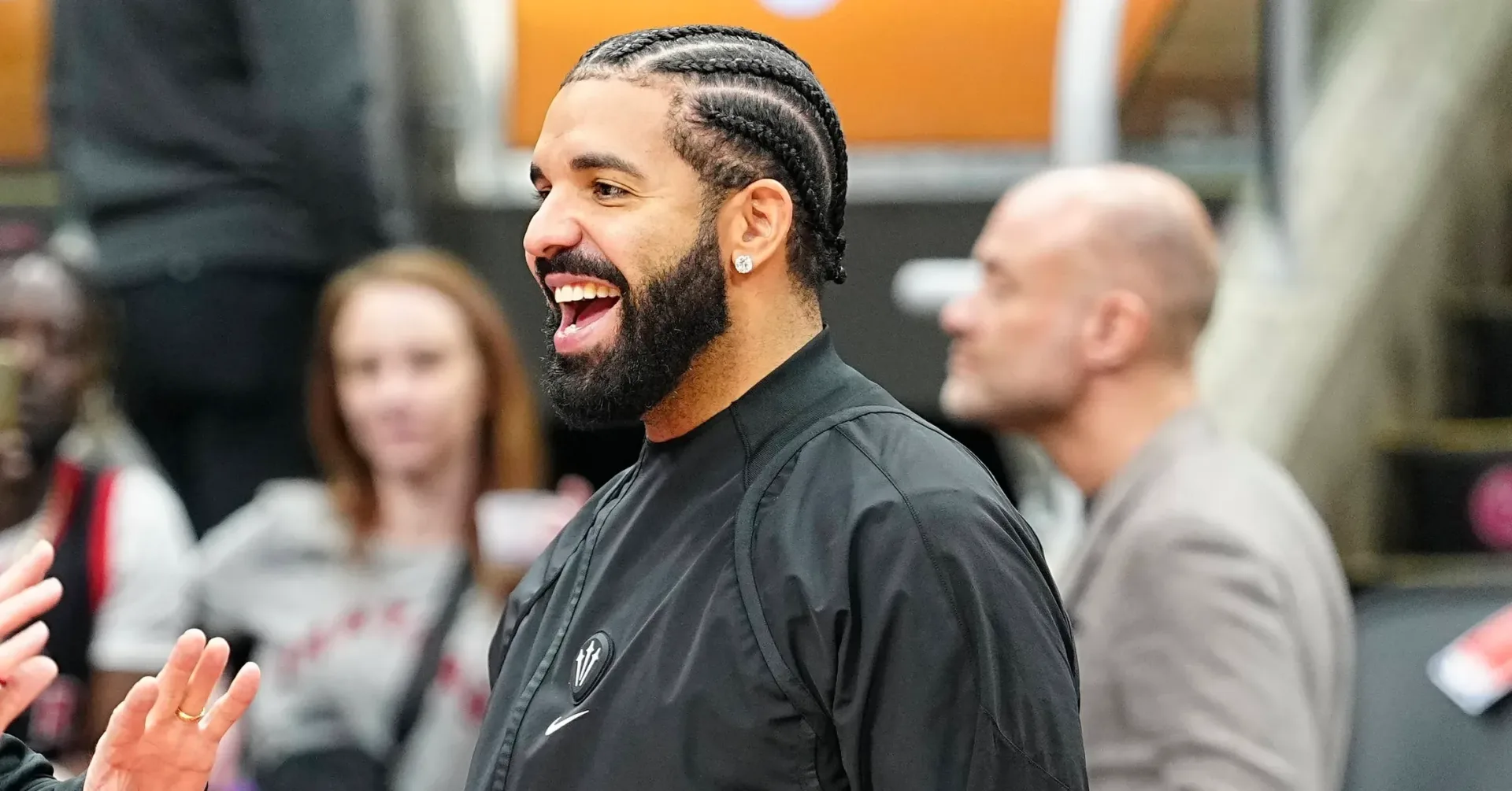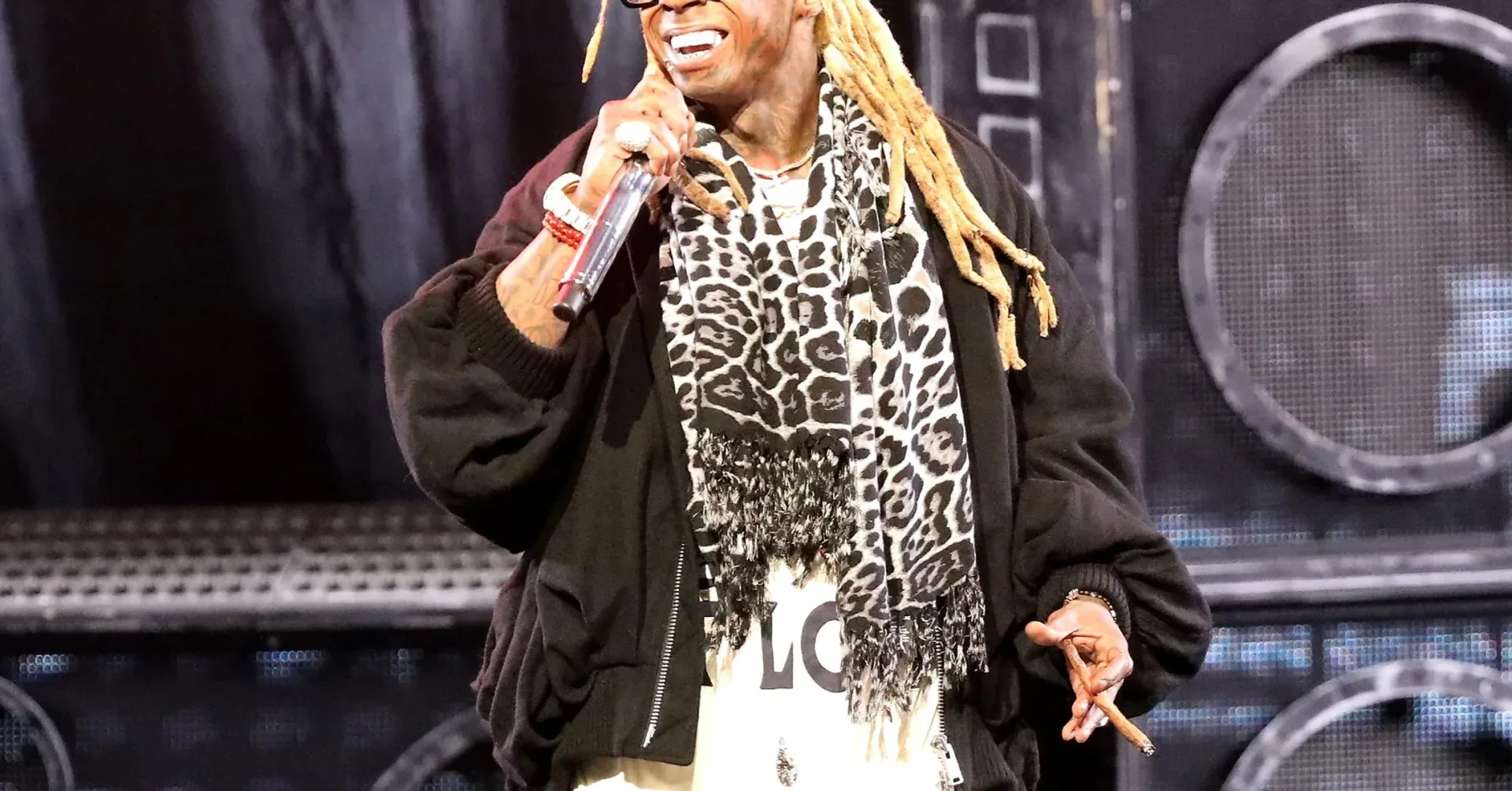
Lil Wayne says the long-running creative connection between himself and Drake includes far more music than listeners have heard. In a recent appearance on The Joint Venture Show, Wayne said the pair have “a whole bunch” of unreleased material, including songs he revisits from 2014 and 2015.
That is an intriguing update precisely because it is not a rollout announcement. There is no confirmed single, compilation, mixtape, album title, release date, track list, or stated plan for how any of the recordings might emerge. What Wayne did describe, however, is an active process: he revisits older work, edits it, and sends updated versions to Drake.
“I go through stuff from 2014 and 2015, like… really unheard stuff,” Wayne said.
Wayne also indicated that Drake responds with enthusiasm and asks when the two will release the songs. That makes the material more than a vague piece of studio lore. Still, excitement over revisiting a record and a finished commercial release are two very different stages. For now, the notable fact is the existence of a deep archive and Wayne’s apparent interest in returning to it.
What “unreleased material” actually tells us
In music, unreleased material simply means recordings that have not been officially issued to the public. It does not automatically mean every song is complete, cleared, or suited to be released exactly as it was originally made. Wayne’s comments about editing older recordings underscore that point: archived collaborations can be revisited, rearranged, polished, or otherwise updated before the artists decide whether they belong in public.
That distinction matters here. Wayne has not presented the cache as a completed, release-ready joint album. He has described a body of unheard work spanning at least the 2014 and 2015 period, alongside a workflow in which he sends refreshed versions to Drake to spark renewed interest.
It is also worth separating a joint project from a collaboration. A collaboration can be one song with both artists; a joint project generally suggests a full mixtape or album framed around the two artists as co-headliners. The reported vault could potentially supply either kind of release, but Wayne did not confirm that either outcome is happening.
A partnership with a long public history
Wayne and Drake have already shared records in different contexts, which makes the newly discussed archive feel plausible without proving a new project is imminent. Their most recent appearance together on the same track was “You Only Live Twice,” from Drake’s 2021 album Certified Lover Boy. Both artists also appeared on Nicki Minaj’s “Seeing Green” in 2021.
Related coverage includes Lil Wayne Says He and Drake Have Unreleased Songs Dating to 2014.
Those two 2021 appearances remain the latest specifically identified examples of the pair being heard together. The gap since then is part of why the idea of unheard recordings from nearly a decade earlier may land so strongly with listeners: the public catalog has not kept pace with the amount of work Wayne now says exists privately.
Nor is the possibility of a larger Wayne-Drake release a brand-new conversation. In 2011, Drake said plans for a project with Wayne had been abandoned in light of the success of Watch the Throne. Years later, in 2019, Wayne suggested that the prospect of a joint mixtape could still be possible.
At that time, Wayne described an exchange in which the two artists still texted, traded songs, and sometimes altered verses in response to one another’s performances. His framing was competitive but constructive: each could push the other to improve a contribution. The newly disclosed archive sounds consistent with that approach. The work may sit for years, yet remain available for reconsideration when one of them sees a new angle.
Why the age of the recordings is part of the story
The 2014 and 2015 timeframe is not just a trivia point. It establishes that the unreleased cache is an archive rather than a collection of newly recorded songs. That creates both interest and uncertainty.
On the interest side, older recordings can offer a snapshot of a particular period in two artists’ careers—one that audiences did not get to hear at the time. For fans, “unheard” is the key word in Wayne’s account. These are not merely tracks being newly repackaged; he says there is material that has remained outside the official catalog.
On the uncertainty side, Wayne’s comments do not tell listeners how much material exists, what form it is in, whether individual tracks feature both artists throughout, or whether any specific recording will be released. It would be premature to label the vault an album, a mixtape, or even a promised future single.
The most grounded reading is also the most exciting one: Wayne says he and Drake have a meaningful amount of old collaborative music, and he is actively revisiting at least some of it. Everything after that—selection, completion, scheduling, and release—remains unresolved.
Editing old work can make the archive feel current
Wayne said he edits older material before sending it to Drake. In plain terms, that suggests he is not treating the recordings as sealed time capsules. An edit can mean many things, and he did not specify the changes being made, so it should not be assumed that the songs are being remade wholesale. But the process indicates that the music is being reconsidered rather than simply stored away.
That could be significant for a potential release because an archival recording and an archival recording prepared for a current audience are not necessarily the same thing. Wayne’s stated goal appears to be getting Drake to hear the updated versions and rekindling the conversation around them.
There is a useful creative implication in that. A long-running partnership does not need to choose between nostalgia and new work in a strict sense. Older performances can become a starting point for a current exchange, particularly when the artists are still communicating and willing to challenge each other’s verses. That does not guarantee a release, but it helps explain why recordings from 2014 and 2015 are still being discussed now.
What fans should—and should not—take from Wayne’s comments
Fans have a concrete reason to be curious, but not yet a reason to expect an imminent drop. Wayne’s account supports several points:
- He and Drake have unreleased collaborations.
- Some of that unheard material dates back to 2014 and 2015.
- Wayne has been editing and sending versions of older recordings to Drake.
- Drake has reportedly reacted positively and asked about releasing them.
- The pair’s latest named songs together were released in 2021.
Just as importantly, it does not confirm a joint album or mixtape. It does not identify a release window, title, producer lineup, guest list, or distributor. It does not establish that all of the music will ever be heard publicly.
That cautious distinction does not diminish the appeal of the news. If anything, it clarifies why the story is compelling: there is a tangible body of music behind the recurring talk of a Wayne-Drake project, but its future depends on the artists choosing to move it from private exchange to public release.
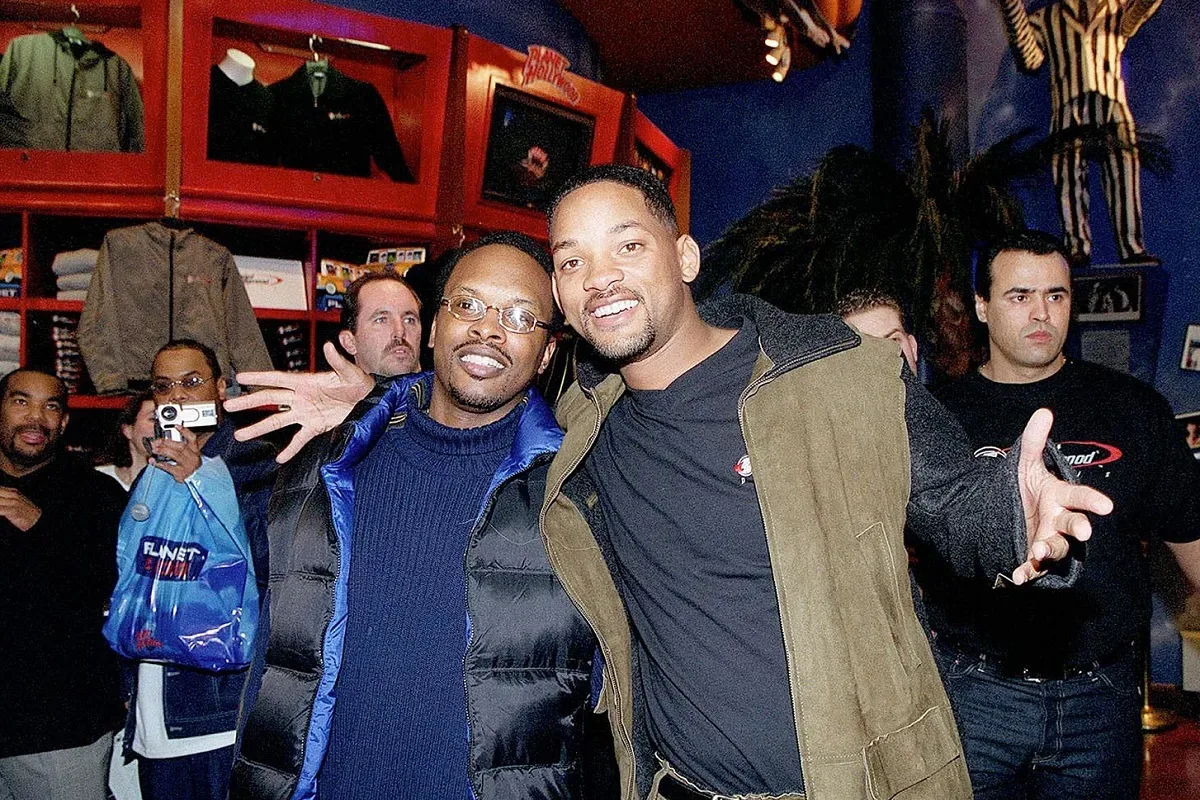
For a broader look at another music-story adaptation in development, see the planned TV project centered on Will Smith and DJ Jazzy Jeff’s West Philly rise.
Until Wayne or Drake identifies a specific song or project, the vault is best understood as possibility rather than a promise. Yet Wayne’s remarks offer a more substantial basis for that possibility than fan speculation alone: two artists with an established history together, a collection of unheard work, and an ongoing effort to revisit it.