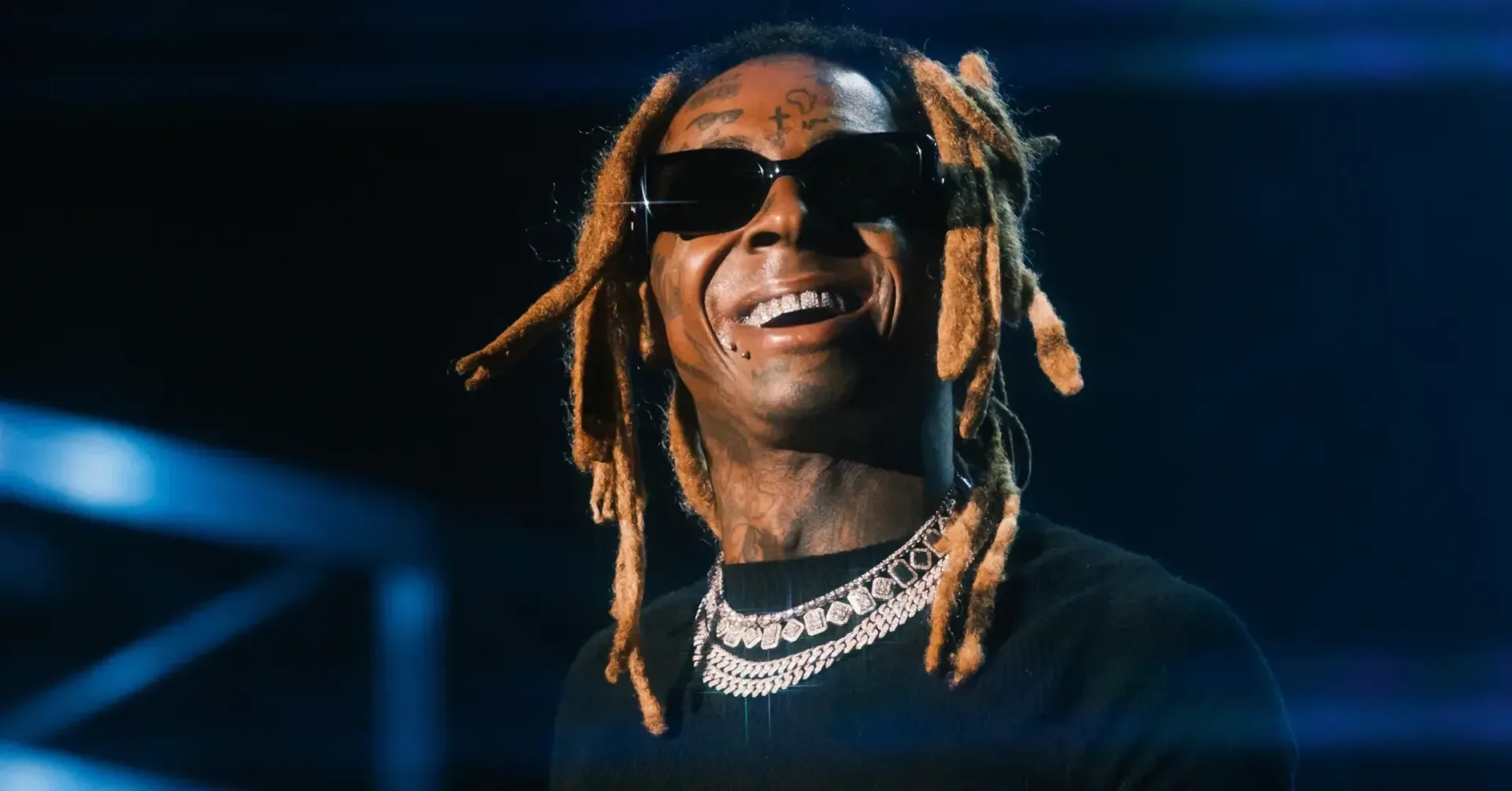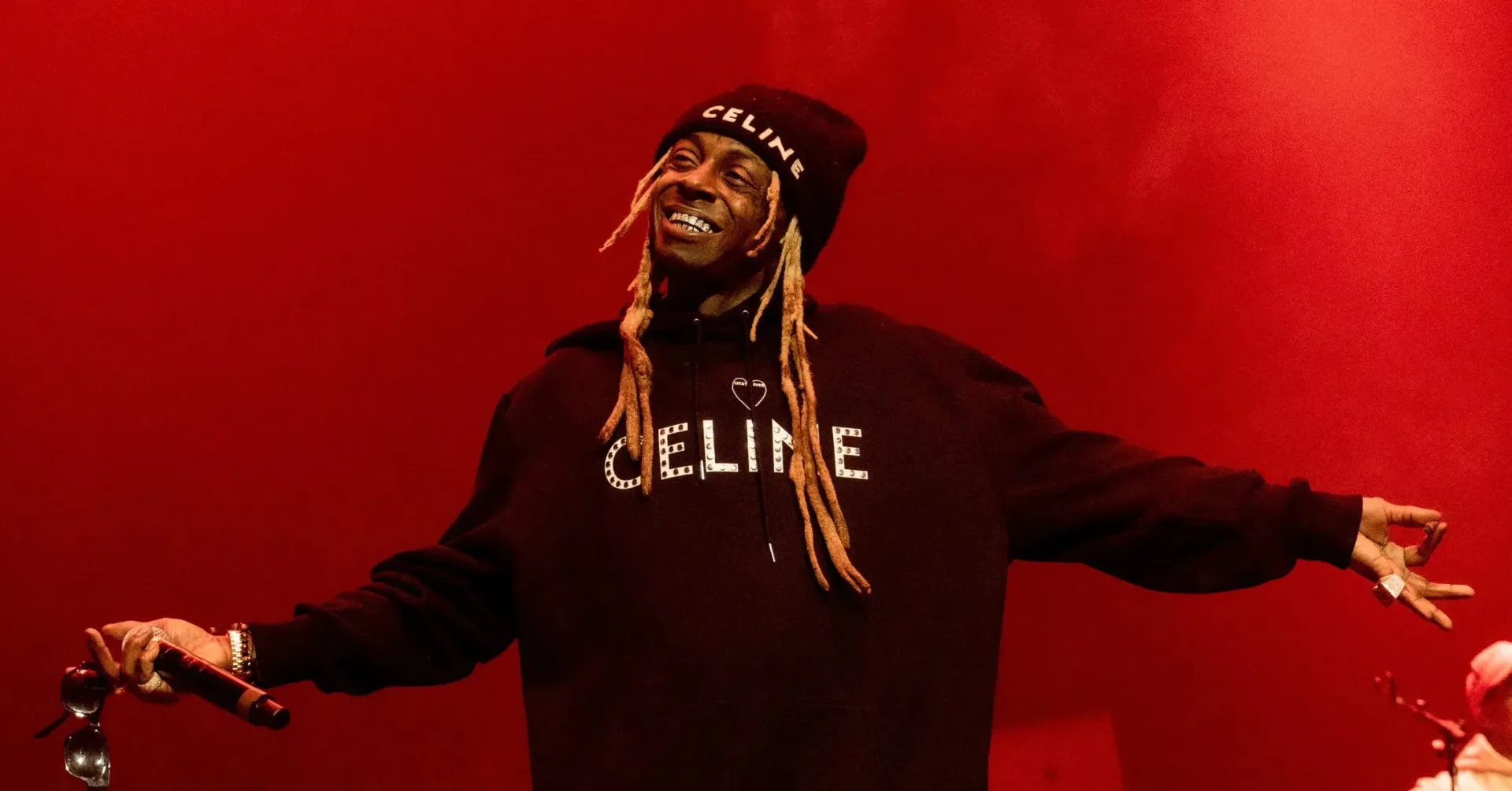
Lil Twist has offered an explanation for one of the more notable what-ifs around Young Money’s “BedRock.” During a livestream with N3on, Twist said Lil Wayne left him out of the song’s video as punishment after Twist ran up roughly $70,000 in studio-time costs.
The claim is Twist’s account of an internal label decision, rather than a newly documented accounting record or a statement from Wayne. Still, it puts a specific reason behind an absence fans may have noticed when looking back at the song’s crowded lineup: Lloyd, Lil Wayne, Drake, Nicki Minaj, Gudda Gudda, Tyga and Jae Millz were named among the performers connected with the major Young Money hit, while Twist was not.
“Wayne was like why Twist spend $70K in the studio,” Twist said. “He was mad at me… I wasn’t paying attention to the invoices so I couldn’t be in the video, that was my punishment… Wayne used to play bad punishment games.”
A costly lesson, in Twist’s telling
The central detail in Twist’s recollection is not simply that studio time was expensive. It is that he says he was not watching the invoices. In recording, an invoice is the bill for booked studio services and associated time. Twist described the situation as one in which the total cost became a management issue, then a creative and promotional consequence.
His version of events suggests Wayne treated participation in the “BedRock” visual as leverage: access to a high-profile promotional moment could be withheld when an artist failed to manage a substantial expense. Twist also said this kind of punishment was not unique to him, claiming Wayne used similar “punishment games” with other artists on the roster. That broader assertion has not been independently established in the material at hand, so it is best read as Twist’s characterization of the label environment he experienced.
There is an important distinction between being omitted from a video and being removed from a record. Twist specifically tied the consequence to not being in the video. Music videos can be a major part of a single’s public identity, particularly for a collaboration designed to introduce or reinforce a label’s wider group of artists. They provide an artist with repeat visibility alongside established names, visual association with a collective, and a durable place in the audience’s memory of a hit.
That does not make it possible to calculate what Twist’s career would have looked like with a “BedRock” appearance. Counterfactuals—claims about what might have happened under different circumstances—cannot be proven from one missing opportunity. But the reason the anecdote lands is clear: “BedRock” is remembered as a large Young Money moment, and Twist says he was close enough to that moment for discipline over studio spending to determine his exclusion.
Why a video credit can matter
All-star singles often operate on more than one level. The song is a release, but the video can also be a public map of who belongs to the group at that point in time. For a developing artist, that kind of visibility can be valuable even when it does not guarantee a breakout. An appearance beside high-profile collaborators puts a face and persona in front of a much broader audience than a lesser-known artist might reach alone.
That context makes Twist’s story about more than an old bill. It is about the balance of responsibility and opportunity within an artist development system. A label can invest money, studio access and promotion in emerging performers; at the same time, those performers may have limited control over the biggest platforms available to them. If Twist’s account is accurate, the discipline was highly public in effect even if the dispute itself was internal: he missed a video attached to a major song.
It also illustrates why artists and their teams need a clear grasp of recording budgets. Studio time is not an abstract creative resource. Bills can accumulate through bookings, personnel and extended sessions, and an artist who is not following the paperwork may discover the financial implications only after a problem has formed. Twist’s wording—“I wasn’t paying attention to the invoices”—places responsibility on his own lack of oversight, while also presenting Wayne as a hands-on label leader who responded forcefully.
What the story does and does not establish
Twist’s livestream comments establish that he now connects his “BedRock” omission to the alleged $70,000 studio spend and to Wayne’s reaction. They do not, on their own, establish a complete timeline, confirm the precise underlying charges, or show how every decision around the song and video was made. Nor do they prove that inclusion would have changed Twist’s commercial trajectory.
Those limits do not drain the anecdote of significance. They sharpen it. The story is most useful as a firsthand recollection about accountability inside a prominent rap collective, not as a definitive audit of Young Money’s finances or a settled alternate history. Twist was a Young Money artist with notable songs in the late 2000s and early 2010s, but he did not ultimately reach the same level of stardom as some of the imprint’s biggest names. That reality naturally gives a missed appearance on a remembered hit additional weight in hindsight.
The larger Young Money nostalgia factor
“BedRock” still carries nostalgia because it captures a densely populated period of Young Money activity, with several artists attached to the same hit. The lineup itself is part of the appeal: a listener can hear and see a collective rather than a single star working alone. In that setting, every missing member can become a point of curiosity years later.
Twist’s new explanation turns that curiosity into a practical cautionary tale. Creative ambition and resource management are not separate worlds, particularly for younger acts trying to establish themselves. More studio time may sound like more investment in the craft, but it still demands attention to cost and authorization. An artist can be focused on recording while someone else handles the business, yet a failure of communication around either role can have career-facing results.
The account also invites a narrower reading of Wayne’s reputed involvement: Twist portrays him as someone attentive enough to notice a major studio expense and willing to use access to an important promotional opportunity as discipline. Whether audiences interpret that as strict mentorship, excessive control, or simply a rough-edged label dynamic will depend on their view of the story. The available information supports only Twist’s telling, including his own framing that the punishment was “bad.”
For fans revisiting the era, the revelation adds a human-scale detail to a familiar music-video memory. A song built around an expansive roster now has an explanation—unverified beyond Twist’s firsthand retelling—for why another Young Money artist believes he was not part of its visual moment. It is a reminder that the polished final version of a pop-cultural event can conceal ordinary but consequential disputes over budgets, invoices and accountability.
For another look at how creative companies publicly reckon with quality and management decisions, see this report on Creative Assembly’s response to concerns around Shogun 2 Complete Edition.