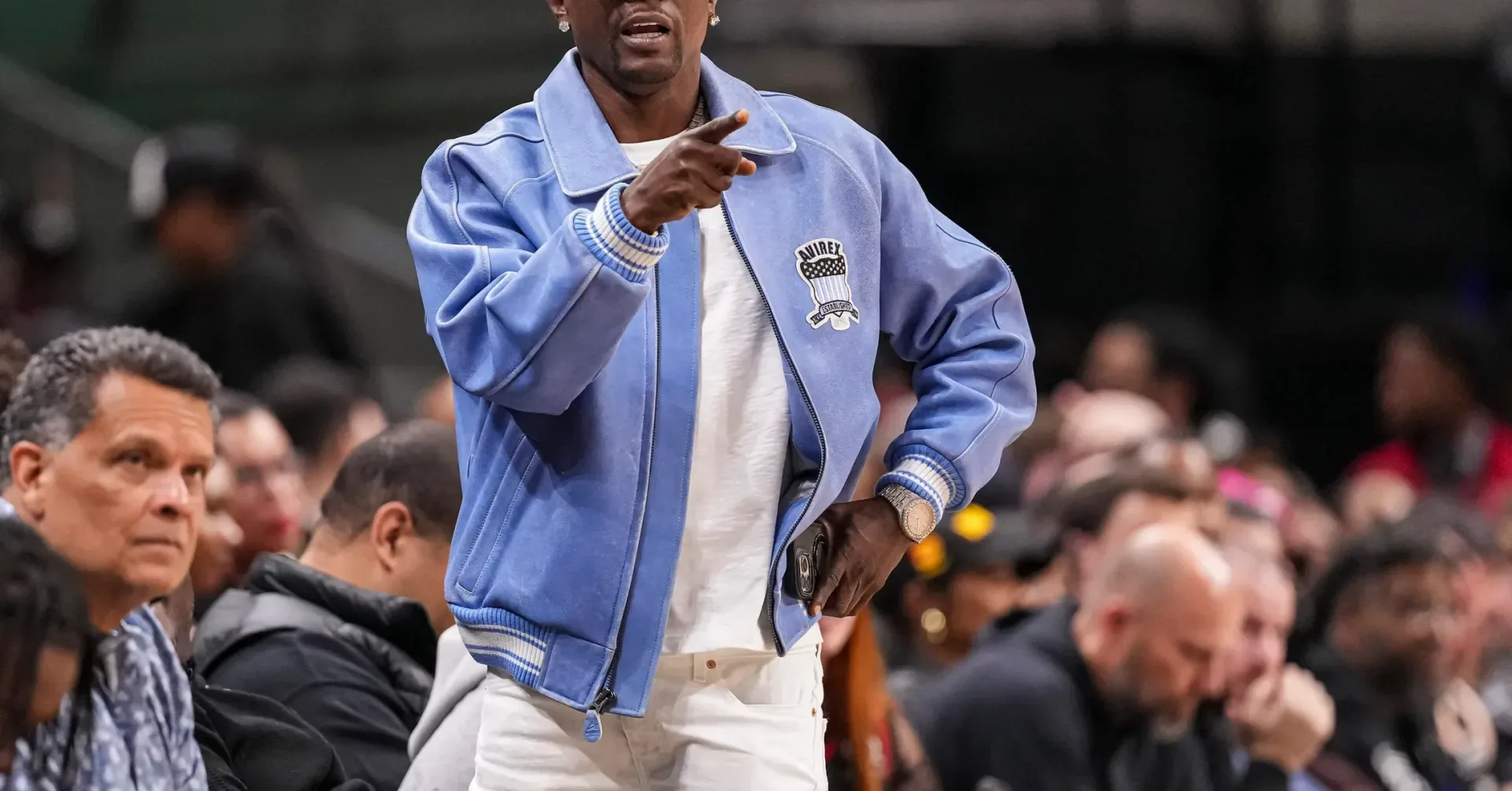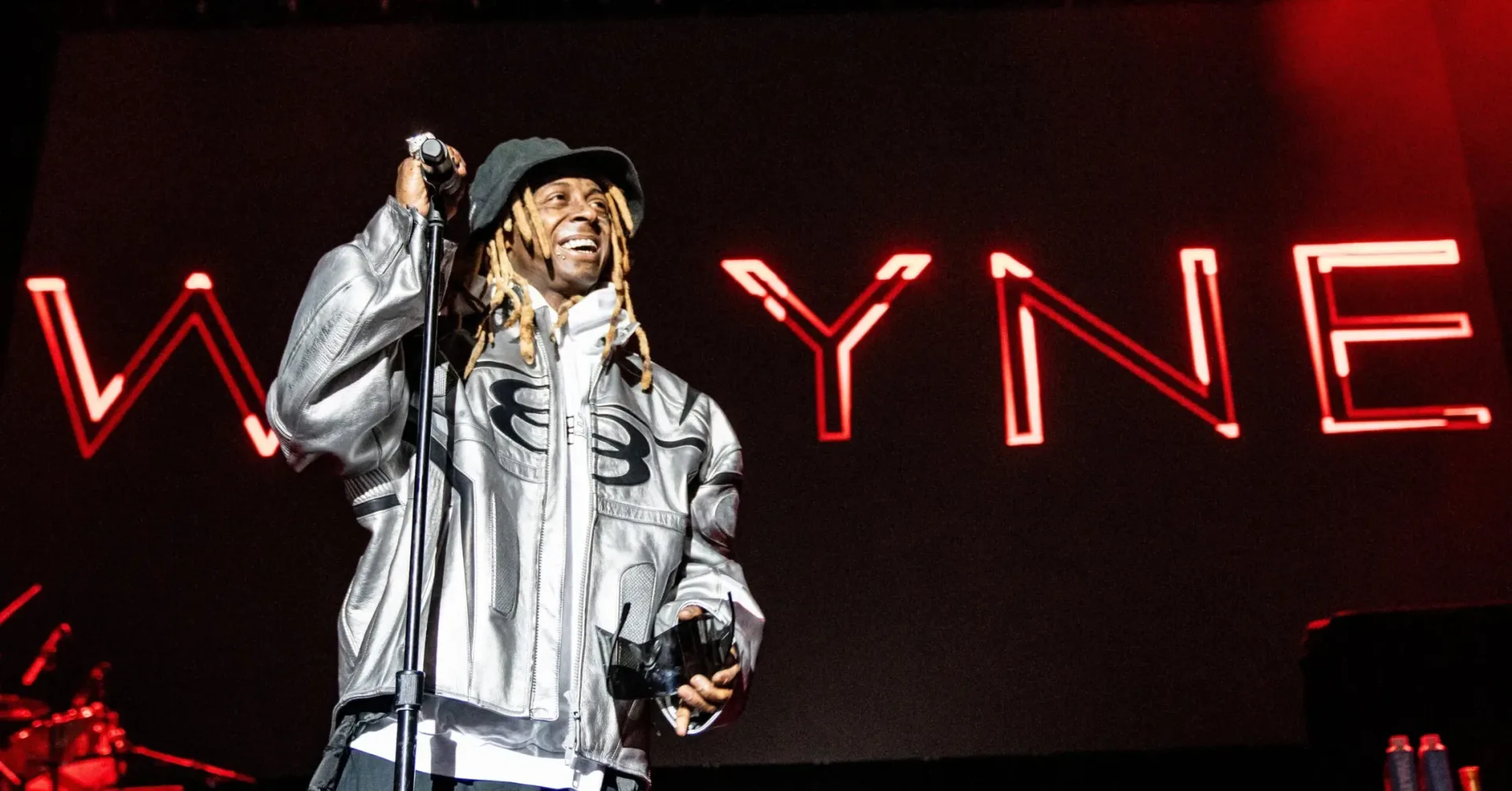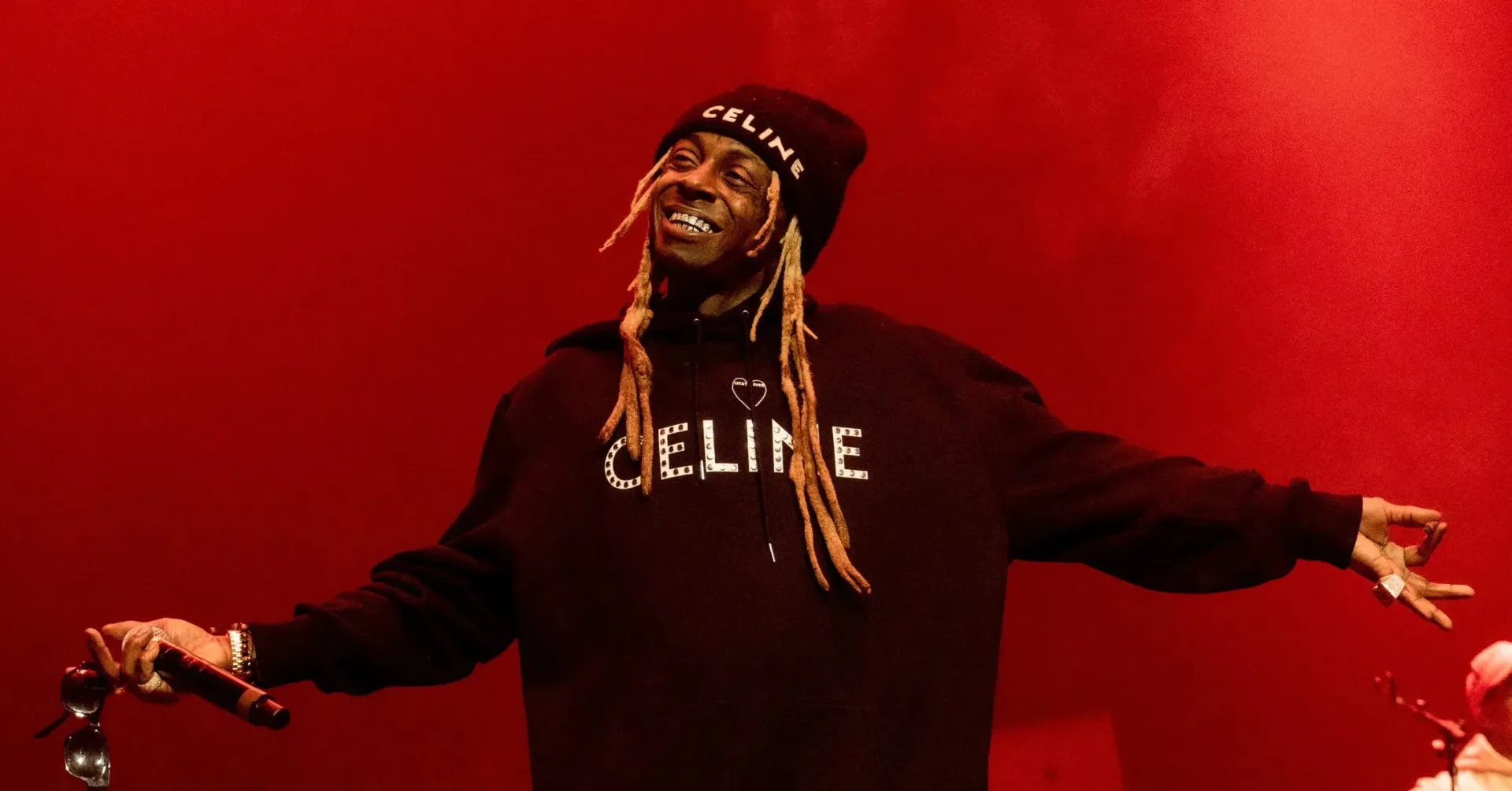
Lil Wayne has offered an unexpectedly clear answer to one of rap fandom’s favorite hypothetical matchups: Boosie Badazz gets the edge.
Speaking on In The Bayou With Tyrann Mathieu, Wayne said he had seen the clip in which Boosie put his name forward for a Verzuz-style contest. Rather than meet that bravado with a competing claim, Wayne repeatedly gave Boosie credit. His response was emphatic, characterizing Boosie as a formidable artist and saying, in effect, that he did not want that matchup.
The moment is notable precisely because it is not a formal announcement. There is no confirmed event, date, format, venue, song list, or indication that either artist is in active negotiations for a battle. It is a public exchange built around a possibility: Boosie expressed readiness to face anyone in a 20-song hits contest, including Wayne, and Wayne responded with an unusually generous concession.
What Boosie Badazz Proposed
Earlier in the year, Boosie said in a viral clip that he would stand up “like a champion” against any opponent in a 20-song battle. Lil Wayne was among the names he was willing to face. That is an important detail because it establishes a specific imagined format rather than a vague boast about one rapper being better than another.
A 20-song hits battle is, at least in theory, a round-by-round presentation of each artist’s catalog. The phrase “hit battle” matters. It suggests that the deciding factor would not necessarily be technical rapping, album cohesion, influence, or critical reputation. The contest would instead center on song selection and how each choice lands in the moment.
That distinction is why hypothetical Verzuz discussions can create so much disagreement without either side being plainly wrong. One listener may favor the largest and most broadly recognized records. Another may value regional anthems, deep personal attachment to a song, a feature that defined an era, or the ability of a record to transform a room. The format rewards sequencing as much as the existence of an extensive discography.
Boosie’s framing was simple: pick 20 songs and let the music do the talking. Wayne’s answer did not challenge the premise or suggest another rule set. Instead, he offered respect, saying Boosie had him and giving him a shout-out.
Wayne’s Response Is Respect, Not a Scorecard
It would be easy to turn Wayne’s comments into a definitive verdict on the two catalogs. That goes further than the exchange supports. Wayne did not lay out a track-by-track case for Boosie, identify which songs would win rounds, or define the criteria he was using. He also did not say that a contest had been scheduled or that he had formally declined an offer.
Related coverage includes Lil Wayne Gives Boosie Badazz the Edge in Hypothetical Verzuz Battle.
What he did do was publicly validate Boosie’s confidence. In an arena where challenge clips often invite dismissal, mockery, or escalating claims, Wayne chose admiration. The tone was not analytical: it was candid, informal, and complimentary. That alone gives the exchange its appeal.
The response also stands out against Wayne’s earlier confidence that he would embarrass anyone he faced in this kind of setting. Boosie appears to be the exception Wayne was willing to name. Whether that is a serious prediction, affectionate competitive talk, or both, the practical result is the same: the discussion now has a memorable soundbite from the artist presumed by many observers to be the overwhelming favorite.
Why a Verzuz-Style Battle Is Hard to Predict
“Verzuz” has become shorthand for a catalog-versus-catalog performance matchup, but the label can obscure how subjective those contests are. A battle format is not the same as a ranking of overall artistry. It is a live comparison built one selection at a time.
Several factors could matter in a theoretical Wayne-versus-Boosie event:
- Song choice: A major record can lose impact if it arrives at the wrong point in the sequence, while a perfectly timed selection can redefine a round.
- Audience connection: An artist’s records may carry especially strong meaning for a particular regional or generational audience.
- Features and collaborations: Catalog battles often prompt debate over how much a guest appearance should count compared with a song led by the competing artist.
- Performance context: A crowd’s reaction, the energy of the presentation, and the stories attached to songs can matter alongside streaming-era measurements or chart memories.
- Definitions of “hit”: Fans may use the word to mean commercial success, cultural durability, club impact, local significance, or personal recognition.
Those variables explain why Wayne’s concession should not be treated as evidence that a finished 20-round score exists somewhere. It is a show of esteem, and perhaps an acknowledgment that Boosie’s records could be extremely difficult to answer in the right environment.
There is also no neutral, universal audience for an imagined matchup. A battle built around the songs listeners associate with Louisiana and the Bayou could feel different from one staged for another crowd. That does not make one outcome more legitimate than another; it illustrates the difference between raw catalog size and the immediate force of records with a particular community.
What Is Confirmed—and What Is Still Speculation
The confirmed part is limited but meaningful. Boosie publicly said he was willing to take on anyone in a 20-song hit battle and included Wayne among the possible opponents. Wayne later said he had seen the challenge and credited Boosie with having the advantage. During the same conversation, Wayne also reacted with surprise on learning that Boosie had been incarcerated at Angola prison.
Everything beyond that remains hypothetical. Neither performer announced a date. No official Verzuz pairing has been presented. No list of 20 tracks from either rapper exists in this exchange, and no one has established judging, rules, or the setting in which the contest would take place.
That uncertainty is worth keeping front and center, especially because battle chatter tends to gain momentum quickly online. A viral challenge is not an event confirmation, and a gracious response is not the same as a signed commitment. Fans can debate the matchup without treating it as booked.
The Practical Case for Keeping It Hypothetical
For now, the real value of the exchange may be the conversation it starts. Wayne’s praise removes some of the usual hierarchy policing from the debate. Instead of immediately asking whether Boosie is “allowed” to challenge Wayne, listeners can ask the more interesting question: what would each artist’s best 20-song run look like, and what does “winning” mean in that setting?
It is also a reminder that catalog talk is not only about consensus lists. Artists themselves can have a different sense of which peers pose the hardest challenge. Wayne’s comments suggest he sees something in Boosie’s body of work, delivery, or audience connection that deserves direct respect. He did not need to provide a spreadsheet of accomplishments to make that point.
For readers following broader music and culture conversations, Joking Joystick has also covered Vic Mensa’s comments on solidarity and anti-Black racism.
A Matchup Built for Debate, Not Yet for the Stage
Wayne and Boosie have given fans the essential ingredients for a durable hypothetical: a direct challenge, a striking response, two distinct catalogs, and no actual contest to settle the question. Wayne’s words may surprise listeners who expected him to lean on his own competitive reputation, but the clearest reading is also the simplest one. He was giving Boosie flowers.
Until a real Verzuz event is announced, any prediction is just that—a prediction. The 20-song premise remains Boosie’s proposed challenge, while Wayne’s reply has ensured that people will keep imagining how the rounds might unfold.