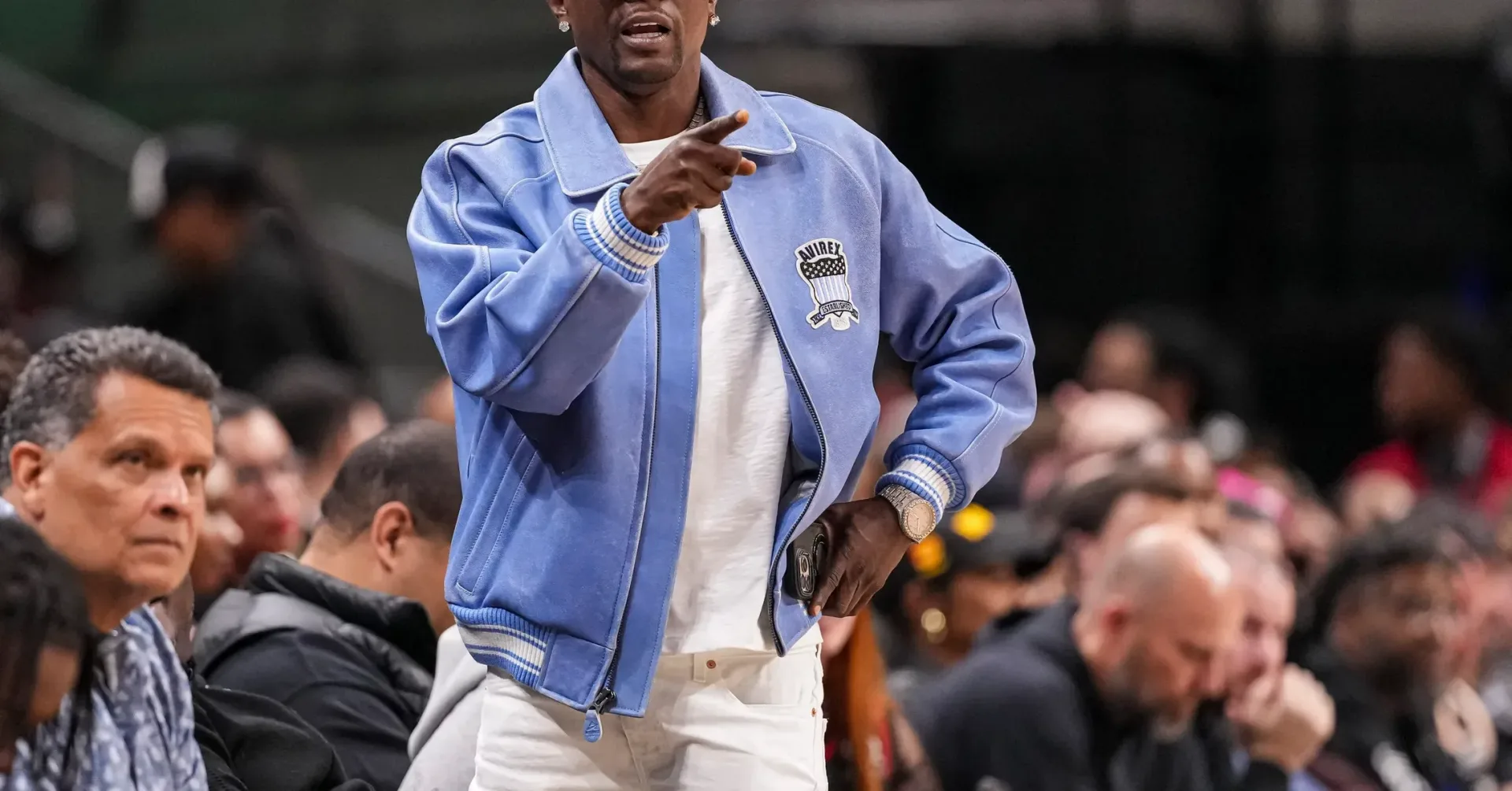
Boosie Badazz has put himself forward as a willing Verzuz competitor and says even a proposed matchup with Lil Wayne would not make him back down. In a recently circulated video, Boosie speaks with total confidence about the length of his career and the volume of music he believes he can bring to a song-for-song format.
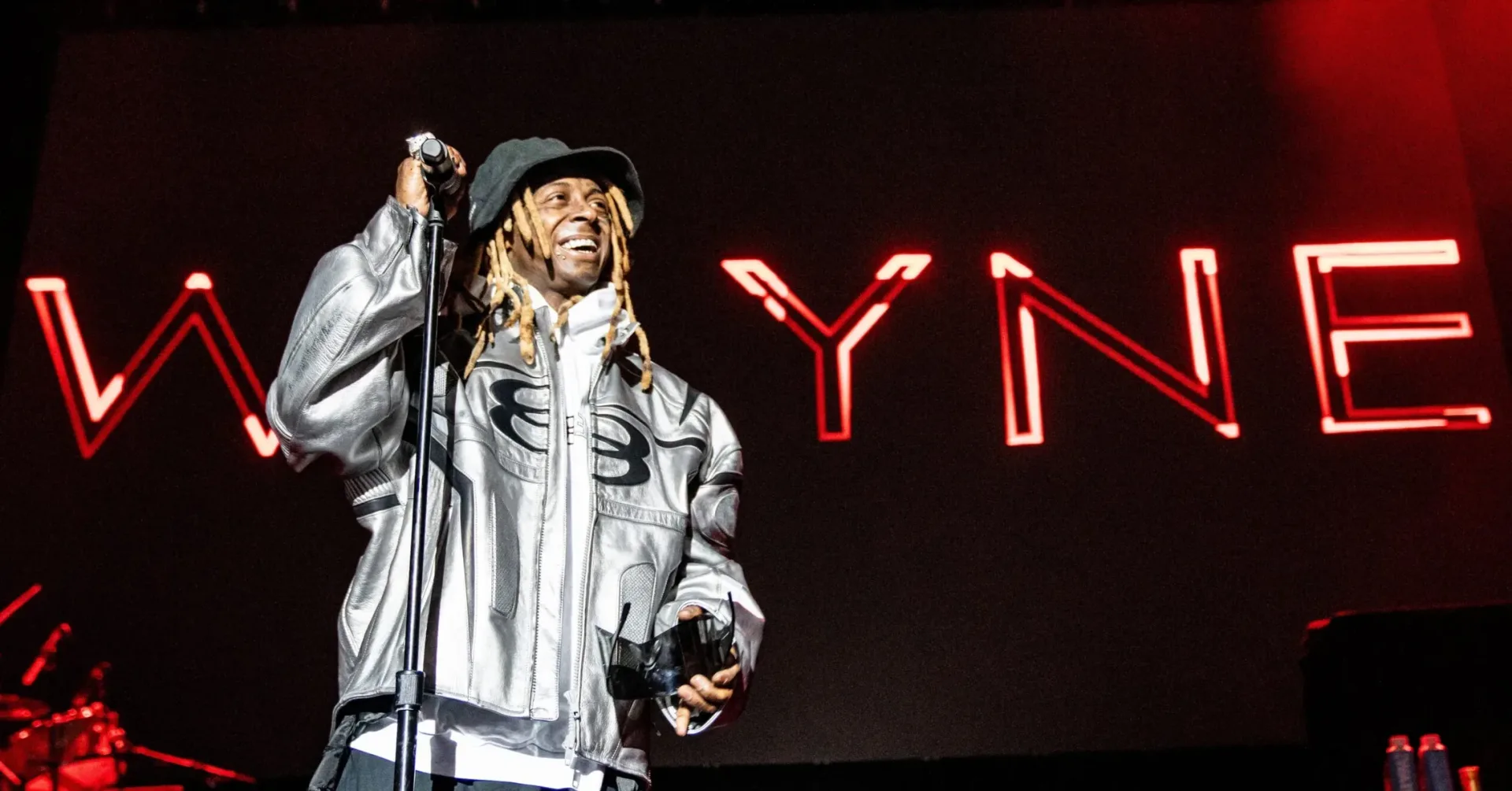
When Lil Wayne’s name comes up as a possible opponent, Boosie’s answer is direct: he is prepared to face him. That is an ambitious call because a Verzuz pairing is not simply a debate about who is the better rapper. It is a performance built around records, audience reaction, recognition, timing and the ability to select the right song for each moment.
Nothing in the exchange indicates that a Boosie-versus-Wayne event has been arranged. It is a challenge and a statement of confidence, not a confirmed matchup. It also does not appear to be a personal dispute between the two Louisiana artists. Boosie’s remarks are instead about wanting a credible opponent for a competitive music showcase.
Boosie’s case rests on longevity and two eras of his career
Boosie describes his career through both of his well-known artist names: Lil Boosie and Boosie Badazz. He says he began in 1998 and likens the two phases to Kobe Bryant wearing No. 8 and No. 24, calling them his “two Hall of Fames.” The comparison is a way of presenting his output as more than one chapter: an early run under one name and a later body of work under another.
That framing matters in a format such as Verzuz. A performer with music spanning many years can potentially make choices for different kinds of listeners: people attached to foundational material, those who know later releases, and audiences who recognize songs through features or regional impact. But longevity by itself does not determine a battle. A long discography only becomes an advantage when it contains songs that can land quickly in a shared listening environment.
Boosie’s comments make a narrower point as well: he does not see his work as limited to one period or one identity. His willingness to entertain a Wayne matchup suggests he believes the full scope of that catalog gives him a legitimate place in the conversation, even against an artist widely associated with an exceptionally deep run of records.
What a Verzuz battle actually tests
Verzuz is commonly called a battle, but it is not a conventional rap battle in which performers trade newly written disses or compete primarily through freestyle technique. The central question is usually which artist can play the stronger sequence from an existing catalog. The songs are the evidence, while the audience response supplies much of the drama.
That distinction helps explain why hypothetical pairings can be so difficult to predict. A head-to-head can turn on several factors:
- Song recognition: Does the room immediately know the record, its hook or its opening?
- Selection: Can each artist avoid spending major songs too early while still keeping momentum?
- Range: Does the catalog offer different moods, tempos and moments rather than one repeated lane?
- Performance presence: Can the artist introduce and deliver the music in a way that increases its impact?
- Shared history: Do the two catalogs speak to overlapping audiences, regions or eras?
Those elements make “who wins” a more complicated question than raw career stature. One artist may have a huge collection of tracks, while another may possess a smaller set of songs that hits especially hard with a particular crowd. The format rewards strategy as much as reputation.
Why Lil Wayne is an especially large proposed opponent
The Wayne suggestion is notable because Boosie is not calling out an unknown or obviously mismatched challenger. The discussion presents Wayne as an artist whose catalog would be extremely hard for anyone to face song for song. Boosie nevertheless welcomes the prospect, saying, “Bring him on,” and adding that he would stand up “like a champion.”
That is the language of a competitor seeking the highest-profile test available. It also illustrates the appeal of Verzuz speculation. The best hypothetical matchups are not always those where fans expect an easy answer. They are the ones that force listeners to think about what counts: hit records, cultural reach, live energy, regional connection, album cuts, collaborations, or a career’s durability.
A Boosie-Wayne pairing would also put attention on how listeners weigh different pathways through rap. The supplied remarks identify both artists as Louisiana figures, but they do not establish a specific shared musical history or any planned event. Still, Boosie’s reaction shows that he views the comparison as a challenge worth accepting rather than a line he should avoid crossing.
A shift from Boosie’s earlier stance
Boosie’s recent enthusiasm is notable because he has not always appeared eager to take part in the format. He previously said he had been approached about doing Verzuz with Trick Daddy. That matchup did not happen, with Trick Daddy reportedly declining because of their friendship.
At the time, Boosie explained that battling was not his focus, stressing that his music came from his own experiences. That perspective is understandable: competitive formats can invite fans to reduce a large body of personal work to a scoreboard. For artists whose songs are closely tied to autobiography, struggle or local identity, the idea of “winning” can feel disconnected from why the music was made.
The newer comments do not necessarily contradict that earlier view. An artist can value the personal basis of his music while also believing his songs can withstand a public catalog contest. What has changed, at minimum, is the openness of Boosie’s challenge. In the video, he sounds interested in a worthy opponent and unconcerned about the scale of the name put before him.
Hot Boy Turk is a different kind of dispute
The remarks arrive after a separate back-and-forth involving Hot Boy Turk. Turk challenged Boosie and alleged that Boosie took elements of his persona, including the “Boosie fade” hairstyle. Boosie dismissed Turk and his catalog.
That disagreement should not be confused with the proposed Lil Wayne faceoff. The Wayne talk is framed as a competitive possibility without apparent animosity. The Turk exchange, by contrast, involves a specific accusation about image and identity. Both situations touch the same broad idea—who has the stature and catalog to command attention—but they are not the same story.
For now, the concrete development is Boosie’s stated willingness to enter the Verzuz arena, including against one of the biggest names raised in conversation. There is no announced date, venue, format or confirmed opponent. The video is best read as an invitation: Boosie believes his career, across his Lil Boosie and Boosie Badazz eras, gives him the records to stand across from anyone.
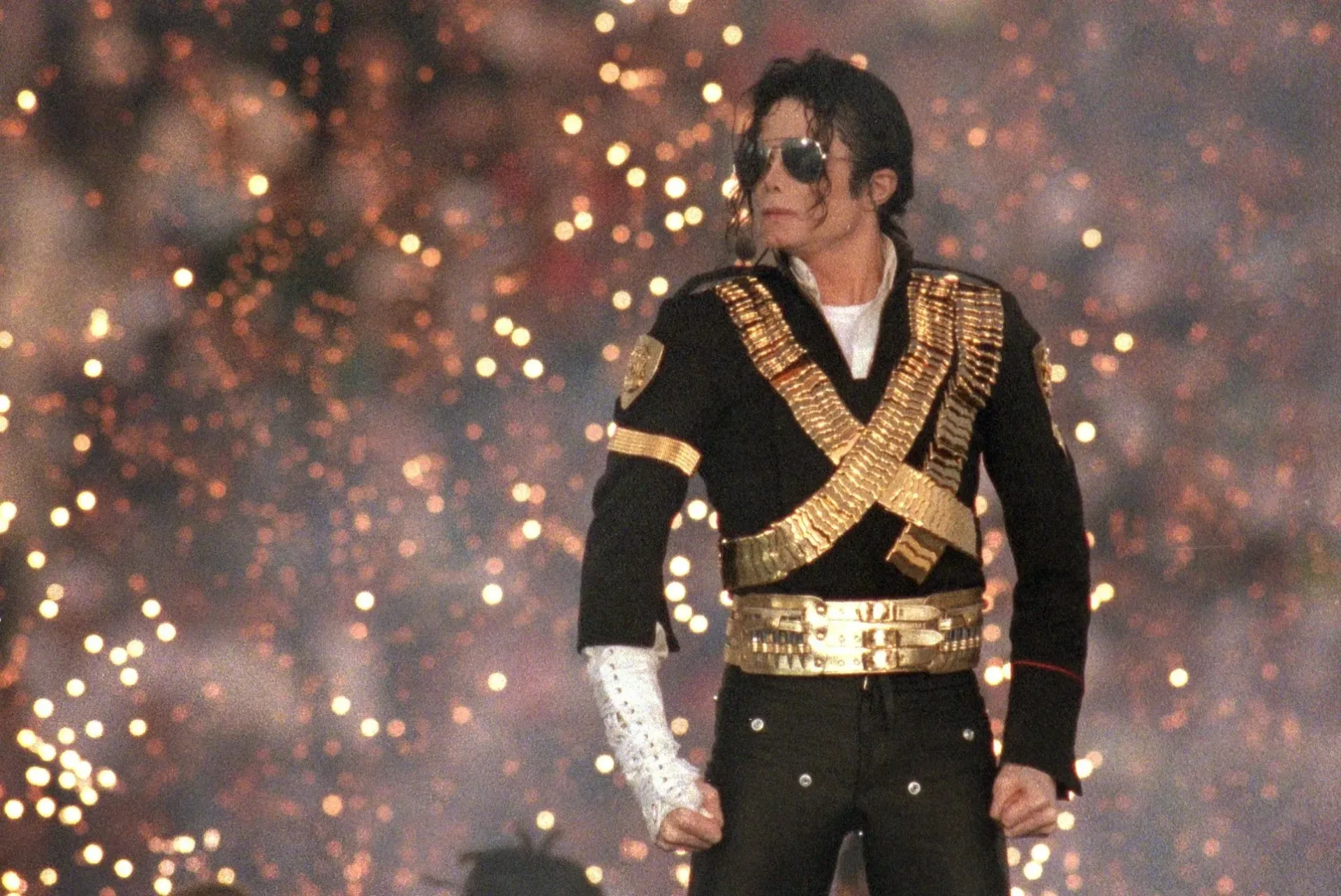
Music competitions often work because they turn fans into active participants, asking them to revisit catalogs and defend the songs that marked different moments in their lives. Big live-performance moments can remain part of popular conversation for years; that long-tail attention is also central to projects such as a forthcoming documentary focused on Michael Jackson’s Super Bowl performance. In Boosie’s case, the immediate question is simpler: who, if anyone, will answer the challenge?