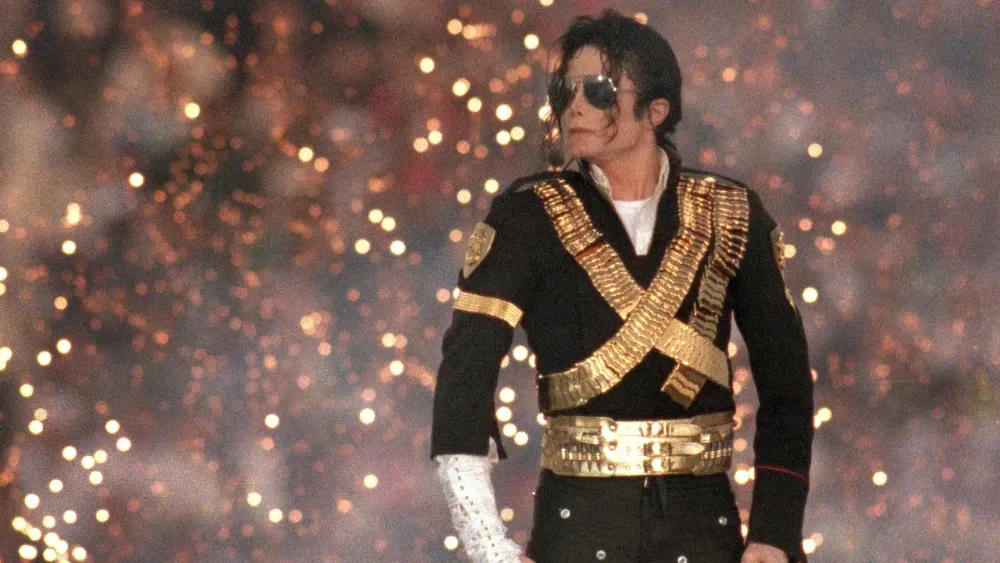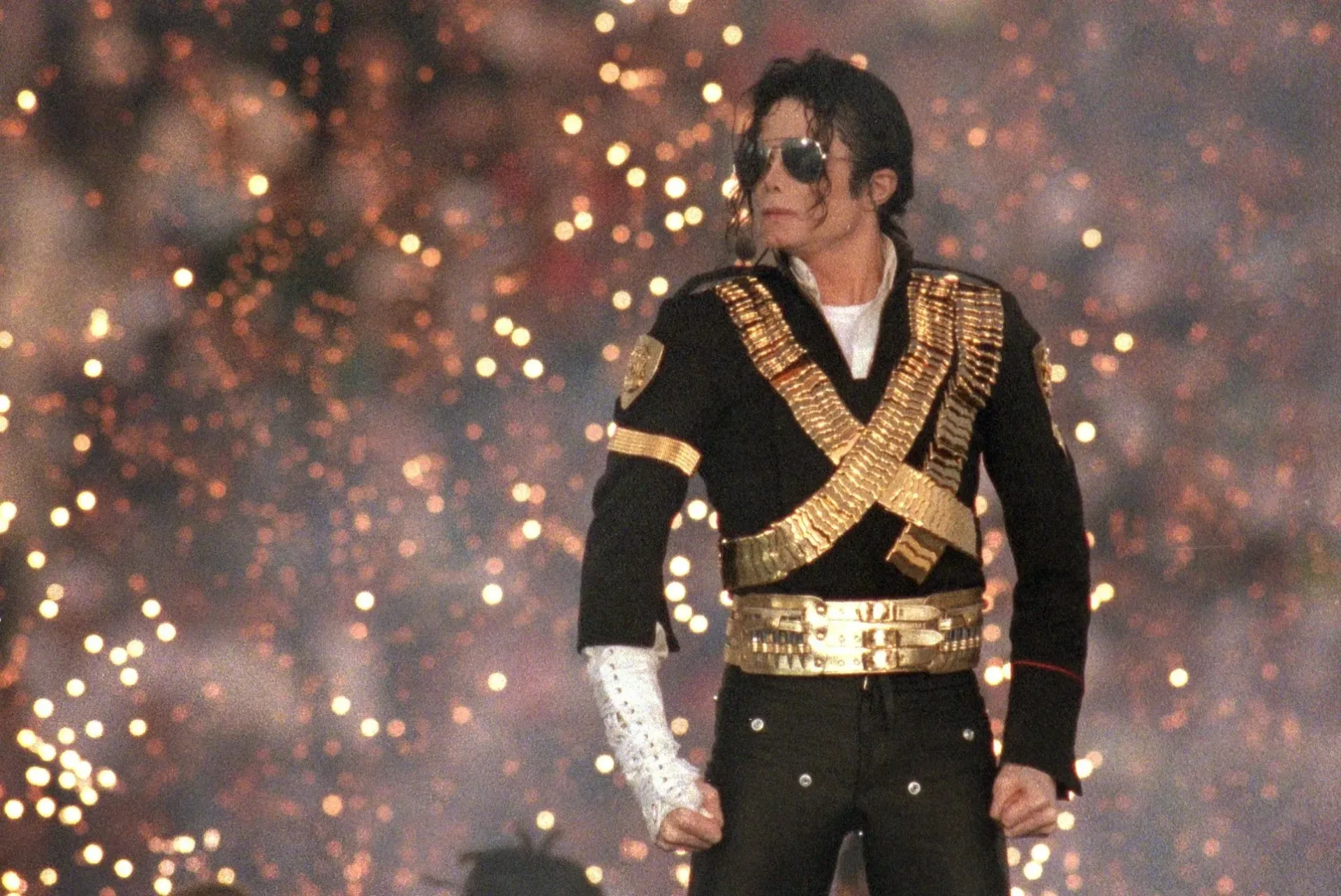
Michael Jackson’s 1993 Super Bowl halftime performance is getting a dedicated documentary. Spectacle: Michael Jackson at the Super Bowl is scheduled to debut on Hulu and ESPN in February 2027, focusing on the lead-up to the Rose Bowl production and the work of Jackson and his team.
The project promises previously unseen footage, positioning the performance as a major turning point for the Super Bowl halftime format. That is a substantial claim, but the available outline gives the film a clear subject: not merely replaying a famous set, but examining how a live television event was planned and constructed around a global pop star.
A documentary about the making of a television event
The title’s use of “Spectacle” is fitting. A halftime show is a short, tightly timed performance presented within one of television’s biggest annual sporting broadcasts. The documentary’s stated focus on preparation suggests that its central story will be the production choices that make such a compressed event work: coordination, staging, costumes, choreography and the creative decisions needed to translate an artist’s identity to a vast broadcast audience.
The supplied details do not specify the exact material in the unseen footage or identify the particular participants who appear in it. That distinction matters. “Previously unseen” describes the footage’s public status, not necessarily its length, quality, or the precise new revelations it may contain. Viewers should therefore treat it as a promise of fresh archival perspective rather than a preview of specific disclosures.
What is known is that the film will follow Jackson and his team as they prepare for the performance at the Rose Bowl. That places the behind-the-scenes process at the heart of the film, rather than framing the 1993 appearance only as a retrospective playlist or a general biography of Jackson.
Why the 1993 halftime set remains the key subject
Jackson’s performance is widely associated with a broader change in how the halftime slot was perceived. Before it, halftime entertainment was typically centered on marching bands and older musical acts. In the years that followed, the show became a coveted destination for enormously recognizable performers, including U2, Prince, Bruce Springsteen, Beyoncé and Bad Bunny.
That history is important because it explains why a film can sensibly concentrate on a single performance. The halftime show now occupies a cultural space of its own: it is both part of a football broadcast and a standalone pop event designed to command attention beyond the game. The documentary’s premise is that Jackson helped define that shift.
Calling one performer solely responsible for a long-running television transformation would flatten a complicated history, and the announced film will have to make its case through its archival material and production detail. Still, the basic contrast is clear. The 1993 show sits at the point where the halftime slot came to be treated as a major pop-culture attraction, with the performer and visual presentation becoming inseparable from the broadcast’s overall identity.
What “halftime spectacle” means in this context
In this case, “spectacle” does not simply mean a famous singer performing familiar songs. It refers to the combination of music, movement, costume, camera-ready imagery and emotional scale intended to work in a stadium and on television at the same time. A stadium audience experiences the physical size of an event; a home audience experiences it through framing and broadcast presentation. A production built for both has to make every visual choice legible across those different perspectives.
Jackson’s set combined signature choreography and costumes with songs that carried different tones. The announced setlist includes “Jam,” “Billie Jean,” “Black or White,” “We Are the World” and “Heal the World.” That mix matters to the documentary’s likely narrative: it moves from energetic, rhythm-led material to songs with a communal or explicitly emotional emphasis.
It also means the performance can be discussed as more than a collection of hits. Song selection is part of live-event storytelling. The sequencing of songs can establish momentum, introduce instantly recognizable moments, and close on an emotional message. The information available does not detail the internal decisions behind that sequence, but it establishes that the show balanced spectacle with songs aimed at a broader sense of unity.
Bao Nguyen will direct and produce
Spectacle: Michael Jackson at the Super Bowl is directed and produced by Bao Nguyen. Nguyen previously directed The Greatest Night in Pop, a documentary about “We Are the World.” The connection is notable because “We Are the World” is also among the songs listed for Jackson’s halftime set. It does not establish how the new film will approach that number, but it gives Nguyen prior documentary experience with a music story tied to Jackson’s performance repertoire.
Jesse Sisgold, Jon Weinbach and Lauren Gaffney are producing for Skydance Sports. John Branca is producing for Optimum Productions, while Amit Dey is producing for Into the Deep End Films. Karen Langford is an executive producer for Optimum Productions. Ross Ketover, Ken Rodgers, Keith Cossrow and Jessica Boddy are executive producers for NFL Films.
The participation of NFL Films is especially relevant to the premise. The 1993 show is fundamentally both a music event and a football-broadcast event. Archival footage and sports-media production expertise can potentially help document the logistical reality behind a halftime presentation, although no further details have been announced about which archive material will be used.
Sports documentaries often use game footage, backstage recording and interviews to explain an event’s stakes. Here, the stated emphasis is preparation for an entertainment performance. The football setting provides the scale and deadline; Jackson’s artistic team provides the creative story. How the finished film distributes attention between those sides remains to be seen.
The film arrives amid continued Michael Jackson screen projects
The documentary is being released in a period when Jackson’s life and work remain the focus of high-profile screen projects. It follows the Lionsgate biopic Michael, which starred his nephew Jaafar Jackson. A sequel to that biopic is in development.
The two projects have different apparent formats and purposes. A biopic is a dramatized account, with performers recreating people and events. A documentary, by contrast, is positioned here around archival footage and the real preparation for one specific televised performance. Neither format is automatically more comprehensive than the other; they are built to do different things. The announced documentary’s narrow focus may be an advantage for viewers interested in the craft and circumstances of the 1993 halftime show itself.
It also reflects a continuing appetite for films that isolate a defining cultural moment rather than attempt to tell the full life story of an artist. That approach can make room for useful detail: how an event was organized, why its songs and visuals were selected, and how its creators understood the audience they were trying to reach. Whether Spectacle delivers those answers will depend on the footage and interviews ultimately included.
The release is another example of how major television and streaming projects are being organized around recognizable cultural events and catalogues. For a separate look at the wider business of television development, see this report on an overall TV deal at Amazon MGM Studios.
What has and has not been announced
- Title: Spectacle: Michael Jackson at the Super Bowl.
- Release window: February 2027.
- Platforms: Hulu and ESPN.
- Subject: The preparation for Michael Jackson’s 1993 Super Bowl halftime performance at the Rose Bowl.
- Footage: The film is set to include previously unseen material featuring Jackson and his team.
- Director and producer: Bao Nguyen.
- Unconfirmed details: No specific February date, runtime, trailer, interview roster, or detailed description of the archival footage has been provided.
For now, the most compelling part of the announcement is its specificity. Rather than promising a broad survey of Jackson’s career, Spectacle will examine the making of one performance whose influence is tied to the modern identity of the Super Bowl halftime show. The material announced so far points to a production-focused documentary about music, live television and the planning required to make a few minutes on a stadium field register as a lasting pop-culture moment.