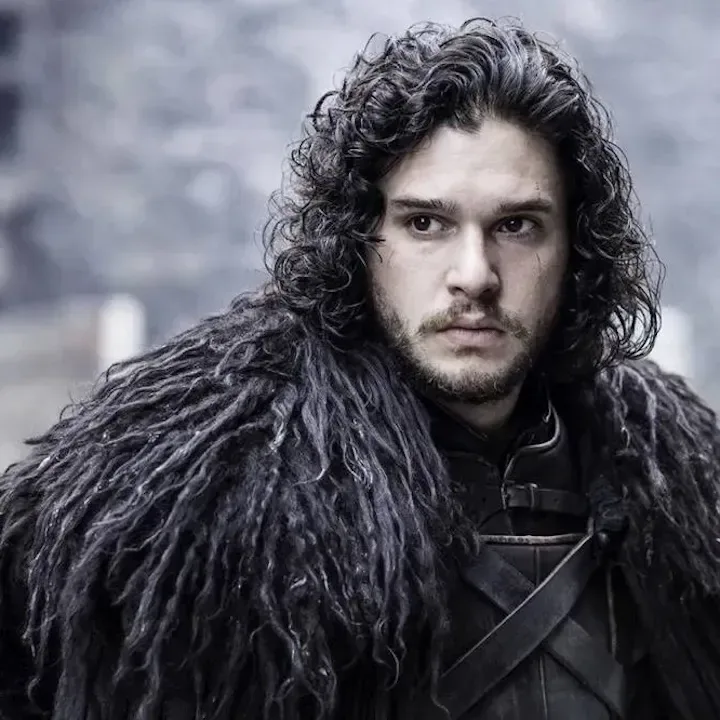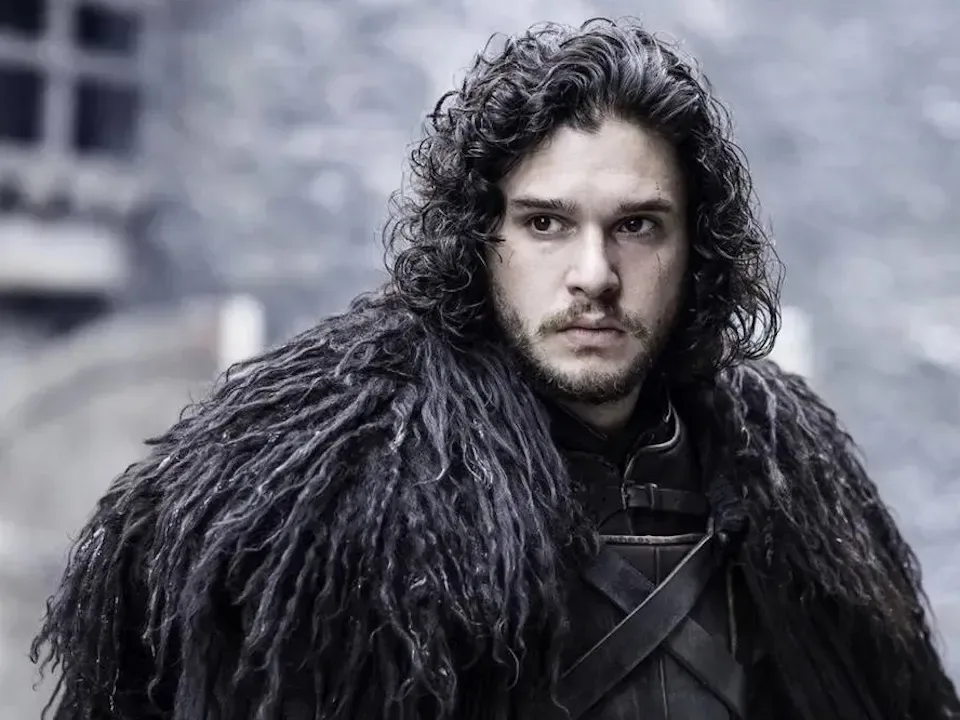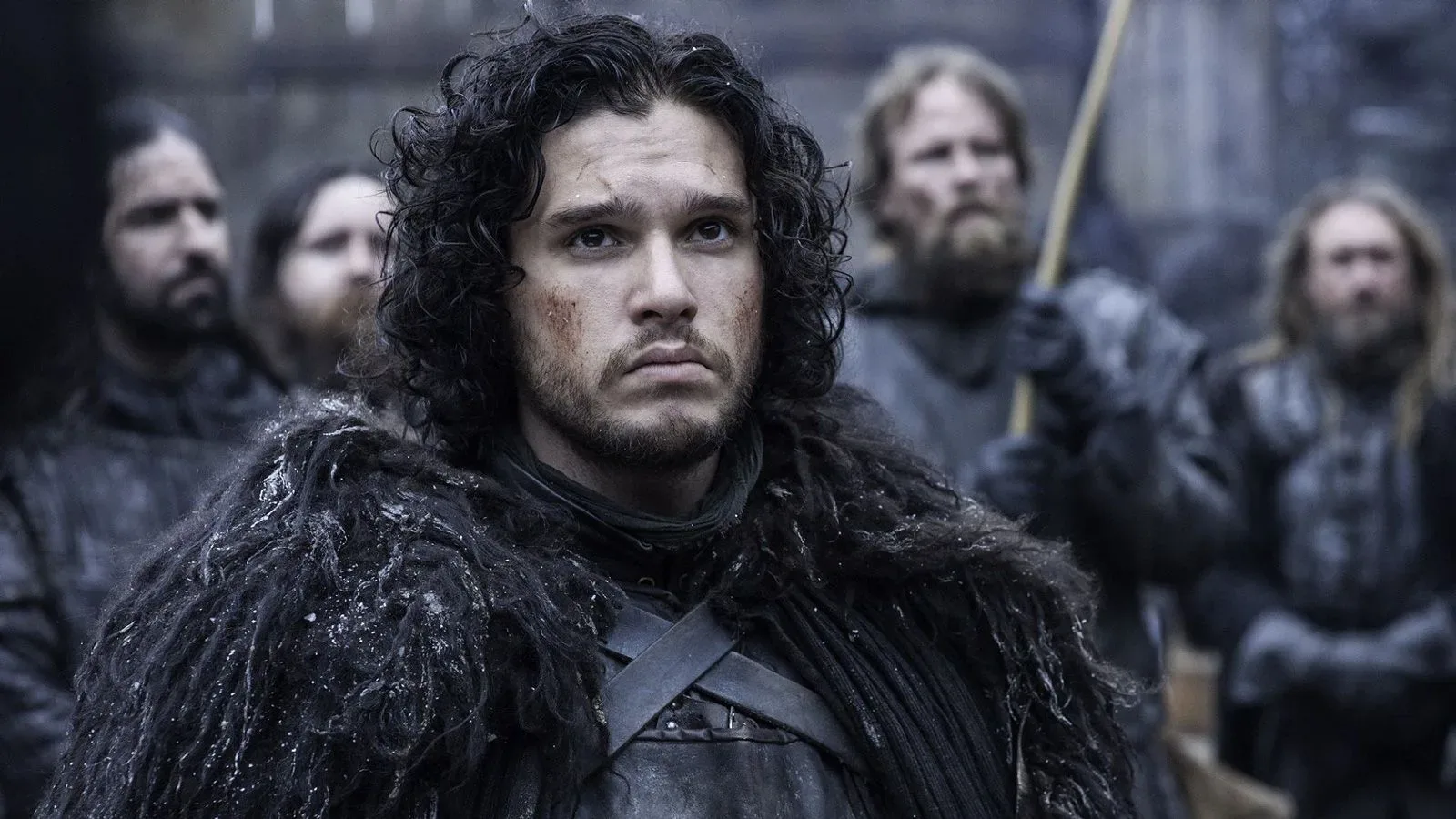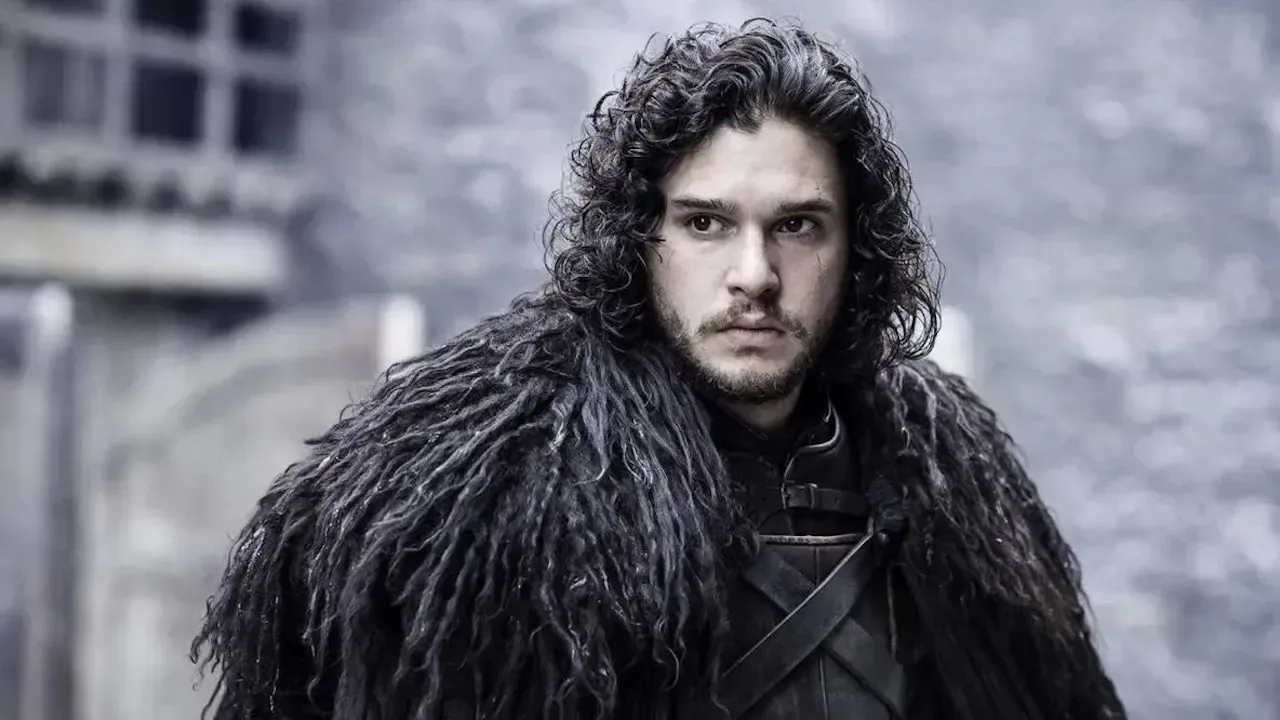
Kit Harington is no longer ruling out a return to Jon Snow.
The actor, who played the brooding Night’s Watch hero across the full run of Game of Thrones, has revisited the abandoned Snow sequel project and said he can now imagine a version of the idea that works. That is a meaningful change in tone from his much firmer response last year, when he said he did not want to go back to the character after spending a decade in the role.
It is not, however, a revival announcement. No new Jon Snow series has been confirmed, and Harington’s comments point to a creative possibility rather than an active production. The distinction matters: being willing to consider a project is very different from saying a script, schedule, or green light exists.
The Jon Snow project stopped because the story was not there
Harington helped develop Snow with HBO for roughly two years. The project was conceived as a sequel centered on Jon after the ending of Game of Thrones, which sent him north into the wilderness beyond the Wall.
For more context, explore Beats Solo 4 Drops to $130: What the Headphone Deal Gets Right—and What It Doesn’t.
In his recent remarks, Harington emphasized a principle that appears to have guided the process: if the team could not find the correct story, it would be better not to make the show. He said he ultimately concluded that the timing was not right, a judgment shared within a development effort that also involved George R.R. Martin.
That framing makes the shelving sound less like a conventional cancellation caused by a lack of interest and more like a creative dead end. A spinoff sequel is a continuation built around a character or storyline after the original series has finished. It must justify reopening an ending that audiences have already been asked to accept. For Jon Snow in particular, that is a complicated assignment: the original show already gave him a definitive destination, even if viewers interpreted it in sharply different ways.
A follow-up therefore needs more than a recognizable costume, an icy landscape, and the return of a familiar face. It needs a reason that Jon’s next chapter could not simply remain implied by the ending. Harington’s account suggests that the group did not find that reason in a form they were willing to commit to.
Related coverage includes Kit Harington Says There May Still Be a Path Back to Jon Snow After Scrapped Game of Thrones Series.
A deliberately grim idea for Snow
The version discussed during development was not being positioned as a straightforward heroic victory lap. It reportedly would have found Jon in the Northern wilderness in a state of profound grief and trauma, including PTSD. PTSD, or post-traumatic stress disorder, is a mental-health condition associated with distressing or disruptive reactions after trauma. In fictional storytelling, invoking it can provide a character-focused lens for depicting the enduring impact of violence; it also demands care, because it should not be reduced to a vague shortcut for making a story seem dark.
The proposed premise was notably bleak. Jon was to abandon Ghost, his direwolf, and Longclaw, his well-known sword. He would build cabins and then burn them down. Martin had also relayed that Harington wanted Jon to die rather than return as a conventional hero.
Those details help explain why the creative team may have hesitated. There is a difference between a somber aftermath story and a sequel whose central character has rejected much of what viewers associate with him. Jon giving up Ghost and Longclaw would not merely be an inventory change; both are symbolic connections to his earlier identity. A story can absolutely challenge those symbols, but it has to make the emotional purpose legible.
Likewise, a lead character who wants to die can be the basis for serious drama, but it sets an exacting burden for any long-form series. The narrative would need to establish what the character is moving toward, not just what he is escaping. Harington’s apparent lack of interest in turning Jon back into a hero adds another creative constraint. It is possible that those constraints were compelling in isolation but did not come together into a satisfying continuation.
Distance from the role appears to have changed the equation
Harington said that working on other projects and spending time away from Westeros has made him more comfortable with Jon Snow and the world surrounding him. That does not erase his prior fatigue with the role. Instead, it gives his newer comments a grounded explanation: the issue may not have been permanent rejection of Jon, but the emotional and creative proximity of returning too soon.
Last year, when asked whether he might reprise the part for a possible Game of Thrones audiobook, Harington answered emphatically that he did not want to go anywhere near it. His current position is softer but still conditional. He believes there is “a world” in which something could work; he has not said that such a world has been found.
For audiences, the practical implication is restraint. It would be premature to treat the conversation as evidence that Snow is back in development. It does indicate that one major obstacle—the actor’s stated reluctance to revisit Jon—may not be as absolute as it once appeared. Any actual return would still require an idea that satisfies Harington’s standard and the wider creative team’s willingness to leave the project dormant rather than force it forward.
An Arya sequel remains only a possibility
There has also been discussion of a potential sequel focused on Arya Stark, which could offer another route to revisit the post-series world without making Jon the sole lead. At present, that remains an idea being explored rather than a confirmed series. It is also speculative to assume Jon would appear in it, even though his and Arya’s relationship is among the most important connections in the original show.
That possibility does underline a larger point about franchise storytelling. A character return does not have to arrive through the exact project once designed for that character. If a future story needs Jon and gives him a credible place within its plot, a guest appearance or supporting role could be more natural than attempting to construct an entire sequel around an unresolved premise. But that remains analysis, not a reported plan.
What would make a return feel earned?
The clearest takeaway from Harington’s comments is not that Jon Snow is inevitably coming back. It is that the door is no longer described as closed. The creative bar remains high, and the reasons for it are visible in the material previously considered.
- Jon needs a new dramatic purpose: the story would need to explain why his life beyond the Wall requires on-screen continuation.
- The trauma angle needs substance: a serious portrayal cannot exist only to make the setting feel grimmer.
- Familiar icons need meaning: Ghost and Longclaw should matter as parts of Jon’s character, not just as nostalgia triggers.
- The project needs its own identity: avoiding a routine hero narrative does not mean abandoning momentum, agency, or emotional direction.
For now, Snow remains the series that did not proceed. Harington’s revised outlook changes the conversation from a categorical no to a carefully qualified maybe. In Westeros terms, that is not a coronation, a production order, or even a map toward one. It is simply a small thaw in very Northern territory.