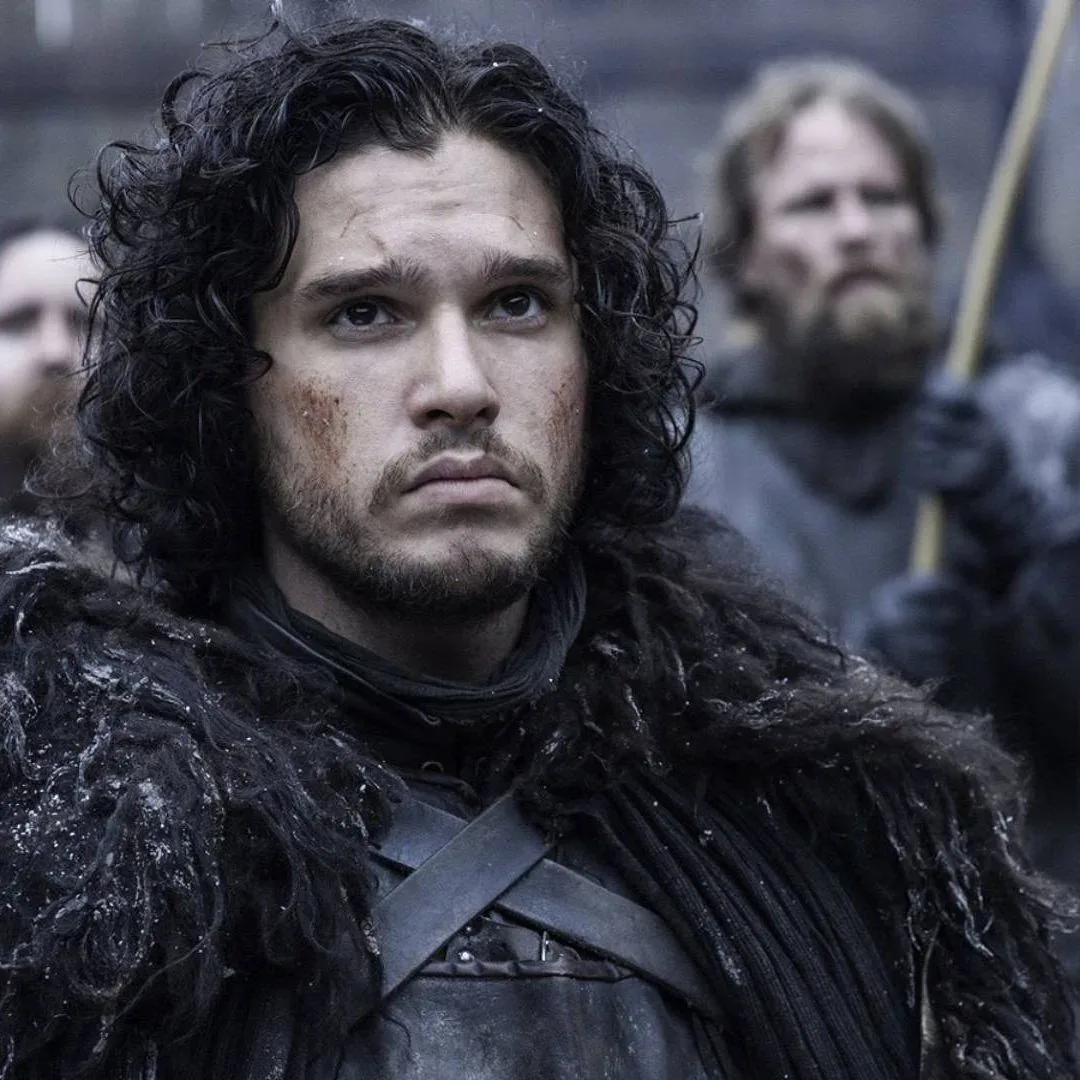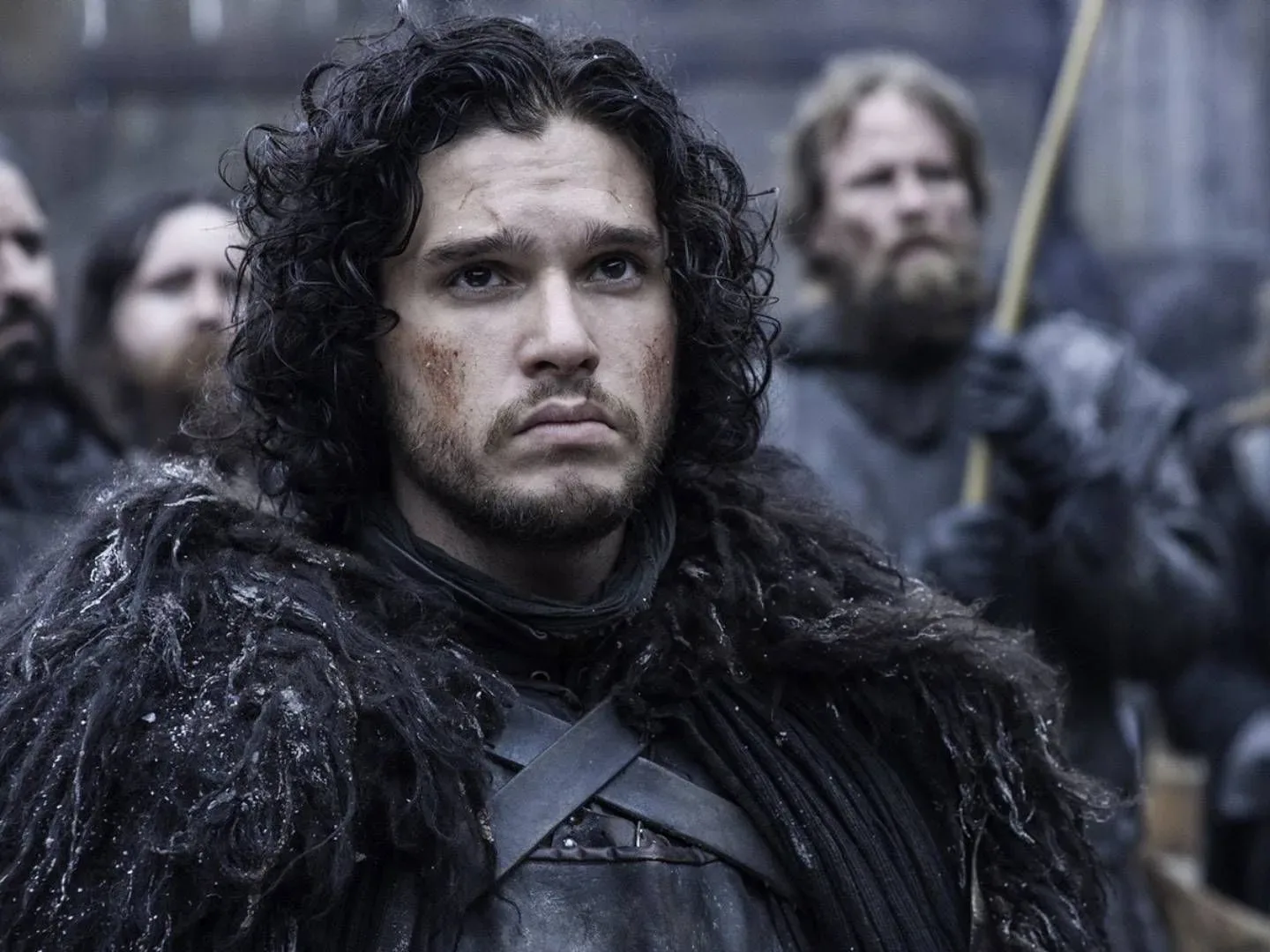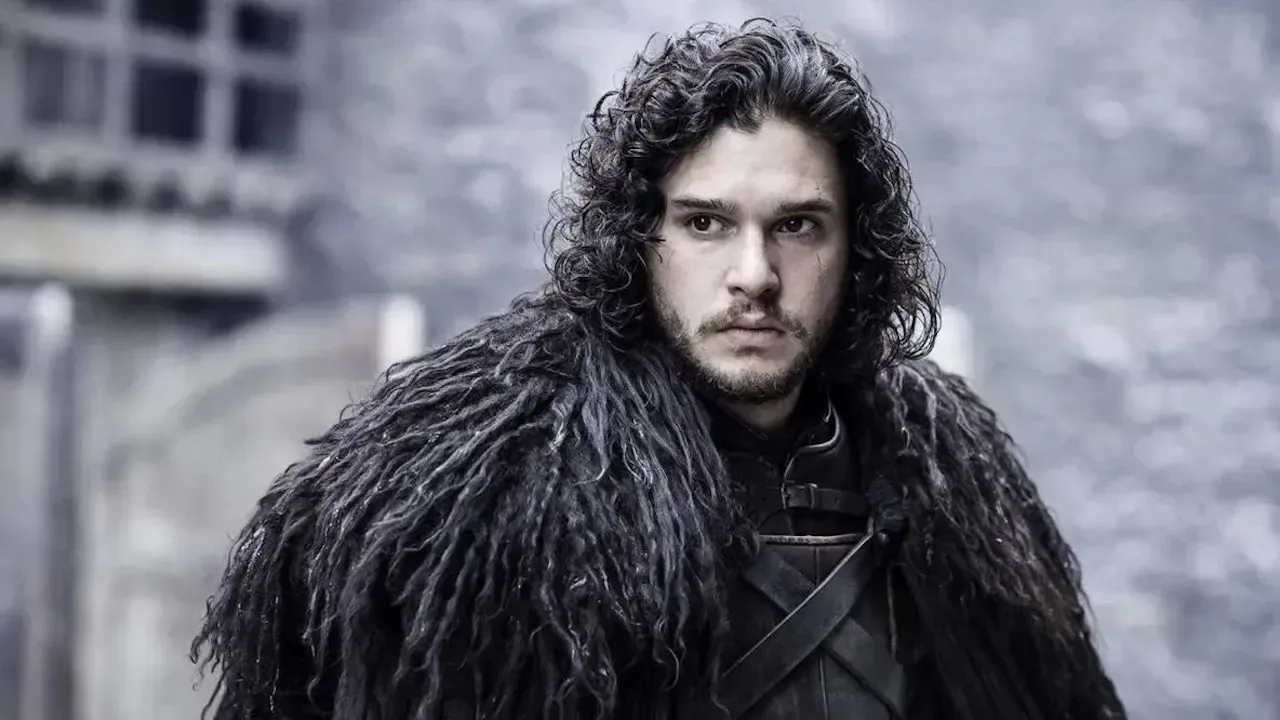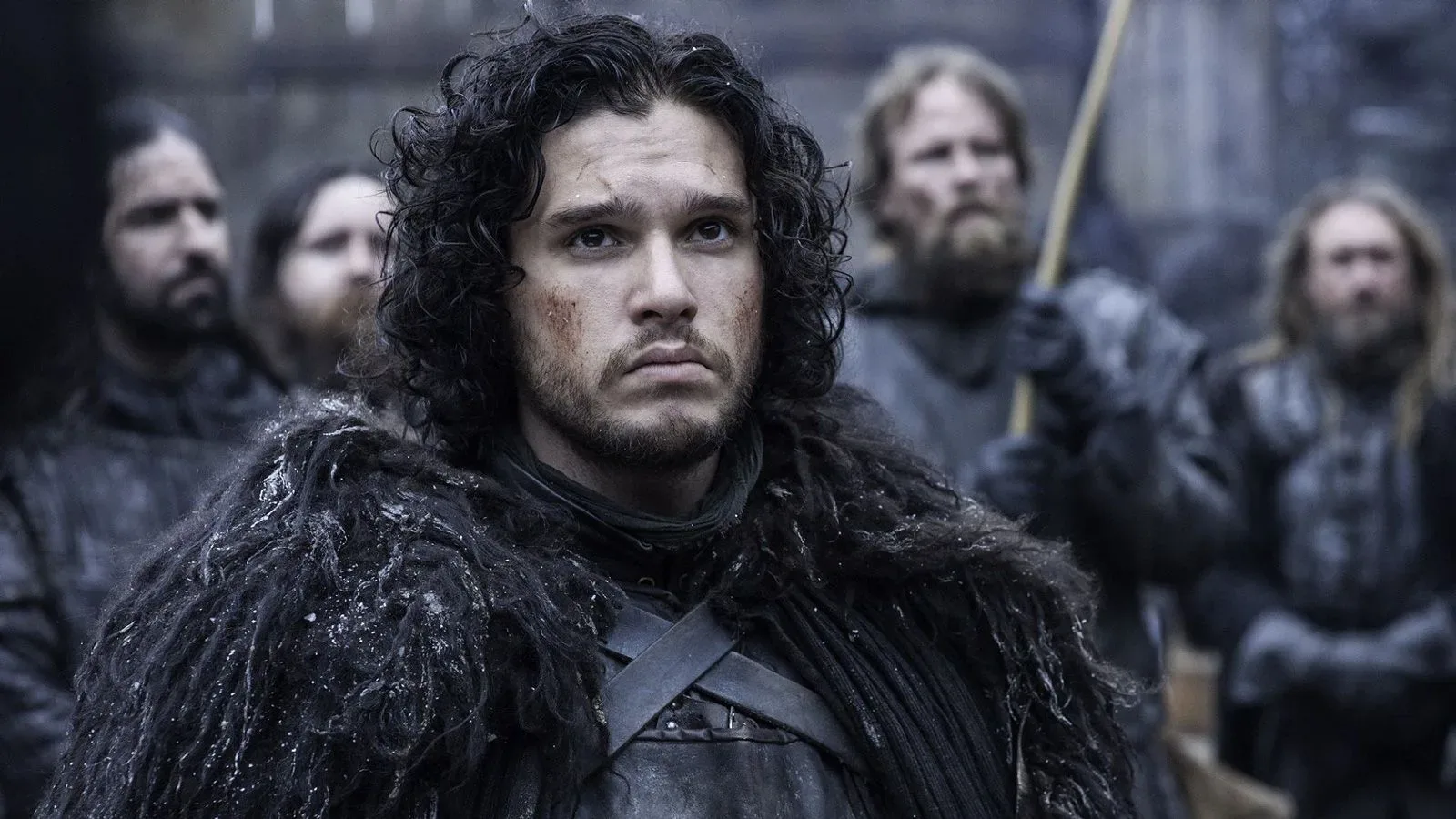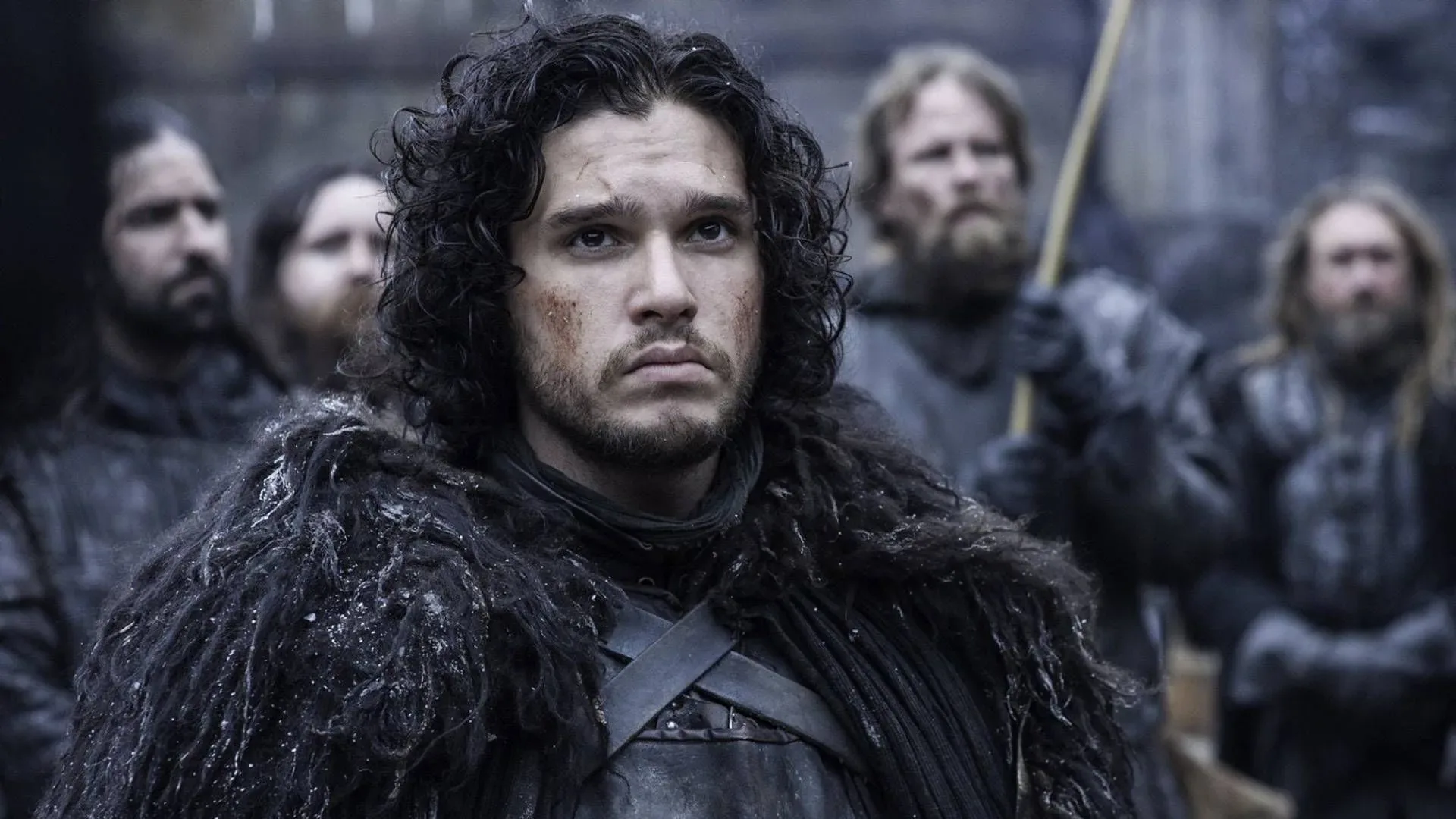
Kit Harington has reopened the door, at least a crack, on the shelved Game of Thrones continuation centered on Jon Snow. The actor says that after time away from Westeros and after taking on other work, he feels more at ease with both the character and the world he left behind.
That is a meaningful change in tone from the position attached to the project when it was put aside. But it is not the same as a confirmed revival, a production order, or a release plan. The important distinction is simple: Harington can now envision a version that works; there is still no confirmation that such a version has been found or that the series is actively moving ahead.
A return to possibility, not a green light
Harington said he still believes there is a possible story to tell. He explained that he would not have entered development in the first place without thinking the idea had potential, and that the intervening time has made a return feel more comfortable personally and creatively.
The actor’s comments matter because the Jon Snow project was not merely a fan rumor. It entered development in 2022 and was worked on for two years. Harington has also described himself, HBO, and A Song of Ice and Fire author George R.R. Martin as sharing an early principle: if the right idea could not be found, the better option would be not to make the series.
That standard ultimately appears to have decided the project’s first run. In 2024, Harington confirmed it had been scrapped because the team had not landed on a story exciting enough to justify continuing. He also indicated that the material had become too downbeat.
That context makes his newer openness more nuanced than a straightforward franchise comeback. Harington was initially eager, then grew reluctant as development continued, and eventually concluded that the story was not quite right. His current position does not erase that assessment. Instead, it suggests the distance has helped him separate the question of whether Jon Snow should return from the particular version of the show that failed to persuade its creators.
Why the original setup was such a difficult sell
The proposed sequel’s basic premise was inherently heavy. It would have followed Jon after the ending of the main series, living in exile beyond the Wall. The character was described as broken and alone, without his direwolf Ghost or his sword Longclaw.
That is a powerful dramatic image, but it also presents an obvious storytelling challenge. A sequel needs more than aftermath. Jon’s isolation, grief, and removal from the political life of Westeros could offer rich character material, yet a series would need to turn that emotional starting point into momentum: a new purpose, new relationships, or a conflict that creates reasons for the character to act rather than simply endure.
The phrase “downbeat” is useful here. In television development, a downbeat premise is not automatically a bad one. It generally means the dominant emotional register is bleak, mournful, or drained of forward energy. A continuation can certainly begin there. The problem comes when a pitch cannot show how that mood develops into a compelling ongoing story. Harington’s earlier explanation implies that this was the central hurdle, rather than a lack of interest in Jon Snow as a character.
It also explains why a return would need to be more than a familiar face in familiar furs. Nostalgia can create initial attention, but it cannot by itself supply the engine of a multi-episode story. The creative team would need a premise that earns Jon’s reappearance and gives him a distinct journey after the conclusion already provided by Game of Thrones.
A reported new direction points away from the Wall
There are signs that the concept may have been reconsidered rather than simply abandoned forever. Earlier this year, Quoc Dang Tran, known for Drops of God, joined the project. Reports have also suggested a refreshed story could move Jon to Essos and involve his sister Arya Stark.
Neither detail confirms a completed script or an approved series, and the reported elements should be treated as just that: reported possibilities, not settled on-screen plans. Still, the shift is notable. Moving the story to Essos would dramatically widen the setting beyond the lonely exile framework that defined the earlier pitch. Bringing Arya into the premise would likewise change the emotional and narrative dynamics by giving Jon a central family connection rather than positioning him entirely alone.
Essos is the eastern continent in the broader Game of Thrones setting, separate from Westeros. In practical story terms, relocating there could allow a sequel to introduce different cultures, places, and conflicts instead of remaining anchored to the immediate consequences of Jon’s exile. It would not automatically solve the project’s original creative issue, but it could signal an effort to give the series a more active and expansive identity.
A Jon-and-Arya setup would face its own question: what can their reunion reveal that the original series did not already accomplish? The answer would have to be specific enough to justify placing two major characters back at the center of a new chapter. The appeal is clear, but the creative standard Harington previously described remains the real test.
Harington’s fantasy work is continuing elsewhere
While the Jon Snow project remains unresolved, Harington is preparing to enter another major fantasy property. He has been cast as Gilderoy Lockhart, the Defense Against the Dark Arts professor, in season two of HBO’s Harry Potter series.
Harington already has a connection to the character: he voiced Lockhart for Audible’s full-cast audio editions of the Harry Potter books. He has also spoken about the books helping him through a difficult period involving sobriety. Describing Lockhart’s self-obsession, Harington suggested that the part is not an enormous leap from aspects he recognizes in himself.
Lockhart and Jon Snow sit at very different ends of the fantasy-character spectrum. Jon is defined by duty, trauma, and an uneasy relationship with status. Lockhart is vain, performative, and addicted to his own image. The contrast may be especially useful for Harington as an actor: taking on a flamboyantly self-regarding professor offers a different kind of role from returning immediately to a character so closely linked with his own career and public identity.
For viewers watching the wider fantasy-TV landscape, Harington’s Lockhart casting is the concrete next step. The Jon Snow comments are the intriguing longer-term possibility.
What audiences should and should not infer
- What is clear: Harington is no longer ruling out another Jon Snow story and says he feels more comfortable revisiting the character’s world.
- What happened before: The series spent two years in development after beginning in 2022, then was shelved in 2024 when its story did not meet the team’s creative bar.
- What remains unconfirmed: There is no confirmed production restart, filming schedule, release date, or final premise.
- What may be changing: Quoc Dang Tran’s involvement and reports involving Essos and Arya indicate that the idea may be being rethought.
The best reason to remain interested is not simply that Jon Snow might return. It is that Harington’s comments identify the exact issue a sequel has to solve: it must find a story more alive than the bleak initial image of a broken man alone beyond the Wall. If a revised approach can answer that challenge, a continuation could have a genuine reason to exist. If it cannot, the decision not to force the project remains consistent with the caution Harington says guided the first attempt.
Fantasy adaptations often wrestle with the tension between revisiting recognizable territory and finding a new dramatic purpose. For another journey through a similarly battle-scarred fantasy realm, Middle-earth: Shadow of Mordor and Shadow of War’s Switch 2 arrival is another recent example of how enduring fictional worlds continue to find new routes back to audiences. Jon Snow’s route, however, is still only a route under consideration.