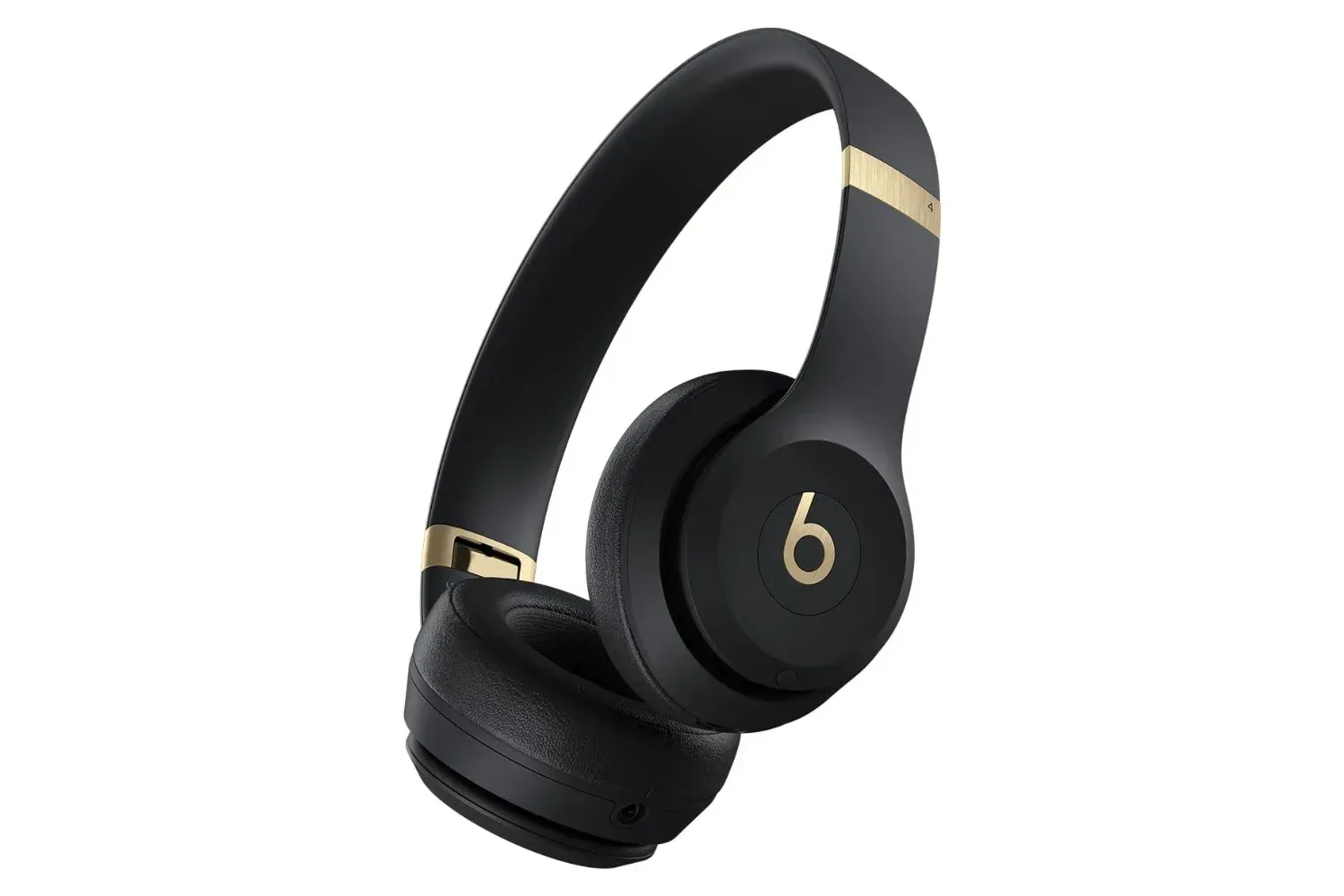
The Beats Solo 4 is currently listed at $130, down $70 from its $200 list price. That 35% reduction puts the focus on a fairly specific proposition: an on-ear wireless headphone built for long stretches away from a charger, with wired listening options and features that work across iOS and Android.
For gamers, commuters and desk listeners, that proposition may be more compelling than a broader feature checklist. Solo 4 offers up to 50 hours of battery life, Personalized Spatial Audio with dynamic head tracking, USB-C lossless audio support and a 3.5mm analog connection. It also uses Class 1 Bluetooth and supports one-touch pairing on both major mobile platforms.
There is a key caveat before the cart button gets any ideas. These are not active noise-cancelling headphones. Their isolation comes from the physical seal of the on-ear cushions rather than electronics that counter external sound. That distinction matters much more than a sale percentage if the intended use includes frequent flights, consistently loud public transport or other environments with sustained noise.
The $130 question: who is Solo 4 for?
At this price, Solo 4 sits $40 below the Studio Pro’s reported current sale price. The lower cost is not simply a different badge on the same type of product, though. Solo 4 is an on-ear design, meaning its padded ear cups rest against the ears. Studio Pro is an over-ear model, whose cups surround them. Neither approach is automatically superior; fit, listening environment and desired portability all matter.
The Solo 4 is lighter than the Studio Pro line, which is relevant to people carrying headphones every day. Its flex-grip headband, angled ear cups and UltraPlush cushions are intended to provide a stable fit without the hard clamping pressure that can make on-ear models tiring over a longer session. Comfort is still personal—head shape, glasses and sensitivity to pressure vary too much for any specification sheet to settle it—but the design priorities are clear.
For a daily routine involving a bag, an office, a campus or a commute, a lighter headphone with an unusually large battery claim can be a sensible trade. For someone buying specifically to suppress cabin rumble or an especially noisy workspace, the absence of active noise cancellation should take priority over that trade.
Passive isolation versus active noise cancellation
Passive isolation is simple: pads press around or onto the ear and block some outside sound physically. A good seal can reduce ordinary nearby conversation, street sound and office background noise. It needs no processing and does not consume extra battery power.
Active Noise Cancellation, often shortened to ANC, uses microphones and audio processing to reduce certain external sounds. It is particularly useful against steady, low-frequency noise such as an aircraft engine. Solo 4 does not include ANC, so buyers should expect the seal to help with ambient noise, not the quieting effect associated with dedicated noise-cancelling travel headphones.
That limitation is not a minor footnote. Turning music up to overcome a noisy setting is not the same as removing the noise. A buyer who mostly listens in moderately noisy rooms may find passive isolation sufficient. A buyer regularly boarding long flights may find that omission decisive, regardless of the discount.
Battery life is the headline feature
The stated battery life is up to 50 hours. In practical planning terms, that means fewer charging decisions rather than merely a large number printed on packaging. Someone listening during a normal round-trip commute could potentially go through multiple workweeks without plugging in, depending on volume and listening habits.
Beats also says Fast Fuel charging can restore up to five hours of playback from 10 minutes connected to power. That is the useful number for the familiar moment when headphones have been left uncharged before heading out: it is designed as a short recovery charge, rather than requiring a lengthy session before the headphones become viable again.
As with any battery estimate, “up to” is important language. Actual runtime can depend on volume, connection behavior and how the headphones are used. The available information supports 50 hours as the manufacturer’s stated maximum, not as a guaranteed result for every listener and situation. Even with that qualification, the figure is the Solo 4’s clearest practical advantage at $130.
USB-C lossless audio, explained without the cable mysticism
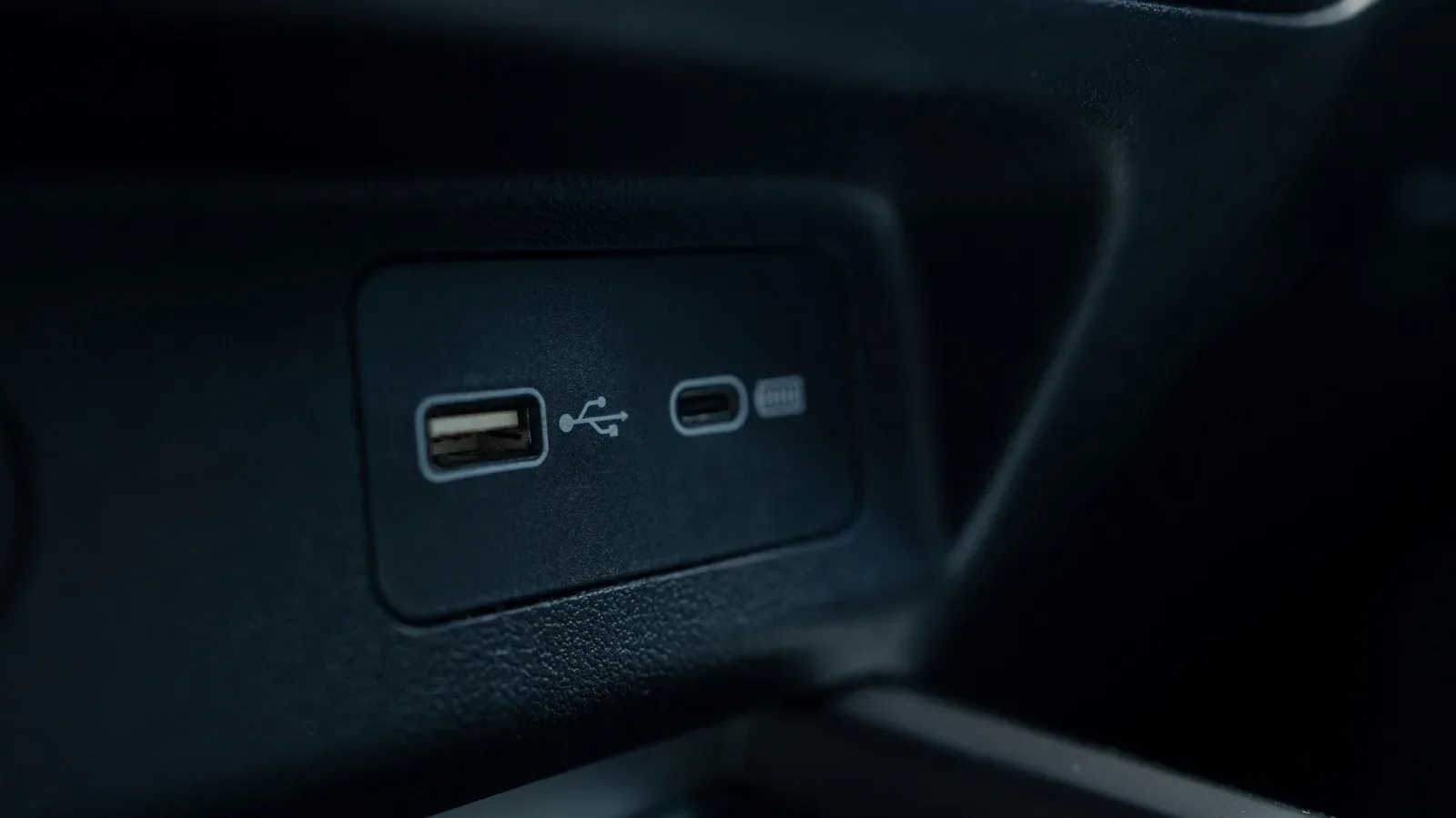
Solo 4 can play high-resolution lossless audio over USB-C when connected by cable. “Lossless” refers to audio delivered without the data discarded by lossy compression. Whether a listener notices a difference depends on the audio file or service, the recording, the connection and the listener—but the important buying point is more basic: USB-C provides a wired playback option beyond charging.
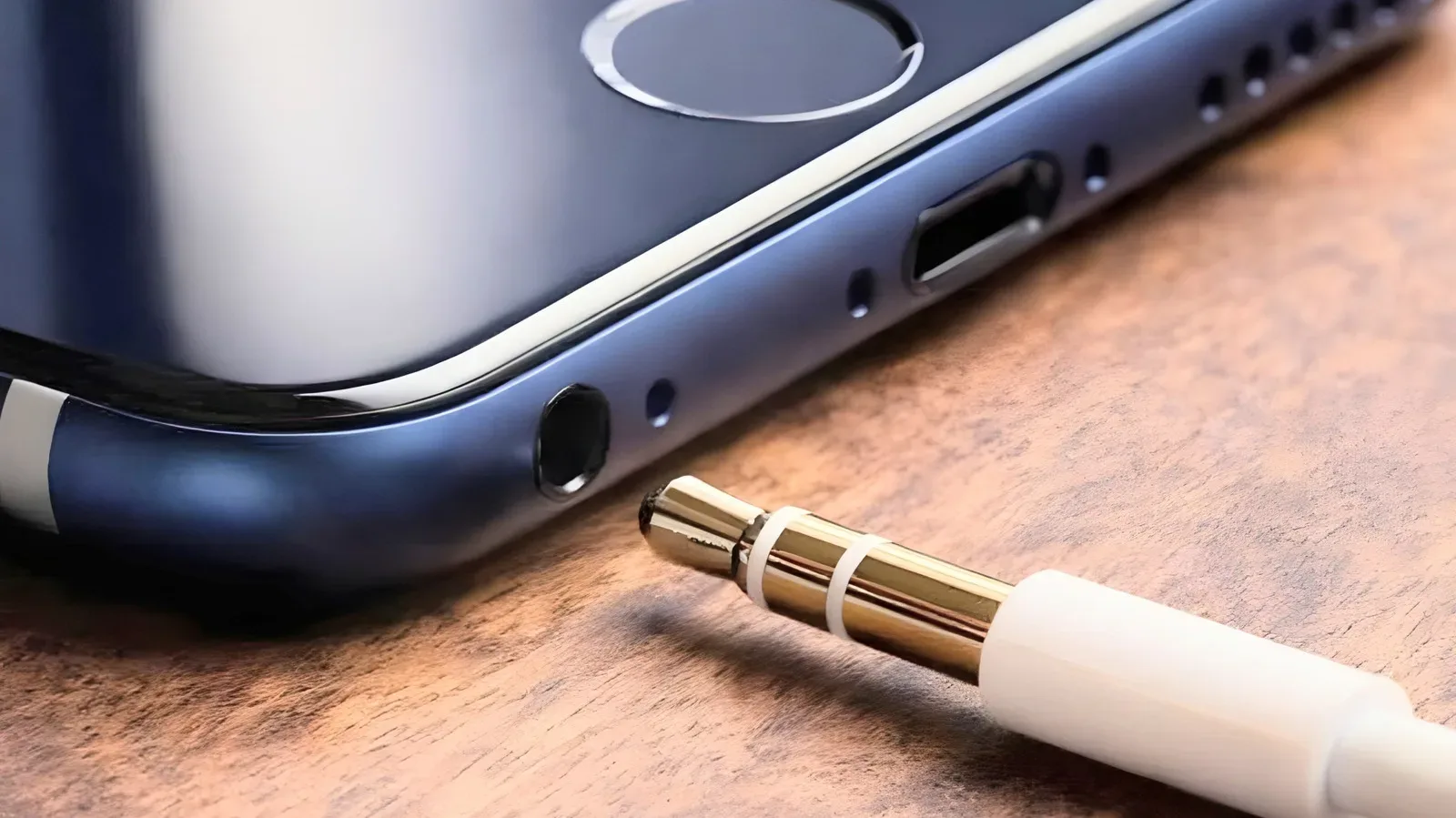
The headphones also have a 3.5mm analog input for standard wired listening. That flexibility can be helpful for devices and situations where a wired connection is preferred. The two ports do not mean the same thing: USB-C can carry digital audio for the stated lossless mode, while 3.5mm is the conventional analog headphone connection.
It is also worth separating connector shape from capability. USB-C describes a physical connector, not a universal promise that every device, cable or port handles every possible audio function in the same way. For a broader explanation of that distinction, see USB-A vs. USB-C for Gamers: The Plug Shape Is Only the Start.
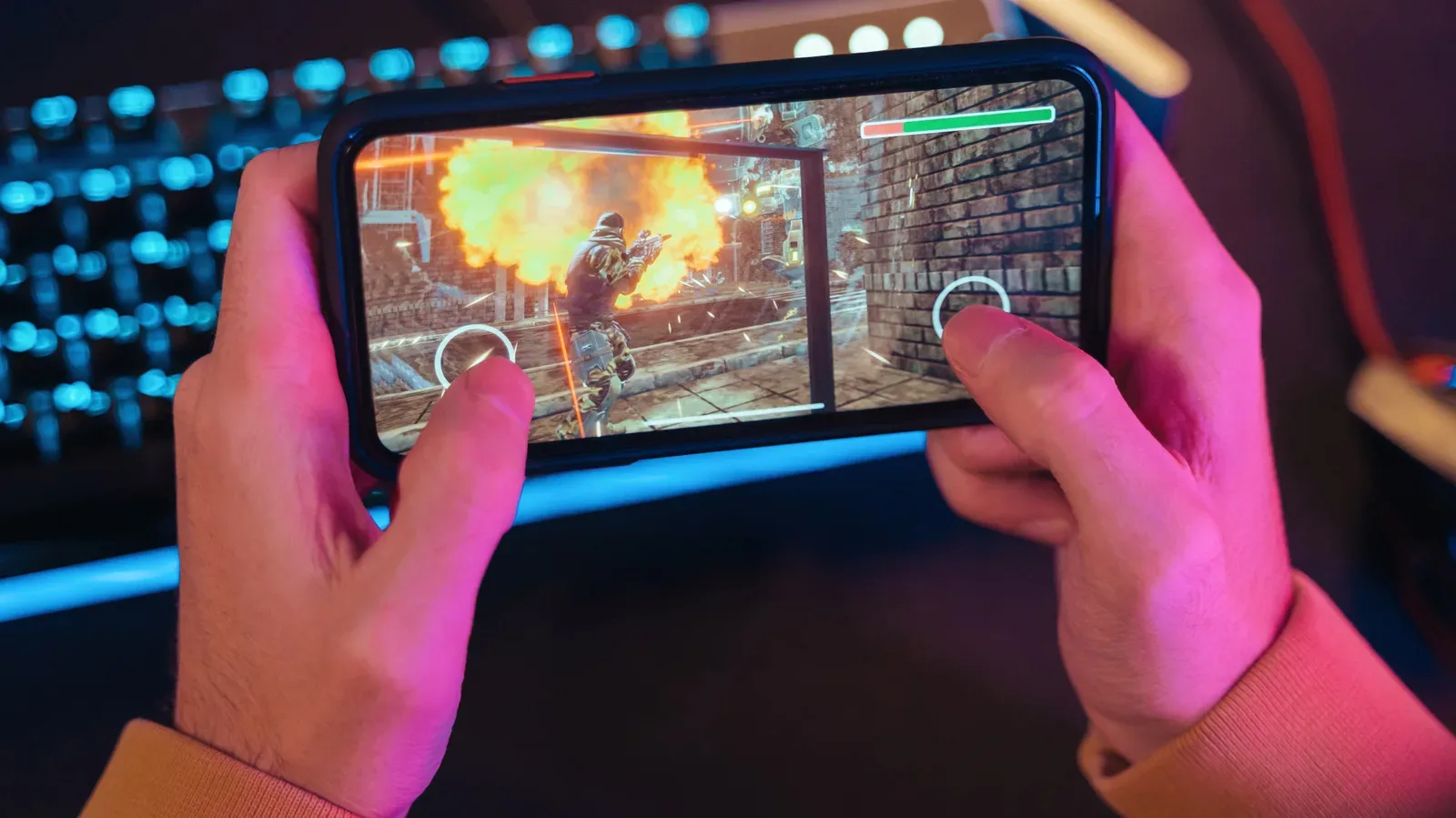
For gaming use, wired playback can be appealing when a player wants a direct connection rather than relying on wireless behavior. However, shoppers should not assume unlisted platform compatibility, microphone behavior or console-specific features. The confirmed details here are USB-C lossless playback and 3.5mm analog use; prospective buyers should check the device they plan to connect before treating the headphones as a solution for a particular setup.
Spatial audio and head tracking: what the terms mean
Solo 4 supports Personalized Spatial Audio with dynamic head tracking. Spatial audio is an approach intended to make sound feel placed around the listener rather than confined to a conventional left-right headphone presentation. Dynamic head tracking adjusts that presentation as the listener moves their head, keeping the apparent soundstage anchored in a fixed position.
The “personalized” portion refers to tailoring the spatial-audio experience to the user. This feature is comparable in concept to spatial audio used in Apple’s AirPods hardware, but it should not be mistaken for a replacement for every kind of surround-sound setup. Its usefulness will depend on compatible content and a listener’s preference for the effect.
Importantly, spatial audio is not the same as lossless audio. Lossless describes how audio data is preserved; spatial audio describes the presentation and perceived placement of sound. One is about fidelity to the signal, the other about the soundstage. Solo 4 supporting both gives buyers options, but neither label alone tells them whether the headphone’s fit and noise control match their circumstances.
Platform support avoids an unnecessary ecosystem split
Beats positions Solo 4 as a headphone that does not reserve its core convenience features for one phone family. It supports one-touch pairing on iOS and Android, while Android users retain spatial audio and the full pairing experience without requiring a companion-app workaround.
That matters for people who switch phones, share headphones within a household or simply do not want hardware choices dictated by an ecosystem boundary. It also makes the deal easier to evaluate as a general-purpose personal audio purchase rather than solely as an accessory for one brand of handset.
Class 1 Bluetooth is another part of that everyday-use package. The stated goal is a more reliable wireless range, reducing the sort of interruptions that can happen when a phone is stored in a bag, left on a desk across a room or separated by a locker-room barrier. No wireless connection is immune to every obstacle or interference source, but stronger range is a useful quality-of-life feature for mobile listeners.
Sound tuning and the practical buying checklist
Beats says it rebuilt the Solo 4 acoustic architecture and updated its drivers with an emphasis on more balanced output across frequencies, rather than the brand’s older bass-forward character. A driver is the component in a headphone that converts an electrical signal into audible sound. “Balanced” here means the design target is not to disproportionately emphasize bass over the rest of the frequency range.
That target should be read as a description of tuning direction, not a universal verdict on sound quality. Music taste, game audio, fit and personal hearing all shape the final experience. Still, listeners who had avoided older Beats models because they expected an aggressively bass-led sound have a concrete reason to consider the newer approach.
At $130, the decision is most straightforward when framed around needs rather than brand comparisons:
- Choose Solo 4 for long battery life: the up-to-50-hour claim and five-hour Fast Fuel top-up are its strongest convenience features.
- Choose it for flexible listening: Bluetooth, USB-C lossless playback and 3.5mm analog connectivity cover wireless and wired use.
- Choose it for cross-platform simplicity: iOS and Android both receive one-touch pairing support and spatial-audio access.
- Think twice if ANC is essential: passive isolation can help, but it does not replace active noise cancellation in consistently loud environments.
- Think about on-ear comfort first: the lighter form factor helps portability, while the physical contact style will remain a personal preference.
The current discount makes Beats Solo 4 a more compelling option for someone who wants a portable, long-lasting on-ear headphone and does not need noise cancellation. The $70 reduction is substantial, but the real value is in the combination of battery endurance, wired audio options and platform flexibility. For the wrong environment, the missing ANC remains a real compromise; for the right everyday commute or desk routine, it may be the feature trade that brings the price into focus.
Shop the products
Check current price, model and availability at the retailer.