Marvel’s decision to reunite major names from Avengers: Endgame for Avengers: Doomsday has invited an obvious question: is the studio trying to recreate a cultural and box-office high point, or does this next film have a distinct reason to revisit those characters and filmmakers?
Kevin Feige’s answer is rooted in the long-running nature of Marvel storytelling. The Marvel Studios chief has argued that its mythology cannot be treated as a story that ends permanently once a single chapter reaches a satisfying finale. In his view, there was never a plan simply to stop after Endgame, because more stories remained to be told.
“My legacy is not one-and-done,” Feige said. “That’s not what storytelling is, and that’s not what mythology is, and that’s not what Marvel is.”
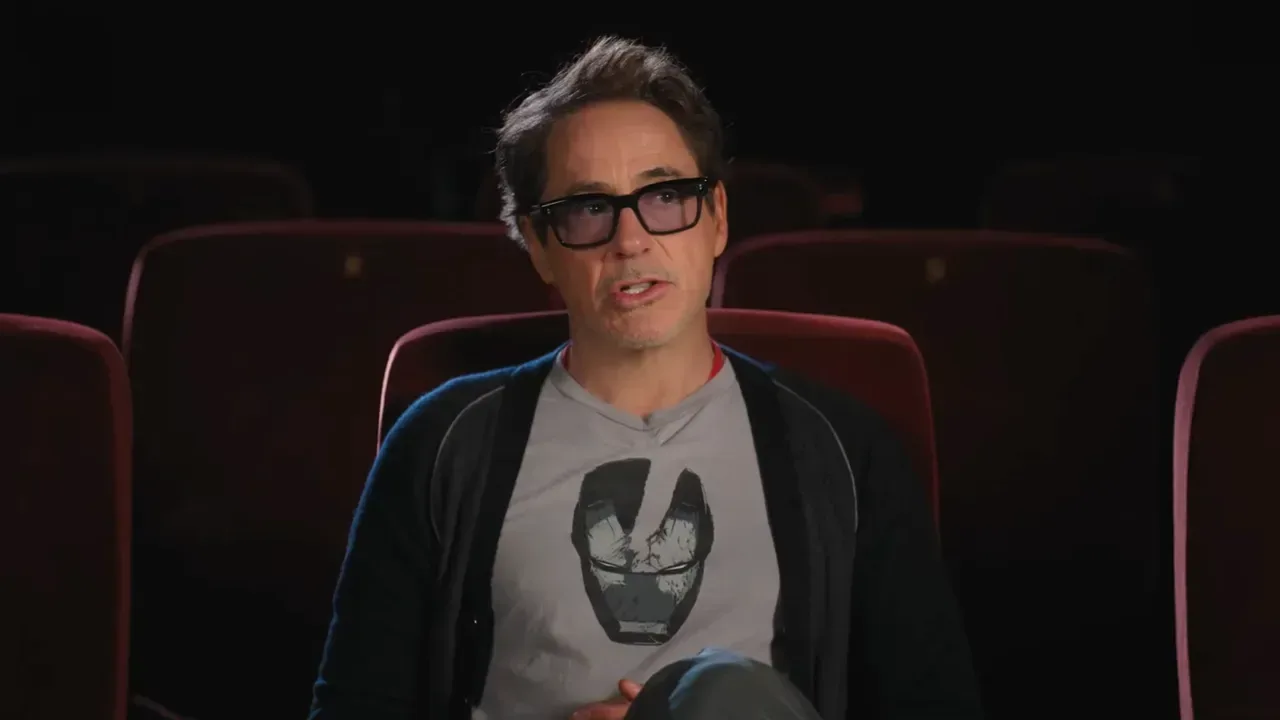
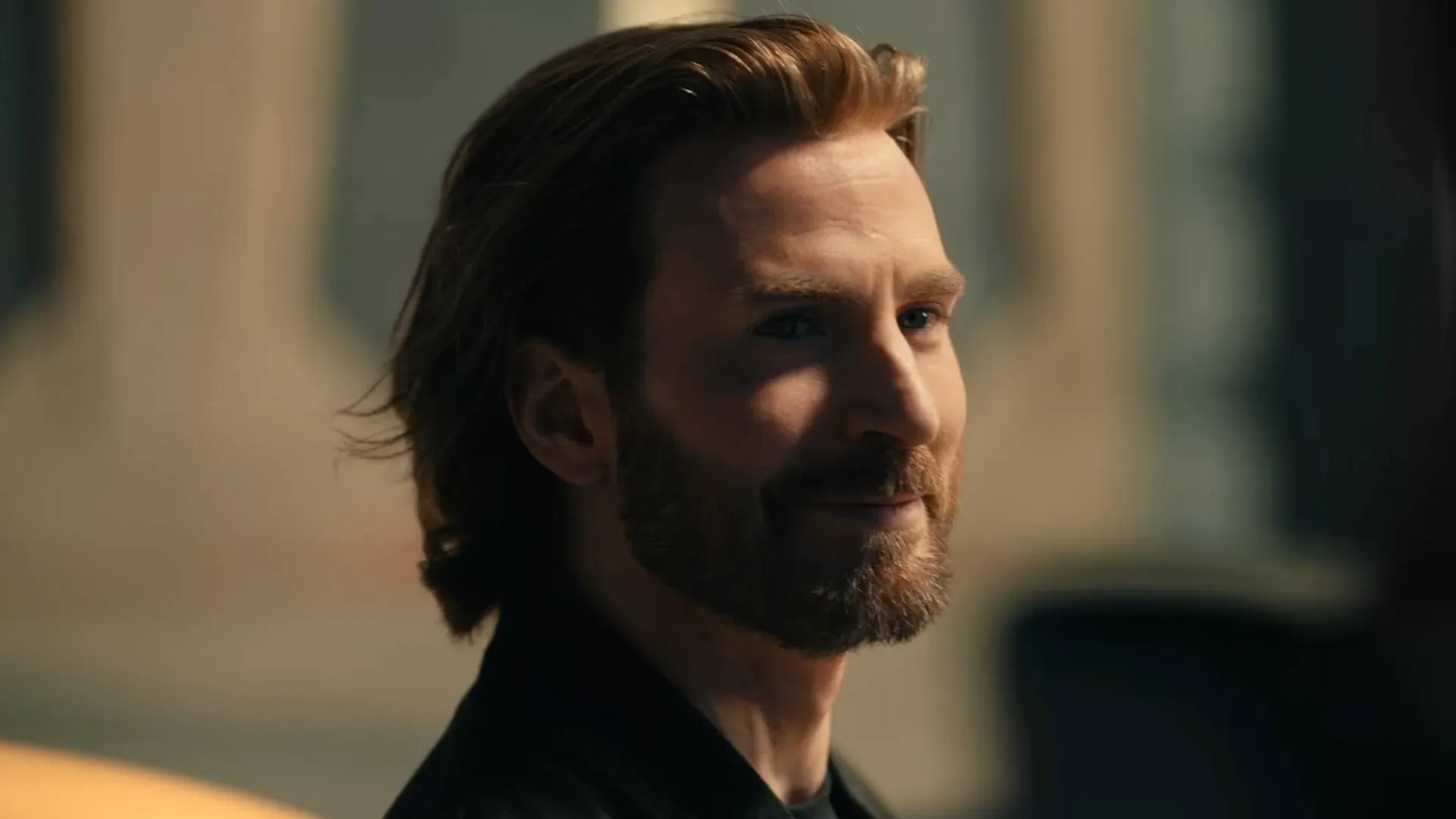
That perspective is especially relevant to the returns of Robert Downey Jr. and Chris Evans. Both were central to Endgame, released in 2019, but their characters appeared to receive definitive endings there. Tony Stark died during the Avengers’ final battle against Thanos. Steve Rogers, meanwhile, travelled back in time to live with Peggy Carter before later appearing as an old man and passing Captain America’s shield to Sam Wilson, played by Anthony Mackie.
Endgame was not merely a successful entry in the franchise. It remains Marvel’s highest-grossing film worldwide, with $2.94 billion in box-office revenue. That scale explains why any return to its cast, creative team and emotional territory can provoke skepticism. A reunion can look like an attempt to repeat an old formula, particularly when the original film framed its biggest sacrifices and handovers as meaningful endpoints.
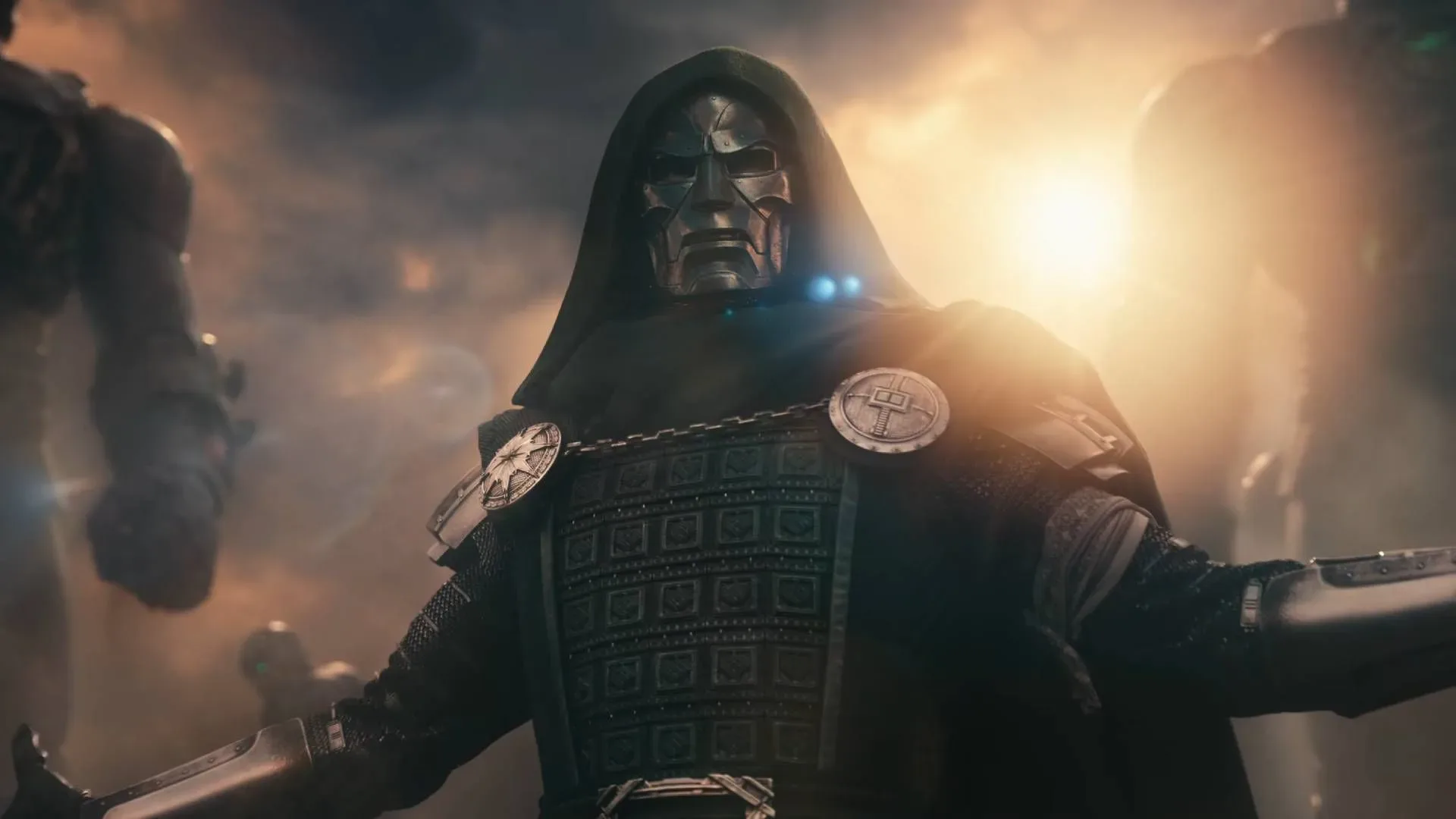
But the available details suggest Doomsday is not presenting Downey as an Iron Man resurrection. Downey is set to play Doctor Doom, the new villain, rather than Tony Stark. That distinction is significant even as it creates one of the film’s biggest unanswered questions: why does a new antagonist share the face of the late Stark? Nothing provided so far explains that connection, so it remains speculation rather than an established plot point.
Chris Evans’ return is a question of timeline as well as character
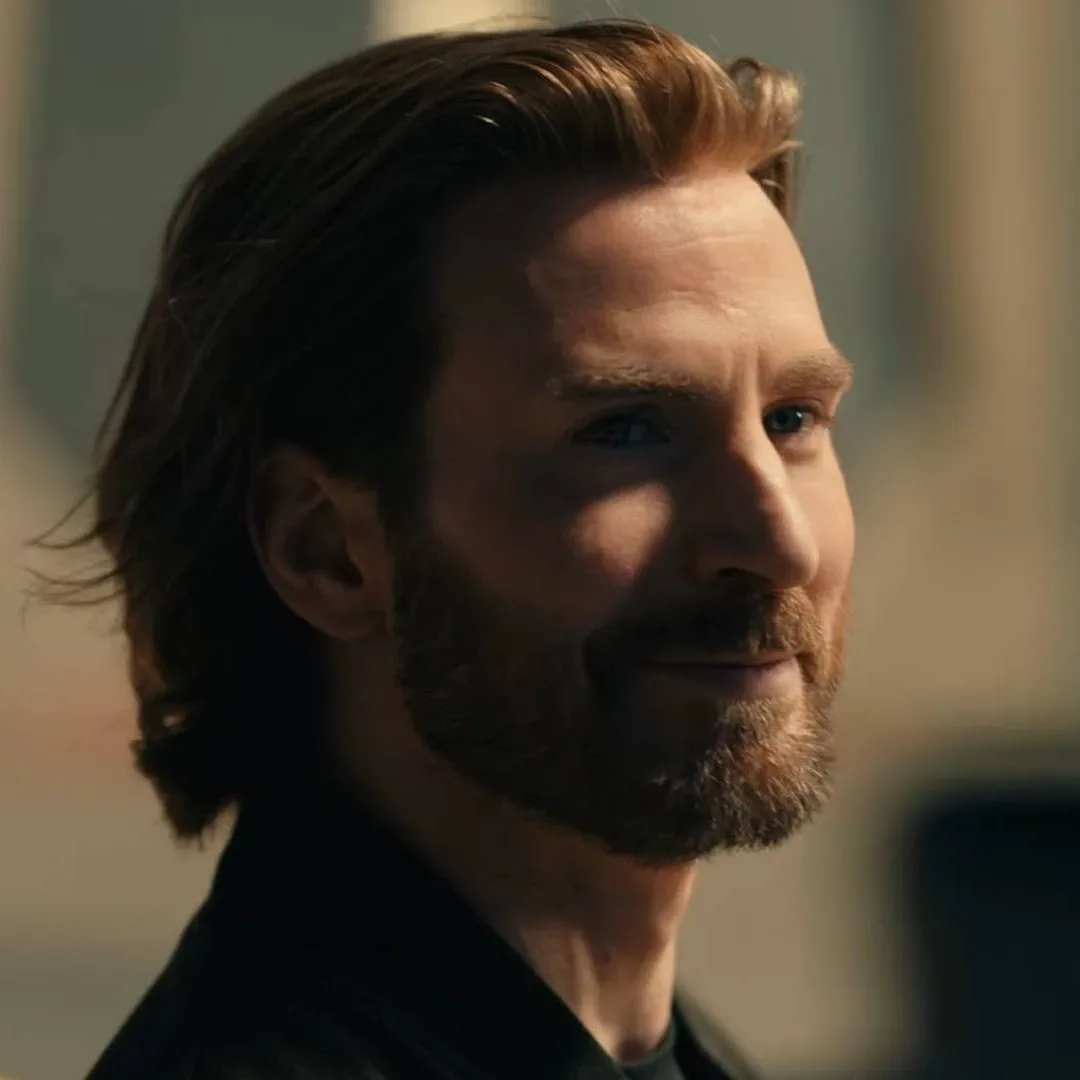
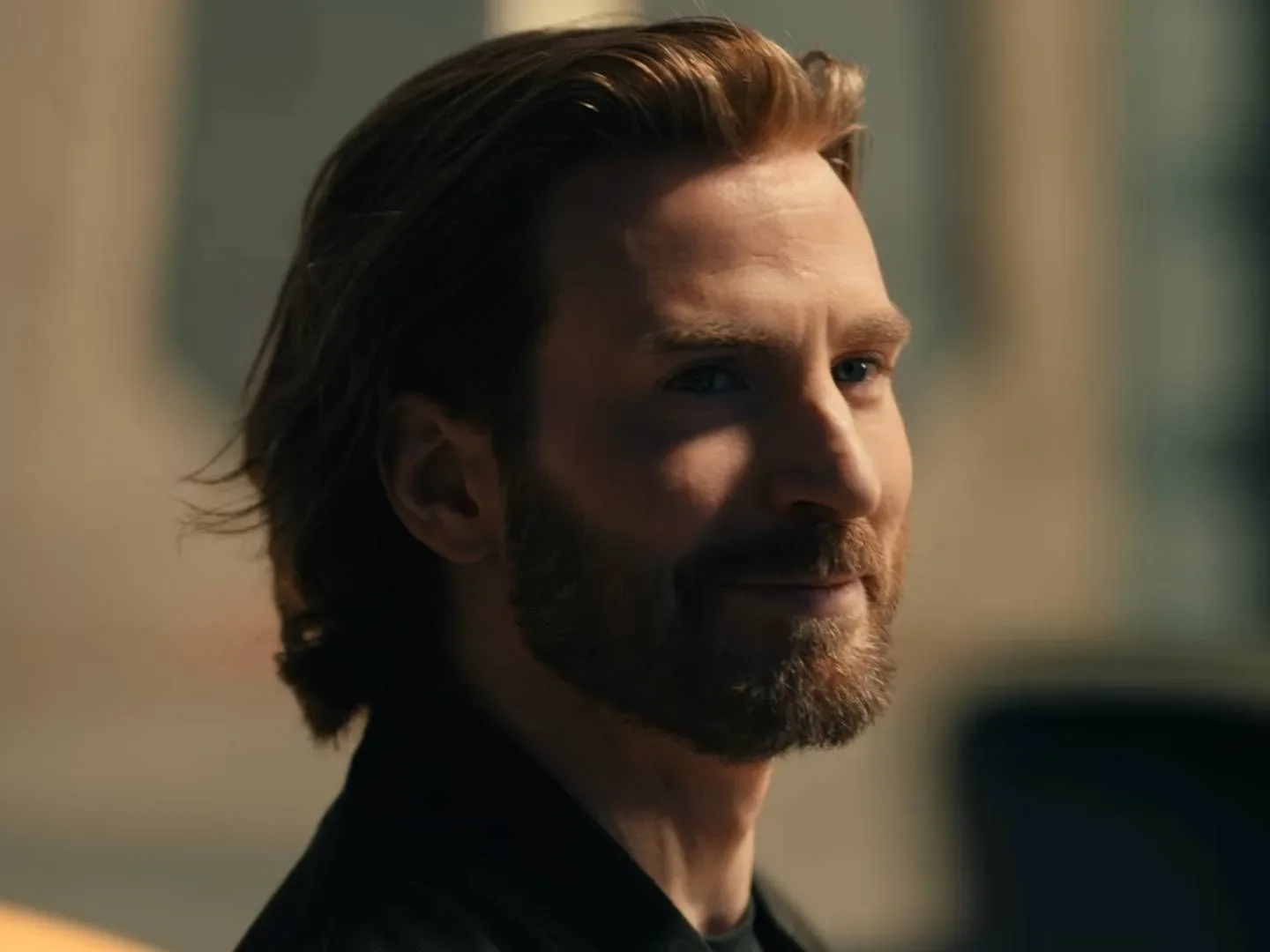
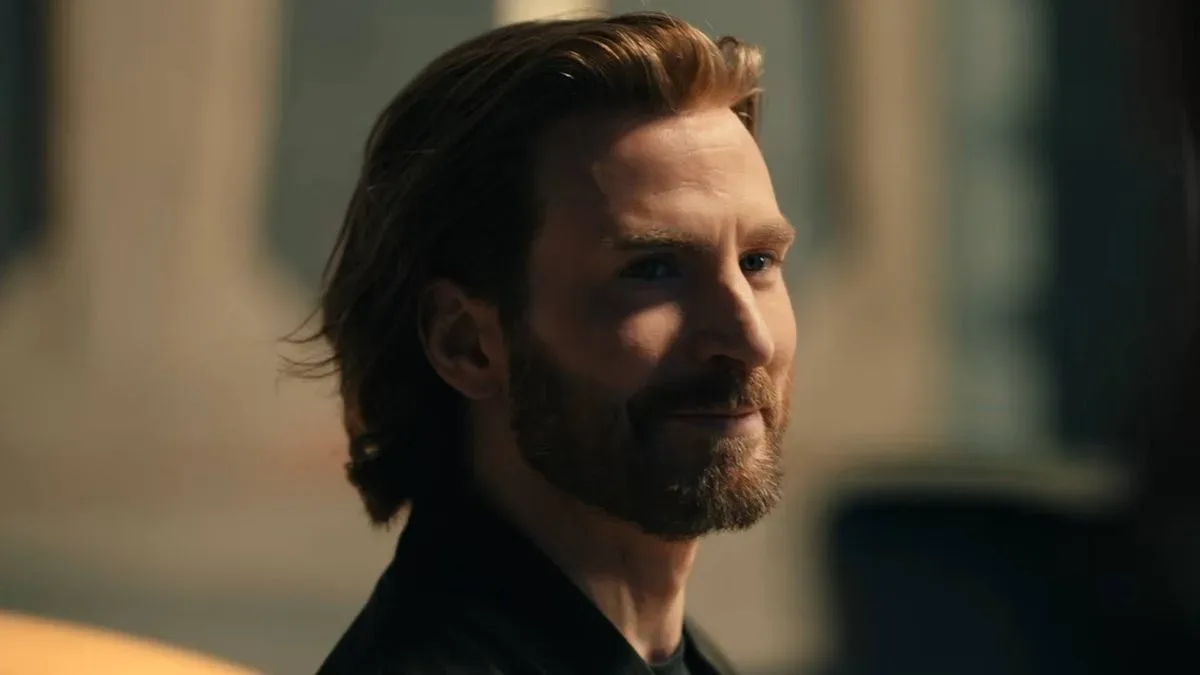
Evans’ Steve Rogers presents a different mystery. Footage from the first Doomsday trailer shows Rogers reunited with Thor, implying that he has returned to the main timeline after the ending of Endgame. How that happens, what period of Rogers’ life the film explores, and whether the reunion changes the meaning of his earlier farewell have not been detailed.
The phrase main timeline generally refers to the central continuity in which the familiar MCU heroes’ stories have unfolded. Yet Doomsday is explicitly a multiverse story. A multiverse, in this context, means multiple universes rather than one shared setting alone. That structure gives a large crossover film room to bring together characters and versions of characters who may not otherwise meet, but it also raises the narrative burden on the movie: viewers will need to understand which events and identities matter emotionally, not just follow the mechanics that place people in the same scene.
Marvel’s official premise says a new existential threat will force courageous teams from three universes to unite to stop a catastrophic event. It also says that the characters’ decisions at this moment will establish the future of the Multiverse. The wording makes the stakes broad, but it also points toward a forward-looking purpose. The movie is being positioned as a foundation for what comes next, not solely as a commemorative return to a prior Avengers era.
The Russo brothers see a story after the ending
Joe Russo, who is co-directing with Anthony Russo, has similarly framed the project as something other than “another Avengers movie.” The brothers are returning to the genre for the first time since Endgame, and Joe Russo has described the attraction as a story that was still untold: the morning after a happy ending.
“We didn’t come back to make another Avengers movie,” Joe Russo said. “We came back cause we felt there was a story left that hadn’t been told. The story that happens the morning after the happy ending.”
That idea offers a useful lens for Doomsday. A happy ending in a superhero saga can resolve a major threat while leaving consequences behind. Endgame closed one enormous conflict, but its resolution also involved loss, succession and characters moving into different lives. Tony Stark’s death was final within that film’s story. Steve Rogers’ departure handed Captain America’s symbolic role to Sam Wilson. Returning to the period after such a finale does not automatically undo those choices, though it can risk weakening them if the new story treats their consequences casually.
The strongest version of Russo’s “morning after” concept would therefore not be a simple victory lap. It would use the previous ending as a condition of the new story. Downey appearing as Doctor Doom rather than Iron Man is potentially central to that tension: the audience’s memory of Stark could be part of how the threat is experienced, while Doom remains a separate villain with his own role in the plot. Whether the film earns that effect will depend on an explanation that is not yet public.
Likewise, Rogers’ reappearance needs to coexist with Sam Wilson’s inherited Captain America mantle. Endgame made that handoff explicit, so Doomsday has an opportunity to treat Rogers’ return as a complicated reunion rather than a reversal that erases Wilson’s place. At this stage, however, the trailer’s Thor reunion is the only specific indication supplied about Rogers’ role.
Returning faces need more than recognition value
There is a practical storytelling challenge in any multiverse crossover. Familiar performers can create instant recognition, but recognition is not by itself a character arc. The official synopsis promises teams from three universes, which means Doomsday will have to introduce or reconnect multiple groups while maintaining a clear emotional throughline. The more returning figures it includes, the more important it becomes to explain why each return changes the conflict rather than simply decorating it.
Feige and Joe Russo’s comments directly address that concern. Feige’s argument is about the continuity of mythology: endings do not mean a universe has no future. Russo’s is more specific: the team believes there is a particular story beyond the previous conclusion. Neither statement reveals the mechanics of Doom’s appearance or Rogers’ path back to the central continuity. Both do establish the creative rationale Marvel is putting forward—that Doomsday should be judged as a new chapter shaped by Endgame, not as an effort to replay it beat for beat.
That distinction matters because Endgame was built around a final battle with Thanos, while Doomsday is being set up around an existential threat spanning three universes. The scale may be comparable, but the premise is different. One story culminated a battle involving the Avengers and Thanos; the other asks separate teams to cooperate at a decisive point for the Multiverse’s future.
Long-running screen franchises frequently face this balance between closure and continuation. A finale should feel meaningful, yet a shared fictional world can continue to develop through new leads, consequences and threats. The same broader question appears in other serialized fantasy projects, including the character-focused developments in The Rings of Power Season 3’s Elrond and Elros storyline: continuation works best when it gives past events new implications rather than treating established moments as disposable.
What is confirmed, and what remains unknown
There are still clear limits to what can be stated about Avengers: Doomsday. The film’s official synopsis confirms a threat involving three universes and a conflict that will affect the future of the Multiverse. Downey is playing Doctor Doom. Evans’ Steve Rogers is seen with Thor in the first trailer. The Russo brothers are returning to co-direct.
Many of the details audiences are most likely to debate are not confirmed by the information available: the explanation for Doom’s resemblance to Tony Stark, the precise circumstances of Rogers’ return, the identities of all teams involved, and the choices that will shape the Multiverse’s future. Those gaps are not minor footnotes; they are central mysteries around which the marketing is currently built.
Avengers: Doomsday is scheduled to arrive on December 18. Until more is revealed, the key question is less whether Marvel can recreate the response to Endgame than whether it can make its returning stars serve a story with consequences of its own. Feige’s position is that mythology continues. The eventual test for Doomsday will be whether that continuation feels earned.