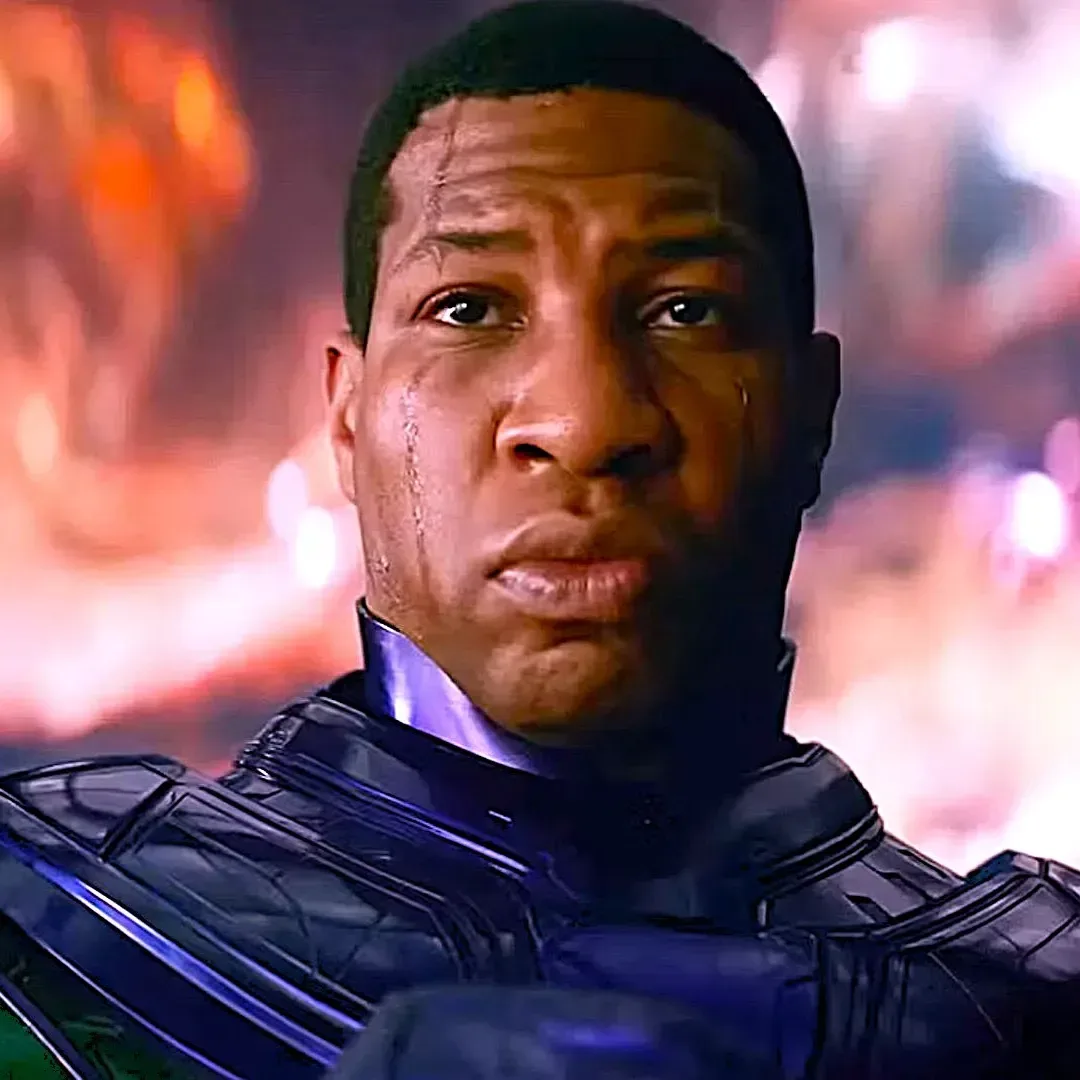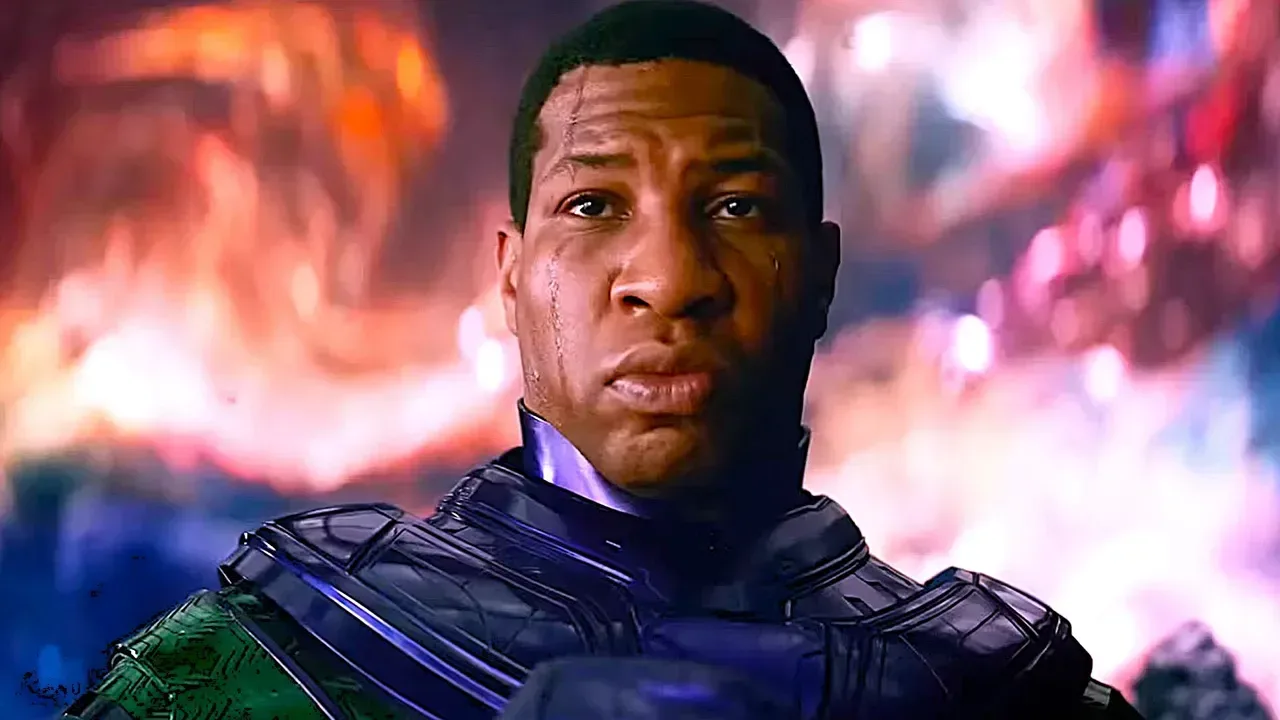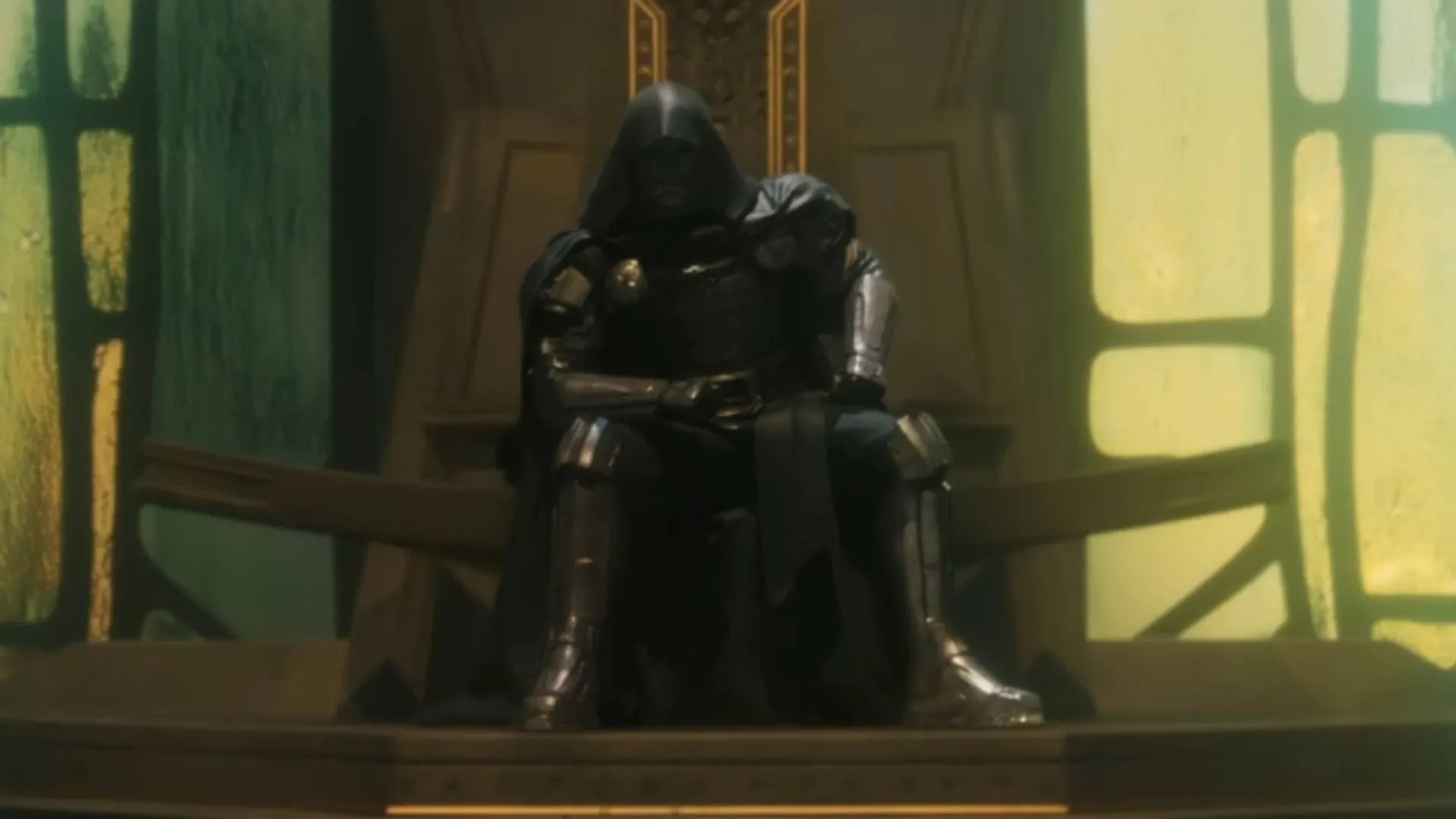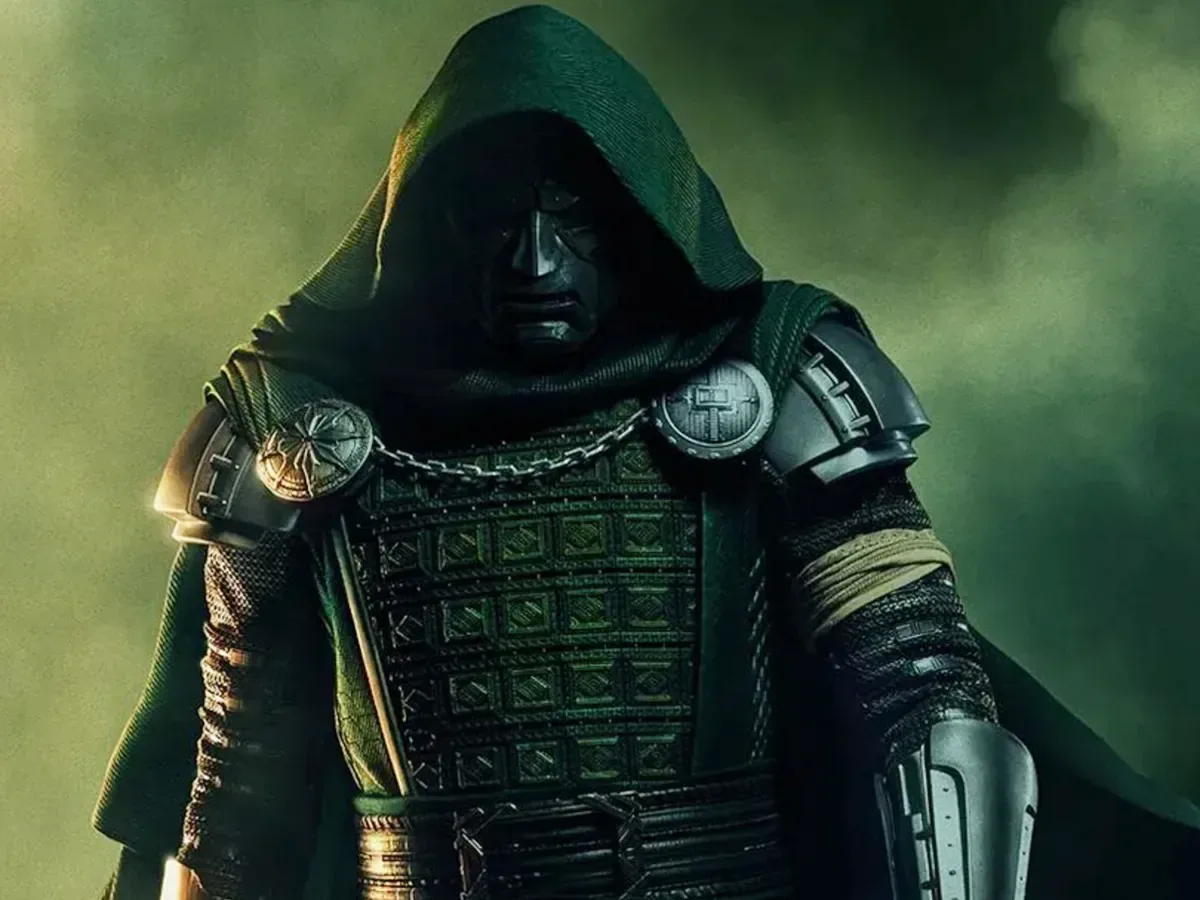
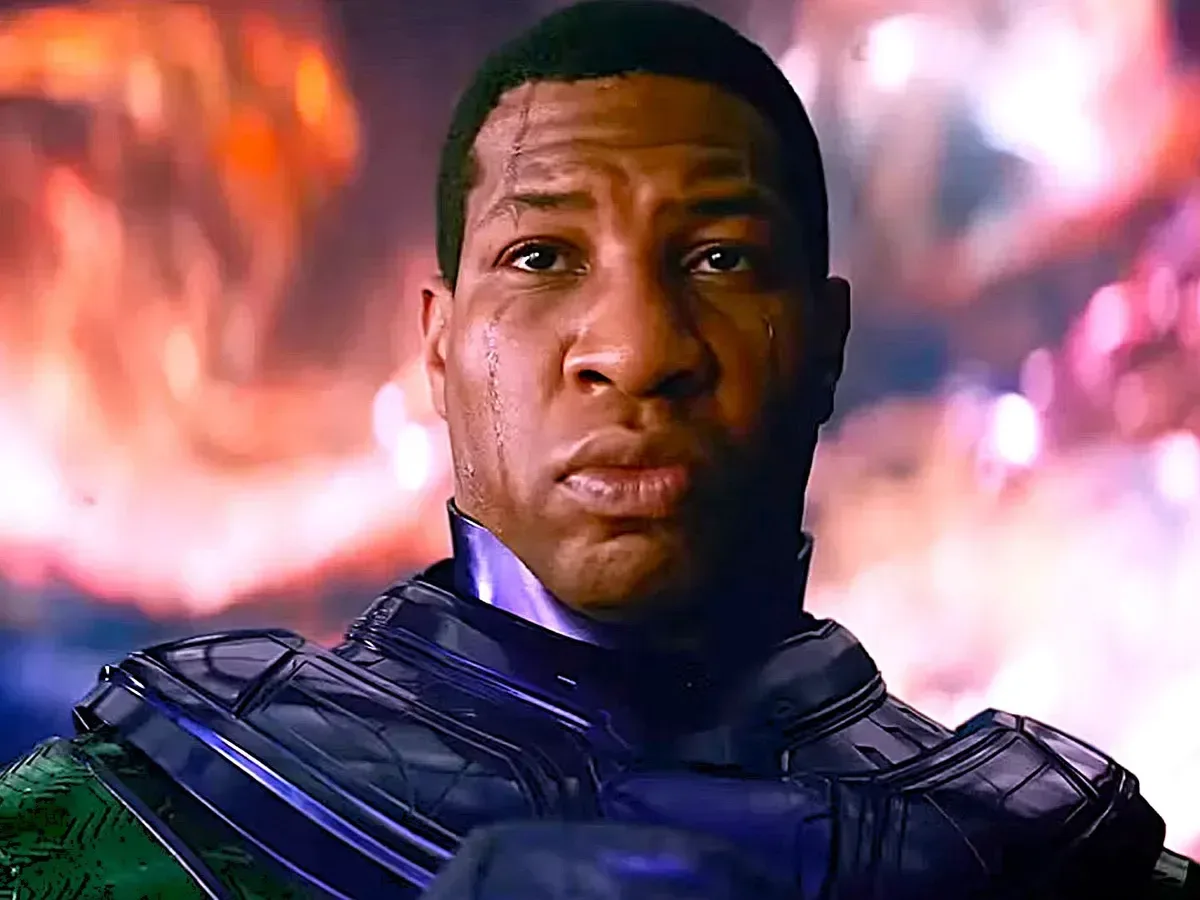
Marvel Studios president Kevin Feige has offered its clearest account yet of how Avengers: The Kang Dynasty became Avengers: Doomsday. The key point is a narrower one than a simple “Kang was replaced after Jonathan Majors left” narrative: Feige says Doctor Doom had already been moving into the studio’s long-term plans, even while the next Avengers film still carried the Kang Dynasty title.
That does not erase the practical effect of Majors’ departure. Disney parted ways with the actor after he was found guilty of assaulting his then-girlfriend, and Feige acknowledged that the situation sped up decisions. But he also said the creative shift toward Doom was underway before then, following the weaker-than-hoped reception to Ant-Man and the Wasp: Quantumania.
The result is the version of the project now scheduled as Avengers: Doomsday, due December 18, 2026, with Robert Downey Jr. announced as returning. What remains unknown is equally important: whether the film will directly address the Kang plot threads established across Marvel projects, or simply place its attention on Doom and move forward.
Doom’s role was reportedly taking shape inside The Kang Dynasty
Feige’s explanation is not that Kang was never important. The original plan positioned Kang the Conqueror as the central threat of the Multiverse Saga, broadly comparable to the franchise-spanning role Thanos played in the earlier Avengers cycle. The next Avengers film was called The Kang Dynasty for a reason.
Instead, Feige described an evolving structure: the film would still have been titled The Kang Dynasty, but Doctor Doom would have emerged midway through it as a setup for what came next. In other words, the proposed transition was apparently intended to be a handoff or escalation within the story, rather than an overnight substitution of one villain for another.
That distinction matters because “main villain” can mean several different things in a shared-universe story. A character can be the immediate antagonist of one installment while also functioning as the route to a bigger threat. Feige’s account suggests Kang may have been intended to occupy that first role, while Doom was being elevated into the longer-range role.
Marvel’s plans then changed under circumstances that made a clean continuation difficult. Majors’ exit did not create every creative conversation around Doom, based on Feige’s comments, but it did alter the timetable and presentation of the transition. The movie was reworked, renamed, and publicly reintroduced as Avengers: Doomsday.
Quantumania’s reception is part of the explanation
Feige specifically connected the rethink to Ant-Man and the Wasp: Quantumania. Kang featured prominently in that film, which did not perform as hoped at the box office. Feige said there were elements of the movie Marvel remained proud of, including Majors’ performance, but acknowledged that its reception fell short of the studio’s expectations.
For a franchise building toward a major crossover, that response carries particular weight. The early chapters do more than tell self-contained stories: they introduce the ideas, characters and emotional stakes that a later event movie will depend on. If audiences are not responding strongly to the foundation, a studio may choose to change how it builds the larger payoff.
That does not prove that one film alone determined the fate of Kang. Feige did not make that claim. What his comments establish is that Quantumania prompted Marvel to reconsider the direction of The Kang Dynasty, and that Doom was already being brought forward more quickly before the employment situation involving Majors accelerated the broader change.
What “accelerated” means here
Feige used careful language on the relationship between the legal case and Marvel’s story plans. He said the situation accelerated matters, while maintaining that the Doom plan was already in motion. That is different from saying there was no connection at all, and it is also different from saying every change was a direct reaction to Majors’ departure.
For viewers trying to make sense of the timeline, the most supportable reading is this:
- Kang was initially positioned as a major Multiverse Saga threat.
- Marvel was already reshaping the next Avengers film after Quantumania underperformed.
- The revised approach would have introduced Doom during a film still titled The Kang Dynasty.
- Majors’ departure forced faster, more delicate decisions around both the actor and the Kang storyline.
- The public-facing result became Avengers: Doomsday, with Doom now foregrounded in its title and premise.
That is a much more complicated production story than either extreme version: that Marvel had a fixed Doom plan from the beginning, or that Doom appeared only as a sudden replacement after the Kang storyline became untenable.
The unanswered Kang question
Feige’s comments clarify the behind-the-scenes rationale, but they do not answer the on-screen question. Will Avengers: Doomsday explain what happened to Kang?
There is no confirmed answer. Kang-related ideas had been seeded in Loki and elsewhere, so a total lack of acknowledgement would leave some viewers with unresolved narrative expectations. On the other hand, a direct and lengthy attempt to close every thread could compete with the movie’s new priority: establishing Doctor Doom as the central danger.
A storyline resolution does not necessarily require an exhaustive recap. It can range from a direct explanation to a brief acknowledgement or a decision to leave certain threads dormant. None of those routes has been confirmed for Doomsday. Until Marvel states otherwise, any specific prediction about Kang’s fate, a recast, or a final confrontation is speculation.
That uncertainty is likely why Feige’s remarks focus less on a detailed in-universe answer and more on the decision-making process. He is explaining why Doom became the priority, not laying out the film’s plot.
Robert Downey Jr.’s return adds another layer of mystery
The announcement that Robert Downey Jr. is returning gives the project an unavoidable extra dimension. Downey is closely associated with Tony Stark in the Marvel Cinematic Universe, while Avengers: Doomsday is now built around Doctor Doom. Feige has also rejected a major theory tying Downey’s Tony Stark directly to Doom.
That leaves audiences with a deliberately guarded setup. Downey’s casting is significant because of the actor’s history with the franchise, but viewers should not treat that history as proof of a particular story mechanism. A familiar actor returning to a cinematic universe does not, by itself, establish that one character is another character, that a variant explanation is in play, or that a previous storyline has been rewritten.
Keeping those terms separate is useful. A recast is generally the replacement of one performer with another for the same role. A returning actor in a different role is something else entirely. And a story theory is not a confirmation simply because it offers a tidy bridge between two pieces of casting history.
The cast and story conversation has continued to develop in other ways, too. Hugh Jackman and Ryan Reynolds, the stars of Deadpool & Wolverine, have writing credits on Avengers: Doomsday. That is a concrete production detail, but it does not reveal which characters will appear, how large their roles may be, or how the movie will handle the Kang material.
Why the title change is more than branding
Titles do promotional work, but in a franchise this large they also signal where attention is being directed. The Kang Dynasty promised an Avengers story organized around Kang’s rise or rule. Avengers: Doomsday instead puts Doom at the front of the audience’s expectations before a trailer, synopsis or scene is considered.
The revised title therefore makes the transition legible in one stroke: Marvel wants viewers looking ahead to Doom. Feige’s explanation adds that this was not necessarily a rejection of every prior Kang concept; it was an evolution that began after Quantumania, then gained urgency amid circumstances outside the screenplay.
It is also a reminder that shared-universe planning is rarely as static as a release slate makes it appear. Long-range titles can suggest a locked destination, while scripts, character priorities and narrative bridges are still being developed. Marvel’s current account frames Doomsday as an example of that flexibility—one made much more visible because of the seriousness of the events surrounding Majors’ departure.
For now, the concrete picture is limited but clear: Doctor Doom was being advanced before the project’s public rebrand; Kang’s story had already prompted a reassessment after Quantumania; and the next Avengers movie is set to arrive as Avengers: Doomsday on December 18, 2026. Fans looking for a definitive Kang epilogue will need to wait for Marvel to reveal whether the film intends to provide one.
For another recent look at how a major screen franchise is navigating continuity and audience expectations, see our coverage of the latest on Fallout’s future seasons.