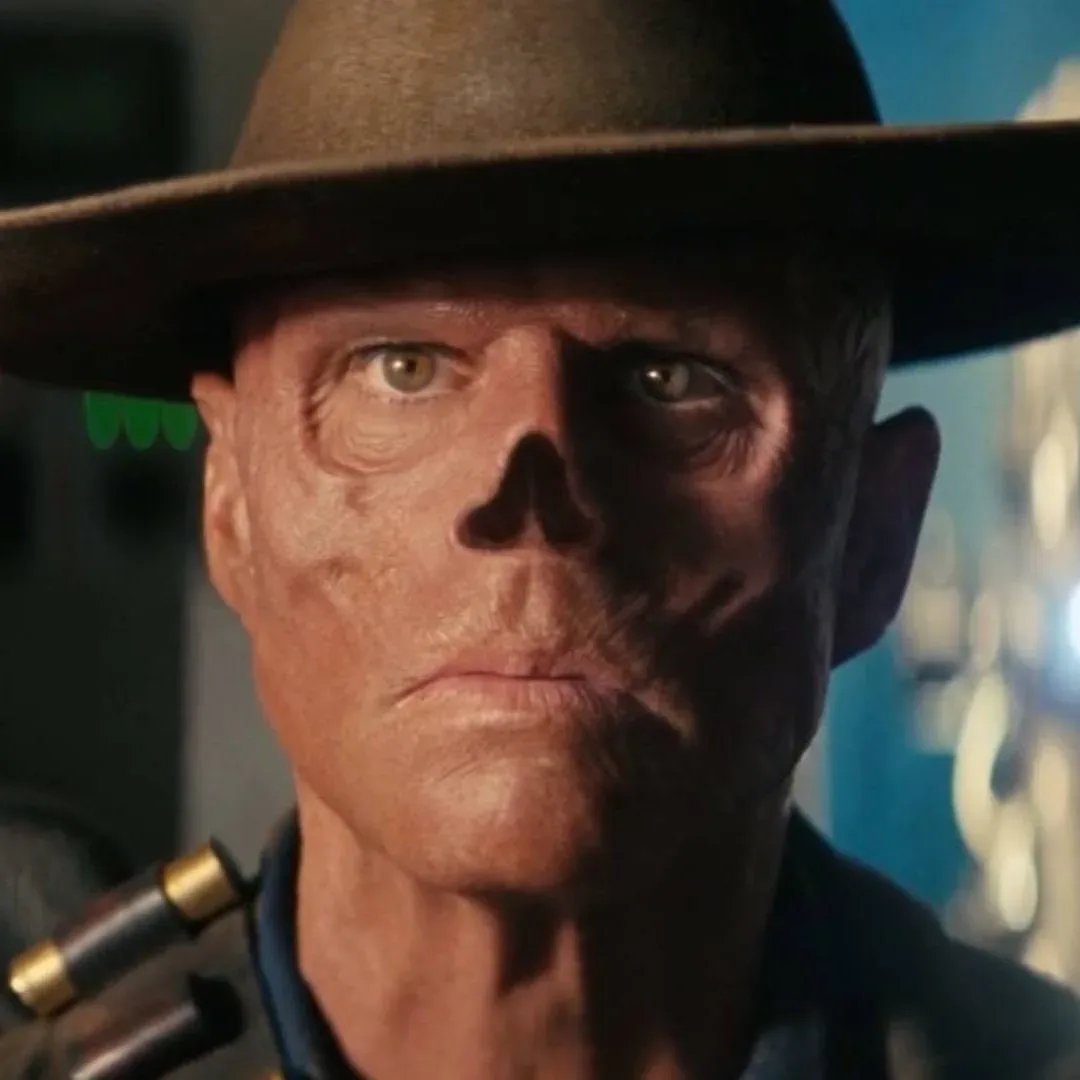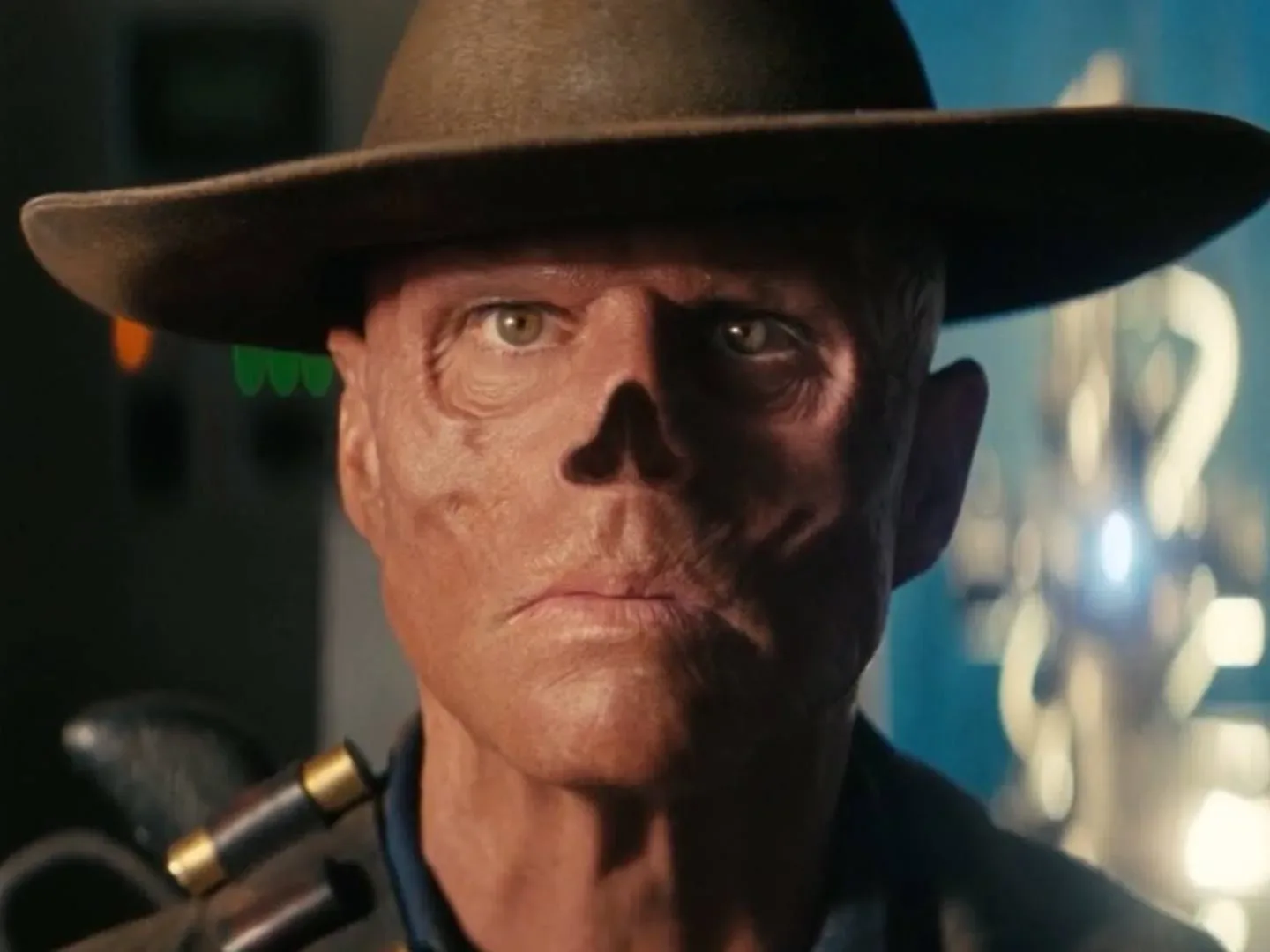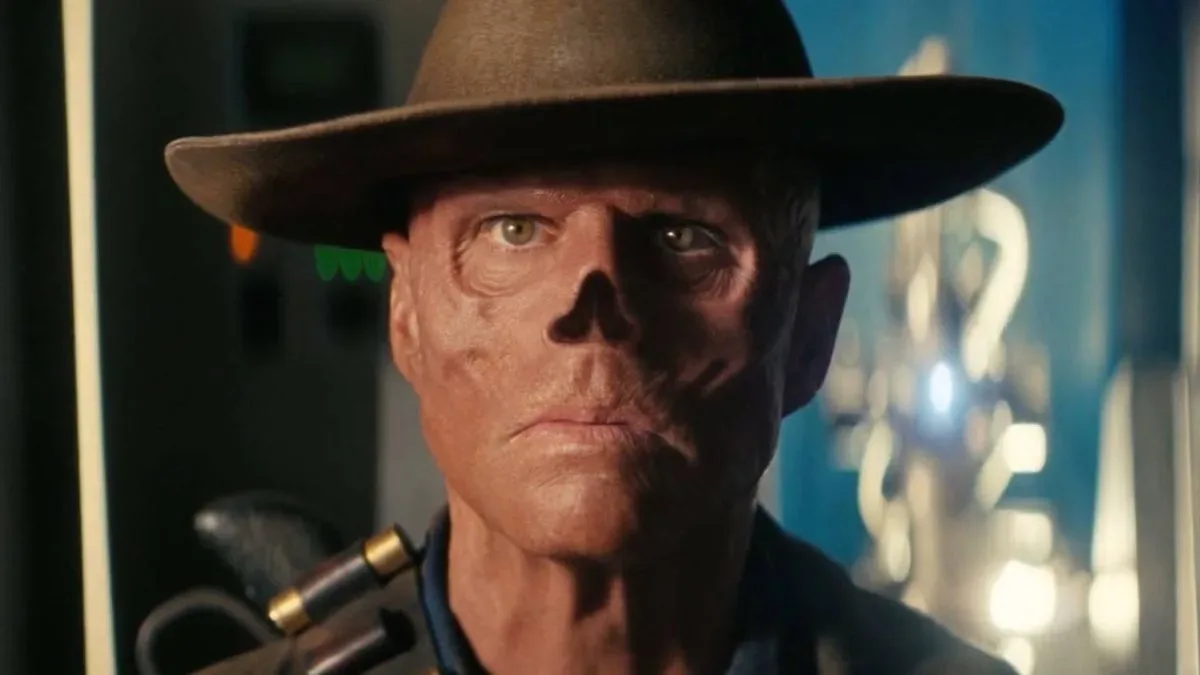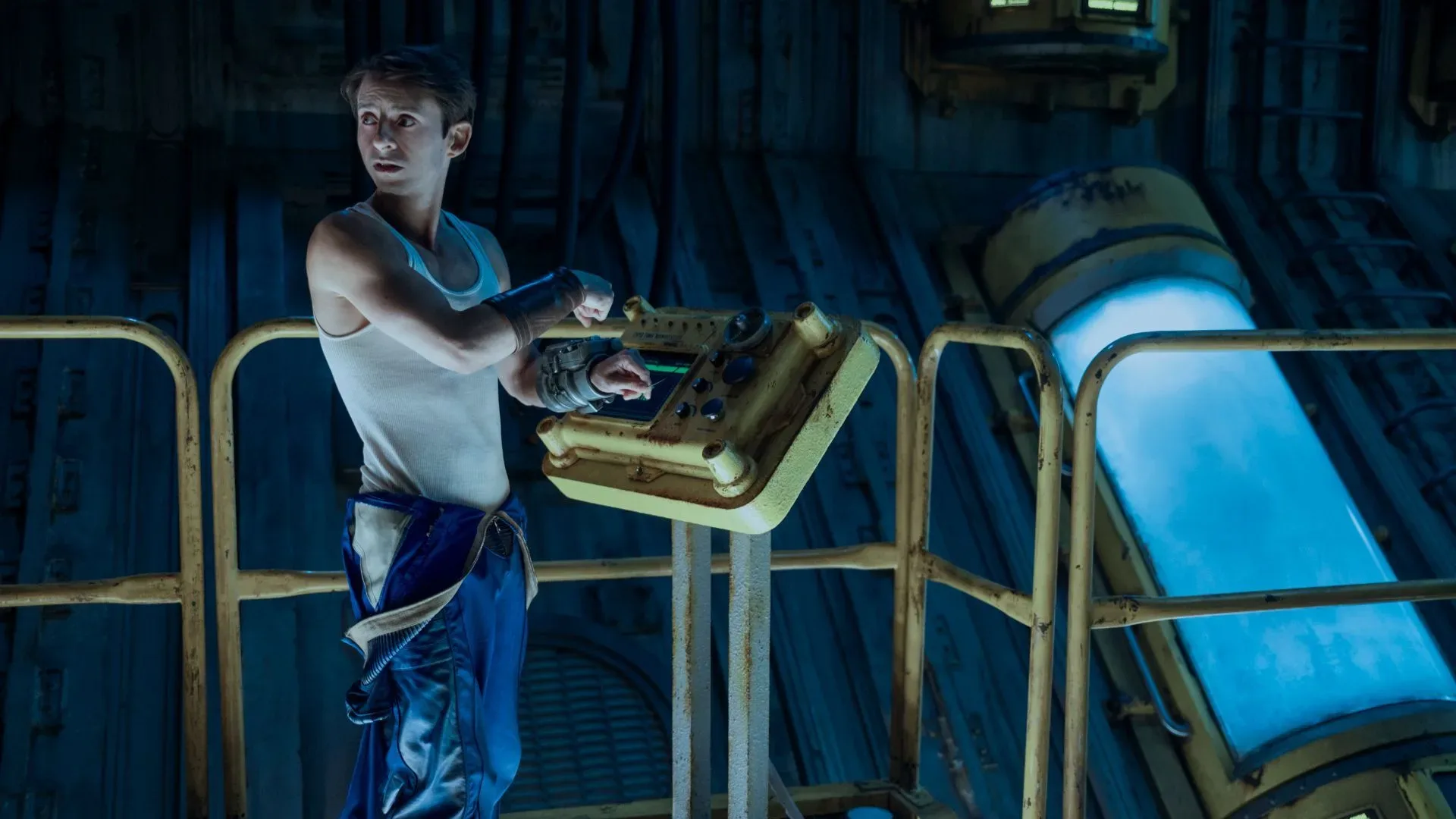
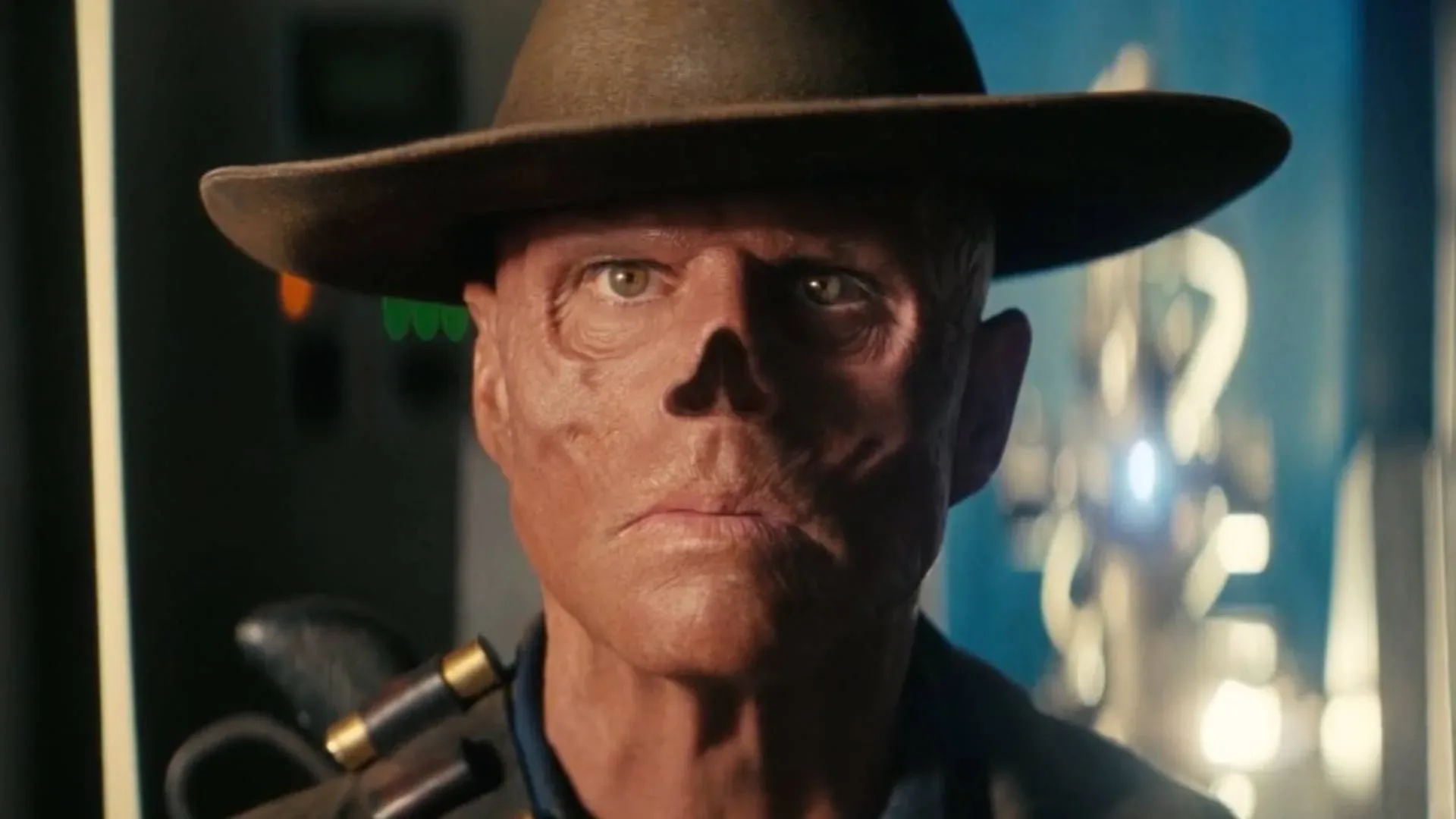
Walton Goggins is confident that Fallout season 3 continues to treat the game series with care—but his comments do not amount to a season 4 confirmation.
Speaking at an awards screening, Goggins discussed why the property matters to its audience and why the creative team views that attachment as a responsibility. He plays the Ghoul in the Prime Video adaptation, and said the show’s approach is built around respect for a game world that has been shared among friends and families for a long time.
That distinction matters. A successful game adaptation does not necessarily need to replay a game’s exact plot, reproduce a player character’s choices, or turn every recognizable object into a reference. In Goggins’ description, the ambition is instead to make a new story that belongs within Fallout canon while protecting the sensibility that makes the games recognizable.
An original story, but not a detached one
Goggins said audience members have responded to the seriousness with which the team approaches the game’s place in players’ lives. He also stressed that the television series remains an original story within the canon.
Canon is the term fans use for material treated as part of a franchise’s official continuity. In practical terms, Goggins’ framing means season 3 is meant to exist in the same larger fictional history as the games rather than simply borrowing their name, visual identity, or setting for an unrelated post-apocalyptic drama.
That leaves the show with a demanding balance to maintain. It needs enough independence for television characters and plotlines to carry their own dramatic weight, while still feeling consistent with the established world. For a franchise as recognizable as Fallout, consistency extends beyond surface details. It includes how the world sees power, survival, violence, corporations, nostalgia, and technological progress.
Goggins specifically pointed to the series’ subversive humor and satirical elements. Those are important terms in this context. Subversive humor uses comedy to undercut accepted ideas or expectations. Satire uses exaggeration, irony, and absurdity to criticize social behavior or institutions. In a setting as bleak as Fallout, this tonal mixture can be as central to authenticity as costumes, props, or familiar terminology.
A show can feature a vault and still miss what viewers value about Fallout if it plays every strange detail with straight-faced grimness. Conversely, comedy alone would not capture a setting built around danger and consequences. Goggins’ remarks suggest season 3 is again aiming for the uneasy overlap: harsh stakes, absurd imagery, and humor that points back at the systems and people that created the wasteland in the first place.
Related coverage includes Walton Goggins Says Fallout Season 3 Respects the Games as Season 4 Remains Uncertain.
The people Goggins credits for the details
Goggins named production designer Howard Cummings and showrunners Geneva Robertson-Dworet and Jonathan Nolan as key figures in maintaining that connection. He said the showrunners play the games and described the team as continually incorporating Easter eggs while returning viewers to the roots of the story.
Easter eggs are deliberate references or hidden details intended for attentive fans to spot. They can be visual, verbal, environmental, or story-based. Their value is not simply that they reward recognition; at their best, they make the setting feel authored by people who understand why an item, phrase, or bit of worldbuilding has meaning.
There is a useful limit to that approach, too. An Easter egg should support a scene rather than replace one. Newcomers still need a coherent story, and longtime players need more than a sequence of nods to earlier material. Goggins’ emphasis on an original canon story is significant because it describes the healthier version of fan service: references that reinforce a story’s identity instead of becoming its only purpose.
Production design has an especially large job in a franchise adaptation. The production designer oversees the visual conception of the world: sets, locations, environmental texture, and the way physical spaces communicate character and history. For a place like the Fallout wasteland, that work helps establish the difference between a generic ruined future and a universe with its own specific, contradictory character.
The series’ creative challenge is therefore not just accuracy in isolated details. It is tonal continuity. Goggins described the team as protecting the spirit of the game while weaving references into a fresh narrative. That is a broader task than faithfully replicating a single object or location—and likely the one fans will keep judging most closely as the show travels into new territory.
The Rockies represent new ground for the franchise
Season 3 is set to take the series to the Rockies, a region the franchise has not previously used. That makes the next chapter notable even before its story details are known. A new region gives the adaptation room to expand without being locked into revisiting a familiar game location beat for beat.
It also raises the stakes for the show’s worldbuilding. The further an adaptation moves into less-charted territory, the more it has to demonstrate that it understands the franchise’s rules and tone rather than merely its best-known landmarks. Goggins’ confidence that season 3 honors the games will be particularly relevant here: the Rockies setting may offer space for new characters, environments, and conflicts, but they still need to feel at home in the same fictional universe.
That is not inherently a problem. Original settings can give a long-running world new life, especially when the creative team is attentive to continuity and atmosphere. But a setting change cannot be evaluated from a location name alone. Until more is revealed, the solid takeaway is simply that season 3 will explore a part of the franchise’s world that has not previously been depicted in the series.
What Goggins did—and did not—say about season 4
Goggins said he would feel confident about continuing to honor the games if the production gets the chance to return for a fourth season. The wording is important: he expressed hope, not confirmation. There is no season 4 order contained in his remarks.
His recent social-media activity had already led some fans to wonder about both the Ghoul’s future and the series’ prospects beyond season 3. Those questions remain open. A farewell-like message can generate understandable speculation around a character, but it is not proof of a particular plot outcome, an exit, or the end of a show.
For now, it is more accurate to separate three ideas that can easily blur together online:
- Season 3 is being discussed with confidence by a principal cast member.
- Goggins would welcome a fourth season and believes its creative approach could continue.
- Season 4 has not been confirmed by these comments.
That may sound like careful parsing, but it is the difference between a performer’s enthusiasm and an official continuation. It also avoids turning uncertainty around the Ghoul into a spoiler-shaped certainty that the available information does not support.
A possible May window, still not a firm date
Goggins’ co-star Kyle MacLachlan may have indicated that season 3 could arrive from May. That should remain in the “possible” column rather than be treated as a final premiere announcement. No exact release date is established by the information available here.
For viewers, the useful expectation is modest: season 3 appears to be moving toward a May start, but that timing should be regarded as tentative until a formal schedule is provided. The same restraint applies to season 4 and to questions surrounding individual characters.
The strongest message from Goggins is creative rather than logistical. He believes season 3 respects the material, credits the team that handles its references and visual language, and identifies the franchise’s satire as something worth safeguarding. That is a meaningful promise for an adaptation whose audience is likely to notice both the tiny details and the larger tone.
Game adaptations are often judged on whether they merely recognize their roots or genuinely understand them. Goggins is arguing that Fallout season 3 is pursuing the latter. It is a claim the new Rockies storyline will eventually have to prove on screen, but it is also a clearer and more grounded update than speculation about a fourth season.
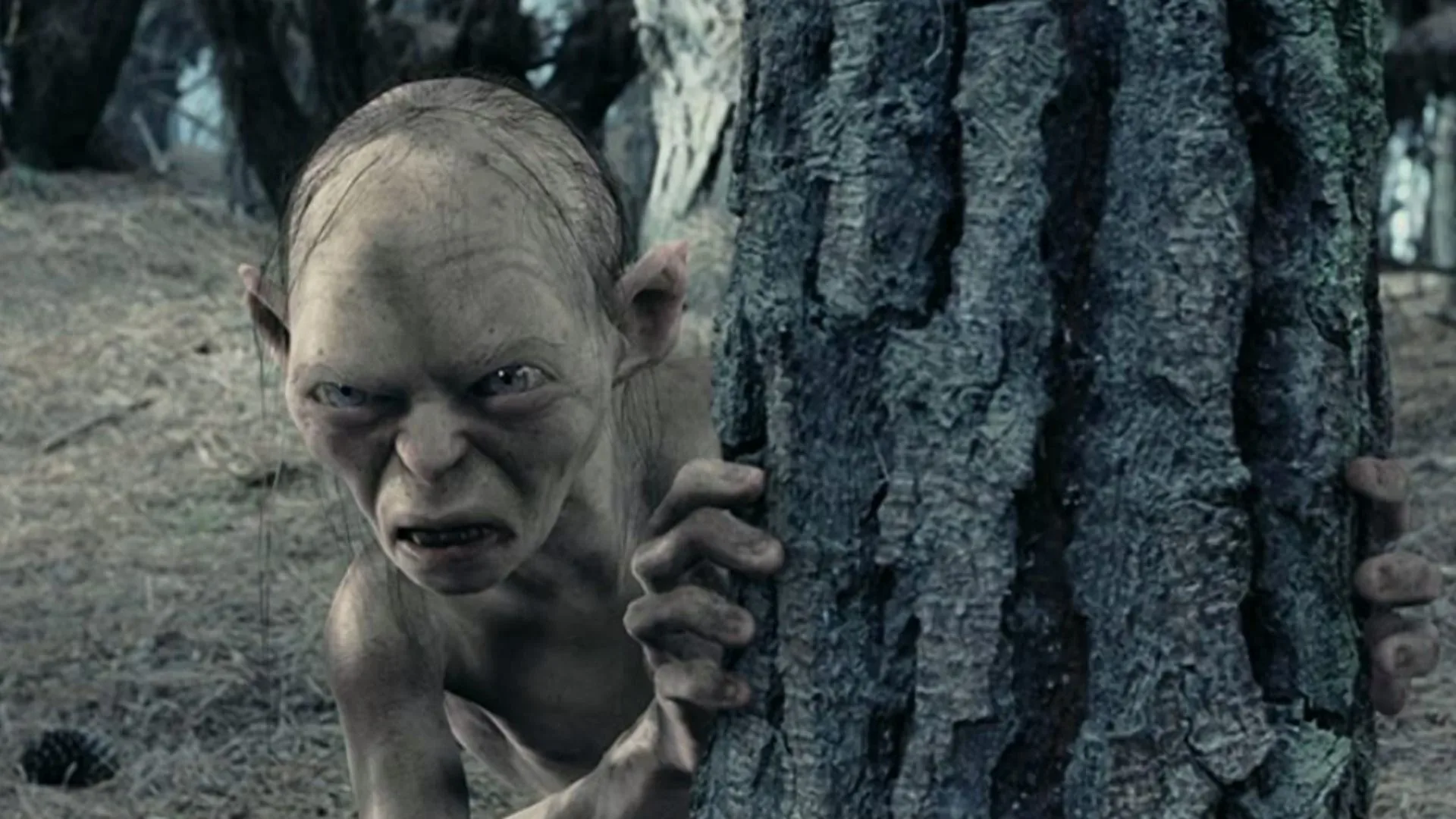
For another example of how performance choices can become central to adapting an established fantasy world, see our coverage of Andy Serkis discussing early Gollum motion-capture scenes.