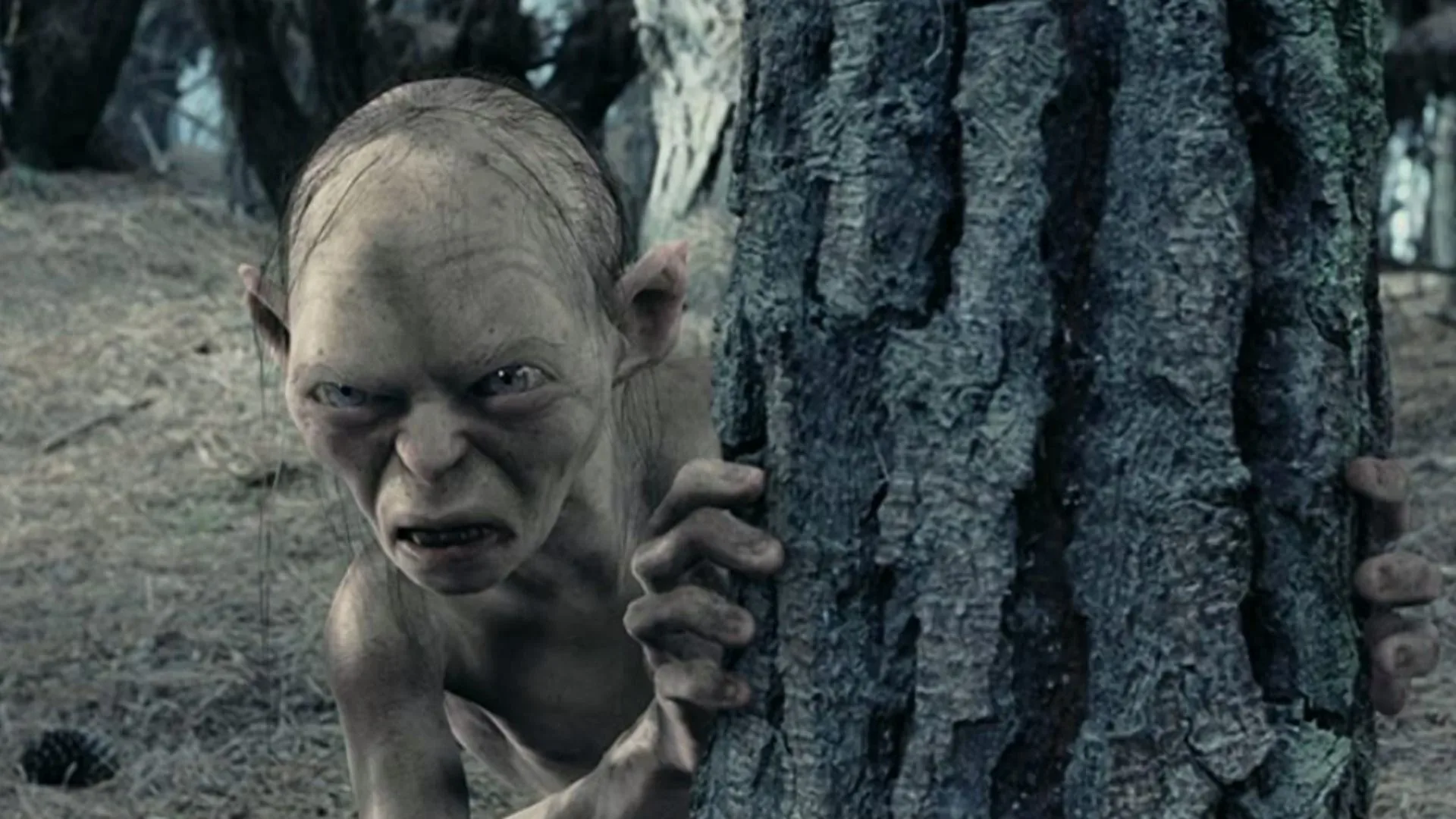
Andy Serkis has looked back on a difficult early adjustment to life in Middle-earth, recalling that the unfamiliar practical realities of playing Gollum through motion capture led to tense scenes with Elijah Wood and Sean Astin during the original Lord of the Rings production.
Serkis described arriving after much of the wider ensemble had already spent months working together in New Zealand. That left him feeling separated from a cast that had formed relationships before he joined them. The actor said he felt lonely and like an outsider at the beginning of the process, even though the relationship with his fellow performers would ultimately become much warmer.
The friction, as Serkis tells it, came down to a basic but important issue of performance etiquette: Wood and Astin approached scenes featuring Gollum as something close to rehearsals, while Serkis was playing them as the work itself. He characterized the disagreement as a genuine falling-out, with harsh words exchanged before the actors reached an understanding.
“Because of the new way we were using motion capture to film Gollum, when we were shooting scenes together, they were treating them almost like a rehearsal,” Serkis said. “So there were harsh words. But once we understood each other, we were golden.”
For more context, explore Magic: The Gathering’s Nauctis Is Set to Take Players Beneath an Entire Ocean World in 2027.
Why the Gollum scenes required a different mindset
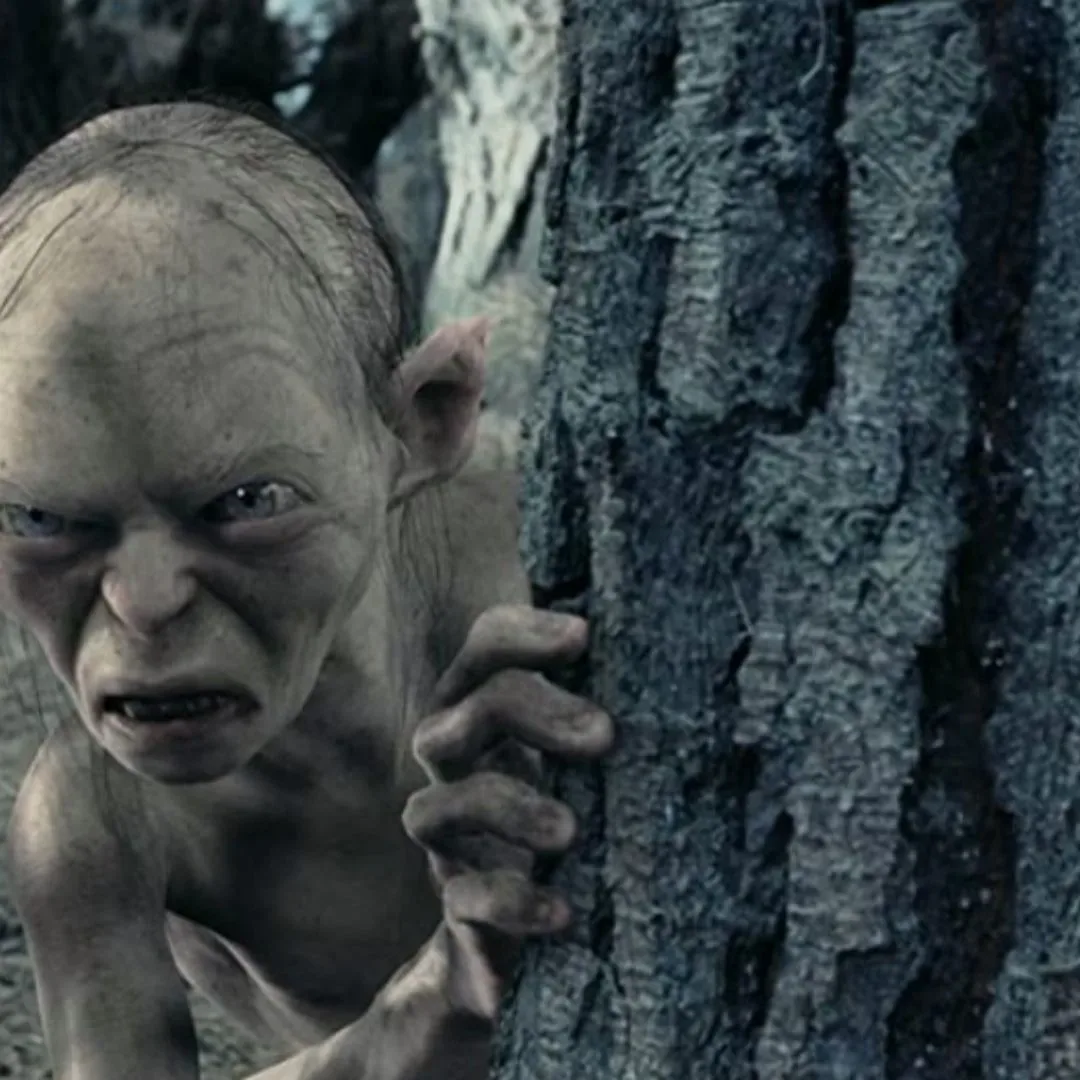
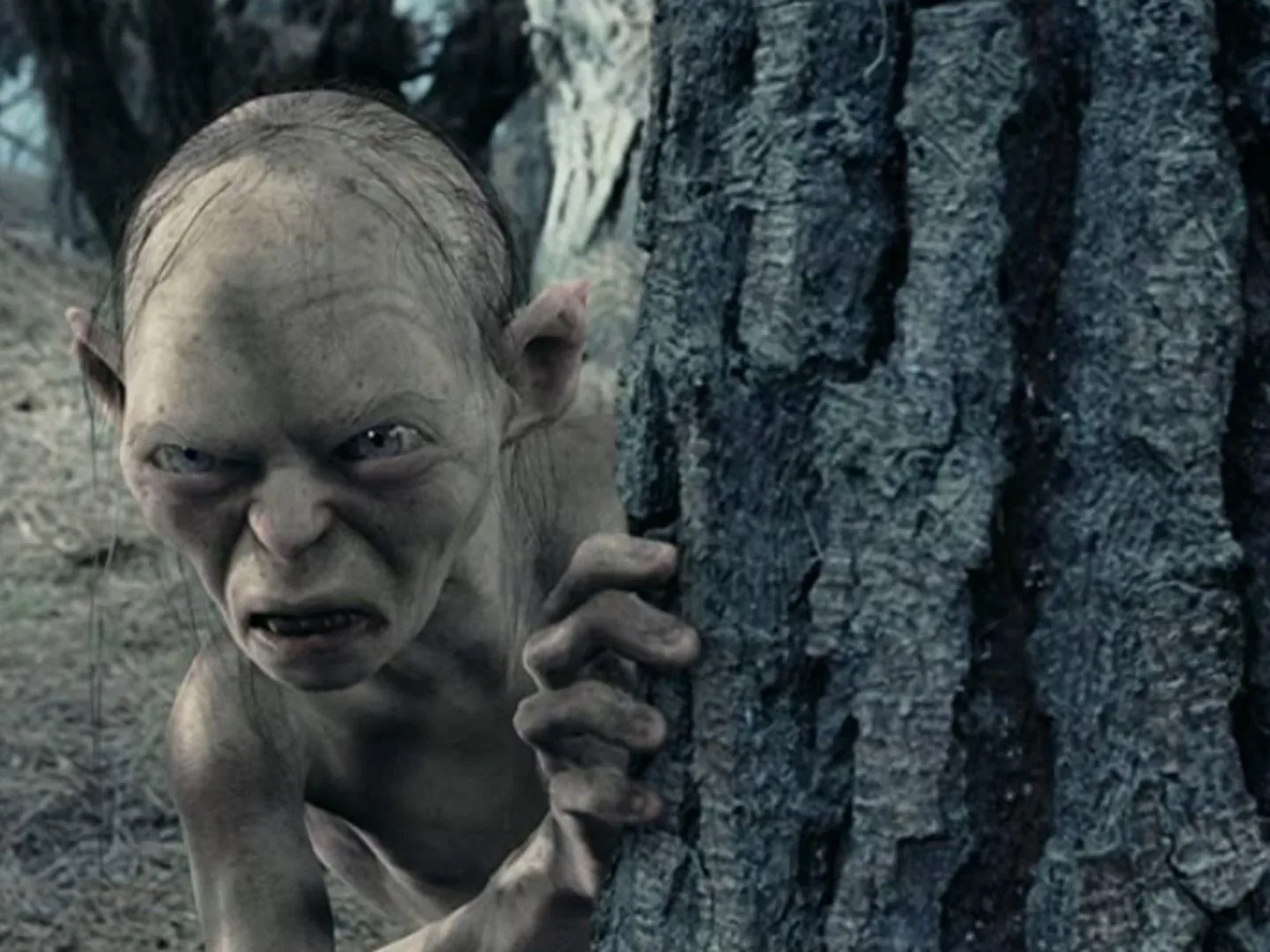
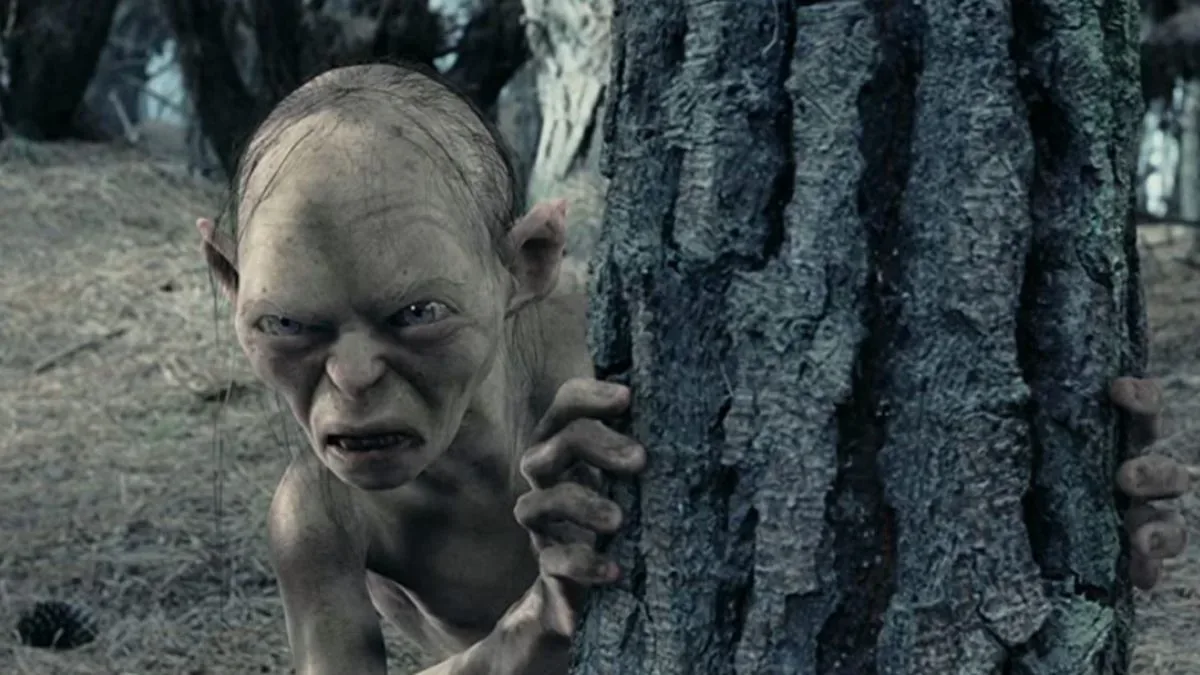
The disagreement makes sense in the context of how Gollum was made. Serkis was physically present on set with the other actors, wearing an optical performance-capture suit, rather than merely recording lines separately. Yet the creature audiences eventually saw was a digitally created character, built from Serkis’s performance rather than simply filmed as he appeared in costume.
Motion capture, sometimes called performance capture in this context, is a technique in which an actor’s movement is recorded so it can inform a computer-generated character. It is not the same thing as animation created without a performer: the point is to preserve elements of the actor’s body language and acting for the digital character. That hybrid setup can make the boundaries of a scene less immediately intuitive to performers used to a conventional live-action workflow.
For Wood and Astin, the eventual visual effect may have made the Gollum material feel provisional while cameras were rolling. For Serkis, however, the physical acting happening in front of them was central to the final sequence. Treating a take casually could affect timing, reactions and the emotional exchange that the finished character needed. Their eventual resolution appears to have been rooted not in a lasting personal dispute, but in recognizing that the technology did not reduce the importance of the acting taking place on set.
That distinction is especially relevant to Gollum, a character whose power depends on the unstable relationship between Sméagol and Gollum. The role needed more than a digital body and altered voice; it required another actor to respond to in the moment. Serkis’s account underlines how much of that performance was collaborative, even if the final image on screen looked unlike a traditional co-star.
From a late arrival to part of the family
Serkis first appeared as Gollum in 2001’s The Lord of the Rings: The Fellowship of the Ring. He returned in The Two Towers and The Return of the King, then reprised the character in the Hobbit prequels. His place in the larger ensemble clearly changed over time.
Now, Serkis describes the returning group as family. Wood has expressed a similarly affectionate view of going back to New Zealand and reconnecting with old colleagues, while noting that his own involvement in the new film will be relatively small. The contrast with Serkis’s first days on the trilogy is striking: what began with an unfamiliar technology and an understandable clash of expectations has become a long-running creative connection.
There is a useful human lesson in the anecdote, too. Technical innovation can introduce uncertainty into a set even when everyone is trying to make the same film. A performer in a capture suit may look unlike the final character; another actor may not know precisely which details will matter once visual effects are applied. Serkis’s recollection suggests that clarity about the process, and respect for the performance happening before the effects work begins, were necessary to get everyone on the same page.
The reunion in The Hunt for Gollum
That shared history is about to take on new significance. Serkis, Wood and Ian McKellen are set to reunite for The Lord of the Rings: The Hunt for Gollum, which is scheduled for theatrical release on December 17, 2027.
The film is set in the gap between the Hobbit and Lord of the Rings trilogies, before Frodo and the Fellowship begin their journey to destroy the One Ring. That placement gives the project a very specific place in the existing screen timeline: it is neither a retelling of the central Fellowship quest nor a continuation after its ending.
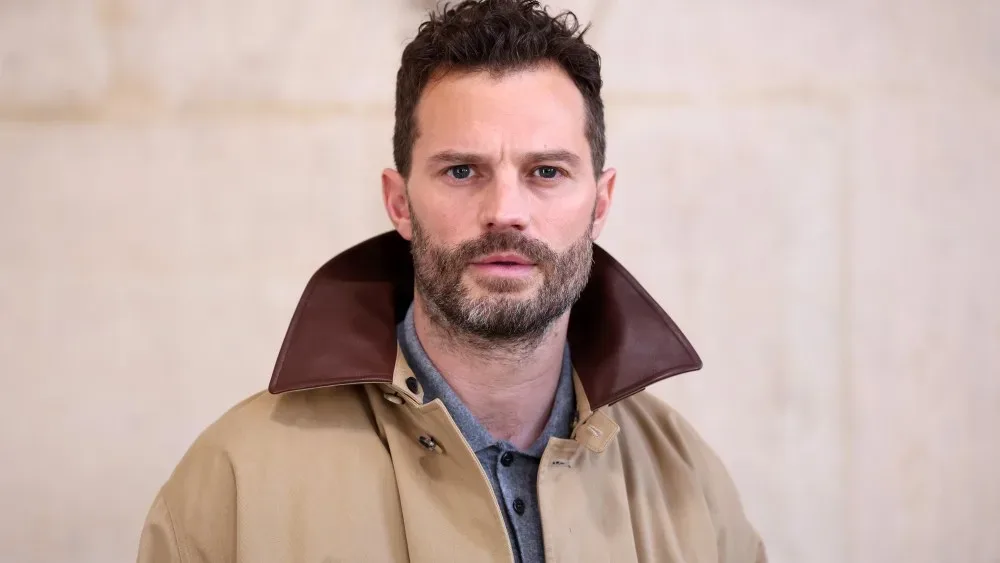
Serkis said principal photography was a little more than a week away from beginning at the time of his comments. He also said Jamie Dornan, identified as playing Aragorn, had arrived in New Zealand, and that Kate Winslet was expected to follow. Those details point to an ensemble that mixes returning figures with newcomers, though the supplied information does not establish the full cast or the scope of every role.
For audiences, the appeal of the reunion is likely to be more than simple nostalgia. Gollum was among the most technically ambitious elements of the earlier films, and Serkis’s story offers a reminder that the character emerged from an on-set process involving live scene partners, not just effects work completed afterward. Returning to that world with Wood and McKellen gives the upcoming production a connection to both the original cast dynamic and the performance tradition behind the character.
A small conflict that explains a major screen performance
Serkis’s recollection does not recast the original trilogy as a production defined by conflict. Quite the opposite: he frames the harsh exchange as a problem the actors solved once they understood one another. But it does add texture to the story of Gollum’s creation.
It is easy to think of a digitally rendered character as an effects achievement first and an acting achievement second. The account from the set points the other way. The technology changed the appearance of the performer, but it did not remove the need for the other actors to treat the moment as a real dramatic encounter. In that sense, the tension was about protecting the seriousness of the scene rather than resisting a new process.
With The Hunt for Gollum bringing members of that original group back together, the old disagreement now reads as an early obstacle in a relationship that endured. Serkis’s description of the cast as family, and Wood’s anticipation of returning to see old friends, make clear that the resolution lasted far longer than the argument.