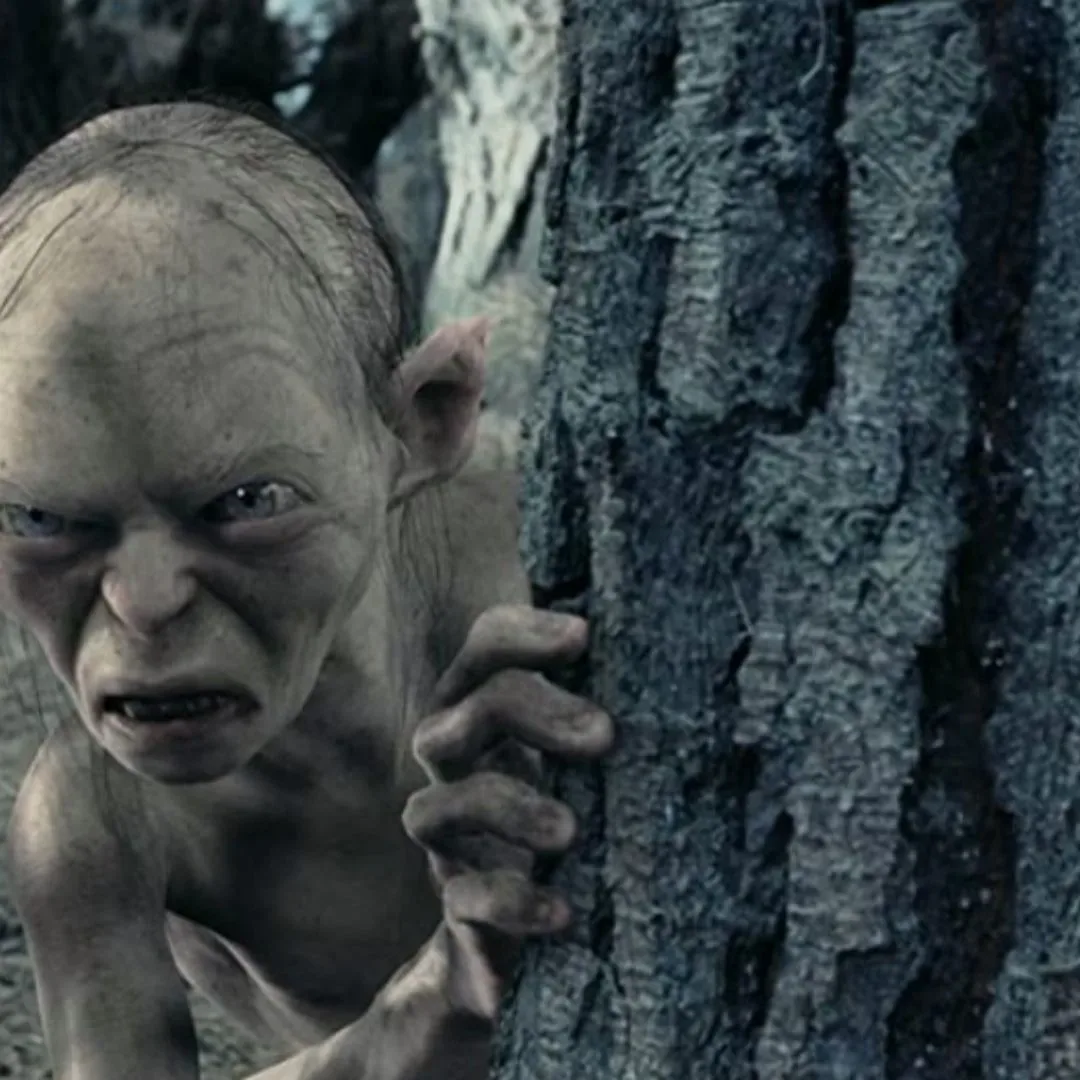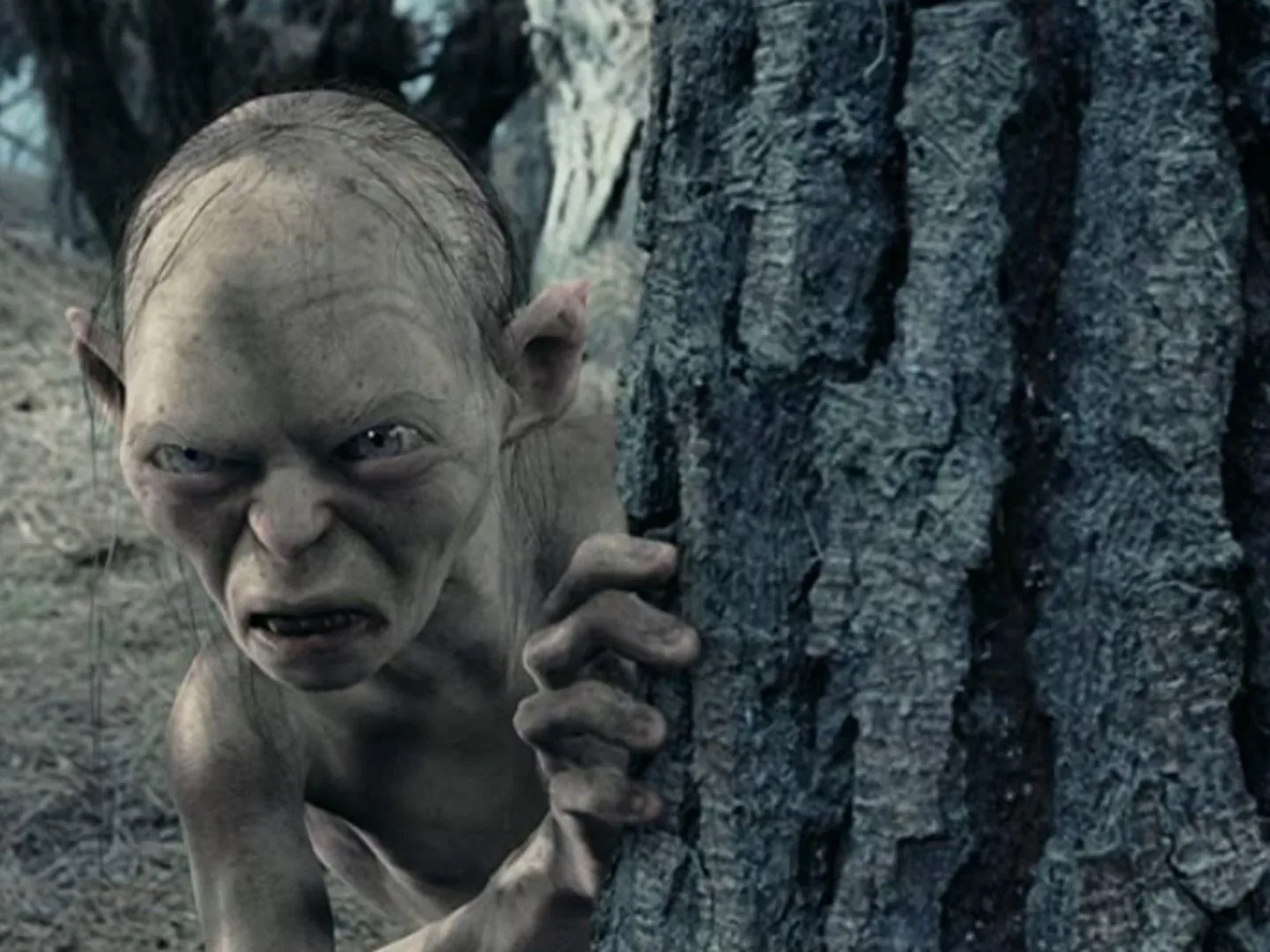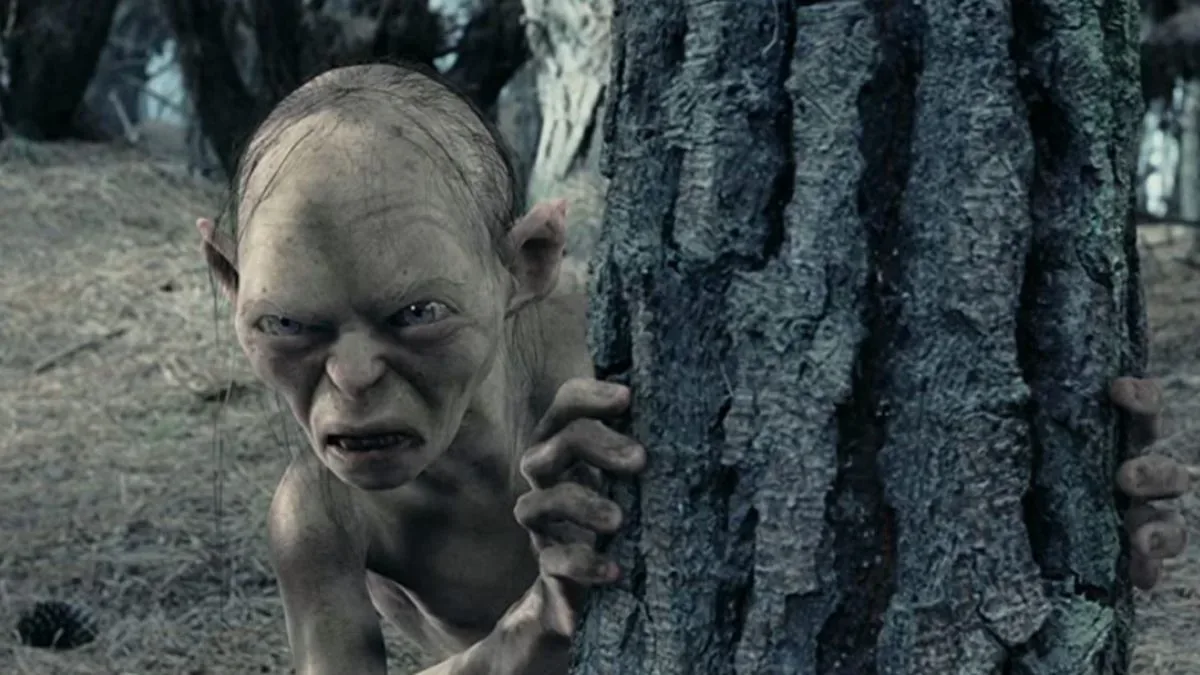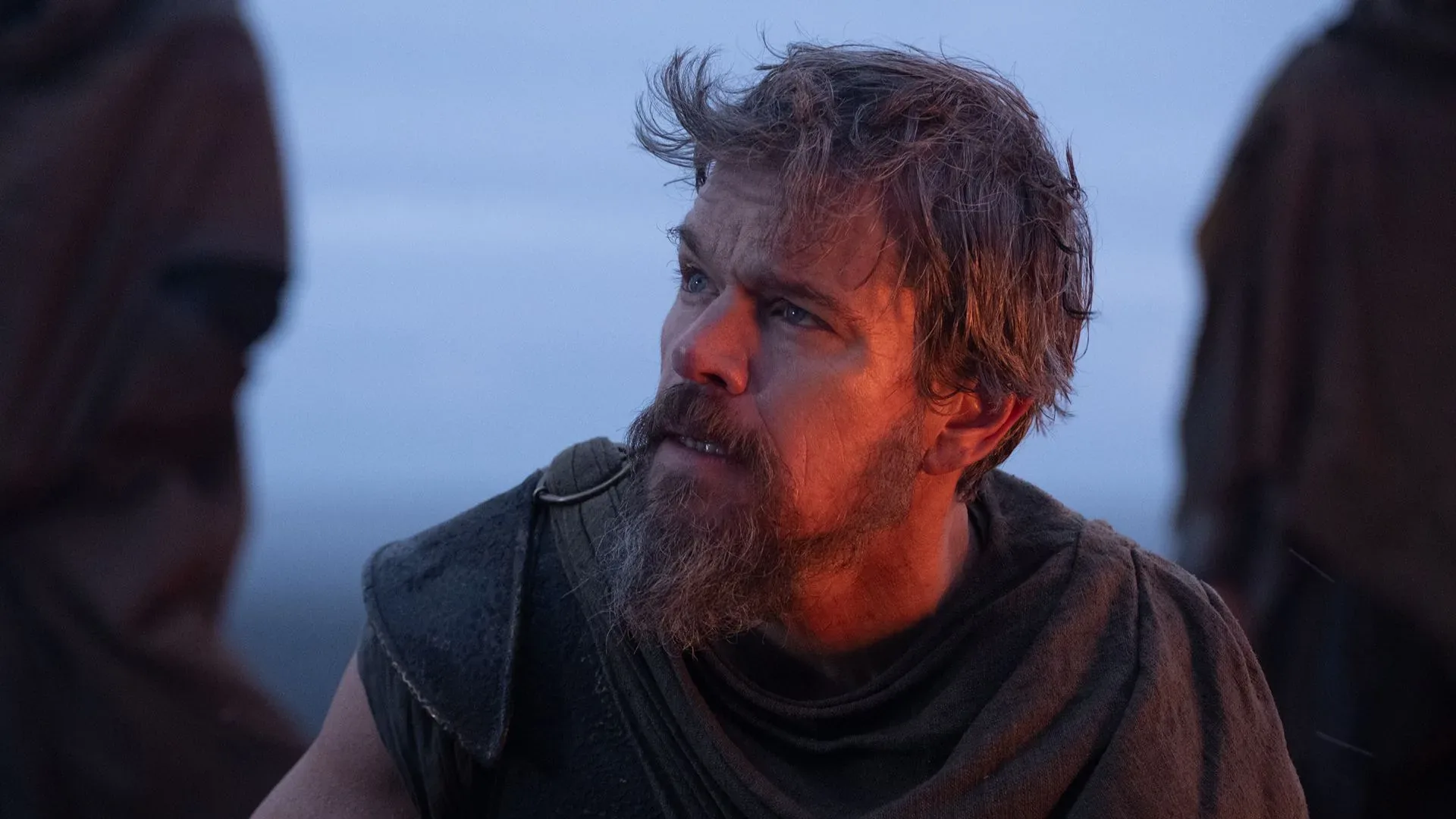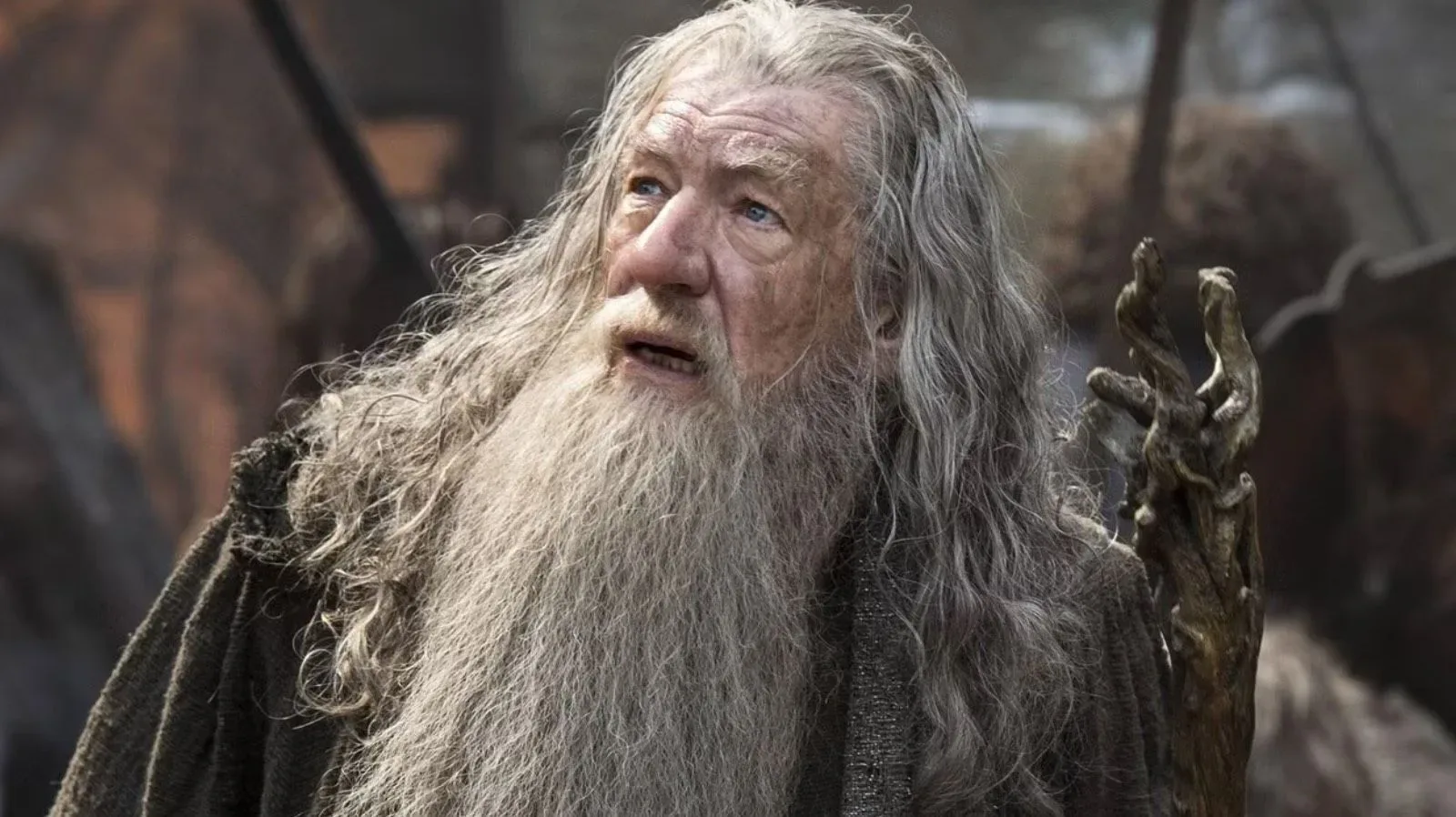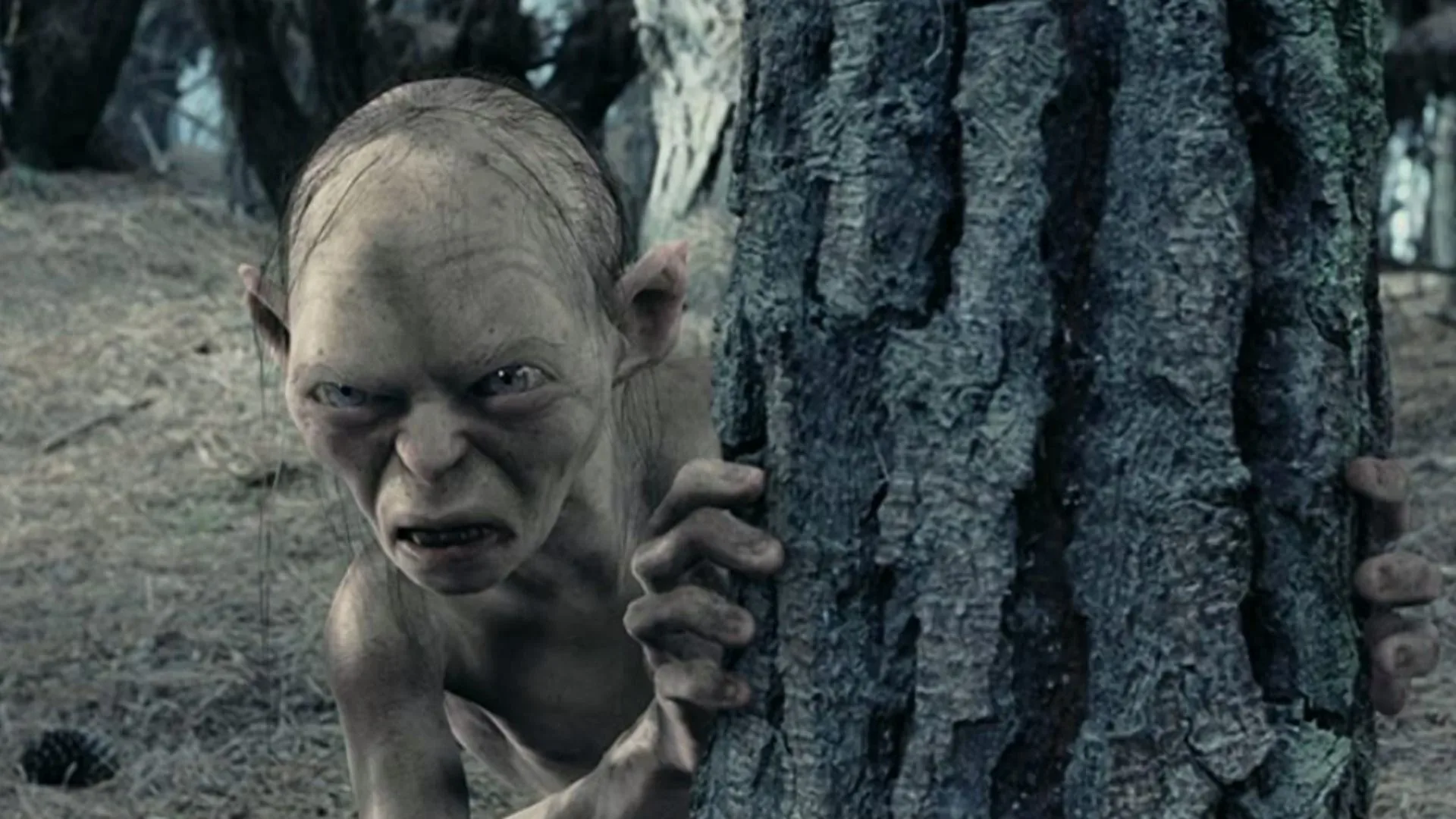
Andy Serkis has confirmed that The Hunt for Gollum has finished principal photography, closing a major production stage for the next live-action return to Middle-earth. Serkis is directing the film and returning to play Gollum, a role inseparable from one of fantasy cinema’s most unnerving coughing fits and most bruised souls.
Speaking about the completed shoot, Serkis described the experience as an “incredible journey” back to a character he called endlessly complex, wonderfully drawn and written. He also said he was eager to examine Gollum further, arguing that the character bears that closer attention.
The film is scheduled to reach cinemas on December 17, 2027. That leaves a considerable gap between the end of filming and release—space for the many post-production jobs that turn a completed shoot into a finished fantasy epic, rather than merely several hard drives full of actors looking concerned at tennis balls.
What “principal photography” wrapping actually means
Principal photography is the main period in which a film’s planned scenes are shot with its cast and crew. A wrap is a meaningful milestone: the production has completed its core live-action filming schedule. It does not mean the film is finished, locked, or ready to screen for audiences.
For a project centered on Gollum, the work after shooting may be especially consequential. The supplied details do not set out the film’s post-production plan, so it would be premature to predict specific workflows or finished effects. But the distinction matters because Serkis’ performance is bound up with a character whose final on-screen presence depends on more than a conventional costume-and-camera setup.
There can also be additional work after a principal-photography wrap, such as editing, sound work, music, visual finishing, and potentially other photography. None of that has been specifically confirmed here. The reliable takeaway is simpler: the production has cleared its main shoot and is now working toward its announced 2027 theatrical date.
A story placed in the gap between two trilogies
The Hunt for Gollum is set largely in the period between The Hobbit and The Lord of the Rings trilogies. Its central pursuit runs in two directions. Sméagol is desperately searching for the One Ring, while Gandalf sends Strider—Aragorn—to find him.
That premise gives the film a defined dramatic engine rather than positioning Gollum as a purely nostalgic return appearance. The One Ring is the object both sides are moving toward, but for sharply different reasons. Gollum’s need for it is personal, consuming, and inseparable from the damage it has done to him. Aragorn’s task, at Gandalf’s request, turns the same trail into a hunt.
It is also a premise that naturally puts pressure on what makes Gollum compelling. He is not described merely as a monster to be tracked or a former Hobbit to be pitied. Serkis’ comments emphasize complexity, an appropriate focus for a figure whose identity is split between Sméagol and Gollum and whose relationship with the Ring is central to his tragedy.
Why the narrow framing could matter
Stories set between larger installments can sometimes be treated like empty map space waiting to be filled. The details available for The Hunt for Gollum suggest a more focused possibility: follow one dangerous character, the object he cannot stop pursuing, and the ranger assigned to prevent that pursuit from becoming a wider disaster.
That does not tell audiences the film’s full tone, scale, or structure. Those details have not been provided. It does, however, establish a story with a clear internal tension. Gollum is both the quarry and a driving force in his own search. Aragorn is pursuing someone who is himself pursuing something else. In other words, Middle-earth has arranged a chase sequence with an alarming amount of emotional baggage.
Familiar characters, plus a younger Aragorn
Serkis will be joined by several returning faces from the wider film world. Sir Ian McKellen is set to return as Gandalf, Elijah Wood as Frodo, and Lee Pace as Thranduil. Jamie Dornan has been cast as a younger Aragorn, replacing the previous actor in the role for this part of the story.
The announced cast also includes Kate Winslet, Anya Taylor-Joy, and Leo Woodall, who are newcomers to the franchise. Their roles were not identified in the available information, so there is no useful basis for guessing at their characters, allegiances, hairstyles, or likelihood of having a tense conversation near a foggy tree line.
The confirmed returning characters raise different questions about how the movie will navigate its chosen timeline. The supplied premise explicitly names Gandalf and Aragorn’s mission, making their relevance immediately clear. Frodo and Thranduil are also part of the announced ensemble, though the present information does not explain the size or nature of their appearances. Their inclusion should therefore be treated as cast confirmation, not evidence of a particular subplot.
The Aragorn recasting is likewise worth separating from the broader idea of a return. The film’s story concerns a younger version of the character, and Dornan is playing that version. Serkis, by contrast, is returning to the same defining role while also directing. That dual responsibility places the movie’s creative leadership and its central character in the hands of one person, a fact that makes his remarks about revisiting Gollum more than routine promotional enthusiasm.
The AI and de-aging issue, explained carefully
The production drew controversy earlier in the year after an admission that AI had been used in some de-aging work. De-aging refers to techniques used to make an actor appear younger on screen. The umbrella term can encompass different processes, and the available information does not provide a technical breakdown of the work at issue.
Serkis subsequently addressed the concern by saying the production was not creating AI shots and that every shot was being made in a traditional way. Those comments are important because they distinguish the use of AI in some aspect of de-aging from the claim that the movie consists of AI-generated imagery. Based on the information available, it would be inaccurate to collapse those two descriptions into the same thing.
It is equally important not to overstate what remains unclear. No detailed account has been supplied identifying precisely where AI was used, what tool or process was involved, or how that work fits into the film’s final images. The most accurate position is that AI’s involvement in some de-aging prompted criticism, while Serkis has denied that the film is creating AI shots and has characterized its shots as traditionally made.
For viewers, the practical implication is less a settled technical verdict than an issue to watch as the production gets closer to release. The project has now completed filming, but no further production detail in the supplied material resolves the broader questions raised by that earlier controversy.
What is confirmed—and what remains unknown
- Confirmed: Principal photography on The Hunt for Gollum has wrapped.
- Confirmed: Andy Serkis directs and plays Gollum.
- Confirmed: The story is set largely between The Hobbit and The Lord of the Rings trilogies, following Gollum’s search for the One Ring and Aragorn’s hunt for him at Gandalf’s direction.
- Confirmed: McKellen, Wood, Pace, Dornan, Winslet, Taylor-Joy, and Woodall are among the named cast.
- Confirmed: The cinema release date is December 17, 2027.
- Not detailed here: The newcomers’ roles, the extent of each returning character’s part, and the movie’s complete plot.
- Not detailed here: A full explanation of the AI-assisted de-aging work that generated concern.
For now, the wrap offers the clearest concrete update: The Hunt for Gollum has moved beyond its main shoot. Fans interested in another major fantasy production taking shape can also follow other film developments, including recent discussion of Christopher Nolan’s The Odyssey.
Serkis’ framing of Gollum is the key signal from this update. The new film is not merely returning to a recognizable voice, a familiar silhouette, or an old obsession with jewelry. It is built around a character Serkis believes still has more to reveal. Whether that deeper examination can stand as a satisfying chapter in its own right remains a question for 2027. The cameras, at least, have stopped rolling.