Stepping into Middle-earth is one thing. Stepping into Aragorn’s boots is another matter entirely, especially when Viggo Mortensen’s version of the Ranger remains so closely tied to the character for film audiences. Jamie Dornan, cast as a younger Aragorn in The Lord of the Rings: The Hunt for Gollum, appears well aware of that reality—and his approach is refreshingly uncompetitive.
Dornan has acknowledged the pressure that comes with following such an iconic performance, but says Mortensen will always be Aragorn to him. Rather than framing the new casting as an attempt to surpass or replace what came before, Dornan has described the role as an opportunity to honor the energy Mortensen brought to the character.
That distinction matters. The Hunt for Gollum is not positioned as a straightforward remake of the earlier trilogy, nor is it simply retelling Aragorn’s best-known scenes. Its story is set in the stretch between The Hobbit and The Lord of the Rings, giving the production room to portray Strider before the events that brought him to the foreground of the original films.
A younger Aragorn, not a replacement Aragorn
Aragorn is one of the most difficult kinds of returning roles to recast: a character with a long fictional history, but also a screen identity shaped decisively by one actor. Mortensen’s performance covered both sides of the role. He played the weathered, guarded traveler known as Strider while gradually revealing the leader and heir beneath the cloak.
Dornan’s comments suggest he sees that legacy as a guide rather than an obstacle to be overcome. That is a sensible creative position for a story set earlier in Aragorn’s life. A younger version can be recognizably connected to the character audiences know while carrying himself differently because the circumstances are different.
There is an important limitation, though: “younger” does not automatically mean a radically unfamiliar man. The film will still need to make its Aragorn feel like the Ranger who belongs in this version of Middle-earth. Dornan’s stated reverence for Mortensen’s work indicates that continuity of spirit is likely to be a priority, even if the performance is necessarily his own.
“For me, Aragorn will always be just Viggo,” Dornan said, adding that he is not trying to outdo the earlier performance.
Mortensen has also expressed support for Dornan’s casting, saying he was thrilled. That does not answer every question fans may have about how the new portrayal will look or sound, but it is meaningful context for a production built around a character so inseparable from his earlier screen incarnation.
What The Hunt for Gollum is actually about
The film follows Gandalf and Aragorn as they pursue Sméagol across Middle-earth. Their objective is to discover whether the magical ring connected to him is Sauron’s One Ring. The core of this mission is summarized in The Fellowship of the Ring, but the screenplay expands those brief passages into a full narrative.
That setup offers a practical reason for Aragorn to lead the story without forcing the film to repeat the journey of the Fellowship. He is an experienced tracker, while Gollum is the elusive target at the center of an investigation with consequences far beyond either man. The hunt gives the story an immediate forward drive: find Sméagol before knowledge of the Ring can be used by darker forces.
It also places Gandalf in a role that should be familiar to viewers: someone who understands the gravity of a threat before most of the world does. The One Ring is not merely valuable jewelry in this context. It is Sauron’s Ring, and identifying it correctly would transform a troubling mystery into an urgent danger for all of Middle-earth.
The source material’s brevity leaves room for the film to build texture around a known outcome. That can be a strength, since audiences understand the stakes while the production explores the movement, decisions and hazards of the search itself. But it also sets a clear responsibility: additions must feel compatible with the established framework rather than distracting from it.
Key names in the mission
- Aragorn/Strider: Dornan’s character is the Ranger undertaking the pursuit with Gandalf.
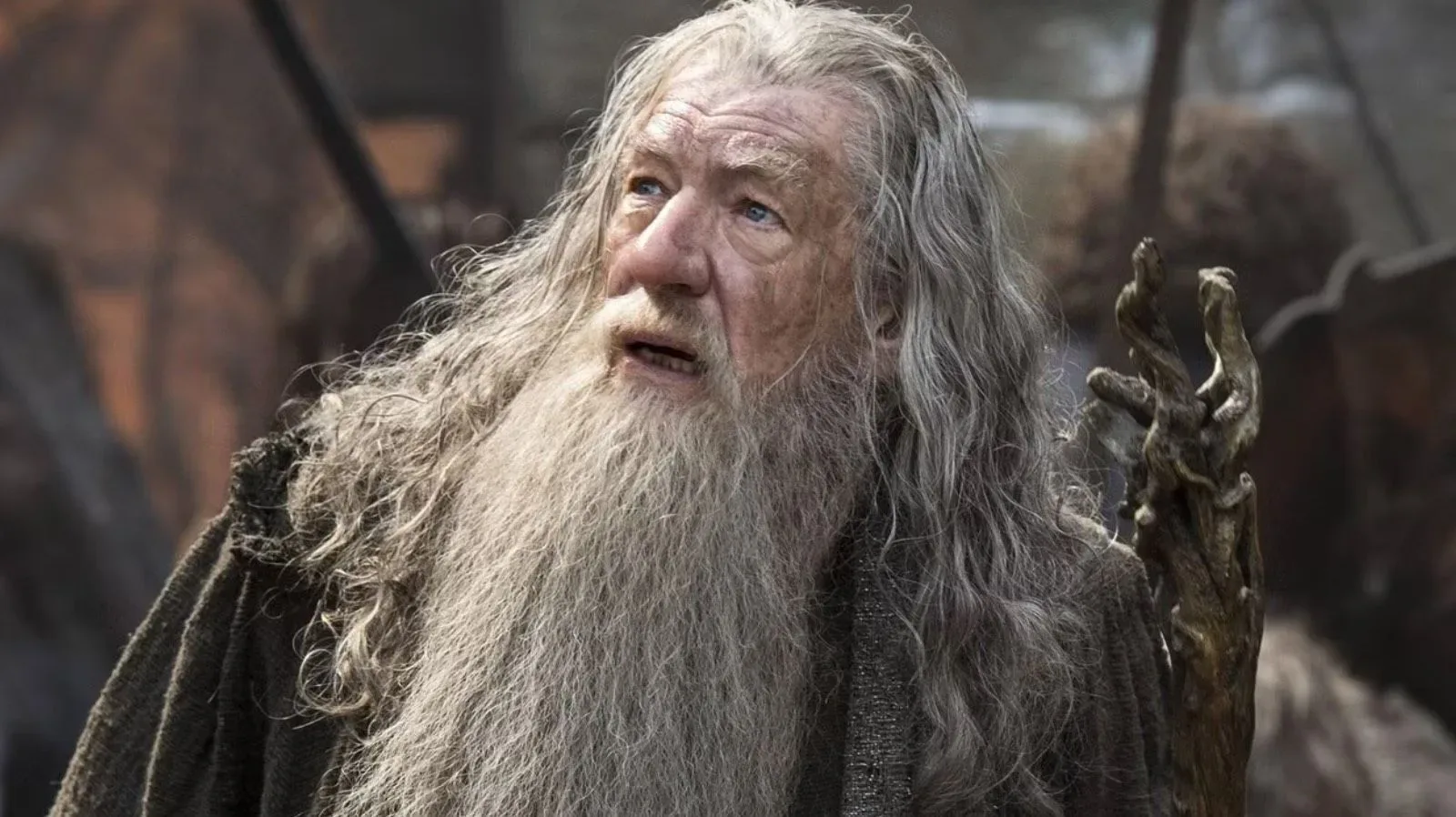
- Gandalf: Ian McKellen is set to reprise the role, linking the investigation directly to the familiar wizard of the earlier films.
- Sméagol/Gollum: Andy Serkis returns as the hunted figure and will direct the movie as well.
- Frodo: Elijah Wood is set to reprise Frodo, though the supplied details do not establish the size or nature of his part in the film.
That last point is worth keeping in mind. A returning cast member does not automatically reveal how prominently their character appears. The confirmed information establishes Wood’s involvement, but not a detailed account of Frodo’s place in the plot.
New Ranger company and an Elvenking’s return
Dornan will not be making the journey alone. Leo Woodall will play Halvard, a fellow Dúnedain Ranger who joins Strider’s mission. “Dúnedain” is the name used for the people and lineage associated with Aragorn; in this case, the description establishes Halvard as another Ranger rather than a random travel companion.
Halvard is particularly notable because he gives the movie an opportunity to show Aragorn operating among peers. The best-known film trilogy often presented Strider as the mysterious outsider entering other groups: the Hobbits at Bree, then the Fellowship. A Ranger partner could instead illuminate how he behaves within the world he already knows.
Lee Pace is also returning as Thranduil the Elvenking, the role he played in the Hobbit trilogy. His involvement broadens the film’s connection to the era between the two major trilogies, although no specific details have been provided about his character’s role in the hunt.
These returning and newly introduced figures create a balancing act for the movie. Familiar faces can offer continuity, while Halvard gives the production space to build a relationship that does not have to duplicate the Fellowship’s established dynamics. Whether that balance works will depend on the eventual story, not simply the size of the cast list.
Serkis is directing as well as returning to Gollum
Serkis’ dual role is among the project’s most consequential details. He is returning as Gollum while directing the film, which puts the character at the narrative and production center of a story named for the hunt.
Filming began earlier this year, and material from the production has shown Serkis working in a motion-capture volume. A motion-capture volume is a controlled performance space where an actor’s movements can be recorded and used to drive a digital character. For Gollum, the technique allows the performance to originate with Serkis’ body and expressions even though the final character is created through visual effects.
That process is more specific than simply “doing CGI.” Computer-generated imagery, or CGI, is a broad term for images created or altered digitally. Motion capture is a performance-recording method that can feed into CGI work. The difference matters for Gollum because the character’s physicality—his crouch, movement and reactions—is inseparable from Serkis’ acting.
Serkis’ presence behind the camera may also provide a direct line between the film’s storytelling priorities and its title character. Still, no footage or detailed technical breakdown has yet established precisely how the finished movie will present Gollum, Aragorn or the wider world.
The unresolved age question for returning characters
McKellen and Wood returning raises a visual question that the production has not publicly answered: how will Gandalf and Frodo be made to appear at the appropriate point in the timeline?
One possibility often discussed around legacy productions is digital de-ageing, a visual-effects approach used to make an actor appear younger on screen. It can involve digitally adjusting a performer’s face while preserving their current-day performance. Mortensen has previously said he was not especially fond of the digital de-ageing used in The Irishman, which may help explain why he has said he would return as Aragorn only if it were right for the character.
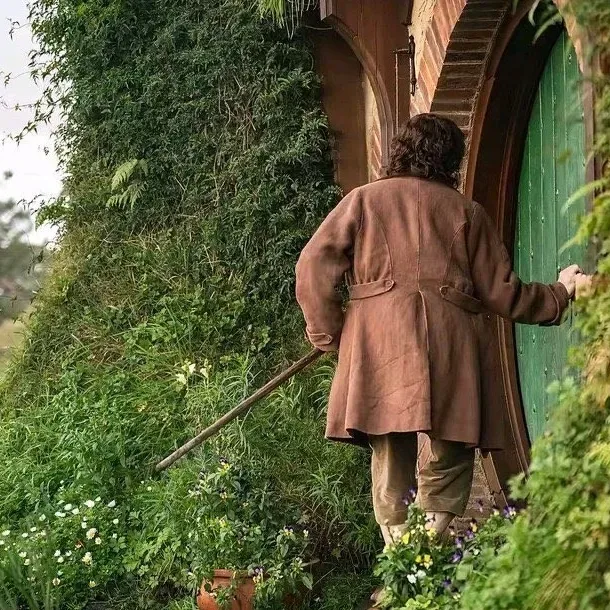
However, it would be premature to assume that The Hunt for Gollum will use any particular technique. No confirmed method has been given for Wood or McKellen. The available set imagery has offered only a glimpse of Frodo from behind, not a clear look at the finished visual approach.
That uncertainty is more than a cosmetic footnote. The decision affects how seamlessly the film can sit alongside earlier entries. It also shapes audience attention: convincing technical work can support the story quietly, while a distracting effect can become the thing viewers discuss instead of the characters’ choices.
Why the tone of Dornan’s comments is encouraging
There is no easy way to inherit a role so strongly associated with another actor, particularly when the original performer remains active and has voiced a conditional openness to returning. Dornan cannot erase Mortensen’s shadow, nor should he try. His comments show an understanding that Aragorn’s cinematic identity is a legacy to respect.
At the same time, reverence alone will not make a performance compelling. The film needs a version of Aragorn who is specific to this period: capable enough to pursue Sméagol across Middle-earth, yet not merely delivering an imitation of the Ranger audiences already know. The opportunity is to find the connective tissue between a younger man on a dangerous mission and the leader seen later.
For viewers planning a suitably theatrical revisit of Middle-earth at home, a surround-capable setup can be part of the appeal; the JBL Bar 500MK2 5.1 Soundbar System is one current option listed on Joking Joystick. The film itself, though, will have a much more fundamental task: make its new faces and returning icons feel like they belong in the same world.
For now, the most concrete picture is clear. Dornan is playing Aragorn, Woodall is joining him as Halvard, Serkis is both directing and returning as Gollum, and McKellen, Wood and Pace are set to reprise major Middle-earth roles. The story has a defined place in the timeline and a strong dramatic premise. The remaining question is how this earlier chapter will earn its own identity while honoring the performances that made these characters enduring screen legends.