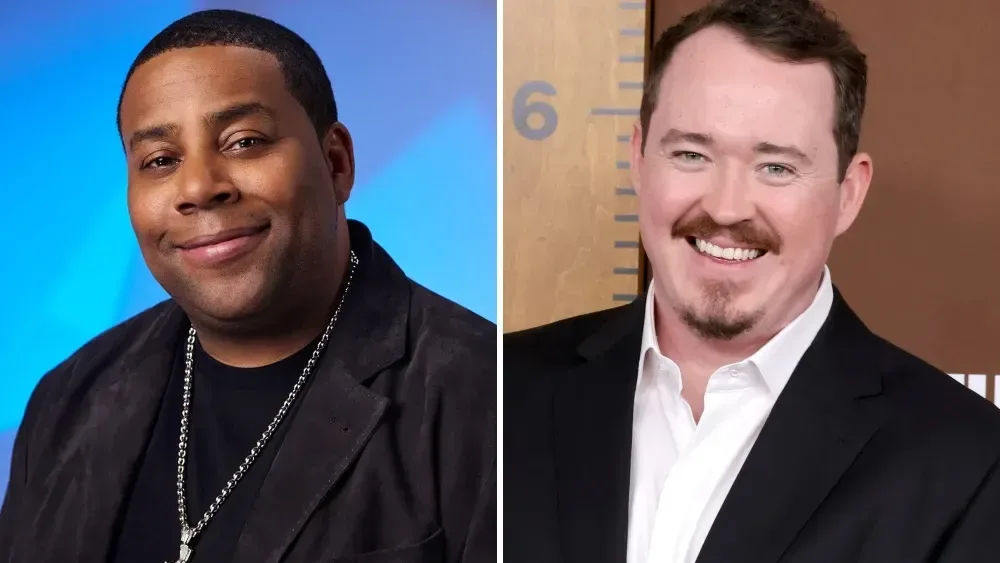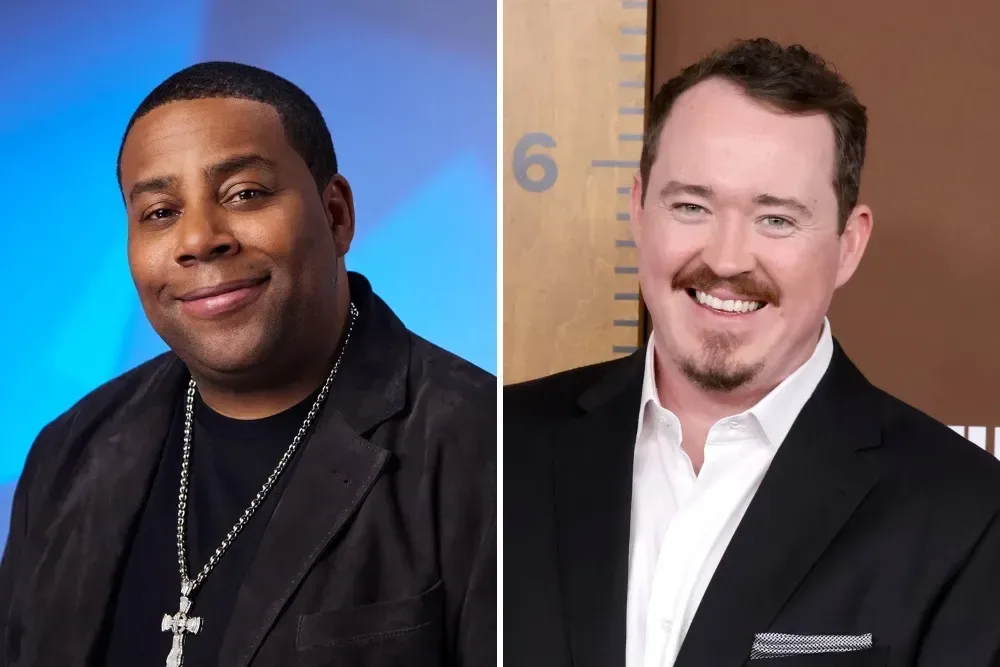
Kenan Thompson has addressed the backlash surrounding Shane Gillis’ recent Saturday Night Live monologue, arguing that the episode’s wider work was lost beneath an intense argument over a joke about women’s gym attire.
Thompson, a longtime member of the NBC sketch-comedy institution, did not frame the issue as a simple choice between unrestricted comedy and condemnation. Instead, he described a need to balance creative latitude with care around language that can harm people. His comments also stressed an often-overlooked consequence of a viral controversy: a single disputed moment can become the only thing audiences discuss, leaving the work of cast members and guests nearly invisible.
That mattered to Thompson because he felt newer cast member Grace Reiter had a particularly strong show, while musical guest Rosalía was also receiving less attention than she otherwise might. The conversation around Gillis, he said, had overtaken the rest of the episode.
The joke at the centre of the reaction
Gillis’ monologue prompted social-media anger after he used a derogatory term while joking about women dressing a certain way at the gym. The response was sharply divided. The set received laughs in Studio 8H, but the online reaction was considerably more hostile, with criticism coming from viewers as well as high-profile comedians and television figures.
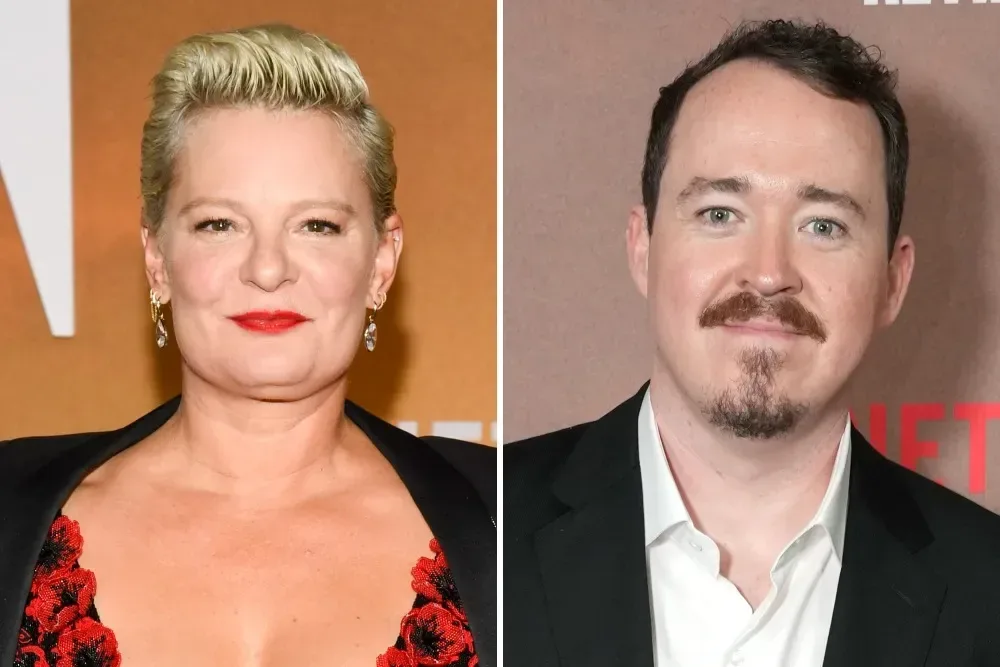
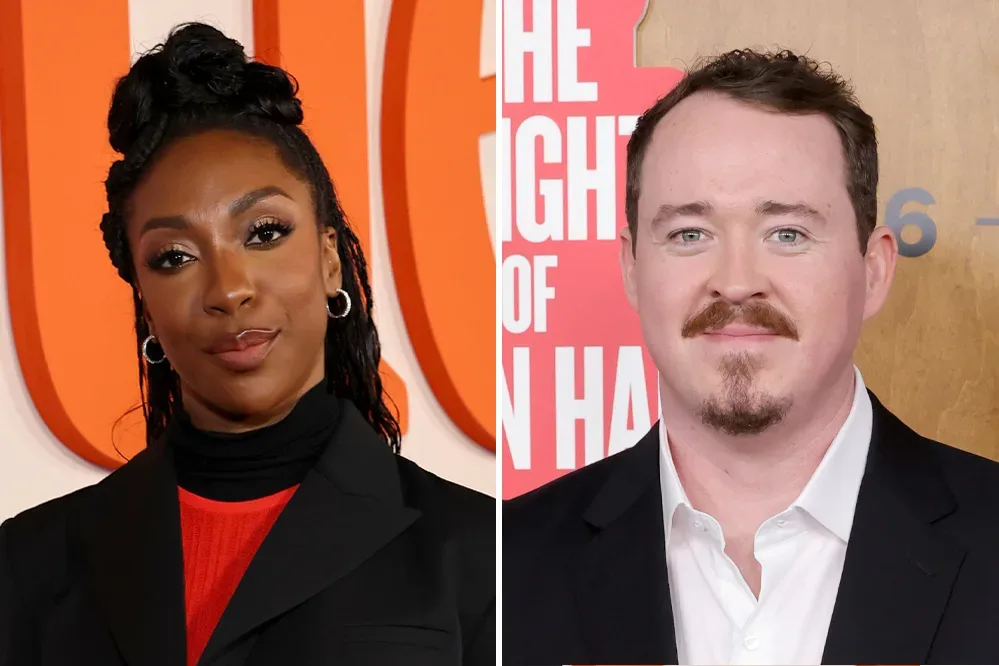
Dan Levy criticised Gillis and suggested the comedian was misogynistic. Former SNL cast members Ego Nwodim and Cecily Strong also took issue with the joke. Dana Carvey, by contrast, defended Gillis and said he did not understand the level of controversy.
Those reactions show why the dispute cannot be reduced to whether people laughed in the room. A live-studio response captures one audience in one moment. Online discussion, meanwhile, puts a joke in front of vastly different audiences, who bring their own experiences and thresholds for what they consider fair, funny, lazy or harmful. Neither reaction erases the other; they illustrate how a comedy performance can land differently depending on who is watching and where.
Thompson’s response occupied a middle position. He said he knows Gillis and does not regard him as a mean person, while still suggesting that a return appearance should involve a frank conversation about how the monologue went and what could have been handled differently.
“Finding the balance” means allowing creative liberties while watching one’s step around harmful words, Thompson said.
What Thompson means by creative freedom and accountability
“Creative freedom” in this context is the latitude performers have to take risks, explore uncomfortable material and make jokes that may provoke as well as entertain. It is not the same thing as immunity from criticism. Thompson’s comments instead describe two responsibilities operating at once: a comedian’s ability to make choices onstage, and a production community’s ability to discuss the impact of those choices afterward.
That distinction is important. Public criticism of a joke is not, by itself, a ruling on whether comedy is allowed to push boundaries. Equally, describing a routine as boundary-pushing does not answer criticism about who is targeted, what language is used, or whether the premise succeeds. A meaningful conversation about comedy has room for intent, execution, audience reaction and the particular words involved.
Thompson did not say he controls whether Gillis will be invited back to host. He was clear that the decision is not his. But he said that if Gillis did return, there would need to be a real discussion so that one person’s actions do not create a “wave-pool” effect for everyone else involved.
The metaphor gets at the collective nature of a live variety show. A monologue may belong primarily to its host, but an episode is made by an ensemble, writers, crew, musical guest and featured players. Once controversy takes over the discourse, all of that work becomes attached to an argument that may have little to do with it.
The cost of a controversy that consumes the episode
Thompson’s concern was not only about Gillis’ joke; it was about attention. He singled out Reiter’s performance as deserving recognition and noted that Rosalía was being overshadowed as debate focused on whether the monologue was offensive.
That is a practical issue for a weekly sketch show. A major episode contains many separate creative efforts, but internet conversation commonly concentrates on the most polarising clip. This is especially true when a short excerpt contains a phrase people find offensive or a punchline that can be discussed without the rest of the show. The result is a distorted record of the night: viewers who did not watch may know the controversy well but have no sense of the sketches, performances or individual breakthroughs around it.
It also creates a tough situation for newcomers. Thompson’s point about Reiter is not that criticism of the monologue must stop in order to celebrate someone else. It is that coverage and discussion have limited attention, and an episode can contain praise-worthy work that gets crowded out. A cast member’s strong showing and a dispute about a host’s joke can both be true at the same time.
Television audiences have seen that broader dynamic around revival chatter and other pop-culture flashpoints, including the debate surrounding a possible return for Glee. The details are different, but the attention economy is similar: a dominant argument can swiftly become the story people associate with an entire production.
Gillis’ representative sees boundary-testing as central to comedy
Peter Micelli, CEO and co-founder of Range Media Partners, which represents Gillis, offered a more forceful defence of the comedian’s role. Speaking alongside Thompson, Micelli said comedians need room to test boundaries and argued that Gillis’ monologues largely make him the butt of the joke. He described Gillis as a good person and said artists should be given space to create.
Micelli also criticised media incentives that, in his view, elevate headlines capable of generating fear and anxiety. His broader argument was that audiences need to loosen up and that artists should be supported when taking risks.
There is a real tension here, but the two positions are not necessarily as incompatible as the loudest reactions make them seem. Micelli is defending an artistic environment where comedians can attempt difficult material. Thompson is saying that risk-taking must include awareness of consequences, especially when language can be harmful and when a controversy affects collaborators. Neither claim requires treating every contested joke as proof of malicious intent, nor does either require audiences to pretend they were not offended.
The harder question is what accountability looks like without turning every disagreement into a demand for a permanent verdict on a performer’s character. Thompson’s answer appears to be conversation: direct, candid discussion of what happened, what could change and how an individual’s material can affect the larger group.
Why the disagreement remains unresolved
Comedy disputes frequently stall because people are answering different questions. One person may ask, “Was the joke funny?” Another may ask, “Who bears the cost when this language is normalised?” A third may ask, “Should a network stop booking a comedian because of it?” These are related questions, but they are not interchangeable.
Thompson’s comments recognise the gap. He did not declare Gillis beyond redemption, nor did he dismiss the people upset by the monologue. He said he would want to know what Gillis thought could have been changed. That approach places the focus on reflection rather than on guessing intention from a single performance.
It is also notable that Gillis himself did not comment; a representative declined to offer a statement. Without his response, the public discussion remains centred on reactions from colleagues, critics and his representation.
For SNL, the immediate question of a future Gillis hosting appearance remains unanswered, and Thompson does not have the final say. What is clearer is the issue he wants the show’s conversation to address: comedy can test limits, but the people making it must still consider the effect of their choices on audiences and on everyone sharing the episode with them.
That is a more useful frame than treating the situation as a contest between people who “get” comedy and people who do not. It acknowledges that boundaries are part of the form, while insisting that artists, institutions and audiences are all entitled to examine where those boundaries are being pushed—and what gets swept aside when the argument becomes bigger than the show.