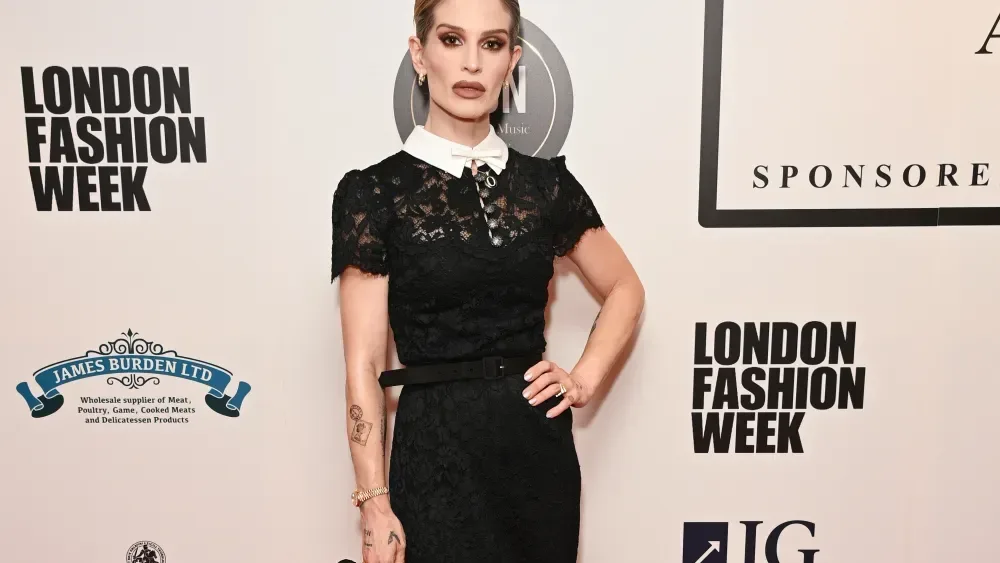
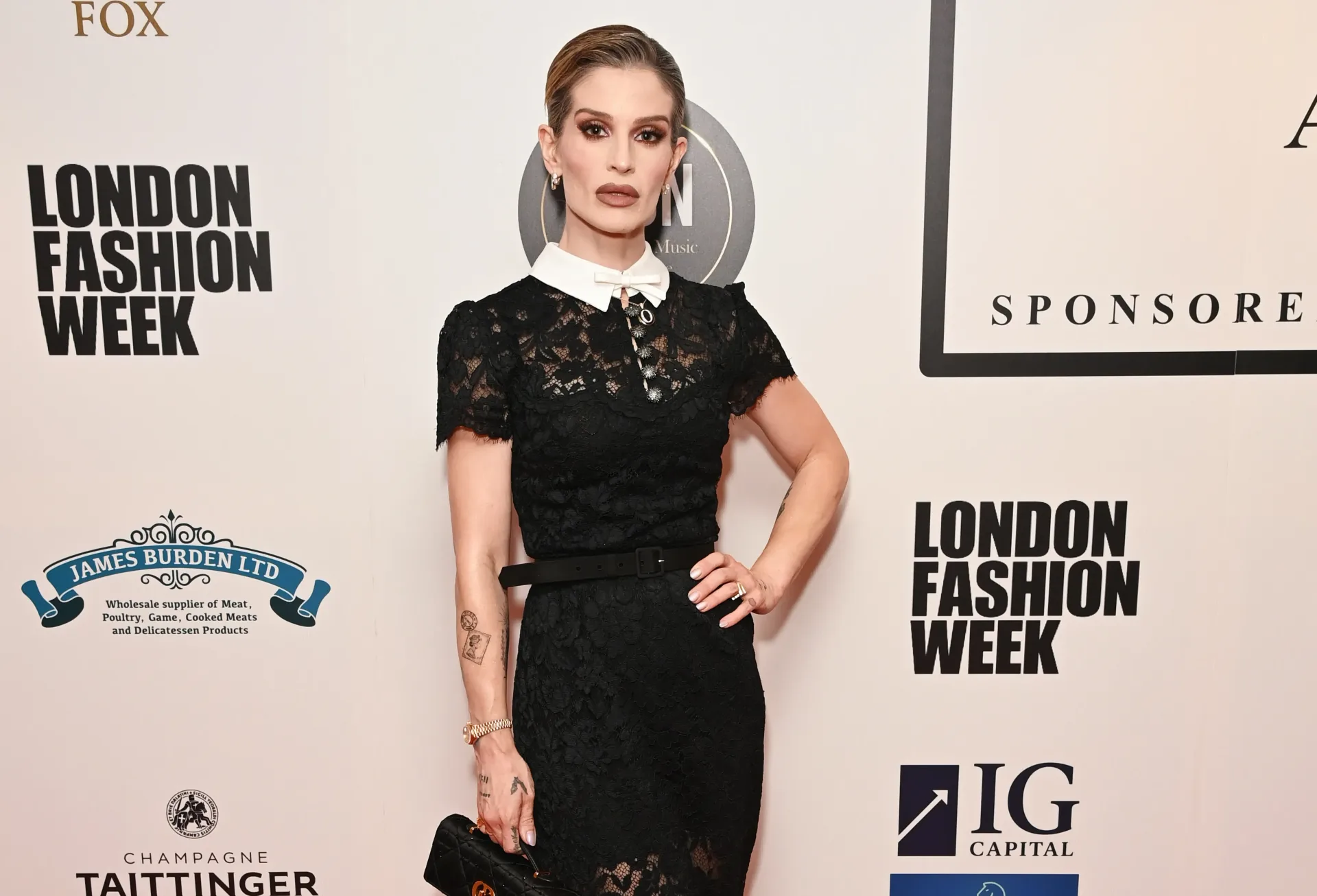
Kelly Osbourne has spoken about the collision of grief, weight loss and public scrutiny in the period after the death of her father, Ozzy Osbourne. Her account is not a celebrity makeover story, nor a red-carpet fashion footnote. It is a painful description of how bereavement disrupted her ability to carry out basic self-care—and how commentary about her changed appearance intensified an already devastating time.
Ozzy Osbourne died on July 22, 2025, aged 76, following a years-long struggle with Parkinson’s disease. In a newly published interview, Kelly Osbourne said grief brought her to a low point unlike experiences she had previously faced with drugs and alcohol. She said she was not deliberately refusing food; rather, she felt unable to do things for herself, including eating normally.
That distinction is important. From the outside, a visible change in somebody’s body is often treated as material for instant interpretation: a look is labeled healthy, unhealthy, intentional, dramatic, admirable or suspect. But Osbourne’s comments emphasize the missing context that strangers cannot see. In this case, the weight change she described was bound up with profound loss and an inability to function as she normally would.
Why the awards-show reaction hurt
Osbourne recalled receiving criticism over her appearance around the Grammy Awards and BRIT Awards earlier this year. She characterized the reaction as exceptionally cruel, explaining that she was moving through daily life while feeling disconnected from herself and struggling to keep track of ordinary time.
Her objection was not simply to people having an opinion about a red-carpet outfit. It was to the presumption that a person’s body is open for public diagnosis, debate and gossip—particularly when that person is plainly navigating a difficult period. After the British awards show, she addressed the response on Instagram, arguing that there is a particular cruelty in harming someone who is visibly going through something and turning personal hardship into gossip.
There is a practical lesson in that statement for the way entertainment audiences talk online. A photograph supplies an image, not an explanation. It cannot establish why someone looks different, whether a change was wanted, or what private circumstances surround it. Treating appearance as proof is a shortcut that can turn a comment section into a pile-on.
That is especially true when the commentary is framed as concern. Genuine concern does not require public speculation, amateur conclusions or repeated remarks about somebody’s size. In public-facing culture, “concern” can sometimes become a socially acceptable label for the same relentless attention that is harmful in the first place. Osbourne’s account makes clear that the volume and tone of response mattered as much as the subject being discussed.
The moment the change became visible to her
Osbourne said she understood the extent of her weight loss during a Grammy fitting in Los Angeles. Until she was shown a photograph of herself, she said she had not fully seen the change. Her reaction was one of shock and estrangement: the image did not match the person she believed she was seeing.
Related coverage includes Kelly Osbourne Opens Up About Body-Shaming After Ozzy’s Death.
That detail undercuts the simplistic expectation that people always have a clear, stable view of how they appear to others. During major upheaval, routines can collapse and attention can narrow to simply getting through the day. A person may not experience a physical change in the same way that a camera, an event photograph or a spectator does.
It also explains why commentary focused narrowly on appearance can land so badly. The public gets a frozen image from a highly visible occasion. The person in it may be carrying months of grief, exhaustion and disruption that no photograph can convey. The gap between those perspectives does not excuse cruel remarks; it is precisely why restraint is necessary.
Grief is not content for a before-and-after narrative
Celebrity culture frequently rewards transformation narratives. A changed look is made into a riddle to solve, then into a verdict: success or failure, discipline or decline. Osbourne’s story resists that entire format. The relevant fact is not whether observers liked or disliked her appearance. It is that she said her father’s death left her struggling to feed and care for herself, and that the reaction to her body compounded her distress.
Calling attention to this does not require guessing at a diagnosis or adding details Osbourne has not shared. It means taking her own explanation seriously and refusing to translate a painful experience into a spectacle. Weight loss is an observation, not a full story. Grief is an experience, not a branding angle.
Osbourne’s remarks also point to a broader problem with the speed of online response. Public figures can be photographed at an awards ceremony and judged globally before a personal explanation has even been heard—if one is owed at all. The audience may believe it is reacting to a moment of glamour, while the person being watched may be in crisis. Those realities can coexist, but only one of them is visible in a headline or a cropped image.
What respectful public discussion looks like
There is no need for audiences to ignore visible changes in public figures entirely, but there is a meaningful difference between reporting what someone has chosen to disclose and crowd-sourcing theories about their health. Osbourne chose to speak about grief, reduced eating and the response to her appearance. That offers a clear boundary for discussion: her words and the wider issue of body-shaming are fair context; unsupported explanations are not.
- Do not treat appearance as evidence: A photograph cannot reveal the reasons behind a person’s weight change or emotional state.
- Separate disclosure from speculation: Reported comments can be discussed without assuming additional medical or personal details.
- Avoid praise that reinforces the same scrutiny: Positive-sounding remarks about weight can still reduce a grieving person to their body.
- Remember timing: A public event may occur in the middle of a private crisis, not after it has been resolved.
- Let people set the terms of their own story: Osbourne’s account centers bereavement and cruelty, not a demand for strangers to evaluate how she looks.
The point is not to impose silence around difficult subjects. It is to make room for language that is accurate, proportionate and humane. Osbourne has provided the central context herself: she was grieving her father, had reached a point where ordinary self-care became difficult, and felt attacked rather than supported as people commented on her body.
That framing is more useful than the familiar cycle of zoomed-in images and instant verdicts. It recognizes that loss can alter the way a person moves through the world, while keeping the focus on the harm of making someone’s pain into public entertainment.
Celebrity news can sometimes flatten people into a single visible detail. Osbourne’s comments are a reminder to reverse that process: start with the person, then consider the picture. For another recent example of an entertainer’s life being discussed beyond the usual headline frame, see Lizzo’s Houston marching-band tribute.
Osbourne’s decision to speak publicly does not make the past reaction less hurtful. But it does put a necessary reality beside the photographs. The story behind her weight loss, as she tells it, is one of bereavement and disorientation—not an invitation for strangers to pass judgment.