Chrisean Rock has made an emotional appeal for people online to stop attacking her, describing how the nonstop conversation around her has worn her down. In the video at the center of the discussion, Rock pushes back on the public image that casts her as permanently hard, confrontational or malicious. She says she is not tough and, at times, is scared of her own shadow.
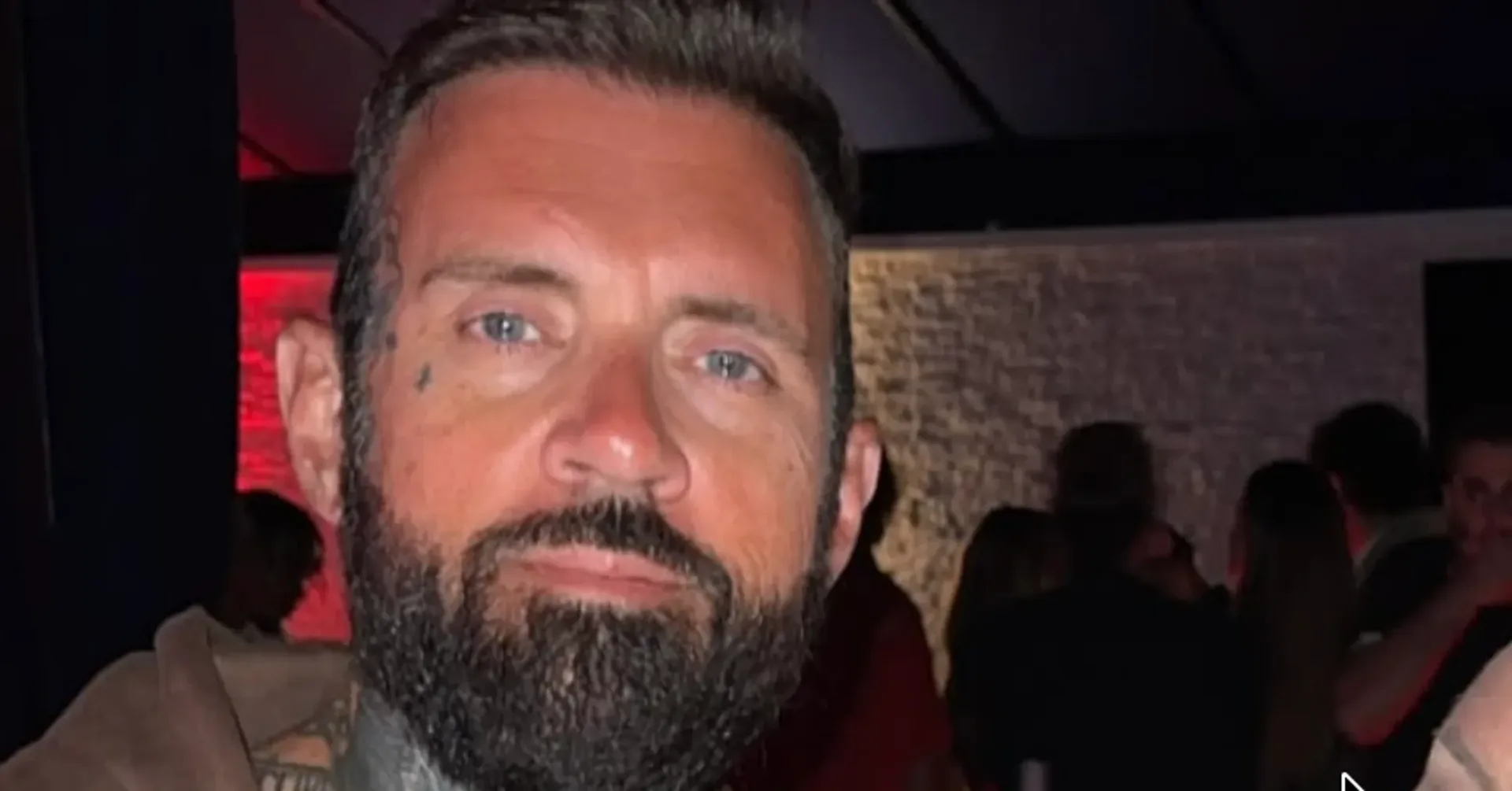
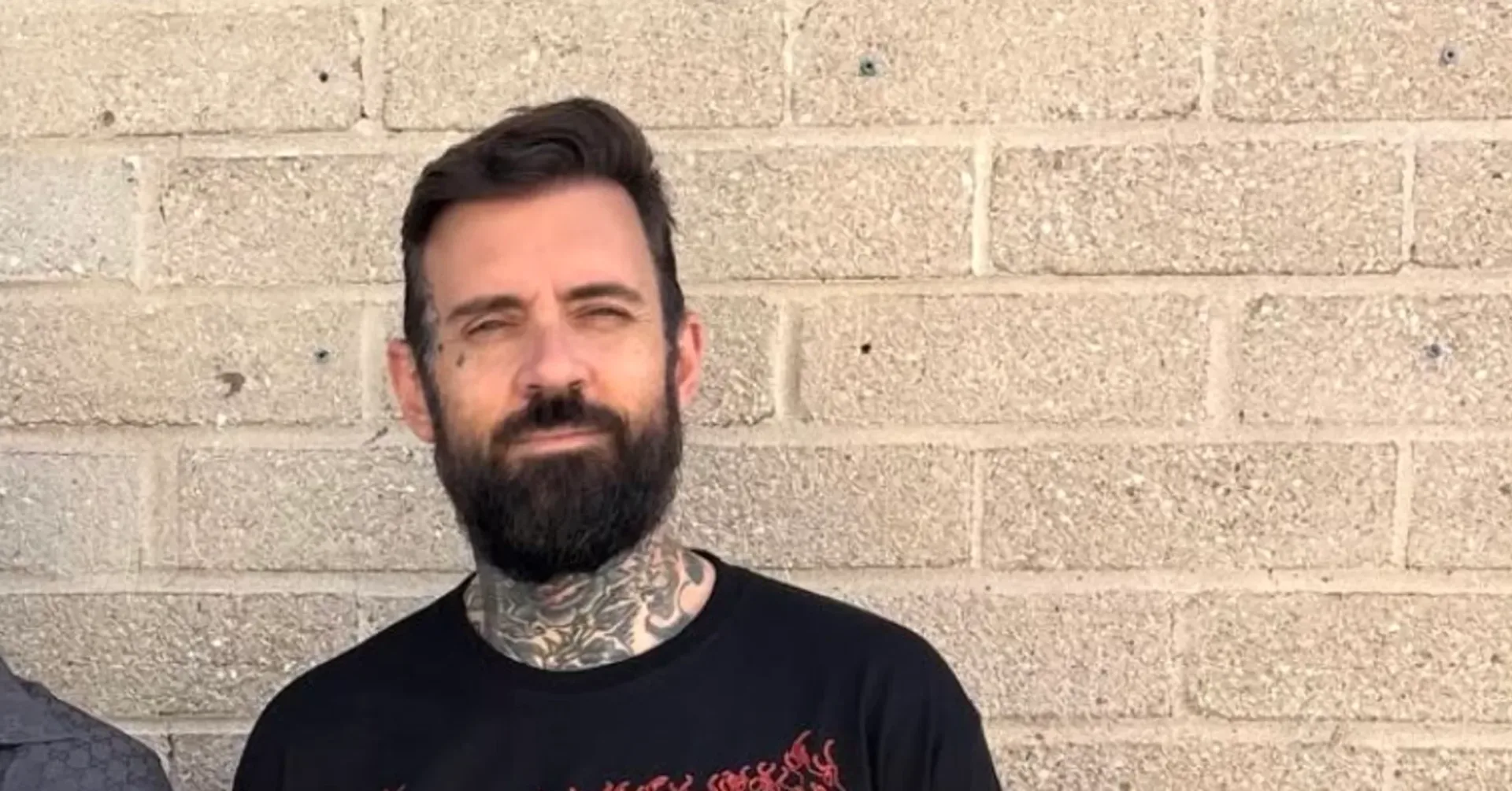
The message arrives after a recent dispute involving Adam22 following a Wild ’N Out appearance. Rock reportedly punched Adam22 after jokes about her parenting. A police report followed, while separate online discussion included an unverified allegation that she may have had a sharp object in her hand. Those are serious claims and should not be flattened into certainty: a police report documents that an incident was reported, not a final determination of every allegation circulated around it.
What is clear from Rock’s latest message is that the response has moved beyond one argument, one clip or one disputed account. She is responding to the accumulated pressure of being discussed, criticized and mocked at scale.
Criticism and a pile-on are not the same thing
Public figures can be criticized for their conduct. That remains true when the issue involves a physical confrontation, parenting-related comments, threats or any other behavior that viewers find concerning. Calling for accountability is not automatically bullying, and emotional distress does not settle the underlying facts of a dispute.
But accountability has a boundary. It is generally focused on specific conduct, uses proportionate language and leaves room for facts to be clarified. A pile-on works differently. It turns a person into a recurring target, often detaches from the original incident and rewards the harshest possible interpretation. The point can quietly shift from discussing what happened to treating humiliation as entertainment.
That distinction matters here because Rock’s plea does not require audiences to excuse or endorse every action attributed to her. It asks for recognition that a public persona—especially one widely described as tough—does not erase vulnerability. Being visible, controversial or combative in past exchanges does not make unlimited hostility harmless.
Why “tough” becomes a trap online
Online communities often assign people fixed roles. Someone can be framed as the villain, the provocateur, the victim or the person who is supposedly capable of absorbing any insult. Once that role takes hold, new posts are interpreted through it. An apology can be treated as manipulation. A defense can be called aggression. An emotional appeal can be dismissed as attention-seeking before anyone considers what is being said.
Rock’s comments directly challenge that pattern. Her statement that she is not tough is meaningful precisely because it conflicts with the persona many commenters appear to project onto her. The internet frequently treats confidence, public arguments and reactive behavior as proof that a person cannot be hurt. They are not proof of that.
Related coverage includes Chrisean Rock Shares Emotional Plea Over Online Criticism.
There is also a practical dynamic at work: high-volume criticism is not experienced as a tidy debate. A person may see repetitions of the same accusation, jokes about painful subjects, edited clips, hostile replies and messages from strangers. Each item may be framed as “just an opinion,” but the overall effect can be overwhelming. Rock’s visible distress is a reminder that virality can turn conflict into an ongoing environment rather than a moment that ends when the original exchange is over.
The recent dispute still needs careful language
The episode with Adam22 has generated intense attention because it reportedly involved physical contact after jokes about Rock’s parenting. Physical escalation is a legitimate subject for scrutiny. So is the reported police filing. Yet responsible discussion requires separating confirmed basics from speculation that can spread far faster than reliable information.
In this case, the claim concerning a sharp object has circulated as speculation. Repeating an unverified allegation as established fact can make an already charged situation more volatile and can shape public judgment before any fuller account is available. The same caution applies to broad conclusions about motives. Public viewers often have fragments: a clip, a reaction, a report of a report, or commentary from someone who was not present.
That does not mean people must avoid discussing public behavior. It means precision matters. “Reported,” “alleged” and “unclear” are not evasions when key details remain unsettled; they are the language that prevents commentary from becoming misinformation.
What an online pile-on looks like in practice
An online pile-on is not simply many people disagreeing at once. It is an attention pattern where a target is repeatedly presented to an audience for judgment, often with little incentive for nuance. It can include insults, mockery, reposted clips, assumptions stated as fact and demands that a person keep responding. Because social platforms elevate engagement, anger and ridicule can keep a subject circulating long after the initial event.
That structure can create a no-win situation. Silence is interpreted as guilt or indifference. A response is treated as fuel. A vulnerable video may invite empathy from some viewers but cynicism from others, especially where the speaker has already been assigned a negative role. The result is an audience that may claim to want accountability while making meaningful repair, clarification or disengagement harder to achieve.
Rock has previously pushed back against critics and made threats toward Adam22, which gives some viewers context for their skepticism. Still, skepticism does not require cruelty. It is possible to say that alleged violence or threatening language merits concern while rejecting harassment, degradation and the reflex to turn a person’s emotional low point into a spectacle.
A better standard for sharing and reacting
For viewers, the most useful question is not whether a celebrity has earned compassion in some imagined moral ledger. It is whether a post adds information, raises a fair concern or simply amplifies contempt. That check is especially important when a video shows someone upset.
- Keep discussion tied to identifiable conduct rather than broad character attacks.
- Do not turn allegations into facts when the available information is incomplete.
- Avoid recycling parenting jokes, personal insults or threats merely because they generate engagement.
- Do not treat visible distress as proof that a person is acting, manipulating or seeking sympathy.
- Step back from direct-message dogpiles and hostile replies rather than adding another message to an already overwhelming stream.
That last point applies well beyond celebrity discourse. Harassment can move through comments, quote posts, group chats and unsolicited texts. People dealing with suspicious or unwanted text outreach can also benefit from basic digital caution; this guide to safely handling junk messages on iPhone and Android explains why an impulsive reply is not always the best response.
Emotional vulnerability is not a verdict
Rock’s video should not be treated as a legal finding, an explanation for every reported action or a demand that the public abandon all criticism. It is, however, a clear signal that the person at the center of this cycle feels overwhelmed by the way she is being discussed. That deserves to be heard on its own terms.
There is a persistent tendency online to demand authenticity from public figures and then punish them when they show it. Audiences want a reaction, but an emotional reaction can be mocked; they want an apology, but may decide in advance that it is insincere; they want someone to address controversy, but can turn every reply into another reason to keep the controversy alive.
The more constructive response is not blind defense. It is restraint: keep claims accurate, recognize uncertainty, refuse to make a person’s pain into content, and leave room for accountability without converting it into perpetual punishment. Rock’s plea puts that tension in sharp view. Whatever viewers think of the conflict that preceded it, the volume and intensity of online attention can have a real human cost.