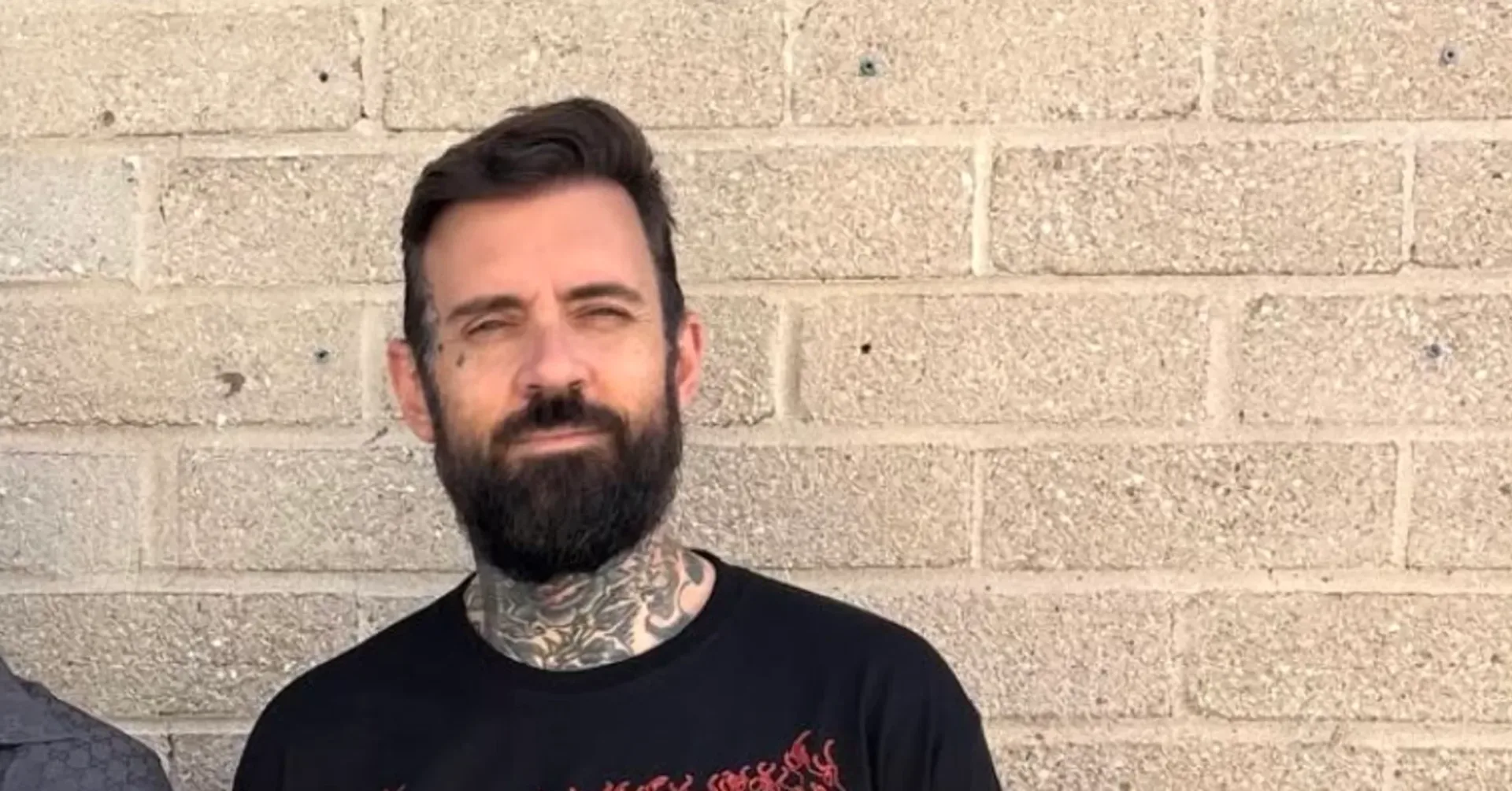
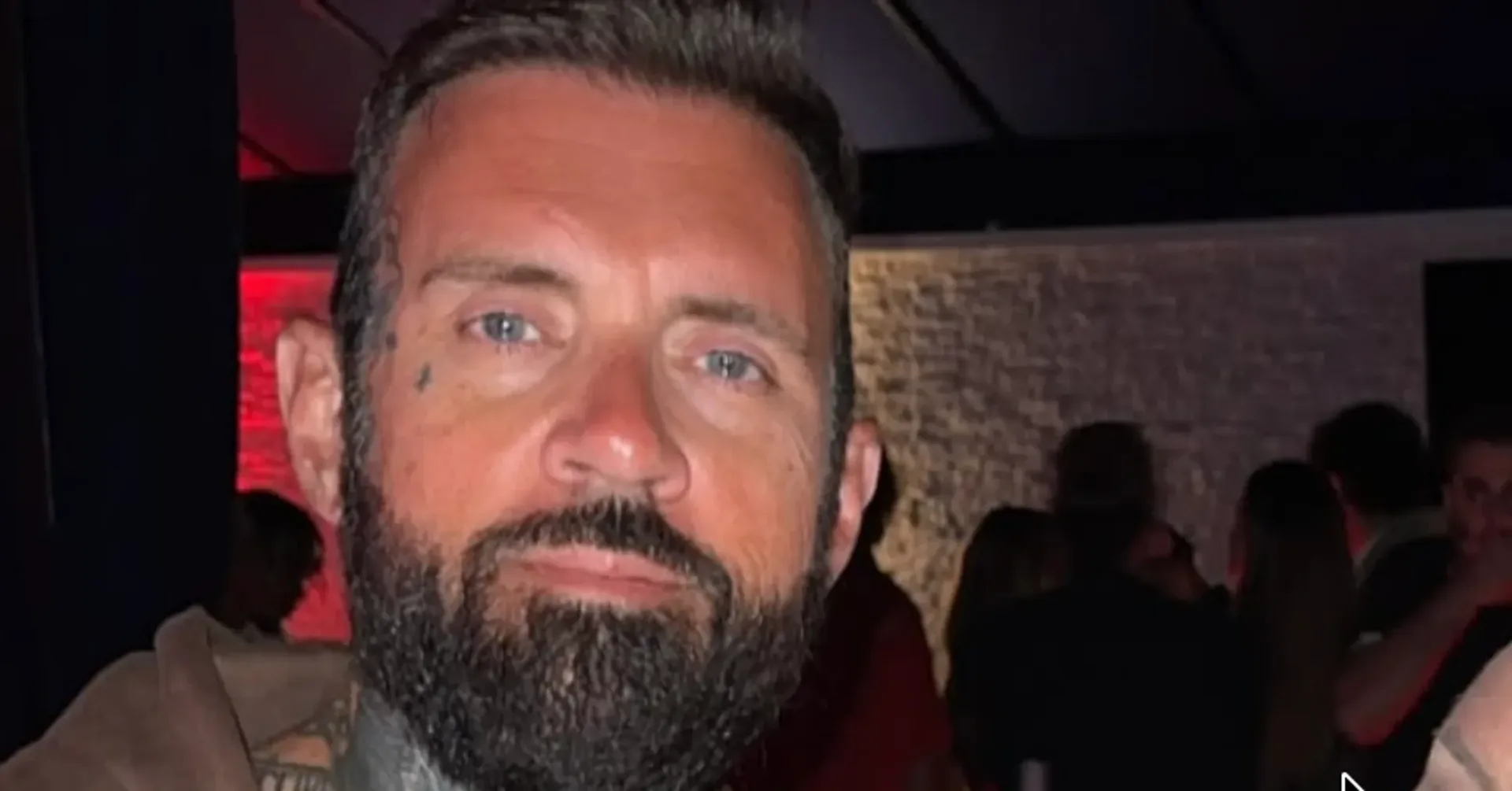
Adam22 has publicly explained why he says he filed a police report following an alleged confrontation with Chrisean Rock at a recent Wild ’N Out event. His response came after Rock addressed the incident during a livestream, where she said he was “lucky” she had not gone further and warned that people in his position should be scared.
The dispute, as described in accounts circulating after the event, began after Adam22 made comments about Rock’s parenting. He says Rock approached him from behind and struck him in the back of the head. The underlying exchange, the precise sequence of events and any potential evidence have not been independently detailed in the material available here, so the competing characterizations should be treated as allegations and public statements rather than established legal findings.
What is clear is that the story has moved beyond the moment at the event. Adam22 said his decision to make a report was tied not only to the alleged physical encounter, but also to concern over what could happen afterward.
“That is part of why I want her arrested. I don’t want her to send somebody after me or run down on me at some random party,” Adam22 said in his response video.
A police report is documentation, not a verdict
There is an important difference between filing a police report and securing an arrest, charge or conviction. A police report is an account submitted to law enforcement about a claimed incident. It can create a formal record, preserve a complainant’s version of events and potentially prompt further inquiry. It does not, on its own, establish that a crime occurred or dictate what investigators will do next.
Likewise, Adam22’s wish for an arrest is not itself an indication that one will happen. Whether authorities investigate, seek additional evidence, interview participants or take any further action remains unknown. No outcome has been established in the information provided.
That distinction matters especially when a dispute is unfolding through clips, posts and livestreams. Online audiences often receive only partial context, and public reactions can quickly harden into certainty before a complete account is available. A police process, if it continues, would be separate from the social-media argument around it.
Why the later livestream comments became central
Adam22 said he was afraid Rock could send someone after him or confront him again at a future party. Rock’s livestream remarks appear to be central to that concern: she said he was dealing with the wrong people and suggested he should be frightened, while also saying he was fortunate she had not escalated matters further.
Related coverage includes Adam22 Responds to Chrisean Rock After Reported Wild ’N Out Altercation.
Those remarks do not settle what happened at the event. But they help explain why Adam22 has framed the matter as a continuing safety concern rather than an isolated dispute. In his video, he said he was glad the report had put Rock “on their radar.”
There was also speculation after the incident that Rock may have had a needle or blade in her hand. That claim was described as speculation, not confirmed fact, and it should not be reported as established. Adam22 nevertheless indicated that the possibility contributed to his decision to involve police.
Public conflict and the limits of viral evidence
The episode illustrates how an entertainment-industry dispute can change shape once it enters the livestream era. A confrontation at a public event becomes a wider narrative built from clips, responses, reaction posts and audience interpretation. Each new statement can be read as evidence by supporters of either person, even when it is simply one participant’s account.
For viewers, the most responsible approach is to keep several ideas separate:
- An allegation: a claim about conduct that has not been proven through a legal process.
- A public response: what a participant says happened or fears may happen.
- Speculation: a theory—such as the claim about a possible object in Rock’s hand—that lacks confirmation in the available account.
- A legal development: a documented action by law enforcement or prosecutors, which has not been reported beyond Adam22’s stated filing of a police report.
That separation is not an attempt to minimize the seriousness of an alleged strike or the anxiety expressed by Adam22. It is a way to avoid turning a rapidly moving public dispute into a set of claims that appear more settled than the available facts allow.
The dispute arrives amid a wider culture of celebrity livestream responses
Rock’s livestream and Adam22’s answer video show the immediate feedback loop that now surrounds public-facing figures. There is little distance between a confrontation, an explanation, a rebuttal and public judgment. That can give audiences direct access to the people involved, but it can also make a situation feel more decisive than it is.
It also creates a tension for the people at the center of the story. Public statements may allow someone to explain their rationale, defend their actions or address rumors. At the same time, every additional statement can fuel a new cycle of commentary. Here, Rock’s warning and Adam22’s stated fear of a future confrontation have become the focus of the aftermath, alongside the original alleged altercation.
The conflict is not connected to gaming, but it sits within the broader overlap of music, internet personalities and entertainment culture that routinely crosses into game-adjacent conversations. For another example of how disputes and opinions around major music figures can become their own ongoing public narratives, see our coverage of questions surrounding Ye’s “Bully – Deluxe” Grammy nomination.
What remains unresolved
At present, the key unknown is whether the report Adam22 says he filed leads to additional investigative action. There is no confirmed indication here that Rock has been arrested, charged or formally accused by prosecutors. There is also no detailed official account of the incident, no stated law-enforcement finding and no confirmed resolution between the two.
Adam22 has made his position plain: he says he wants the matter taken seriously because he fears a repeat confrontation or involvement by others. Rock, in her livestream comments, indicated that she believed he had provoked the situation and that he was fortunate the encounter did not become more severe.
Those positions leave the dispute at an impasse. The immediate online conversation may continue, but the consequential question is no longer simply who has the sharpest response video. It is whether any formal investigation follows—and whether either party offers more verifiable detail about the event. Until then, claims about the alleged attack, the reported object and potential future retaliation should be treated with appropriate caution.