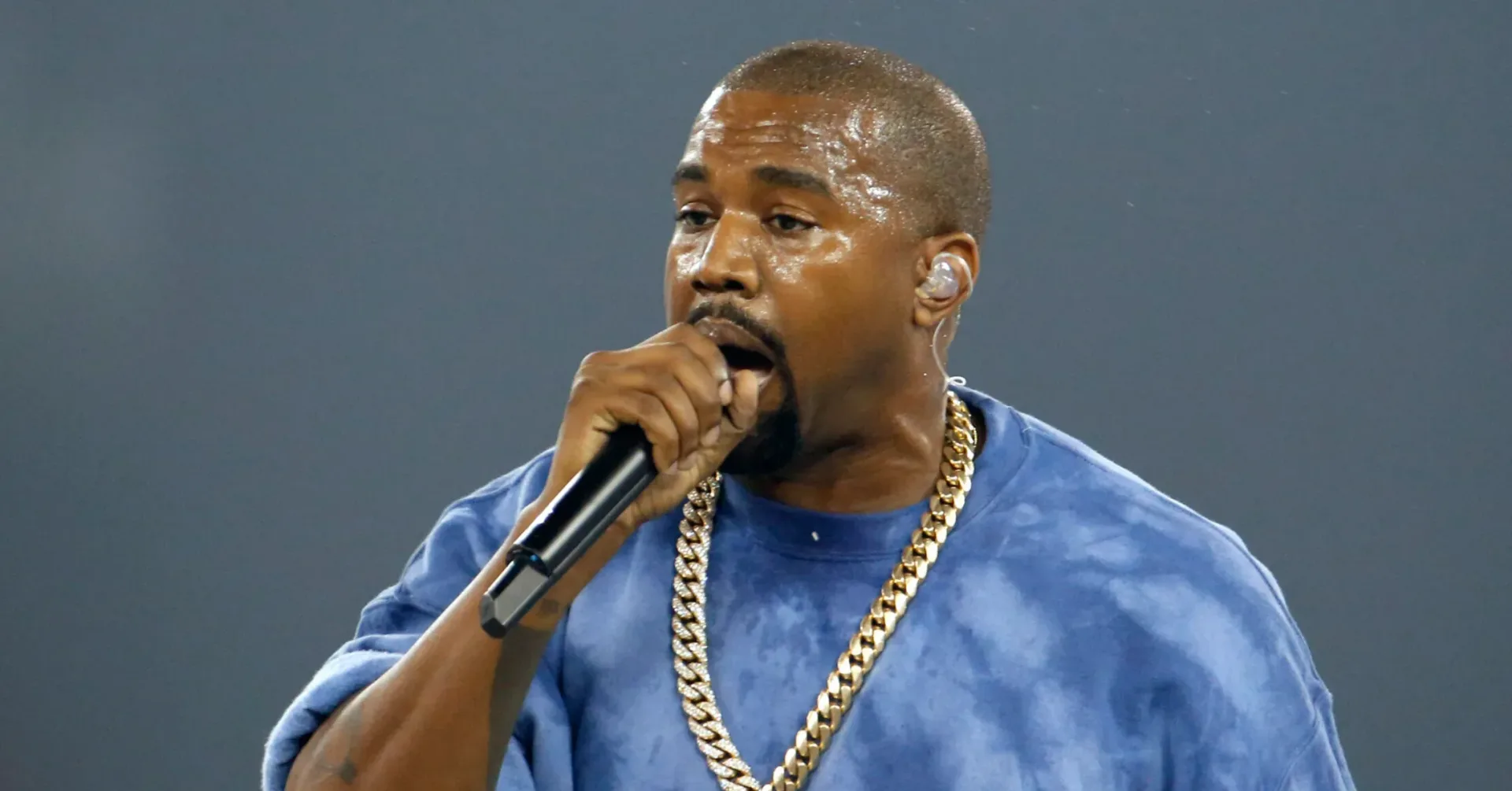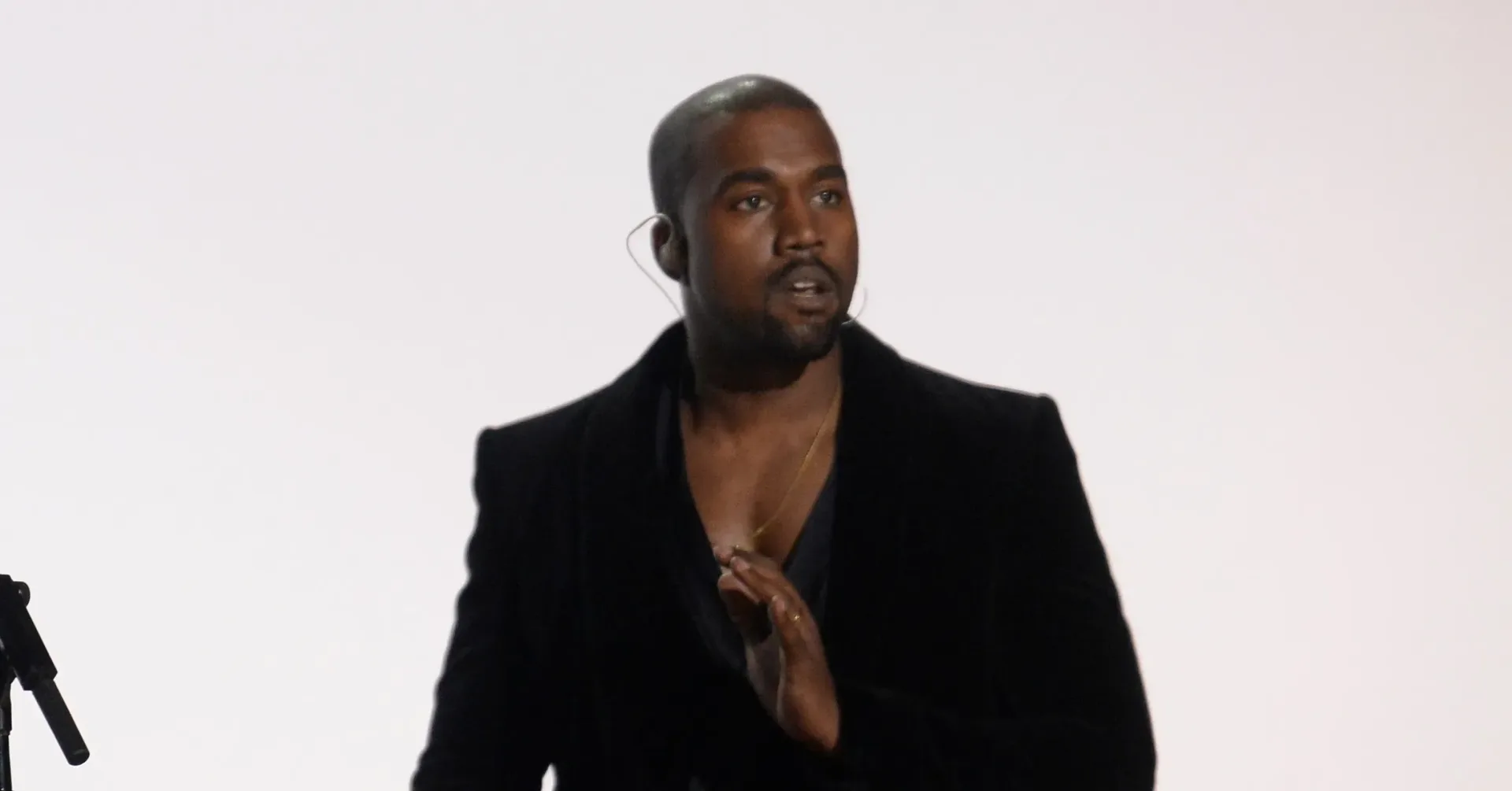

Peter Rosenberg is questioning the Best Rap Album Grammy nomination for Ye’s Bully – Deluxe, arguing that the nomination itself undercuts the idea that the artist has been completely cast aside by the music business.
Speaking on The Ebro Laura Rosenberg Show, Rosenberg framed the nomination as surprising on artistic grounds as well as on the broader context surrounding Ye. Rosenberg has long been a vocal critic of the artist, whose antisemitic comments between 2022 and 2025 prompted widespread backlash. Ye has issued apologies, but skepticism about those apologies and his conduct remains substantial.
The central point of Rosenberg’s reaction was not that an album nomination settles every question about accountability or public reception. Rather, it was that a Grammy nod is significant industry recognition. For Rosenberg, that makes it difficult to portray Ye as someone who has lost every major platform or every meaningful source of support.
That tension is the real story behind the dispute. A nomination can acknowledge a recording in a competitive awards field without erasing an artist’s controversies, and controversy can reshape an artist’s public standing without preventing all professional recognition. Those two realities can exist at the same time, even if they make for an uncomfortable awards-season conversation.
Why Rosenberg found the nomination difficult to accept
Rosenberg said he had listened to Bully multiple times and did not consider it a convincing nominee. He was especially critical of what he characterized as obvious sampling, saying the approach fell below the standard he associates with Ye’s strongest work.
In rap production, a sample is a portion of a pre-existing recording incorporated into a new track. Sampling can be transformative, subtle, overt, rhythmically reworked or left deliberately recognizable. Its presence is not inherently a flaw; it is one of hip-hop’s foundational creative methods. Rosenberg’s objection is instead an evaluative one: he believes the use of samples on this project did not reach the imaginative level he expects from Ye.
That is an important distinction because it keeps the criticism where Rosenberg placed it: on the album’s execution and on Ye’s artistic trajectory. He compared the current phase of Ye’s career unfavorably with the artist’s earlier, celebrated work. That does not establish an objective ranking of the record, but it explains why Rosenberg sees this particular nomination as a poor fit.
Rosenberg also suggested the selection reflects a weak year for mainstream rap. That is likewise an opinion, not a measurable fact. Awards fields necessarily compress a large year of releases into a short list, and listeners will disagree sharply about whether the nominees represent the strongest records, the most visible records, or simply the records that resonated with voters. His criticism is a challenge to the outcome, not evidence that the other nominees lack merit.
Related coverage includes Peter Rosenberg Questions Ye’s ‘Bully – Deluxe’ Grammy Nomination.
The Best Rap Album field named alongside Ye
Bully – Deluxe appears in a nominated Best Rap Album field alongside releases credited to Busta Rhymes and J Dilla, Cardi B, Rapsody, Don Toliver and Wale:
- Dillagence II — Busta Rhymes (& J Dilla)
- Am I the Drama? — Cardi B
- God Gotta Afro & Gold Hoops — Rapsody
- Octane — Don Toliver
- Everything Is a Lot — Wale
- Bully – Deluxe — Kanye West (Ye)
The list itself helps show why a category nomination should not be treated as a single, uncomplicated cultural verdict. It places projects and artists with differing styles, audiences and career histories into one awards competition. A Best Rap Album nomination signals that a release made it into that final field; it does not require every observer to see all nominees as equally strong, nor does it erase the distinctions between the artists’ reputations.
Recognition is not the same as rehabilitation
Rosenberg’s broader argument centers on the difference between diminished standing and total exclusion. He noted that Ye continues to receive public support from figures including Travis Scott and Don Toliver, in addition to receiving this Grammy nomination. In that narrow sense, Rosenberg’s observation is straightforward: Ye has not vanished from the industry’s conversations or its institutions.
But continuing visibility should not be confused with universal acceptance, much less a resolution to the concerns raised by Ye’s antisemitic remarks. The available facts point to a divided response: some listeners remain loyal, while others have not accepted his apologies and remain deeply skeptical of his character.
That distinction matters beyond this awards race. Entertainment institutions regularly face a difficult separation between evaluating a work and responding to the person who made it. There is no simple formula supplied here for how voters should balance those considerations. Rosenberg’s response makes clear that, for him, the project’s musical shortcomings and the context around Ye make the nomination especially hard to justify.
A Grammy nomination is evidence of continued recognition, but it is not proof that public trust has been restored.
Ye has said that he is in a better place mentally. Rosenberg’s remarks indicate that this statement has not persuaded all critics to reassess him, particularly given the recent history that preceded it. The distance between an artist’s statement of personal improvement and a public willingness to extend trust can be considerable.
What the argument means for audiences
For listeners, the controversy is a reminder to separate several questions that are often bundled together in online debate. Is an album musically strong? Is its producer or performer still influential? Has an artist faced meaningful consequences for harmful statements? Should awards bodies factor public conduct into artistic recognition? None of those questions automatically supplies an answer to the others.
Rosenberg offers one clear answer to the first question: he does not think Bully – Deluxe merits this level of acclaim. His perspective also rejects the claim that Ye has been stripped of all support, pointing to the nomination and ongoing backing from high-profile peers. The apparent contradiction is not really a contradiction. An artist can remain influential and institutionally visible while also facing lasting criticism, distrust and consequences.
For a broader look at how hip-hop has intersected with games, including the long-running role of rap in the Grand Theft Auto series, see why GTA VI matters even if you’ve never played Grand Theft Auto.
As the awards conversation continues, the Best Rap Album field will invite arguments about craft, cultural impact and voter judgment. Rosenberg has already made his position plain: he sees Ye’s nomination as an example of recognition that the album, in his view, did not earn—and as a reminder that claims of total industry exile do not square with a place in a major awards category.