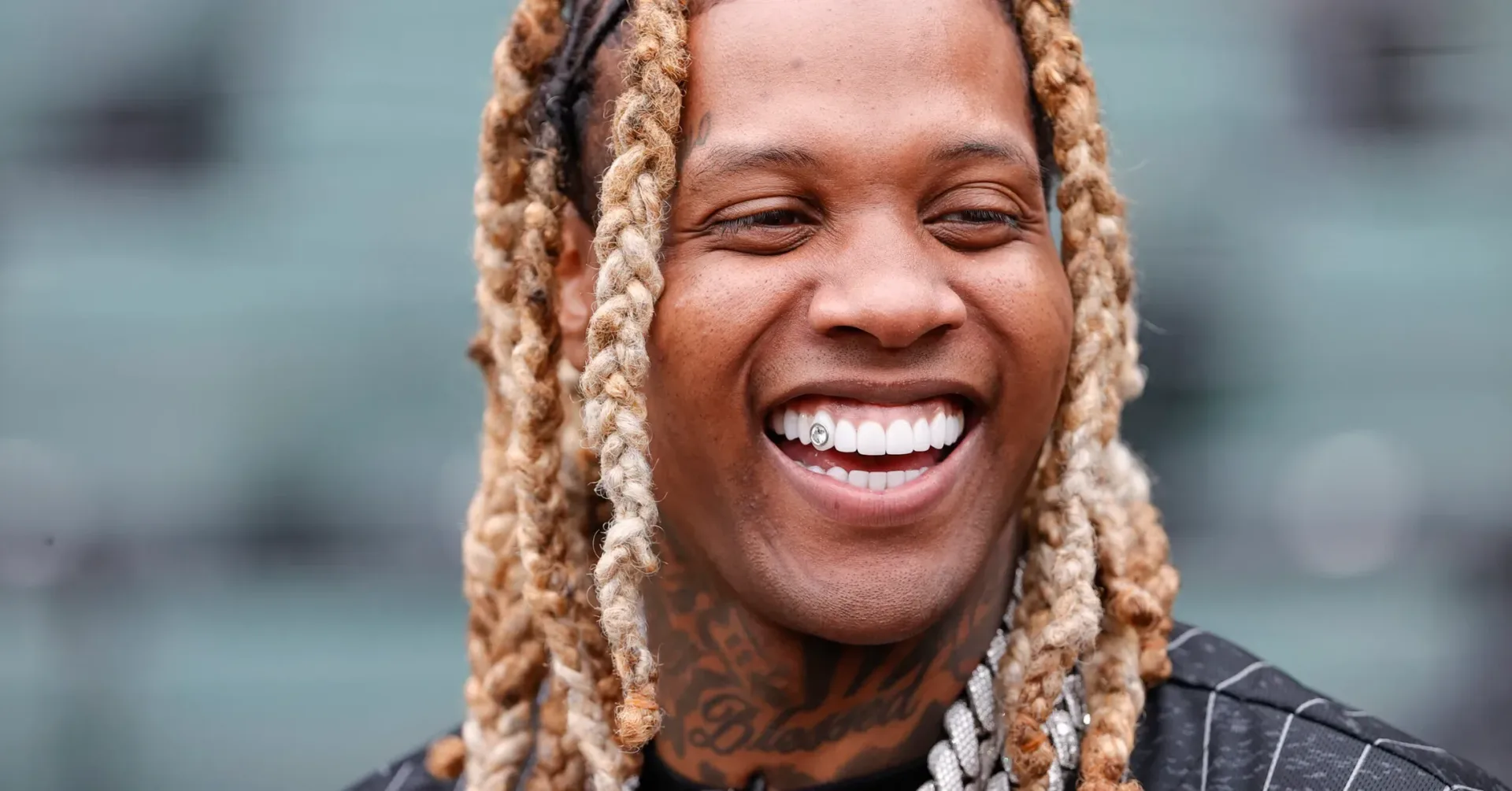
OG 3Three will remain free on a $200,000 bond while his federal criminal case proceeds, after U.S. District Judge Drew B. Tipton declined prosecutors’ request to overturn an earlier release ruling.
The decision, issued Monday, Oct. 5, leaves in place a Sept. 18 bond order from a magistrate judge for the rapper, whose legal name is Roderick Jean-Pierre Jr. It is an important procedural result for Jean-Pierre, but it is not a ruling on the underlying accusations. The federal charges remain pending, and no determination of guilt or innocence has been made.
Prosecutors had challenged the initial release decision soon after it was entered. Their argument was that Jean-Pierre should be detained before trial because he allegedly presented both a danger to the community and a risk of fleeing. In seeking to revoke bond, they pointed to the conduct alleged in the present case, prior arrests, and what they characterized as earlier difficulty complying with bond conditions.
Tipton did not disturb the magistrate judge’s decision. That means two federal judges have now considered the question of whether Jean-Pierre may await further proceedings outside custody and have not ordered his detention on the arguments described in the case.
What the ruling does—and does not—decide
Bond litigation can easily be confused with the criminal case itself, particularly when the allegations involve violence. The distinction matters here.
A pretrial bond decision addresses whether a defendant can be released while a prosecution moves forward, often with financial security and conditions set by the court. The central issues are generally whether the person will appear for future court dates and whether release poses an unacceptable safety concern. A judge’s decision to allow release does not erase charges, resolve disputed evidence, or amount to an acquittal.
Likewise, the prosecution’s request for detention was not a conviction. It was a request for the court to change Jean-Pierre’s custody status before trial. Tipton’s denial of that request preserves the earlier $200,000 bond, while the government’s allegations and Jean-Pierre’s response remain matters for the ongoing criminal process.
Jean-Pierre’s attorney, Cordt Akers, framed the decision as a rejection of the government’s portrayal of his client. Akers said that two federal judges had determined Jean-Pierre was not a danger and said the defense expects a jury to reach the same conclusion when the case is tried.
That defense position should still be read alongside the limited scope of the ruling: the court has decided the immediate release question, not the factual disputes at the center of the prosecution.
Charges stem from April Houston confrontation
Jean-Pierre faces federal charges of aiding and abetting interference with commerce by robbery and aiding and abetting the brandishing of a firearm during a crime of violence. The case is tied to an April confrontation at Confessions restaurant in Houston involving AllStar JR and NBA Ben10. The confrontation escalated into gunfire, and NBA Ben10 sustained a spinal injury described by authorities as irreversible paralysis.
The wording of the charges is significant. Aiding and abetting is a theory of criminal responsibility under which prosecutors allege that a person knowingly assisted, encouraged, or otherwise helped another person commit an offense. It does not require the government’s account to be that every accused participant performed the same act. Whether the available evidence establishes that level of participation is one of the core questions still unresolved in Jean-Pierre’s case.
The robbery-related allegation refers to interference with commerce by robbery, while the second count concerns alleged assistance with the brandishing of a firearm during a crime of violence. In everyday terms, “brandishing” commonly means displaying a weapon in a threatening or intimidating way. But the legal significance of that allegation—and whether Jean-Pierre can be linked to it as prosecutors contend—has not been decided by the bond ruling.
Competing accounts remain central to the case
Prosecutors and the defense have offered materially different descriptions of what occurred in Houston.
Prosecutors have argued that video footage shows Jean-Pierre brandishing a firearm and assaulting AllStar JR. They relied on that asserted account when asking the court to keep him in custody while the case advanced.
The defense disputes the broader allegation that Jean-Pierre took part in a robbery. Akers has maintained that Jean-Pierre was present, threw four punches during a later fight, and left before AllStar JR allegedly shot NBA Ben10. That account draws a sharp line between Jean-Pierre’s admitted presence at the location, as described by his attorney, and the conduct prosecutors say supports the federal counts.
AllStar JR is separately accused by federal authorities of possessing a handgun during the April shooting. That separate accusation is part of the wider event described in the filings and arguments, but it does not settle Jean-Pierre’s individual responsibility. Criminal cases require courts and juries to evaluate the allegations and evidence against each defendant individually.
The disagreement over video is especially consequential because both sides refer to it for different purposes. Prosecutors say it supports their account of a firearm and assault. The defense says Jean-Pierre’s role was narrower than the government alleges and disputes his involvement in the alleged robbery. Tipton’s decision to leave bond intact does not determine which interpretation will ultimately prevail.
Why the bond result matters now
For Jean-Pierre, the practical consequence is that he remains released under the $200,000 bond rather than being taken into pretrial detention as prosecutors requested. The ruling also ends, for now, a weeks-long dispute over the initial Sept. 18 release order.
For observers, it is a reminder to separate a custody ruling from an adjudication of criminal liability. A judge can conclude that release is appropriate at this stage without endorsing the defense’s full narrative. Conversely, prosecutors can allege serious conduct without that allegation itself establishing guilt. The unresolved claims will remain subject to the ordinary court process.
That distinction is often lost when criminal cases involving public figures become news. A bond appeal creates a clear, immediate headline because it changes whether someone remains in custody. Yet it generally answers a narrower question than a trial: whether conditions of release adequately address the court’s concerns while charges are pending.
The outcome also illustrates that a challenge to a magistrate judge’s release order can receive an additional review from a district judge. Here, the initial bond survived that review. It does not prevent the criminal case from continuing, and it does not supply a final answer to the conflicting allegations from the Houston incident.
Coverage of other entertainment-related court disputes has similarly underscored how rulings can turn on a specific procedural question rather than the whole public controversy; see the separate court-fee ruling in Sean Combs’ documentary defamation case. Jean-Pierre’s matter is different in both its allegations and posture, but the basic reading habit is the same: identify precisely what the judge decided, and what remains undecided.
In this case, the answer is straightforward. Tipton declined to revoke OG 3Three’s $200,000 bond. Jean-Pierre remains released pending further proceedings, while the federal charges and the sharply disputed account of the April confrontation have yet to be resolved.