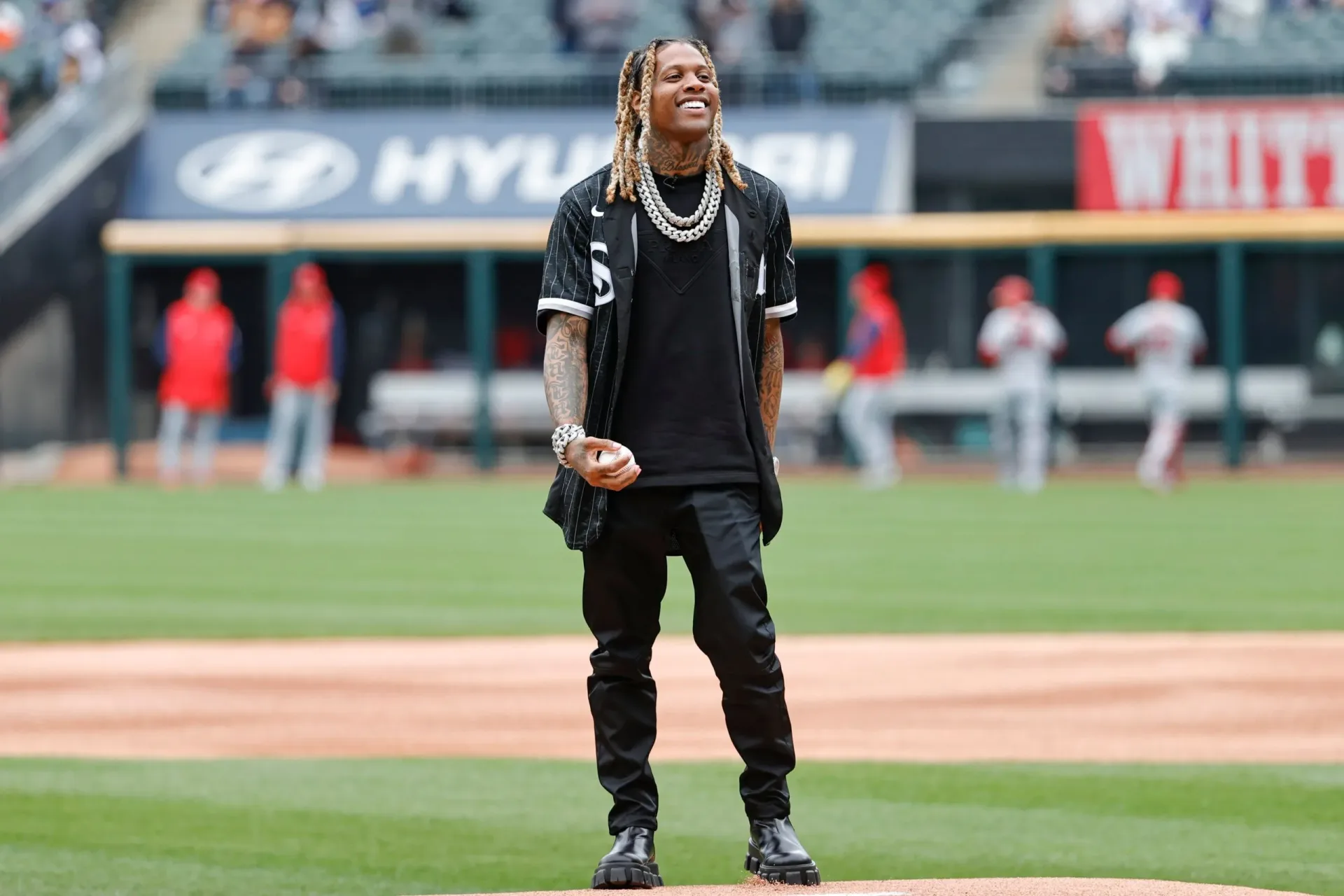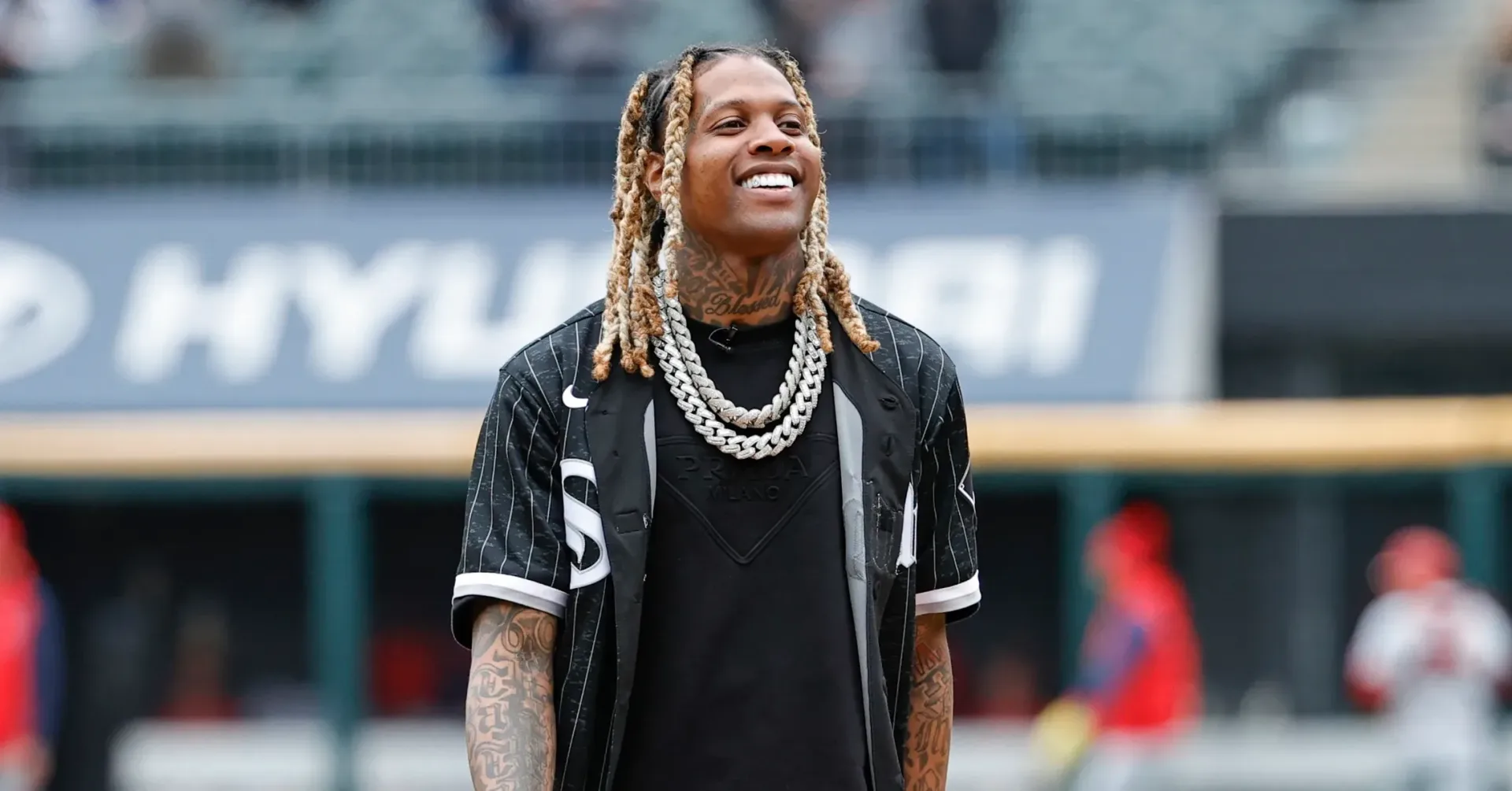
Lil Durk has been acquitted on all five counts in a Los Angeles federal case tied to the 2022 shooting that killed Saviay’a “Lul Pab” Robinson. The September 11 verdict resolves the murder-for-hire and stalking allegations brought in that trial, but it does not end the rapper’s federal legal matters or immediately secure his release from custody.
His lead attorney, Drew Findling, has described the outcome as a major emotional release after an extended preparation period. The defense spent 22 months preparing its case, a span that reflects the stakes of a prosecution in which a conviction could have dramatically changed Durk’s life. Yet the immediate post-verdict reality is complicated: Durk remains detained while facing separate federal charges, including murder in aid of racketeering and a firearms count. He has pleaded not guilty to those allegations.
The acquittal also returns a persistent argument to the foreground: whether rap lyrics should be treated as evidence of real conduct in criminal court. Findling has sharply criticized the practice, maintaining that commercially released music must be understood as artistic work made for an audience rather than read as a literal account of the artist’s life.
What the jury decided in the murder-for-hire case
Prosecutors alleged that Durk arranged an attempt to target Quando Rondo in retaliation for the 2020 killing of King Von. The underlying 2022 shooting instead resulted in the death of Robinson. Durk was charged with murder-for-hire and stalking counts connected to that theory of the case.
A federal jury acquitted him on all five counts. An acquittal means the jury did not find the prosecution had proved those charges beyond a reasonable doubt. It is a decisive result in that particular case, but it should not be mistaken for a finding that resolves every allegation or proceeding associated with Durk.
Two co-defendants, Deandre Wilson and David Lindsey, were also acquitted of murder-for-hire charges. They were convicted, however, on stalking-related counts. Those split outcomes underline an important practical point in multi-defendant cases: jurors assess charges and defendants separately. A single trial can produce different verdicts depending on the evidence the jury finds persuasive for each count and each person.
For Durk, the verdict brings an end to the immediate threat posed by the five counts in the Los Angeles case. It also represents the endpoint of a long defense effort. Findling said the process was emotionally draining and that the aftermath has centered on Durk’s family and the people waiting for him outside custody.
Why the acquittal does not mean release
Durk remains in federal custody because the separate case has not been resolved. The pending accusations include murder in aid of racketeering and a related firearms charge. The available information does not establish a final date for that second trial, even though an October 5 date had previously appeared on the calendar.
Related coverage includes Lil Durk’s Attorney Addresses Acquittal, Lyrics Evidence and Pending Case.
A bond review is scheduled for November 4 before U.S. District Judge Michael W. Fitzgerald. A bond review is a court proceeding concerning whether a defendant should remain detained or can be released while a case is pending, often subject to conditions set by the court. It is not a trial on guilt or innocence, and it does not itself decide the outstanding charges.
That distinction matters after a high-profile acquittal. A verdict in one prosecution can change the public conversation, but federal courts handle each active case on its own charges, record and procedural posture. The murder-for-hire verdict is therefore a major legal win for Durk, while the other case remains an unresolved and consequential part of the picture.
For readers following celebrity legal coverage, the clearest way to track developments is to separate confirmed court actions from claims made by either side. The acquittal is a completed result. The pending counts are accusations to which Durk has pleaded not guilty. The bond review is a scheduled event. The timing and outcome of the second trial are not settled in the information currently available.
Rap lyrics were a central dispute
Findling’s comments following the trial focused heavily on prosecutors’ use of Durk’s music. Prosecutors repeatedly pointed to lyrics while presenting their case. The defense argued that music created and released as entertainment cannot automatically be treated as a direct admission of real-world conduct.
The disagreement is fundamentally about context. Lyrics can use first-person narration, fictional scenarios, character perspectives, exaggeration and genre conventions. A song may feel personal without functioning as a sworn statement of fact. Findling’s position is that stripping commercially released rap of that creative context risks turning performance into purported proof.
Findling characterized the treatment of commercially released rap as criminal evidence as a serious error, comparing the approach to using fictional violence in another artistic medium against its creator.
This is not merely an argument about whether a lyric is provocative. It concerns what a jury may infer from it. When prosecutors present lyrics, their theory may be that the words reinforce a timeline, motive, association or alleged knowledge. The defense position is that listeners and jurors must account for the fact that artists write for public consumption, often drawing from fictionalized, heightened or composite material.
In legal terms, evidence is useful only insofar as it assists the fact-finder in deciding a disputed issue. The argument over lyrics is often whether the apparent relevance of a line is outweighed by the possibility that jurors will assign it too much literal meaning. Findling’s criticism stresses that an artist’s public-facing work is not automatically a transparent window into private acts.
The Durk case therefore adds to the wider debate over art, persona and prosecution. It does not establish a blanket rule from the information available here, nor does the acquittal alone reveal precisely how jurors evaluated every piece of evidence. What is clear is that lyrics became a recurring feature of the case and remain a central concern for Durk’s defense team following the verdict.
A legal result with a personal and professional shadow
Public cases involving musicians tend to compress several different stories into one headline: the criminal allegations, the artist’s work, the audience response and the family impact. Findling’s account places particular emphasis on the human strain of preparing for a potentially life-altering trial. An acquittal can bring relief without instantly removing the pressure of detention, another pending case or the wider attention attached to a celebrity defendant.
That makes precision especially valuable. Durk has been cleared in the murder-for-hire and stalking case decided by the Los Angeles jury. He is not, however, finished with the federal court system. The separate racketeering-related case remains pending, and he remains in custody while a November bond review approaches.
The broader entertainment world has seen other disputes in which a performer’s lyrics, public persona and legal situation become entangled. For another recent music-industry legal story, see this report on Papoose’s alleged divorce texts and property-offer dispute. The connection is not that the matters are legally alike, but that public figures’ personal and professional narratives are often followed alongside incomplete or contested claims.
What to watch next
The next clearly scheduled development is the November 4 bond review before Judge Fitzgerald. That hearing may address Durk’s custody status while the second case proceeds. It will not replace the eventual process for deciding the separate charges themselves.
Beyond that, the unsettled trial timing means there is no confirmed final timetable in the available details. Until further court action clarifies the schedule, the responsible reading is straightforward: Durk won a full acquittal in one federal trial, has pleaded not guilty in another federal matter, and remains detained as those proceedings continue.
Findling’s response makes the defense’s view equally clear. The team sees the acquittal as a vindication after nearly two years of work, and it sees the use of rap lyrics as a dangerous effort to recast art as confession. The legal questions still ahead will be decided in a different case, under a different set of allegations, rather than by the result the Los Angeles jury has already delivered.