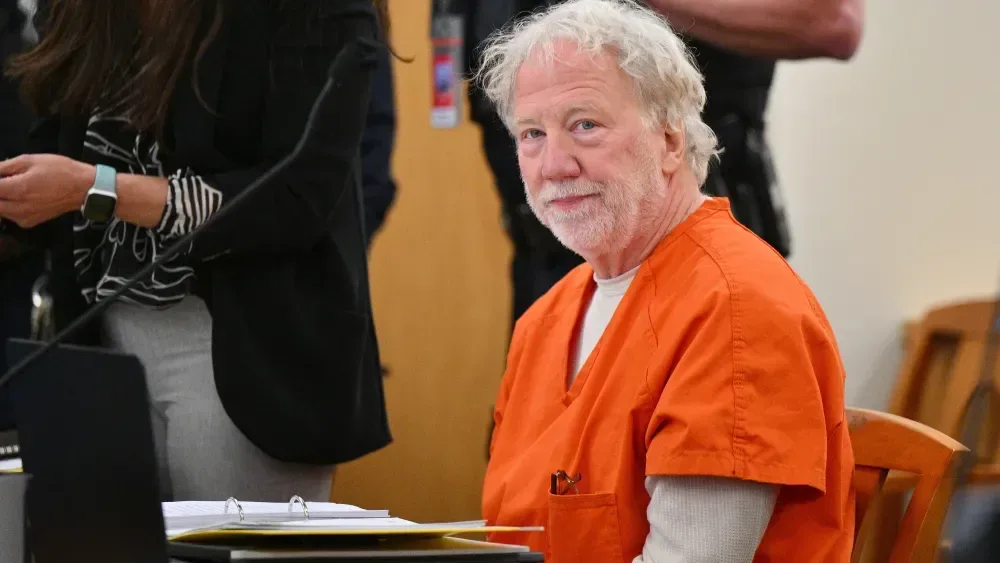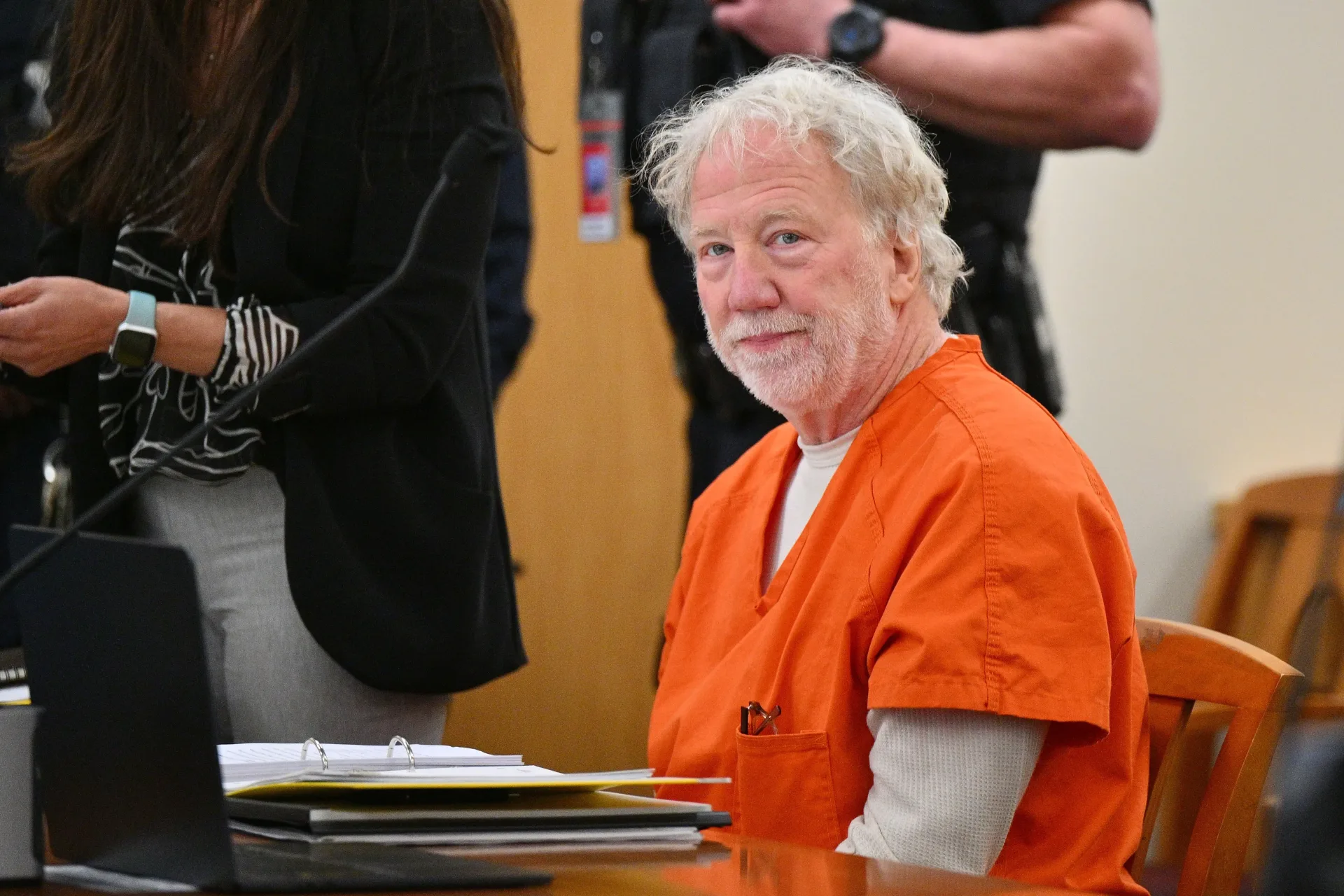
A New Mexico judge has dismissed the indictment brought against actor and director Timothy Busfield, ruling that the grand jury process was compromised by the way prosecutors handled requests to hear additional witnesses.
Busfield had been indicted in February on an allegation that he groped a 7-year-old child actor while working as a director on The Cleaning Lady in 2022. He has denied the allegation. The dismissal is a significant procedural development, but it is not the same thing as a verdict on the accusation itself: prosecutors may still seek a new indictment and said they are evaluating how to proceed.
Why the judge threw out the indictment
Judge Joseph Montano’s ruling focused on the grand jury proceeding, not a determination of whether Busfield committed the conduct alleged. The judge found that the prosecuting attorney did not act fairly and impartially in responding to grand jurors who wanted to hear from additional witnesses.
At least some grand jurors sought more testimony on three occasions. The requested people included potential defense witnesses who were reportedly waiting outside the grand jury room and were prepared to testify. Yet those witnesses were not called.
The ruling says the prosecutor told grand jurors that at least eight members would need to agree for a subpoena to issue, and that all 12 would have to return on another date to hear the testimony. Montano found those requirements did not exist. With the witnesses already nearby, the judge concluded that the procedure had the practical effect of withholding witnesses the grand jurors had asked to hear.
“These actions are not in line with either the letter or the spirit of the grand jury laws,” Montano wrote.
The court found that the handling of the requests violated rules intended to protect the integrity of the grand jury system, creating a presumption of prejudice. In plain terms, the ruling concludes that the defect was serious enough to invalidate the indictment, rather than treating it as a harmless procedural error.
What a grand jury does — and what this ruling does not decide
A grand jury is not a trial jury. Its role is to determine whether there is a sufficient basis to bring criminal charges, rather than to decide guilt or innocence after a full public trial. Because an indictment is only a charging step, a dismissal at this stage does not establish that the defendant is innocent, nor does it prove the allegation true.
Montano’s decision instead addresses whether the charging process followed the governing standards. The central issue was whether grand jurors could meaningfully pursue testimony they requested. The judge found they could not, based on instructions that incorrectly suggested a higher bar and a later hearing date were necessary.
That distinction matters in public discussion of the case. A court can dismiss an indictment because of how a grand jury was conducted while leaving the underlying factual dispute unresolved. Conversely, a charge itself is not proof of guilt. Here, Busfield continues to maintain his innocence, and the state retains the option of presenting the matter to another grand jury.
The testimony the grand jury heard and the testimony it did not
Busfield and an Albuquerque police detective were the only two witnesses who appeared before the grand jury. During his testimony, Busfield referenced an internal Warner Bros. Television investigation and said other witnesses could testify.
Warner Bros. Television, which produced The Cleaning Lady, had investigated after a separate allegation was raised through SAG-AFTRA in late 2024. That internal review was unable to substantiate the claim. Busfield’s attorneys also arranged a polygraph examination that he passed.
Those points are part of the record described around the case, but they should be understood for what they are. An internal workplace investigation and a polygraph are not a criminal-court verdict. Neither independently resolves a criminal allegation. The immediate legal question before the judge was narrower: whether the grand jury was allowed to hear requested witnesses under the correct legal procedure.
Busfield’s attorney, Amber Fayerberg, said the people grand jurors wanted to hear from were individuals who had been on set. She said their accounts would support Busfield’s innocence. The judge’s ruling did not make factual findings on what those witnesses would have said or whether their testimony would ultimately change an indictment decision. It found that grand jurors should not have been prevented from considering testimony they sought under a procedure that the court said was legally incorrect.
What prosecutors can do next
The dismissal does not necessarily end the criminal case. Prosecutors may seek another indictment, which would involve presenting the case again to a grand jury. A spokesperson for the Second Judicial District Attorney’s Office in Albuquerque said the office had received the order and was evaluating its options.
If the state chooses that route, the practical lesson from Montano’s order is straightforward: grand jurors’ witness requests must be handled under the proper rules, particularly where potential witnesses are available and the panel wishes to hear them. Any renewed proceeding would still be a charging-stage process, not a trial.
For Busfield, the decision removes the current indictment while preserving uncertainty about a possible new effort by prosecutors. His attorney said he is relieved and grateful, while also acknowledging that the matter may not be over.
Why procedural fairness is central, even in difficult allegations
Allegations involving a child demand care and seriousness. So does the legal requirement that the charging process be conducted fairly. Those ideas are not in conflict. A justice system’s legitimacy depends on testing accusations through rules that apply consistently, including rules designed to ensure a grand jury can hear testimony it requests.
The ruling is therefore not simply a technical footnote. Grand jury procedures exist to prevent the charging decision from becoming a one-sided exercise controlled entirely by the prosecutor. In this case, Montano found the grand jurors’ repeated interest in additional testimony was frustrated by incorrect instructions, despite the potential witnesses being close at hand.
For readers following entertainment-industry legal news, it is also a reminder to separate several different processes that are often folded into one headline: a workplace inquiry, law-enforcement investigation, grand jury proceeding, indictment, trial and final adjudication all carry different purposes and standards. This case has reached a consequential ruling at the grand jury stage, but it has not reached a trial verdict.
Busfield is widely known for acting in Thirtysomething and The West Wing, as well as for directing television. The dismissed indictment stems from his work on The Cleaning Lady. For another look at how entertainment stories can move through legal claims rather than artistic production alone, see our coverage of a federal suit involving concert-ticket resales.
For now, the clearest outcome is limited but important: the February indictment against Busfield has been thrown out because the court found the grand jury process was not conducted with the impartiality required by law. Whether the state seeks a new indictment remains undecided.