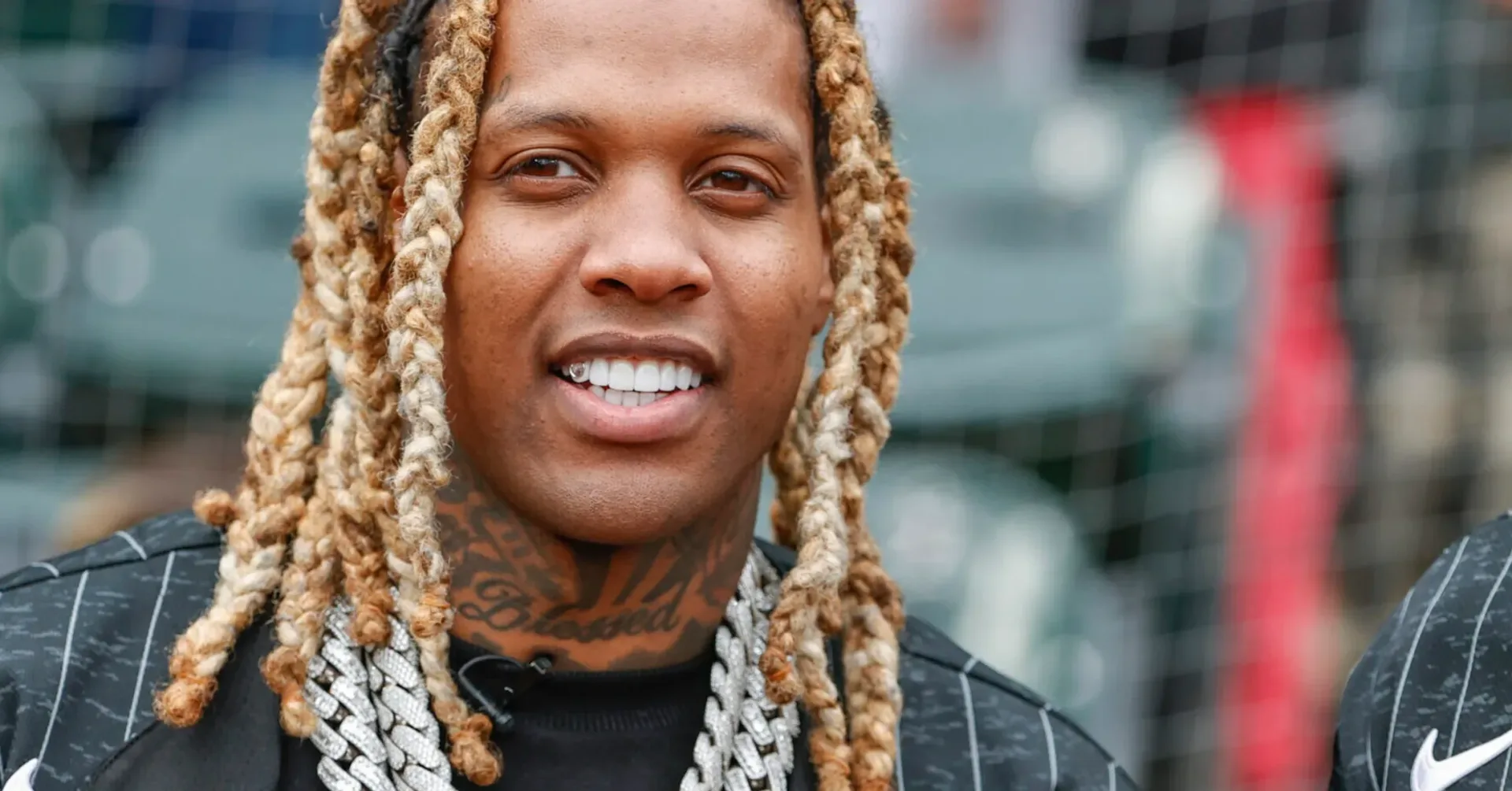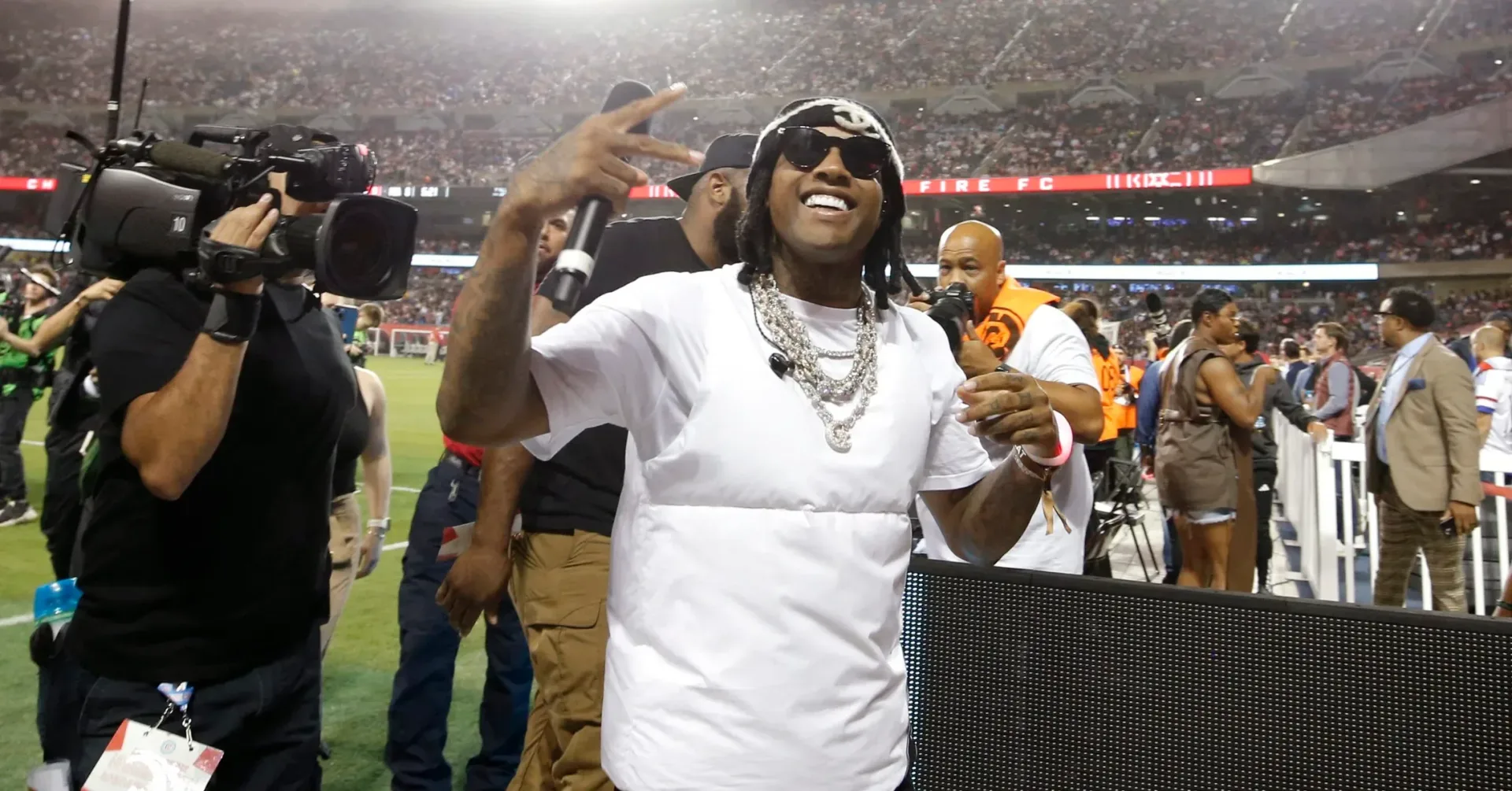
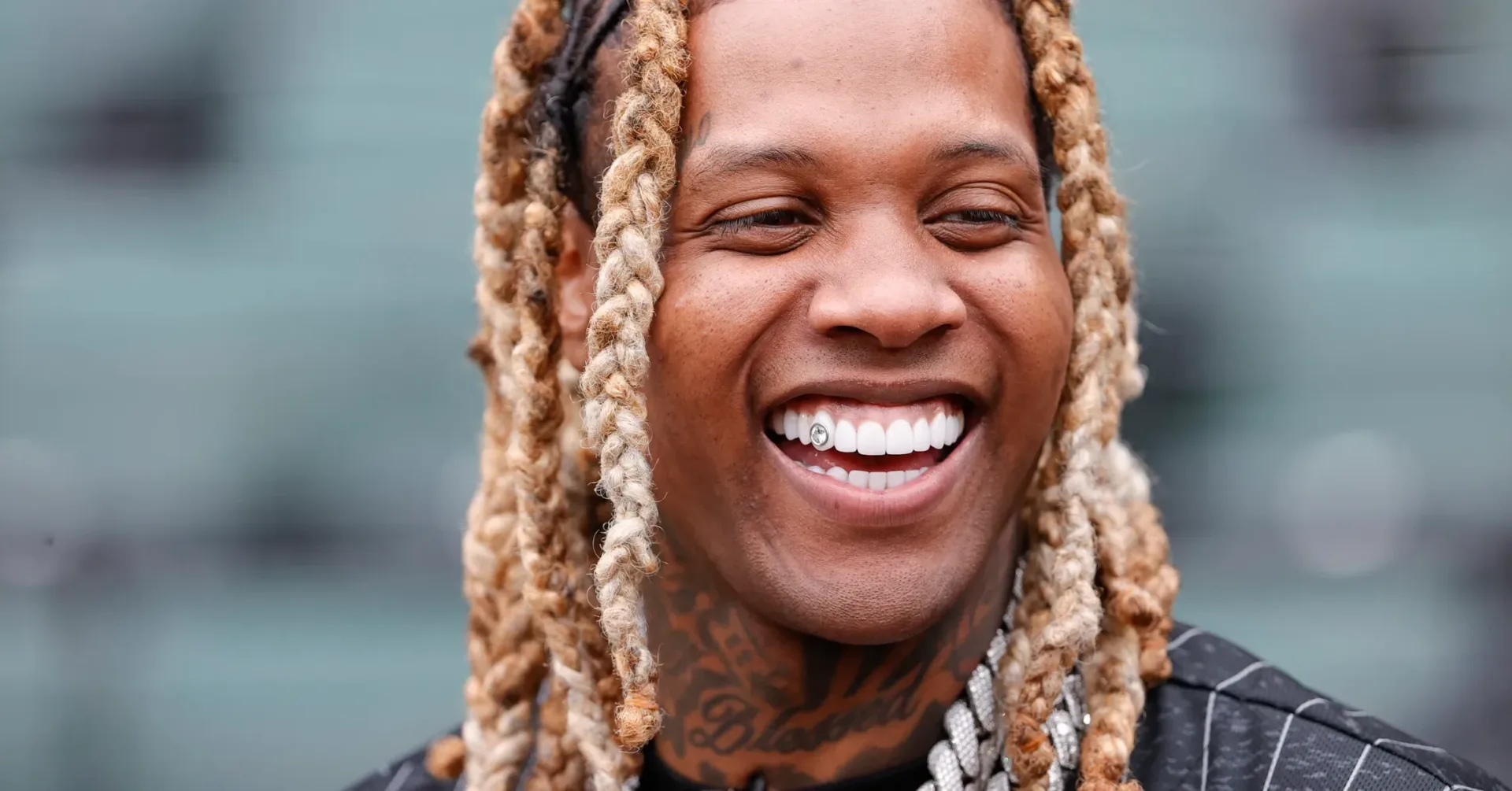
A decision on Lil Durk’s bond will not come immediately. After a hearing that ran for roughly two hours, Judge Michael W. Fitzgerald said he would review submissions from both the defense and federal prosecutors before ruling. No date for that decision was provided.
The hearing began at 2:30 p.m. local time and concluded at 4:30 p.m. The delay leaves the rapper’s custody status unresolved while the court considers competing arguments over whether release on bond is appropriate ahead of his scheduled August 2027 VICAR trial.
It is important to separate what has happened from what has not. A bond decision has been delayed; it has not been granted or denied. The underlying allegations referenced by prosecutors remain allegations, and the court has not announced findings on them in the information currently available.
What the judge is reviewing
Lil Durk’s legal team submitted an extensive filing in support of bond. The proposed package reportedly included character letters from figures including JAY-Z and J. Cole, along with others. Such letters are generally offered to provide a court with information about a defendant’s personal ties, reputation, support network, and proposed ability to comply with release conditions.
But favorable letters are only one component of a bond request. Prosecutors argued that celebrity endorsements should not, by themselves, determine whether release is warranted. Their position is that Durk presents both a flight risk and a risk to the community.
Those terms are central to the dispute. A flight risk argument contends that a person may not return for future court proceedings if released. A claim that someone poses a risk to the community is an argument against release based on alleged public-safety concerns. Neither description is a conviction or a finding of fact by itself; they are positions the prosecution asks the judge to weigh against the defense’s proposed release plan.
The judge’s decision to take the matter under review means the written record matters heavily at this stage. Rather than ruling from the bench when the hearing ended, Judge Fitzgerald will examine what each side filed and then issue a determination at a later, currently unknown time.
Prosecutors raise a new allegation
Hours before the hearing, federal prosecutors submitted their own filing. In it, they said Durk would be investigated over an allegation that contraband was introduced into the Metropolitan Detention Center.
Related coverage includes Judge Delays Lil Durk Bond Decision After Two-Hour Hearing.
The report does not establish what the alleged contraband was, whether an investigation has produced a finding, or what any potential consequence might be. It does establish that prosecutors included the matter in their opposition to bond, making it part of the court’s immediate release analysis.
That distinction is especially significant in a bond proceeding. The judge is not being asked at this moment to resolve every allegation associated with the larger case. The immediate question is whether the record supports release pending trial and, if so, whether any conditions could address the concerns raised by the government. The parties plainly disagree on the answer.
Why the character letters are not a shortcut
High-profile support can draw public attention, particularly when names such as JAY-Z and J. Cole are attached to a bond package. Yet the prosecution’s response underscores a practical reality: character endorsements do not automatically answer a court’s concerns about future appearances or public safety.
For the defense, the letters may be meant to demonstrate that Durk has substantial community support and people willing to vouch for his character. For prosecutors, the presence of influential supporters does not eliminate the risks they say the court should consider. The judge must assess those competing presentations rather than treat public prominence as decisive in either direction.
In other words, the hearing is not a popularity contest, even though recognizable names can dominate the headlines. The legal question is narrower and more consequential: whether the court is satisfied that release is justified while the case proceeds.
No decision date, and custody questions remain
With no timetable announced, Durk remains in a holding pattern. It is also unclear whether he will return to solitary confinement during the reported contraband investigation. That question has not been answered in the available information.
The uncertainty follows earlier reporting around the conditions of Durk’s detention and the dispute surrounding his bond request. Concerns raised by Lil Durk’s father over solitary placement and the wider bond fight have added to the public focus on what happens while the legal process continues. Still, the present development is specific: the judge has deferred a bond ruling to study both sides’ filings.
The trial schedule is still a major factor
The reported trial date is August 2027, leaving a substantial period before the case is currently scheduled to be tried. Prosecutors have said they are willing to move the matter faster rather than later, but no changed trial date was announced alongside the bond hearing update.
VICAR is an acronym commonly used for the federal statute addressing violent crimes in aid of racketeering activity. The available account identifies an August 2027 VICAR trial date, but does not lay out the specific charges, evidence, or procedural steps that will occur before then. Those details should not be assumed from the bond dispute alone.
The gap between a bond hearing and a prospective trial date helps explain why the release question carries added weight. If the court denies bond, Durk would remain detained as the case moves toward trial unless circumstances change or a future legal ruling alters that status. If bond is granted, the court could impose terms of release, though no specific conditions were disclosed in the present account.
What comes next
The next confirmed step is Judge Fitzgerald’s review of the defense and prosecution filings. His eventual ruling will determine whether Lil Durk is released on bond or remains in custody while the case proceeds. At the moment, there is no announced deadline for that outcome.
Readers should be cautious about treating the delay as a signal of how the judge will rule. A decision to review a lengthy defense submission and a late prosecution filing can simply reflect the need to consider a consequential record carefully. It does not itself reveal which side will prevail.
For now, the clearest facts are limited: the hearing lasted two hours; the defense pressed for bond with a package that included prominent character letters; prosecutors opposed release, citing alleged contraband-related conduct as well as flight-risk and community-safety concerns; and the judge reserved decision. The bond question remains open, as does the timeline for an answer.