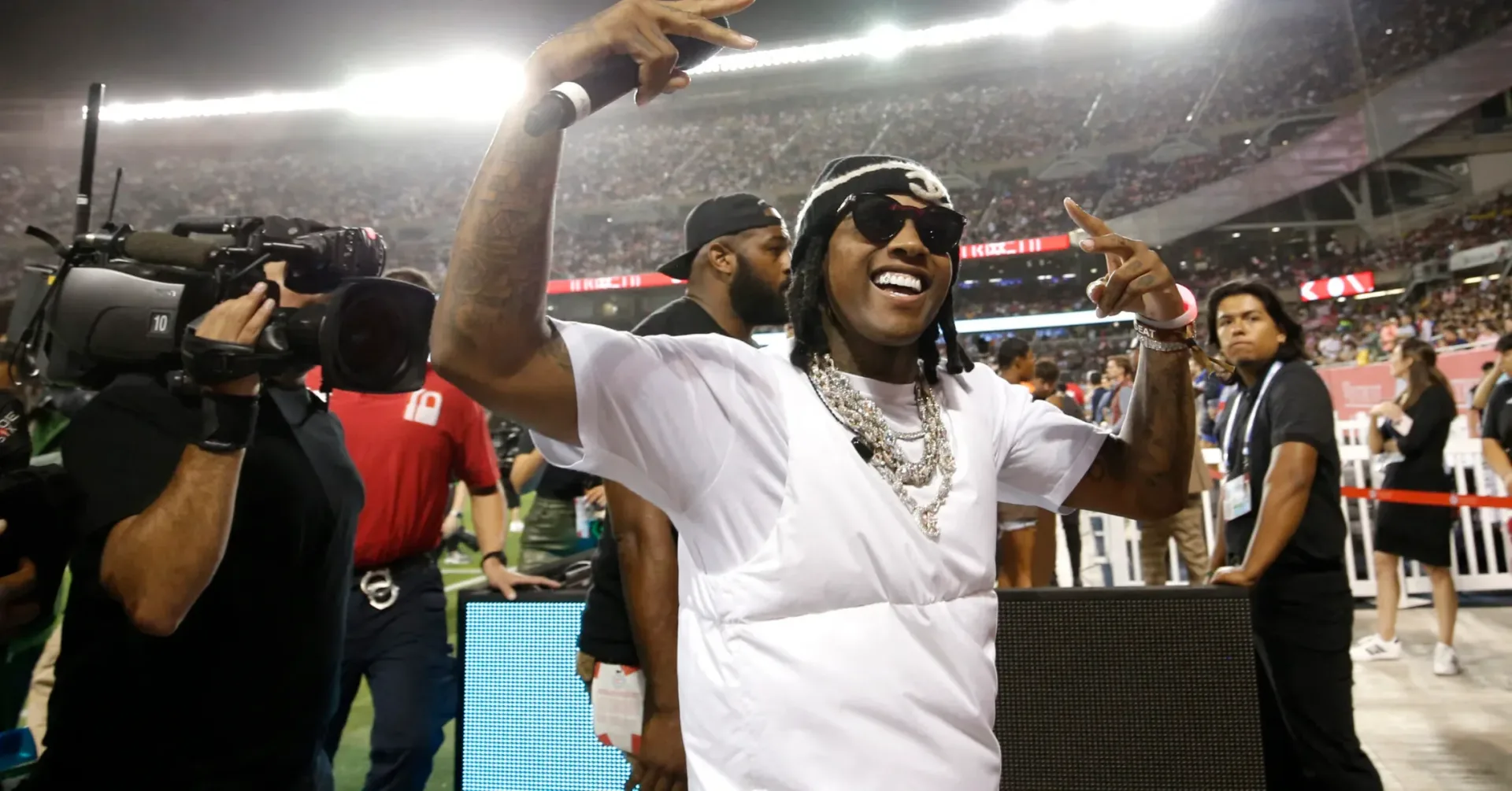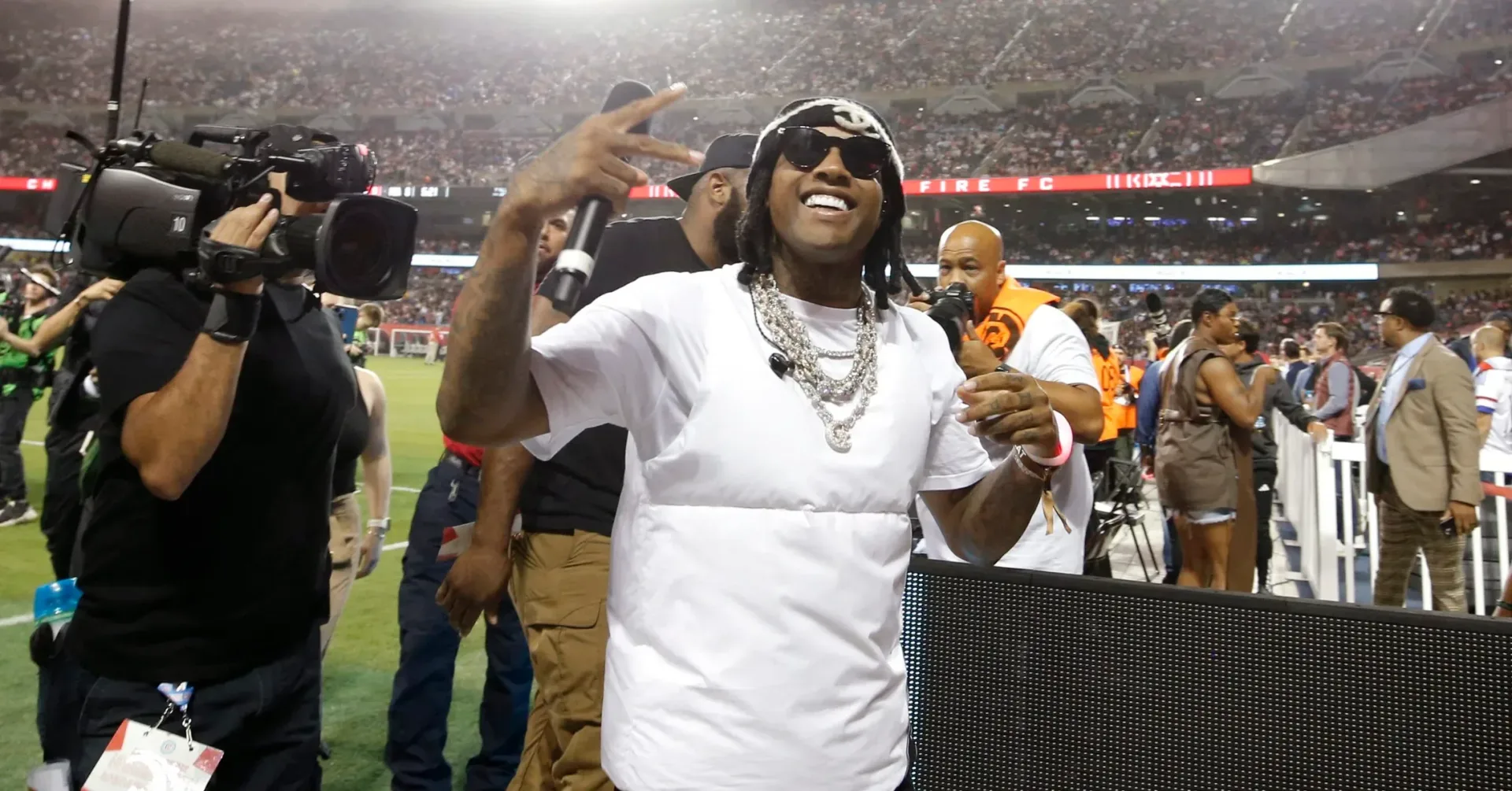

Lil Durk’s father, Dontay Banks Sr., has accused federal detention officials of harassing the rapper after a reported move to restrictive housing shortly before a hearing on whether he could be released on bond.
The allegation arrives at a consequential point in Durk’s ongoing legal proceedings. He was acquitted of five charges in a murder-for-hire case in September, but he remains in federal custody while facing separate allegations of murder in aid of racketeering and a firearm offense. Durk has pleaded not guilty to those charges, and a trial is scheduled for August 30, 2027.
Banks, also known as Big Durk, said his son had been placed in solitary confinement and characterized the timing as deliberate as Durk seeks release ahead of the next trial. The family said it had been unable to communicate with him after the placement, though Banks said Durk remained in good spirits. His spiritual representative, Zül-Qarnaįn, also stressed Durk’s faith and asked supporters to keep the family in prayer.
Reported move to the Special Housing Unit
Durk was reportedly moved to the Metropolitan Detention Center’s Special Housing Unit on October 30. A Bureau of Prisons employee union representative confirmed that a transfer had occurred, but the reason for the placement has not been publicly confirmed by the Bureau of Prisons. The agency cited privacy and security considerations in declining to provide details.
That distinction matters. A Special Housing Unit, often shortened to SHU, is a restrictive setting within a detention facility. Placement there can carry substantially different conditions from the general jail population, including reduced interaction with other people and more limited access to certain activities, visits, and privileges. A transfer into that housing does not, by itself, establish why it occurred or prove wrongdoing by either jail officials or the detainee.
People familiar with the situation alleged that Durk’s cell had been searched repeatedly after his acquittal without contraband being discovered. They also said he was reprimanded after challenging the searches. Those claims have not been independently detailed by the Bureau of Prisons, and the agency has not publicly tied any particular incident to the reported October 30 placement.
The absence of an official explanation leaves two separate questions that should not be merged: whether Durk was moved into restrictive housing, which was confirmed by a union representative, and why that happened, which remains undisclosed. Banks’s allegation of harassment is the family’s position, not a finding by a court or federal agency.
A prior dispute over restrictive housing
This is not the first time Durk’s attorneys have challenged the conditions of his detention. His legal team previously objected to a 131-day period in solitary confinement that began in August 2025 after an allegation involving an unauthorized Apple Watch.
During that earlier period, his lawyers said he was confined for roughly 23 hours per day and had restricted access to visitation and other privileges. He returned to the general jail population in January 2026. The earlier dispute provides important context for the current concern from Durk’s family, but it does not establish that the circumstances or justification of the newer placement are the same.
Restrictive housing can become especially significant when a defendant is preparing for hearings or trial. Communication with counsel, review of legal materials, contact with family, and ordinary routine can all be affected by detention conditions. The supplied information does not say that Durk has been unable to speak with his lawyers, nor does it describe the present unit’s specific rules. Still, the family’s concern is taking shape during a period when release conditions are being litigated and a separate criminal case remains pending.
Acquittal did not end federal custody
The September verdict resolved the five charges in Durk’s murder-for-hire trial in his favor, but it did not automatically require his release. He continues to be held over a different case involving allegations of murder in aid of racketeering and a firearm offense.
That procedural reality is central to understanding why an acquittal and continued custody can coexist. Criminal cases can involve separate indictments, charge sets, hearings, and release decisions. A not-guilty verdict in one matter addresses the charges tried in that proceeding; it does not decide unrelated allegations that remain before the court.
Murder in aid of racketeering is the label used in the supplied account for one of the pending allegations. “Racketeering” generally refers to specified unlawful activity connected to an alleged criminal enterprise, while “in aid of” signals an allegation that an act was committed to advance or benefit that enterprise. Durk’s not-guilty plea means the allegations remain unproven and will be tested through the legal process.
The distinction is also important for fans following music-world legal news, where a headline about an acquittal can understandably create the impression that every related legal matter has ended. In this case, the record described here is narrower: Durk was acquitted in one trial, continues to contest separate allegations, and awaits a 2027 trial date in that second matter.
The bond package and the prosecution’s objections
Durk’s attorneys have proposed a bond package that includes a guarantee of as much as $1 million from Sony Music Entertainment. Jay-Z and J. Cole have also submitted letters in support of his release.
A bond package is more than a single dollar figure. It is a proposal intended to persuade a judge that a defendant can be released while reliably returning to court and complying with any conditions imposed. Financial guarantees can be part of that argument, alongside proposed restrictions or other assurances, although the supplied information does not list the full terms Durk’s legal team proposed.
Federal prosecutors oppose the request. In a November 4 filing, they argued that the financial support offered did not resolve what they view as risks to public safety and the possibility that Durk could fail to appear in court. In bail proceedings, those two concepts are often central: public-safety risk concerns whether release could endanger people or the community, while flight risk concerns whether a defendant is likely to avoid future court appearances.
The prosecution also took issue with the public figures who submitted supportive letters, arguing that celebrity support was being used to influence the proceeding through publicity. That is an adversarial legal argument, not a ruling by the court. Support letters may give a judge information about a defendant’s community ties or backing, but they do not substitute for the court’s assessment of the legal factors governing release.
The objections were filed on the same day as a bond hearing before U.S. District Judge Michael W. Fitzgerald. No decision is described in the available information, so it would be premature to treat Durk’s release as secured or denied. The immediate question is whether the court determines that conditions can be set that adequately address the concerns raised by prosecutors.
Why timing is at the center of the family’s complaint
Banks’s complaint focuses not only on the conditions his son reportedly faces, but on when the placement happened: days before the hearing aimed at reconsidering release. From the family’s viewpoint, that sequence makes the move look punitive or strategically timed. Federal officials have not publicly endorsed that interpretation, and no official explanation for the Special Housing Unit placement has been provided.
For the court, the reported housing move and the bail request are related in practical terms but remain legally distinct issues. Detention conditions may be relevant to defense preparation and to the family’s public concerns. The bond decision, however, turns on the release arguments and the judge’s evaluation of the factors raised by the parties. The supplied account does not indicate that the court has found the restrictive-housing decision improper or connected it to the bond litigation.
The case also illustrates how the public conversation surrounding an artist’s legal situation can move on several tracks at once. Family members are speaking about treatment in custody; attorneys are pursuing release; prosecutors are challenging the proposed safeguards; and supporters are weighing in publicly. Each development can influence attention around the case, but attention itself is not a judicial outcome.
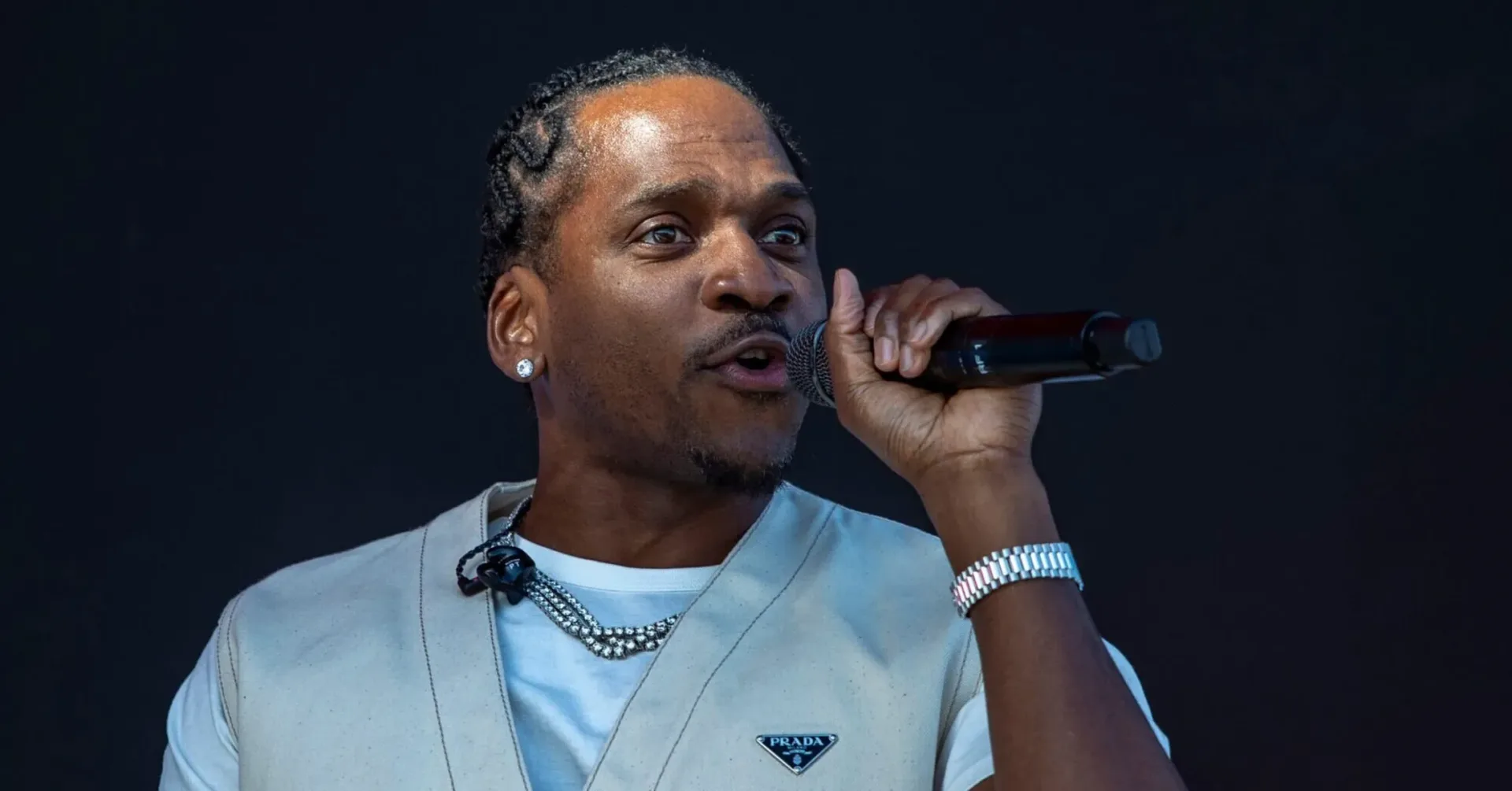
Durk’s position in hip-hop makes that scrutiny especially intense. For more perspective on how artists navigate industry expectations and public identity, see Pusha T’s comments on individuality in rap. In Durk’s situation, though, the operative facts remain those before the court: a prior acquittal, pending separate charges, a not-guilty plea, a contested request for bond, and an unexplained reported placement in restrictive housing.
What remains unresolved
- Reason for the reported October 30 placement: The Bureau of Prisons has not publicly confirmed why Durk was moved to the Special Housing Unit.
- Family’s harassment allegation: Banks has made the allegation, but it has not been established through a court finding or an official agency determination.
- Bond decision: Durk’s lawyers and federal prosecutors are taking opposing positions, and the available information does not report the judge’s decision.
- Pending criminal case: Durk has pleaded not guilty to the separate allegations, with trial scheduled for August 30, 2027.
Until the court rules on release and officials provide more detail, the most accurate picture is a contested one. Durk’s family says his treatment reflects harassment and is asking for public support. Federal authorities have not explained the placement publicly. Prosecutors maintain that the proposed bond does not adequately manage the risks they identify, while Durk continues to deny the pending charges.