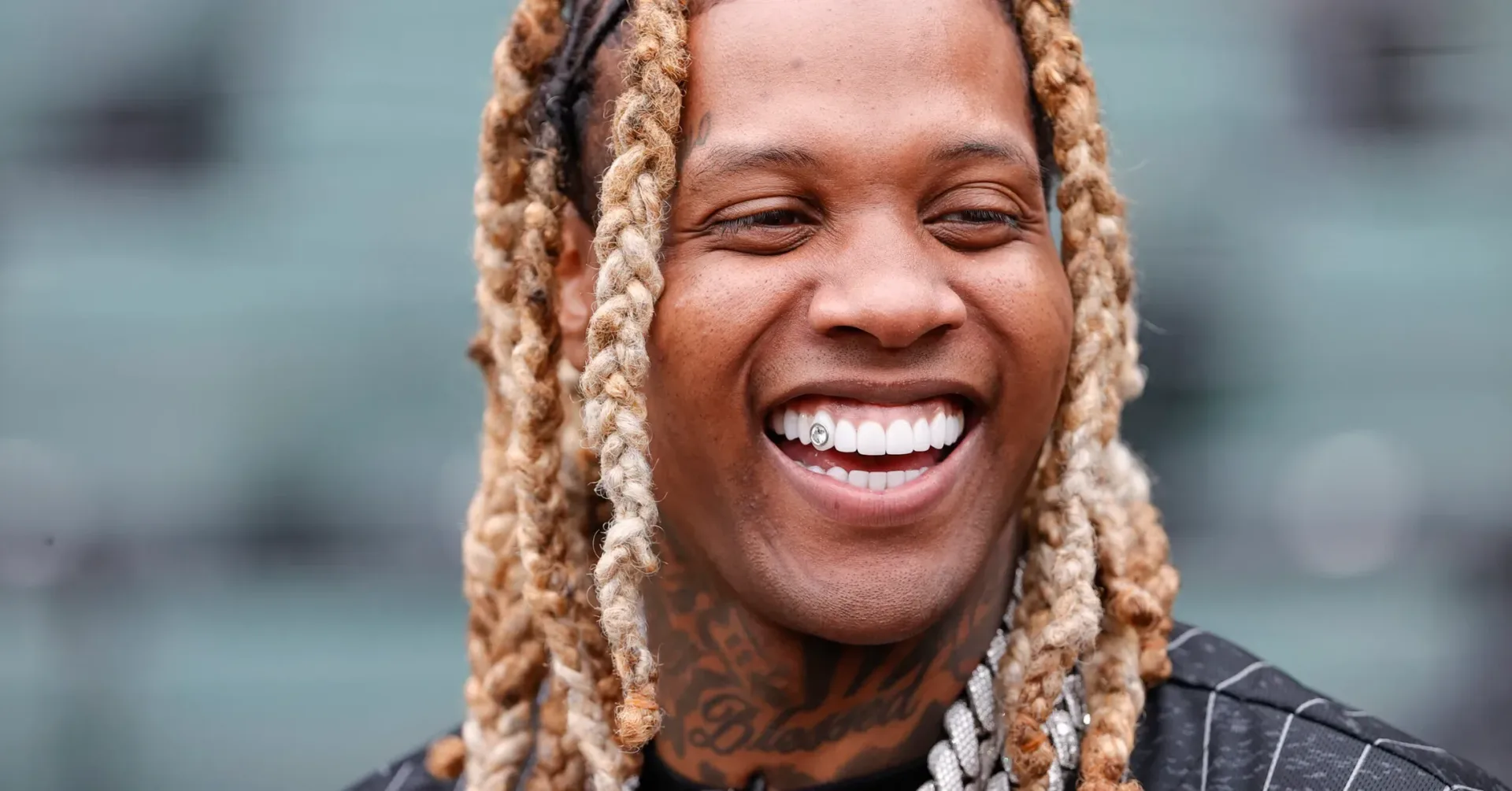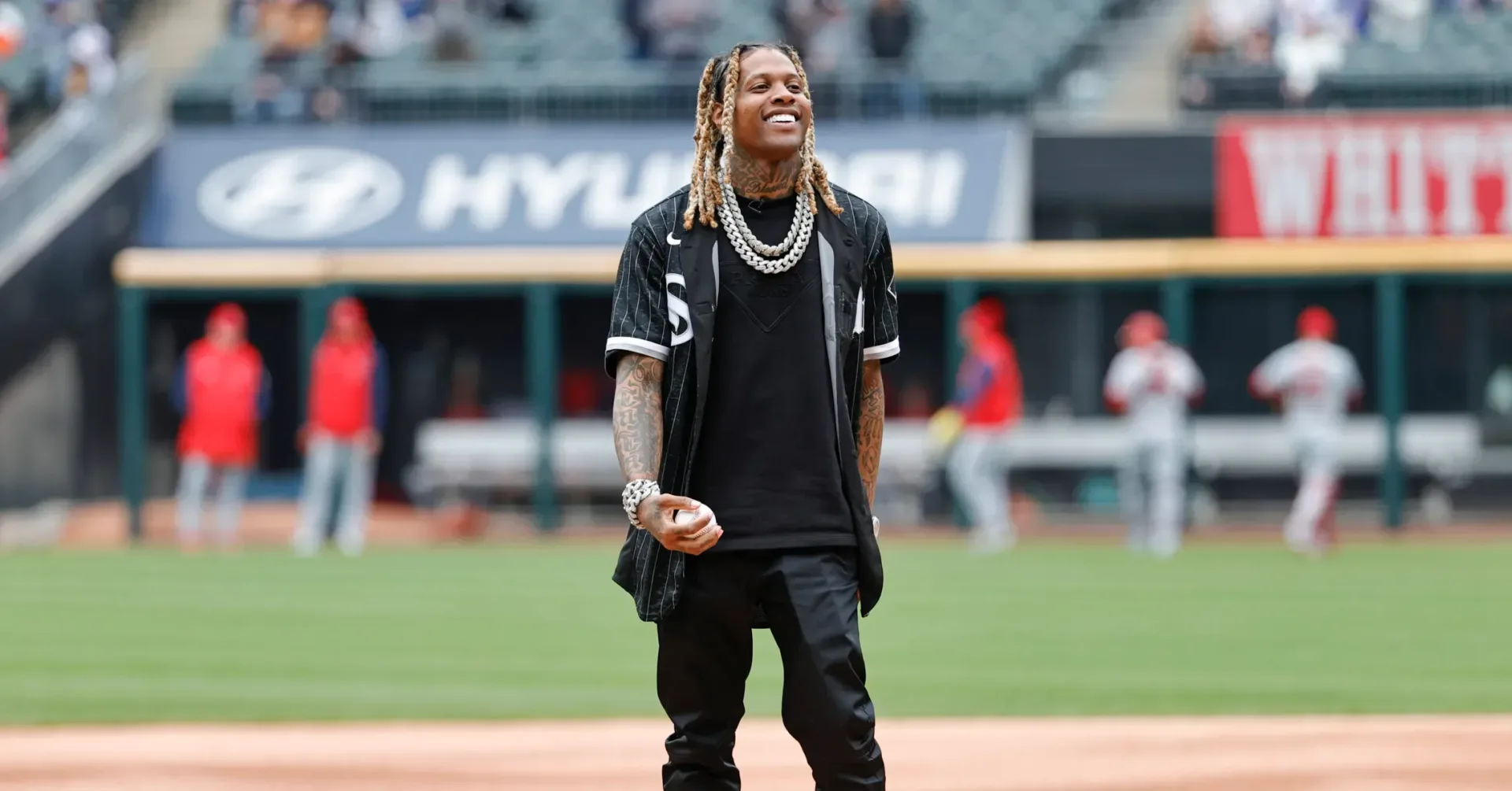
Lil Durk’s separate VICAR case is reportedly unlikely to begin on its previously listed October 5 date, with the next identified court event now a November 5 bond hearing. The schedule has not been presented as a final official reset in the information available, so the important distinction is between a reported expectation of delay and a formally confirmed new trial date.
The case follows Durk’s acquittal in a murder-for-hire trial, where he had faced the possibility of life imprisonment if convicted. The remaining VICAR allegations are connected to that earlier prosecution but are proceeding separately. If the reported change is borne out in court, it would mean another period of waiting before the scope, timetable and eventual outcome of the case become clearer.
Why the October timetable was questioned
The October 5 setting had already prompted skepticism because it was so close to the reporting around the case. The November 5 bond hearing further complicated the public understanding of the timeline. A bond hearing scheduled after a trial date naturally raises questions about whether the trial will actually move forward first, although court calendars can change and the supplied information does not establish the specific procedural reason for any expected postponement.
Reporting citing people close to Durk indicated that there was not enough time to start the trial as planned. That is meaningful as an indication of where the process may be heading, but it is not the same thing as a court order. Until the court sets and confirms a replacement date, observers should treat the expected delay as provisional.
The key practical point is simple: October 5 was the date attached to the trial, while November 5 was identified for a bond hearing. The reported gap between those events is why an October trial now appears doubtful.
What the VICAR allegations concern
The supplied account describes the VICAR charges as allegations that Durk ran a criminal enterprise. They are related to the murder-for-hire case that has already gone to trial. Prosecutors initially sought to have these allegations considered in the first proceeding, but the judge concluded they had been introduced too late and that including them would not be fair to the defense.
That prior ruling matters because it explains why a separate case remains despite the acquittal in the earlier trial. It does not decide the VICAR matter itself. An allegation excluded from one trial because of timing is not automatically resolved, validated or disproved; it can instead be addressed in a different proceeding under its own schedule and rules.
“VICAR” is a legal shorthand used in the reporting to identify this set of charges. In the context provided here, the most important takeaway is not the acronym’s expansion but the accusation at issue: prosecutors allege Durk operated a criminal enterprise. That accusation remains unproven, and any discussion of it should preserve that distinction.
An acquittal does not end every related proceeding
Durk’s earlier acquittal was unquestionably consequential, given the life sentence he had faced in that murder-for-hire case. But the continuing VICAR case illustrates a basic legal-process reality: matters that stem from overlapping allegations may still be handled separately, especially when a judge has ruled that an issue should not be added to the original trial at a late stage.
It would be inaccurate to frame the earlier result as a verdict on every accusation connected to the broader circumstances. Equally, it would be inaccurate to treat a pending charge as proof of guilt. The remaining case has its own allegations, defense response and eventual legal determinations still ahead.
What is known, and what remains unknown
- Known from the available information: Durk was acquitted in the murder-for-hire trial.
- Known: His co-defendants were convicted on stalking charges and are pursuing appeals.
- Known: The VICAR case had been listed for October 5, and a bond hearing was identified for November 5.
- Reported, but not described as a formal court confirmation: People close to Durk expect the October trial setting to be postponed.
- Still unknown: The replacement trial date, if one has been set; the court’s stated rationale for a delay; and the outcome of the VICAR case.
Those boundaries are especially useful in a high-profile criminal matter, where an initial date can be repeated widely and start to sound fixed even while scheduling changes are under discussion. A trial calendar is a procedural marker, not a guarantee that testimony will begin that day.
What the November bond hearing could mean for the immediate timeline
A bond hearing concerns the terms of release while a case remains pending. The supplied information does not specify what Durk’s legal team or prosecutors will seek on November 5, nor does it state what decision the court might make. It would therefore be speculation to predict the hearing’s result.
Its significance at this stage is chronological. If the October 5 trial setting is moved, the November hearing becomes the next date specifically identified in the case coverage. It may also provide a clearer procedural checkpoint, whether through a ruling on bond or a discussion that clarifies what happens next with the trial calendar.
For readers following the case, the clearest update to watch for is a formal notice of a revised trial date. That would turn the current expectation into a concrete timeline. Until then, the October date should be viewed as uncertain rather than treated as an imminent certainty.
Why careful language matters here
The stakes are substantial. The available information says Durk could face life in prison if convicted on the VICAR charges, and that he would otherwise have no other pending charges if he prevails. Those are serious consequences, which make precision more important than turning a procedural development into a prediction.
Terms such as “facing,” “charged” and “alleged” are not stylistic hedges. They accurately describe the status of a criminal case before a verdict. Likewise, an acquittal in the earlier proceeding should be stated plainly, without extending its reach beyond what that verdict decided.
There is also a difference between the legal process and the surrounding public narrative. Durk’s previous trial received considerable attention, and the next case will likely invite the same intense scrutiny. Yet the operative developments are narrower: a trial date that now appears unlikely to hold, a future bond hearing, and a separate set of allegations that have not been adjudicated.
The immediate takeaway
For now, the strongest reading of the available information is that Lil Durk’s VICAR trial is not expected to start on October 5, even though no replacement date is identified here. The November 5 bond hearing is the next dated event attached to the matter.
As the case develops, the most reliable milestones will be direct court scheduling decisions and rulings—not assumptions drawn solely from the proximity of dates. The earlier acquittal changed the legal landscape for Durk, but it did not dispose of this separate case. Its eventual outcome remains unresolved.
For a broader look at music activity expected during the same period, see our guide to hip-hop releases to watch in October 2026.