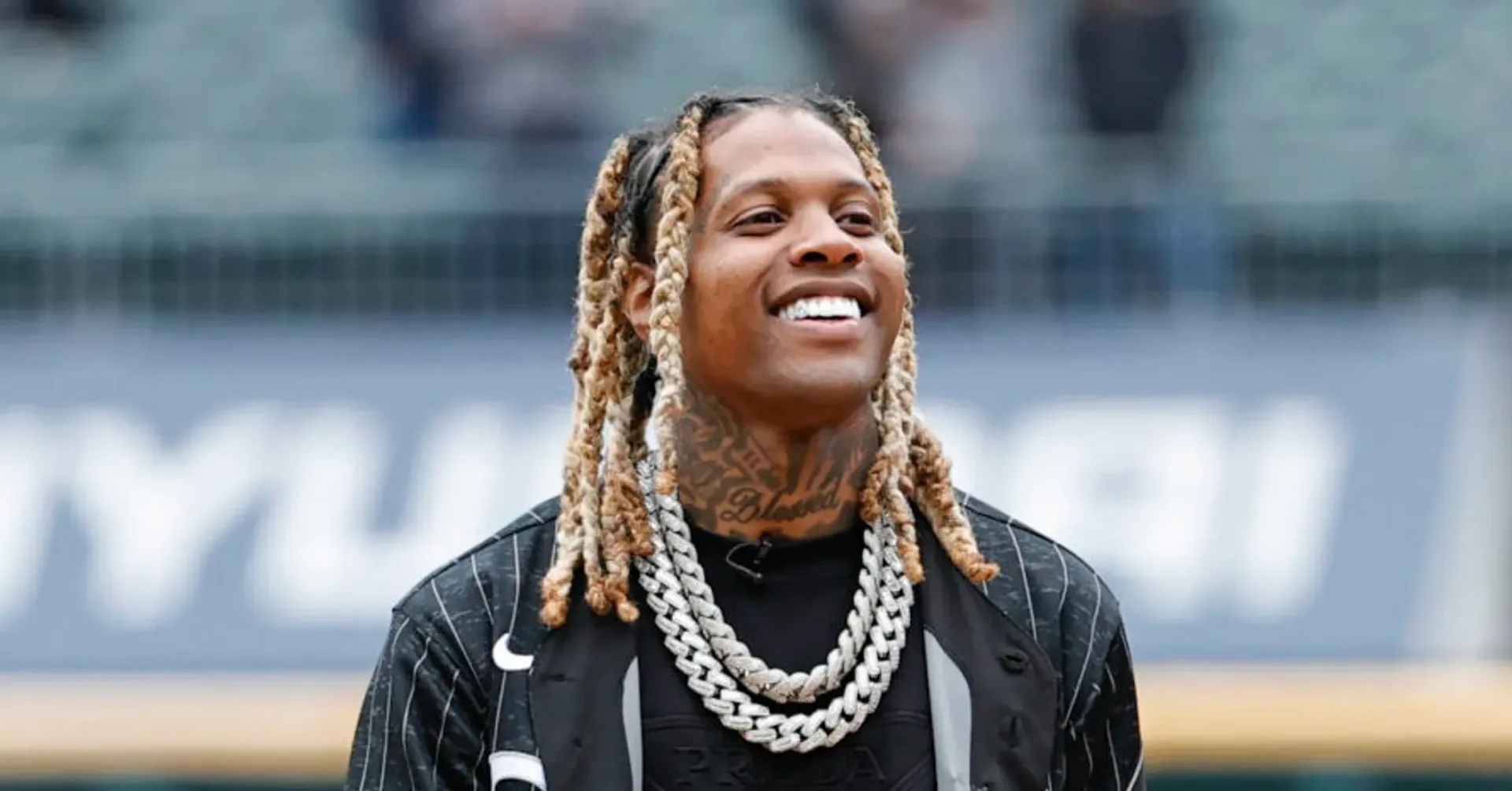
Lil Durk’s reported proposal for pretrial release centers on an unusual-sounding but straightforward financial idea: putting both current assets and possible future entertainment income behind a bond package. The filing described in recent reports totals $3.3 million, combining $2.3 million in equity from two Georgia homes with a further $1 million guaranteed by Sony Music.
The proposal also reportedly offers up several revenue categories connected to Durk’s music business: royalties, future touring proceeds, merchandise income and publishing rights. Those items are presented as collateral, meaning assets or income interests pledged to support the bond arrangement.
That does not mean the proposal has been approved, and it does not resolve the charges or determine any eventual trial outcome. A bond proposal is a request for release while a case continues. The court must still decide whether the offered financial security and any other proposed conditions sufficiently address its concerns. Durk’s VICAR trial is listed for August 30, 2027.
What is reportedly included in the package
The reported $3.3 million figure has two specifically identified components:
- $2.3 million: Equity in two homes in Georgia.
- $1 million: A guarantee from Sony Music.
Equity is not the same thing as a property’s sale price. In basic terms, it is the value an owner holds in a property after debts secured against it are taken into account. By identifying equity in the homes rather than simply naming the homes, the proposal frames the properties as a defined pool of value available to secure the requested release.
The other reported component is the Sony Music guarantee. The available description identifies a $1 million guarantee, but does not set out its detailed terms. It therefore should not be read as a public explanation of precisely how, or under what conditions, the guarantee would be enforced.
Beyond those two numbers, the proposal reportedly identifies income streams tied to Durk’s career. Music royalties generally refer to payments generated by the use or exploitation of recordings or compositions. Publishing rights concern the ownership and administration of songs as musical works, which can be separate from rights in a particular recording. Touring and merchandise revenue are more direct business proceeds tied to live performances and branded products.
Those categories can matter in a bond discussion because they describe possible economic value beyond cash or real estate. But future revenue is inherently conditional: it depends on later activity and the terms governing the underlying rights. The reported filing indicates that Durk consented to offer those interests as collateral; it does not establish the eventual value of every future payment, nor does it say that a court has accepted them.
Why the distinction between a filing and a ruling matters
Pretrial release is not a declaration of innocence, and continued custody is not a determination of guilt. The immediate question raised by this reported package is narrower: whether Durk can be released under conditions while the case proceeds toward trial.
That distinction is particularly important amid broad public discussion of the case. The reported proposal follows speculation over the status of racketeering-related charges after Durk beat a murder-for-hire case. The available information does not provide the court’s decision on this release request, so the appropriate reading is that a financial proposal has been put forward, not that bail is assured.
In practical terms, the package is designed to show that release would be backed by assets with substantial stated value. The real-estate equity offers identified property value, while the Sony guarantee and music-related rights extend the proposal into the artist’s commercial work. Whether that combination is persuasive is for the court to assess.
Readers should also avoid treating the $3.3 million total as a simple cash payment. The reporting describes a package supported by property equity and a corporate guarantee, alongside other pledged revenue and rights. Those are different forms of security, even when they are discussed together under one total.
Letters of support add a separate part of the argument
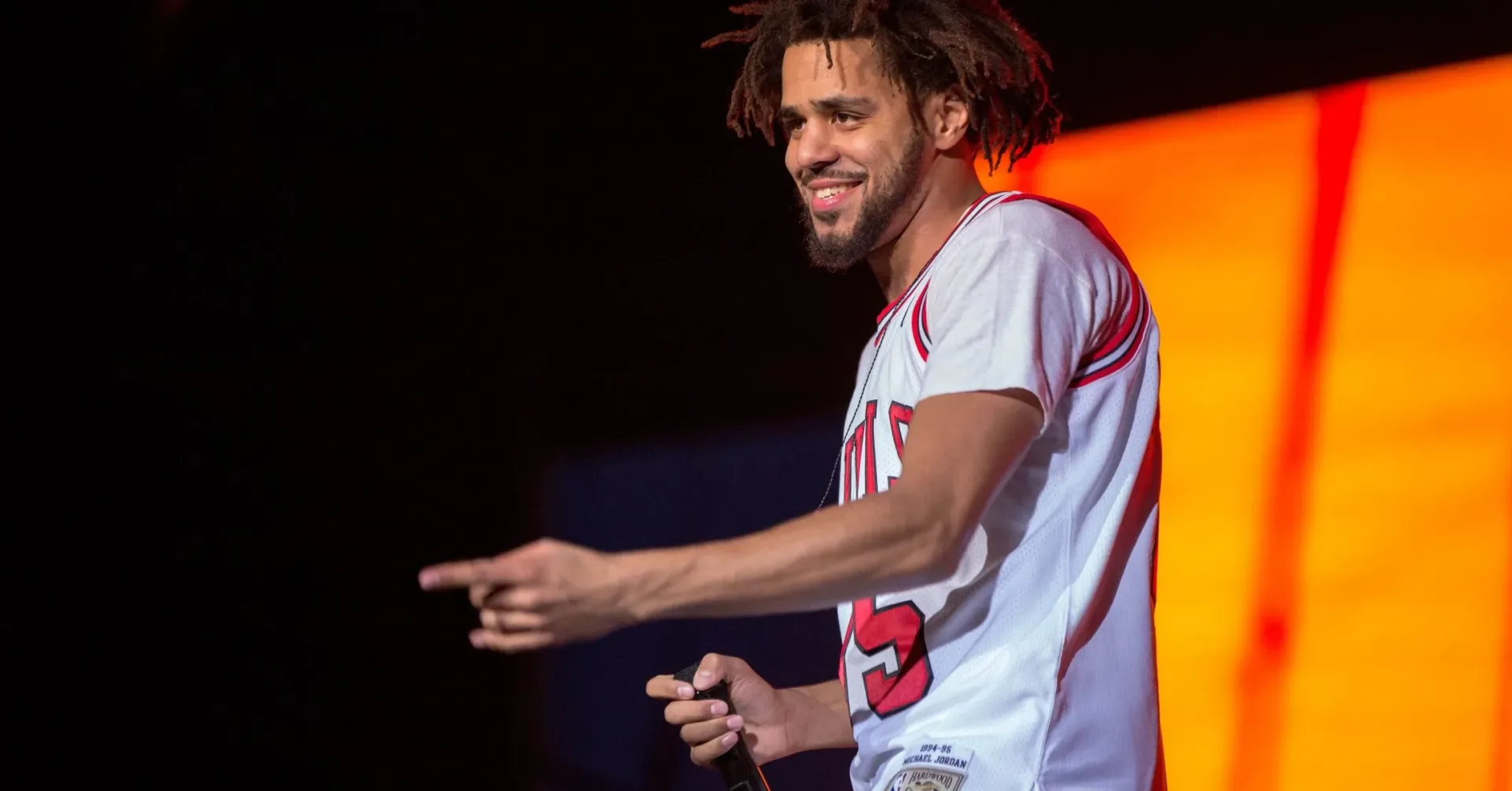
The financial proposal was reportedly accompanied by support from figures in music and business, including Jay-Z, J. Cole and Michael Rubin. Such letters are separate from the pledged assets. They do not replace the bond package, but they can present a picture of a defendant’s character, community relationships and work outside the charges at issue.
Jay-Z’s letter, as described in the filing coverage, says he met Durk several years ago and viewed him as respectful, career-focused and serious about his work. He also pointed to Durk’s interest in faith and to his efforts signing younger artists from his community.
“I do not minimize the seriousness of the charges Durk faces, and I respect the Court's obligation to protect the community,” Jay-Z wrote, while arguing that release would let Durk support his family and continue community work.
The letter also notes that Durk has spent nearly two years in custody and that the remaining trial is not scheduled until August 2027. That timeline is central to the release argument described here: a long period before trial gives added weight to the question of what conditions, if any, could permit a defendant to await proceedings outside custody.
At the same time, Jay-Z’s wording acknowledges the court’s responsibility to consider community protection. That is a useful reminder of the competing considerations at the center of a bond decision. Personal endorsements may provide context, but they do not make the legal decision on their own.
What the music-income collateral means for the wider conversation
The reported filing illustrates how an artist’s career can be discussed not only as creative output, but as a set of economic rights. Recordings, songwriting, live appearances and merchandise can each produce separate forms of revenue. In a legal filing, those revenue channels can become part of an argument about financial accountability.
That should not be confused with an assessment of Durk’s catalogue, future tour schedule or merchandise plans. No specific releases, performances, products or values for those future income streams were provided in the available material. The relevant point is limited to the proposal itself: those streams were reportedly offered as collateral.
It also places Sony Music’s reported guarantee in context. The guarantee is not described as a new artistic project or an indication of upcoming music. It is one identified component of the bond package. Similarly, publishing rights and royalties are mentioned for their role as pledged interests, not as a promise that future recordings or commercial activity will occur.
Support from J. Cole has already been part of discussion around Durk’s request; for more on that broader music-community connection, see this look at a separate J. Cole conversation. The key development here remains the reported court filing and the distinct roles played by property equity, the Sony guarantee, future music-related revenue and character letters.
What remains unknown
Several important details are not established by the information currently available. There is no reported ruling on whether Durk will receive pretrial release under this proposal. The terms of any possible release conditions are not described. Nor are the mechanics for valuing, controlling or enforcing the pledged future revenue streams.
There is also no basis in the available material to conclude how much weight the court will give the celebrity and business letters, the Georgia property equity or the Sony Music guarantee. Each is part of the reported presentation, but the court’s assessment is the next meaningful legal step.
For now, the clearest takeaway is appropriately limited: Durk’s team has reportedly assembled a $3.3 million pretrial-release proposal built around Georgia real-estate equity and a Sony Music guarantee, with royalties, touring, merchandise and publishing interests also offered as collateral. High-profile letters of support add a personal and community-focused case for release, while the scheduled August 30, 2027 VICAR trial keeps the underlying proceedings in view.