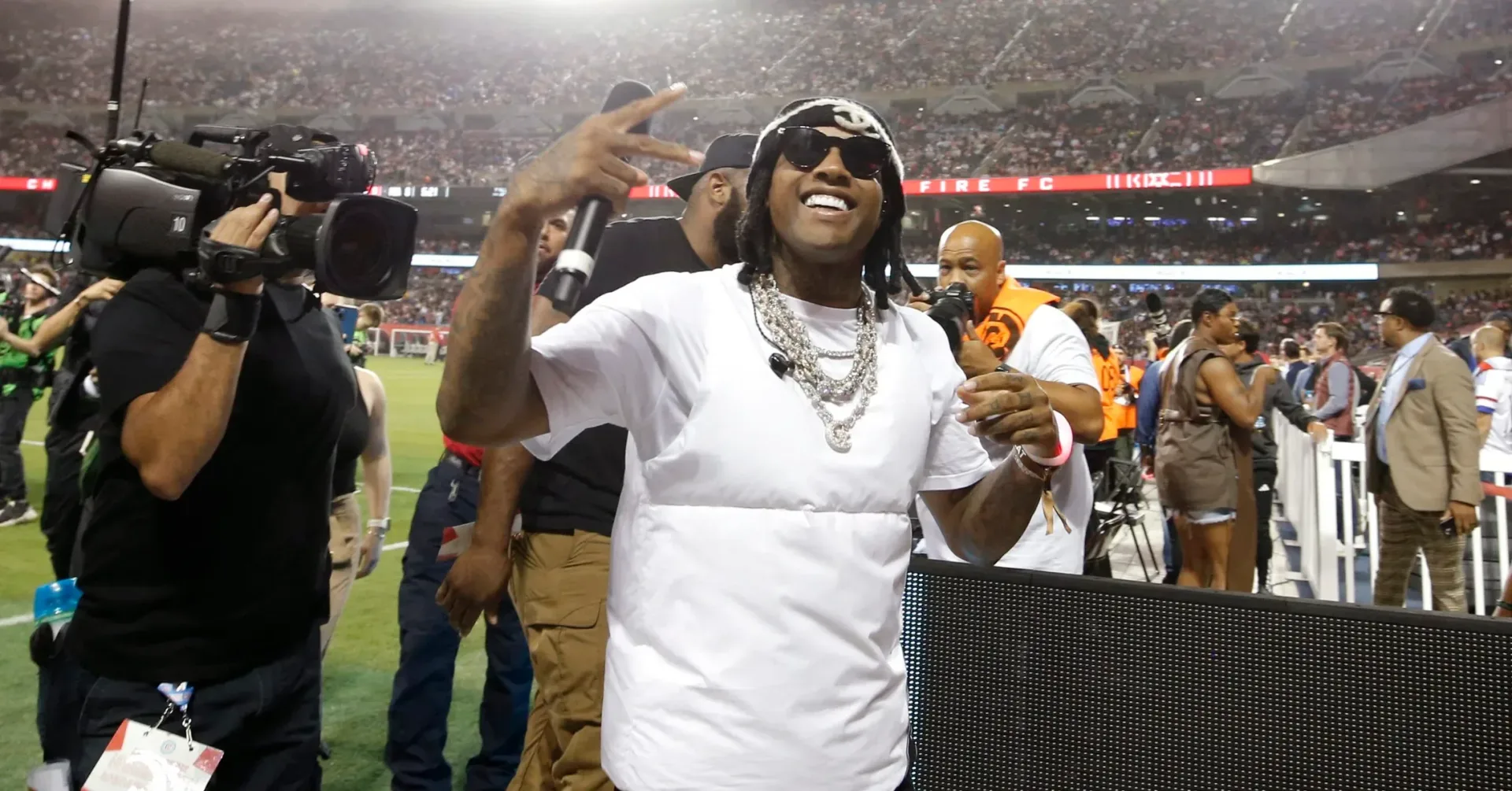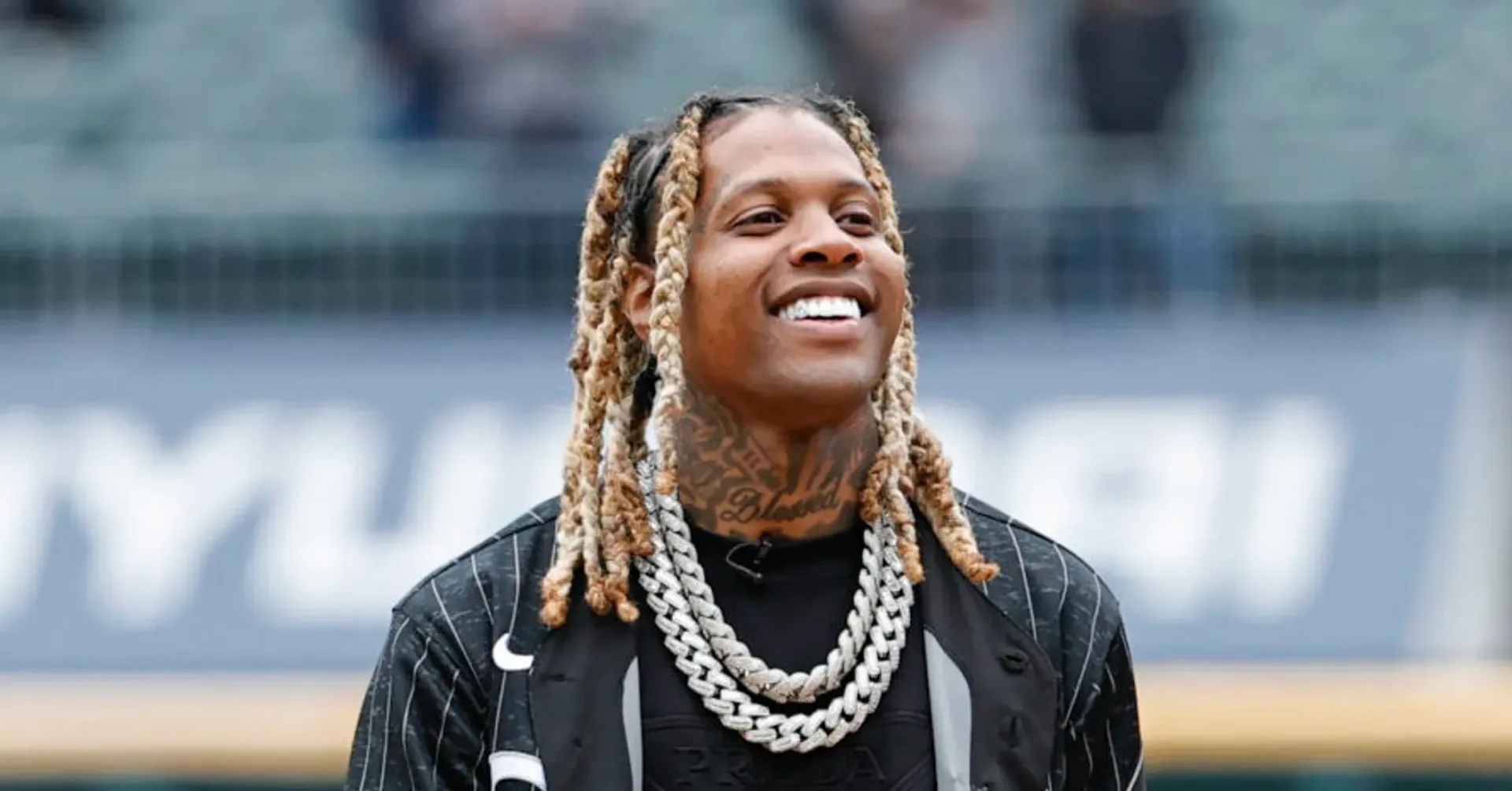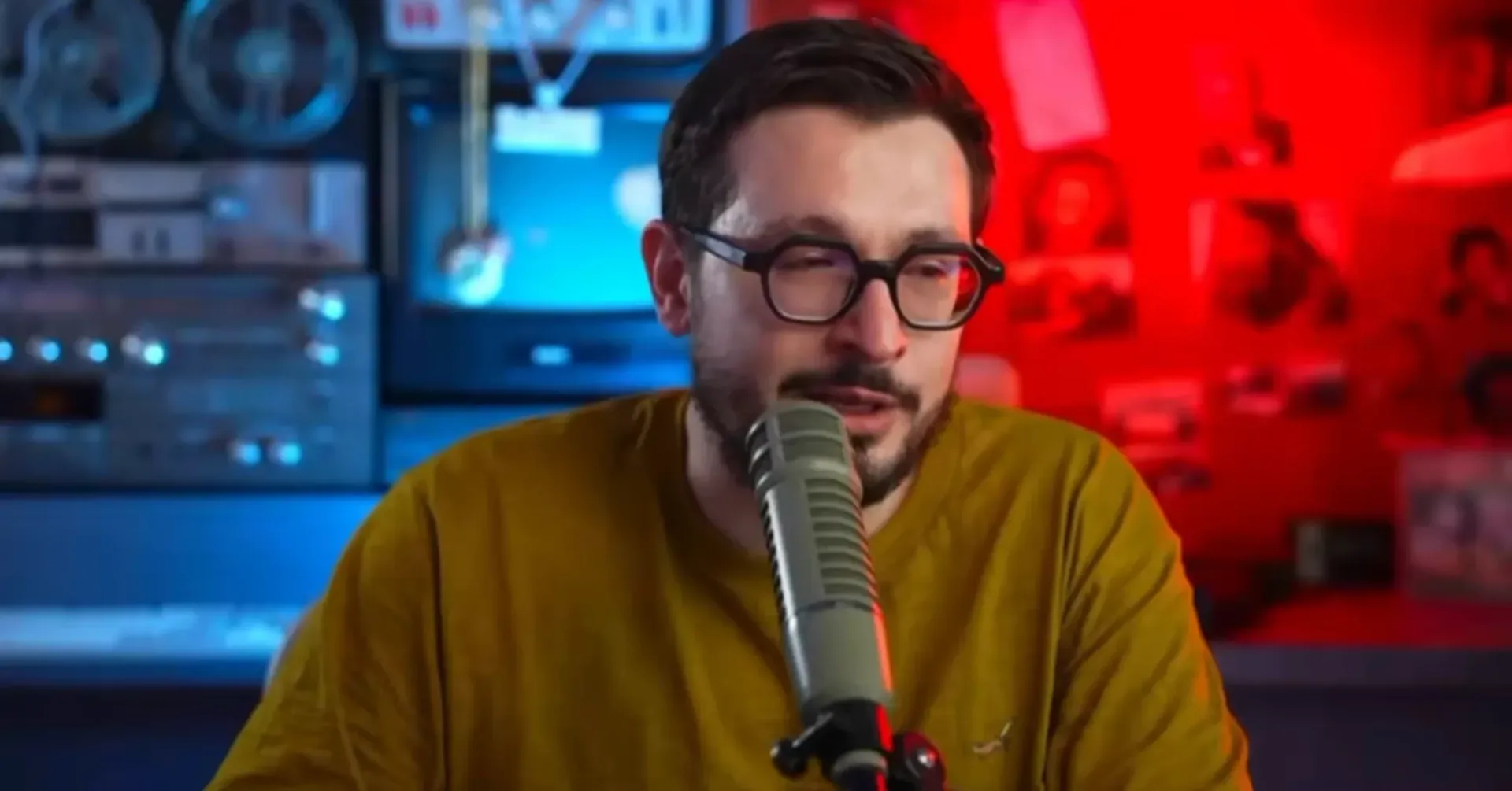
Online commentator Trap Lore Ross has shifted from being cast by some Lil Durk supporters as an antagonistic voice to entertaining the possibility that the rapper could soon be released from custody. The reason is not a new ruling, but the scope of a proposed bond package ahead of a November 4 hearing.
The hearing is set to determine whether Lil Durk can be released while he awaits a VICAR trial scheduled for August of next year. The proposal reportedly includes a willingness to surrender music-related income, along with support letters from Jay-Z, J. Cole and Lul Pab’s mother. Those details have prompted plenty of confident predictions online. But the meaningful distinction is simple: a robust proposal is not an approved release.
Trap Lore Ross’s suggestion that Durk may be home next week is therefore best understood as a reaction to the reported strength of the package, rather than confirmation of what will happen in court. The decision rests with the judge at the bond hearing.
What the November 4 hearing actually decides
A bond hearing concerns pretrial release. It is not the trial itself and does not resolve guilt or innocence in the case that remains ahead. In this instance, the immediate question is whether the court finds the proposed terms sufficient for Lil Durk to be outside jail before the planned August trial.
That separation matters because public conversation often collapses every legal development into a broader verdict on the case. A release on bond would be a decision about custody while proceedings continue. A denial would mean the court has not accepted release under the proposed conditions. Neither result would, by itself, answer the ultimate allegations set to be addressed at trial.
The supplied details describe the upcoming proceeding as a bond hearing, sometimes commonly discussed as a bail hearing. In everyday coverage, those words are frequently used interchangeably to describe the process of deciding whether someone may be released pending trial and what commitments or restrictions may accompany that release. Here, the only settled point before November 4 is that the package will be considered by a judge.
That makes definitive language especially risky. Saying an artist will be released goes beyond the known facts. Saying a release is possible reflects the posture of the hearing. The package is a bid for a particular outcome; the court’s ruling is the outcome.
Why the reported package drew attention
The proposal is notable because it reportedly extends beyond a simple financial promise. Lil Durk is said to be willing to give up music-related income, while letters have been provided by several recognizable figures. A related report has described the proposal as including Georgia home equity and future music revenue; readers can find more detail in coverage of Lil Durk’s reported $3.3 million bond proposal.
In practical terms, a package of this kind is designed to show the court that release can be supported by tangible commitments. The source material does not establish which individual element, if any, the judge will consider decisive. It also does not establish that a large total or celebrity support guarantees a favorable ruling. The important takeaway is that the proposal is being presented as extensive, not that it has already cleared the court’s review.
The willingness to surrender music-related income is particularly attention-grabbing because music is inseparable from Lil Durk’s public identity and career. Yet its role in a bond proposal should not be confused with a new release plan, a confirmed project, or a promise about future work. Within the available information, it is a reported component of the proposed security for release.
Support letters are relevant, not determinative
Letters from Jay-Z and J. Cole naturally dominate social-media discussion because both names carry major cultural weight. Their appearance signals high-profile support, but a support letter is still only one part of a broader submission. It does not substitute for a judicial decision.
The letter from Lul Pab’s mother has drawn particular attention because she is described as a grieving victim in the tragedy tied to the case. That context makes the letter distinct from celebrity backing in the public conversation. Still, it would be speculation to assign a legal weight to any one letter before the judge rules. The available facts establish that the letters are part of the package, not how the court will evaluate them.
This is also where coverage can lose precision. A famous name can generate the loudest headline, while the court must assess the complete package before it. A careful reading keeps those two realities separate: the letters may make the request more visible and may be offered in support, but visibility is not the same thing as a guaranteed result.
Trap Lore Ross’s revised public read
Trap Lore Ross became a talking point around the September trial coverage in part because of his extensive hip-hop documentaries, including a widely known project focused on King Von. The supplied account presents that work as connected to the background of Lil Durk’s current legal situation.
During the trial, some commenters accused the British YouTuber of holding an anti-Durk bias. They interpreted his coverage as wanting to see Durk imprisoned and later claimed he appeared disappointed after a not-guilty verdict. Trap Lore Ross has pushed back on that characterization, maintaining that he wants justice and will accept the jury’s decision.
His latest assessment is notable chiefly because it is more cautious about the prospect of release than the criticism from some viewers might suggest. Rather than presenting incarceration as inevitable, he has acknowledged that the proposed bond terms could plausibly lead to Lil Durk coming home after the hearing.
That is still analysis from a media personality, not a court update. There is a real difference between an observer changing his assessment and the legal process changing status. The former may shape the tone of the debate; only the latter decides whether Lil Durk leaves custody before trial.
Separating online certainty from the court calendar
The sequence supplied so far is straightforward:
- Lil Durk’s bond hearing is scheduled for November 4.
- That hearing will decide whether he can be released from jail before the VICAR trial.
- The trial is scheduled for August of next year.
- The reported bond package includes music-related income and letters from Jay-Z, J. Cole and Lul Pab’s mother.
- Any immediate release remains uncertain until the judge makes a decision.
Those points leave room for close attention without turning anticipation into fact. The phrase “coming home next week” is a prediction attached to a forthcoming court date. It is not a ruling, and it should not be framed as one.
The distinction may sound procedural, but it is central to understanding why the November 4 event matters. This is the moment at which a detailed proposed package meets judicial discretion. The response could validate the optimistic reading, reject it, or produce an outcome that cannot be responsibly inferred from the information currently available.
What to watch when the ruling arrives
The first item to establish is the basic result: whether release is granted or denied. If release is granted, the next relevant question will be the terms imposed by the court. If it is denied, the important fact is that the request did not secure pretrial release at that hearing—not that the future trial has been resolved.
It will also be worth separating confirmed court action from the reaction around it. The high-profile letters and public commentary are already driving conversation, especially as Trap Lore Ross’s view has attracted attention. Yet the courtroom result, rather than any commentator’s confidence level, is the update that matters.
For now, the fairest read is measured: Lil Durk has an upcoming opportunity for pretrial release, accompanied by what has been described as an unusually substantial package of support and financial commitments. That may explain why observers see a credible chance that he is released. It does not remove the uncertainty of the judge’s decision on November 4.