
Joy Crookes’ first film role is set to reach a new territory. Watermelon Pictures has acquired North American distribution rights to Ish, the British drama that casts the South London singer as Samira, older sister to the title character.
The deal gives Watermelon the right to bring the film to audiences in North America, though no release date, viewing format, or specific platforms have been disclosed. That distinction matters: a distribution-rights acquisition confirms an intended route to a region, not necessarily whether a movie will arrive first in theaters, on digital services, or through another release plan.
Ish is the first feature directed by Imran Perretta, who also co-wrote the film with Enda Walsh and composed its score. The movie previously played in the UK and Ireland after winning the audience award at Venice Critics’ Week. Its North American deal now extends the potential reach of a film rooted in a specific English setting and a deeply personal point of origin for its filmmaker.
A friendship changed by one encounter
The film centers on 12-year-old Ish, played by Farhan Hasnat, and his best friend Maram, played by Yahya Kitana. Before the story’s rupture, the boys spend their free time playing soccer and gaming together—everyday shared rituals that establish their closeness and their age.
That normality is interrupted when police stop and search Maram. Ish runs away, and the two boys must then confront the consequences of what happened. Crookes’ Samira is part of Ish’s family world as the story follows the emotional aftershocks surrounding the incident.
The premise makes the scale of the film clear. This is not framed as a procedural thriller built around solving a case. Instead, it is a drama about friendship, identity, fear, and the long tail of an experience that can alter how young people view one another and their environment. Watermelon Pictures’ Munir Atalla described Perretta’s approach as both intimate and universal, highlighting the film’s interest in the lasting impact of injustice.
For readers accustomed to games using a disruptive event as a narrative turning point, the structure may sound recognizable: two characters share a familiar routine, a sudden outside force breaks it, and the real story lies in what their relationship becomes afterward. But Ish uses gaming as part of the boys’ ordinary life, not as a genre hook or an adaptation premise. Its attention is on the people holding controllers before, and living with changed circumstances after.
Personal experience and a local setting
Perretta drew on his own experience of being stopped and searched at age 13. The film was shot in Luton, a place he visited to see relatives while growing up. Those details do not make the drama documentary, but they explain why its concerns are closely connected to lived experience and place.
Related coverage includes Joy Crookes’ Film Debut ‘Ish’ Secures North American Distribution.
Luton is more than a backdrop in that context. A film’s location can shape its visual identity, language, family dynamics, and sense of movement through streets and homes. Here, the setting is connected to Perretta’s personal history, while the emotional question remains legible well beyond it: what happens when an authority encounter leaves young friends carrying different memories, reactions, or feelings of responsibility?
The two young leads arrived at the production through an open casting call, and Hasnat and Kitana were already friends before taking on their first acting roles. That existing connection is a notable element of the casting. A drama focused on the strain placed on childhood friendship depends heavily on the audience believing in the relationship before it is tested. Their pre-existing friendship gives the production a foundation that aligns directly with the film’s premise, even though the performances themselves will determine how that relationship plays on screen.
Crookes moves from music videos to a narrative feature
For Crookes, Ish is a feature-film acting debut rather than a first time appearing on camera. She previously appeared in Little Simz’s video for “Woman,” the track featuring Cleo Sol that Simz performed at the BRIT Awards. Music video work and a narrative film role ask for different things, however. A video appearance can be driven by image, mood, performance, and a song’s compressed storytelling; a feature drama requires an actor to sustain a character’s place in a longer narrative.
That transition is especially notable because Crookes comes to the film with an established music career. Her debut album, Skin, reached No. 5 in the UK and received a Mercury Prize nomination. Her second album, Juniper, included Vince Staples, and she later released “Painkiller” with Denzel Curry in September. For fans following performers across music and screen work, her role in Ish is not presented as a cameo built around a song; she plays a named family character within the drama.
Musicians crossing into film can draw attention to projects that might otherwise be discovered gradually through festivals and specialty distribution. That is a practical benefit of Crookes’ casting for viewers: people familiar with her records now have a clear reason to watch for Ish in North America. It should not obscure the fact that the film is also a debut feature for Perretta and a first screen acting opportunity for its two child leads.
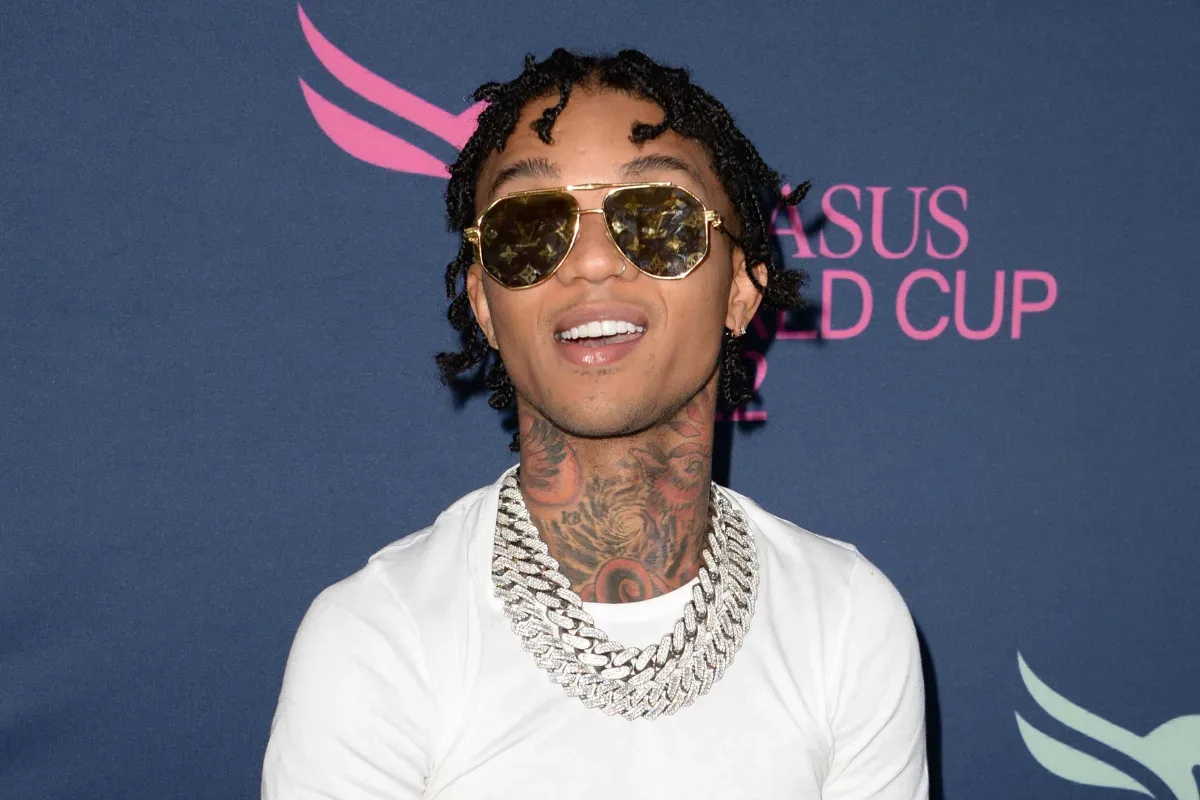
For more music-and-pop-culture coverage, see our report on Swae Lee pausing a Shillong festival performance.
Black-and-white photography and a folk-informed score
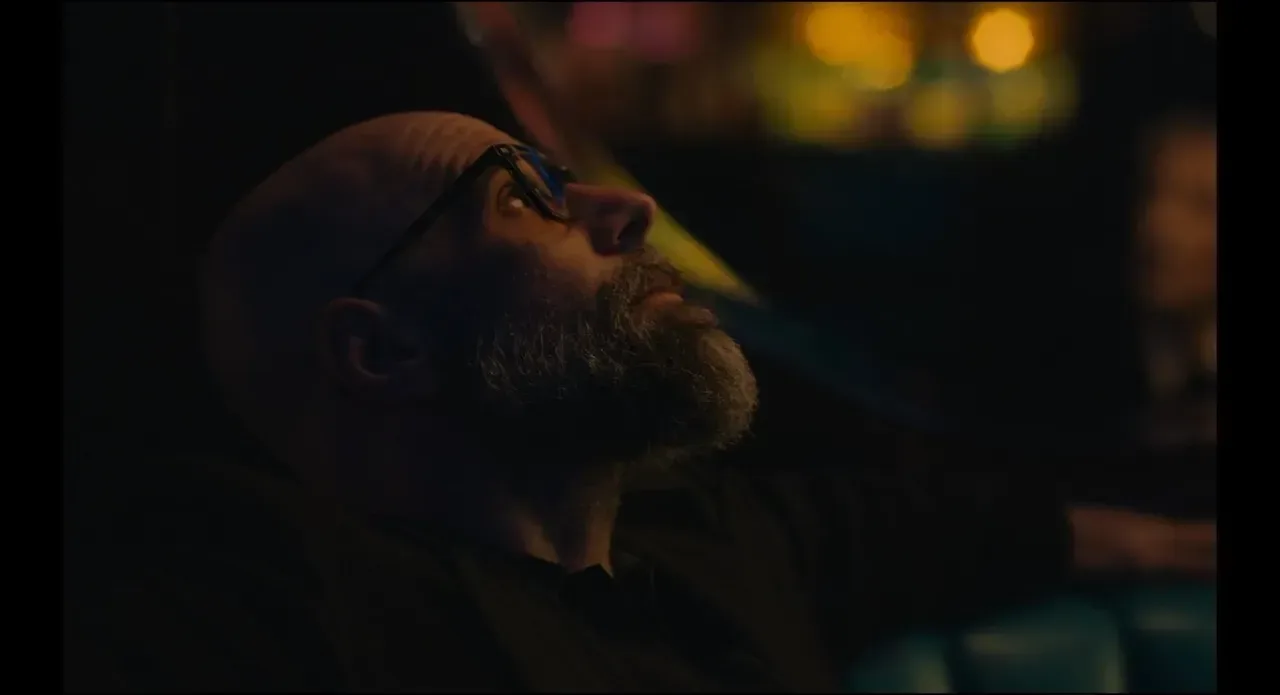
Perretta took on multiple core creative roles: co-writer, director, and composer. Cinematographer Jermaine Canute Edwards photographed Ish in black and white. Black-and-white cinematography means the image is presented through tonal contrast rather than color. It can place added weight on light, shadow, texture, faces, architecture, and the separation between figures and their surroundings.
It is important not to treat black and white as automatic proof of seriousness or realism. It is a formal choice, and its effect depends on how it is used shot by shot. In a story shaped by memory, tension, and a child’s perspective, though, the absence of color can focus attention on expression and environment without asking the audience to read a single fixed emotion into the technique.
Music is another major part of the film’s authored identity. Perretta turned to English folk music while shaping the score during the edit. A score is music written or assembled to support a film’s scenes and pacing, rather than a collection of unrelated songs placed around the narrative. The editing stage is where filmmakers decide the ordering, duration, and rhythm of footage, so developing the score during that period can make music responsive to the film’s final dramatic shape.
English folk music is not presented here as a guarantee of a particular sound or a claim that the film uses traditional songs in a particular way. What is established is that it informed Perretta’s scoring process. That choice creates an interesting counterpoint with Crookes’ presence: the film brings together a contemporary singer with a filmmaker who looked to folk traditions while constructing the music around his drama.
What the distribution deal does—and does not—tell viewers
Watermelon Pictures acquired the North American rights from Global Constellation, with Watermelon’s Munir Atalla and Global Constellation’s Fabien Westerhoff handling the negotiation. The agreement was made at the American Film Market, an industry gathering where companies buy, sell, and arrange distribution for films across territories.
For audiences, the immediate takeaway is simple: Ish has a North American distributor. The deal does not yet establish when it will be released in the region or where it will be available. Until those details are announced, it would be premature to assume a cinema run, a streaming debut, rental availability, or a particular timetable.
Its earlier path nevertheless indicates that the film has already received notable recognition. Ish won the audience award at Venice Critics’ Week, then reached UK and Irish cinemas through BFI Distribution on July 31. Producer Dhiraj Mahey, who made the film alongside Bennett McGhee, also received the Breakthrough Producer prize at the British Independent Film Awards.
Those milestones provide useful context rather than a prediction of how North American viewers will respond. Awards, festival attention, and distribution are separate pieces of a film’s journey. Together, they indicate that Perretta’s first feature has built momentum from festival recognition to a completed UK and Irish release and now a North American rights deal.
For Crookes, that makes Ish a meaningful expansion of an already active creative career. For Perretta, it brings an autobiographically informed debut feature to a wider market. And for prospective viewers, it puts a focused coming-of-age drama—one concerned with what remains after a police encounter—on the North American release horizon, with the crucial questions of date and format still open.