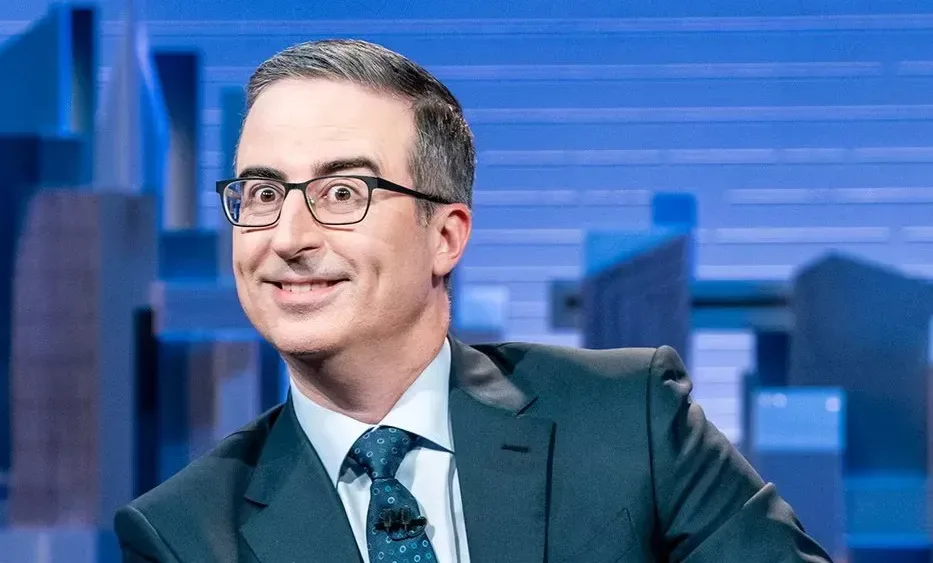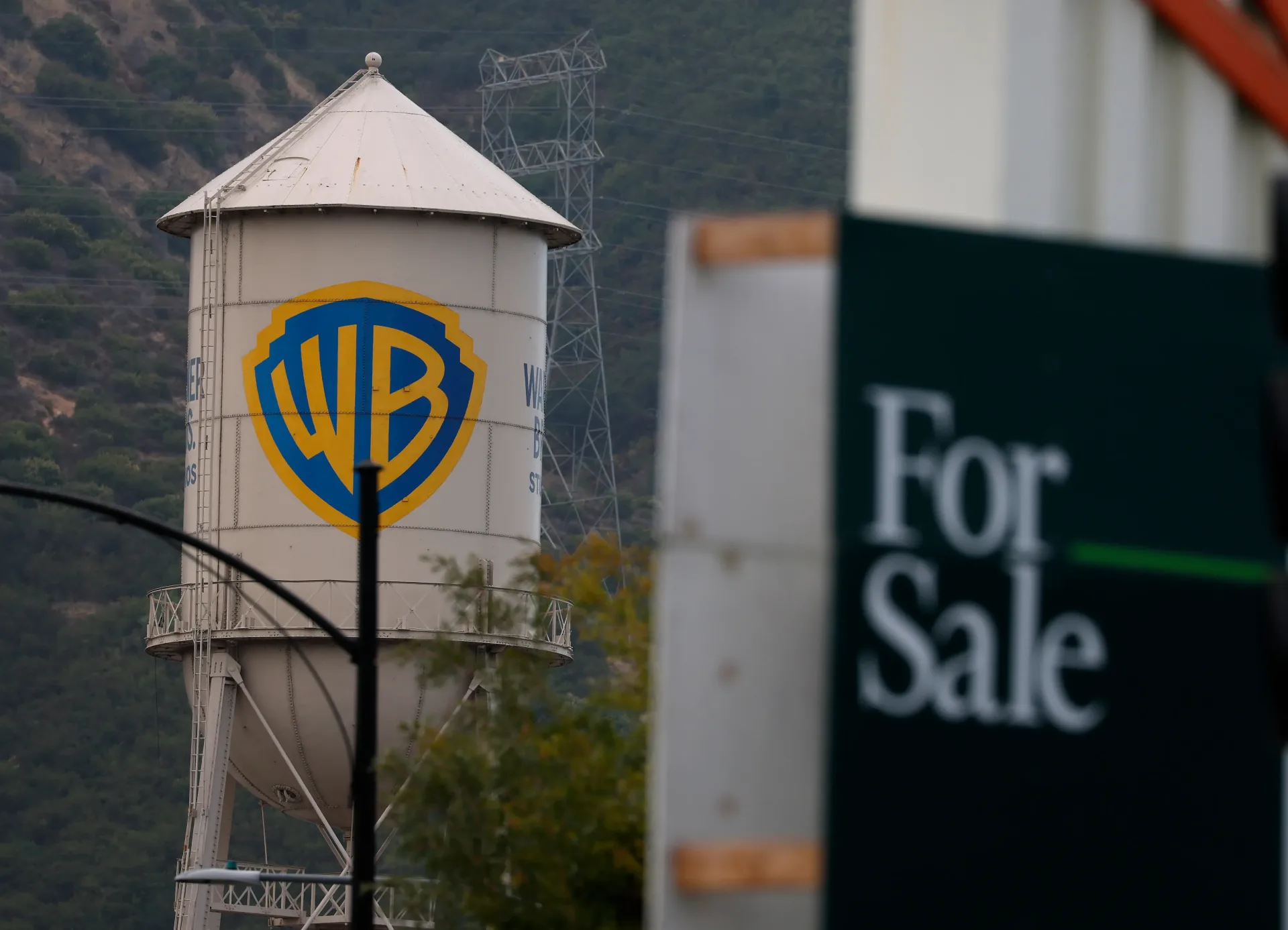
John Oliver did not address the pending combination that would place Warner Bros. Discovery within David Ellison’s newly formed Skydance Corp. during the latest episode of Last Week Tonight. That decision stood out because the deal, described as a $111 billion debt-burdened merger involving Paramount Skydance and Warner Bros. Discovery, is scheduled to officially close on October 6.
Instead, the HBO program devoted its main story to the United States Secret Service: its history of protecting the president, high-profile security breaches, and concerns involving resources, competence and an institutional pressure to do more with less. The segment ended with a fictional recruitment-style ad featuring Adam DeVine and Anders Holm, reuniting the Workaholics performers as agents who are plainly not up to the job.
Oliver has made jokes about the Ellison family on the show before, which made the absence of a response to the corporate news more noticeable. But an episode not mentioning the transaction is not, on its own, evidence of a wider editorial decision. It establishes only the straightforward fact: the latest broadcast chose another subject.
What changed around Warner Bros. Discovery
Skydance Corp. is described as a new Hollywood mega-company bringing together Paramount Skydance and Warner Bros. Discovery. David Ellison and his father, Larry Ellison, acquired the companies through the proposed $111 billion merger, with an October 6 closing date cited for the transaction.
Corporate mergers can sound abstract, but the immediate questions are practical. A merger puts previously separate businesses under common ownership. That normally requires decisions about overlapping operations, organizational structures, budgets and the identity of the combined company. Here, the supplied information says the long-term form of the studio giant remains uncertain, while substantial job cuts are anticipated in the near term. It also says the company will carry the Skydance Corp. name.
For viewers of a program such as Last Week Tonight, the relevant connection is structural rather than thematic: Warner Bros. Discovery is the show’s parent-company home. That does not tell audiences what will happen to the series, how it will be made, or whether its editorial approach will change. None of those outcomes were announced in the material at hand. It does explain why a deal at the parent-company level attracts attention around an HBO show known for discussing powerful institutions.
The larger entertainment-business story also contains reported concerns about potential changes to CNN’s editorial direction, with a comparison drawn to the changes associated with CBS News under Ellison and Bari Weiss. Those are predictions and comparisons about the consequences of new ownership, not proof of a completed outcome at every affected outlet. It is important to keep that distinction intact while the merger is approaching its formal close.
Oliver’s contract offers one fact, not a forecast
Oliver and the Last Week Tonight team extended their contract through 2027 shortly before the merger was finalized. A contract extension is meaningful: it indicates an agreement existed between the program’s team and the company at that point. It should not be treated as an ironclad public guarantee about every future programming decision, particularly amid a major ownership change.
Speculation about the show’s future has grown in part because David Ellison ended Stephen Colbert’s The Late Show. The supplied account raises a possible political dimension to that decision, but presents that connection as presumptive rather than established fact. There is no basis here to state definitively why The Late Show was cancelled, or to conclude that Oliver’s show will be cancelled before its existing agreement runs its course.
That is the central uncertainty surrounding Sunday’s silence. It is understandable for observers to wonder whether Oliver might comment on a deal involving his corporate parent, especially after he has previously ribbed the Ellisons. Yet it would be a leap to turn one omitted topic into confirmation that the show is restricted, threatened or preparing a particular response.
There are several explanations consistent with the available facts: the production may have prioritized its completed Secret Service investigation; the team may address the transaction at another time; or the program may simply decide the deal is not a subject for a given episode. Without an on-air statement, only the first-order observation is solid: the merger and Skydance Corp. rebrand were not addressed in this installment.
The Secret Service segment took the spotlight
The episode’s actual centerpiece was not entertainment consolidation but presidential security. Oliver’s report tracked the Secret Service’s protection role against a backdrop of security failures that have nearly cost President Trump his life. The argument, as summarized in the supplied material, tied the problems to inadequate resources, incompetence and a culture built around accomplishing more with less.
“Doing more with less” is familiar management language. In this context, it means expecting an organization to meet expanding or demanding responsibilities without resources growing at the same pace. The concern raised by the segment is that this expectation becomes especially consequential when the work involves close protection and security.
The comic capstone used a real detail as a setup: the Department of Homeland Security had previously hired filmmaker Michael Bay to make an expensive recruitment advertisement that ran during the Super Bowl. Last Week Tonight answered that premise with its own parody ad. Casting DeVine and Holm as deeply inept agents turned the segment’s institutional criticism into a character-based joke, rather than a discussion of the Skydance transaction.
That programming choice matters because Oliver’s show generally operates through a long-form main story, not a guarantee that every major news development will receive immediate treatment. A topical comedy series can have a single dominant subject on any given night. The absence of a media-merger monologue therefore tells readers more about that episode’s editorial focus than it does about the still-unknown future of the show.
Why the non-mention is still notable
There is a built-in irony in the moment. A program that has previously joked about the family now gaining control of its corporate parent aired while that ownership change drew intense attention—and it chose not to discuss it. The tension is newsworthy without requiring a dramatic interpretation of it.
It also highlights the difference between corporate events and creative work. The deal’s reported scale, its debt burden, the prospect of layoffs and questions around news operations all place it firmly in the business sphere. Meanwhile, Oliver’s broadcast remained a piece of comedy and commentary about the Secret Service. The two subjects overlap through ownership, but they are not the same story.
For now, the practical read is modest. The merger is set to close on October 6. Oliver’s team has a contract extension to 2027. The most recent episode avoided the Ellison-Warner Bros. Discovery development and instead ran a Secret Service investigation capped by a parody recruitment spot. Anything more definitive about the fate, freedom or direction of Last Week Tonight would go beyond what has been established.
The business implications of large media ownership changes remain worth following, particularly when they involve both entertainment and news brands. For another example of how leadership priorities can become an industry story well beyond a single product, see this report on Apple’s reported emphasis on design under John Ternus. The situations are different, but both underscore why organizational decisions receive attention before their full effects are visible.
As for Oliver’s response, there was none on this episode. Whether that changes next week remains an open question.