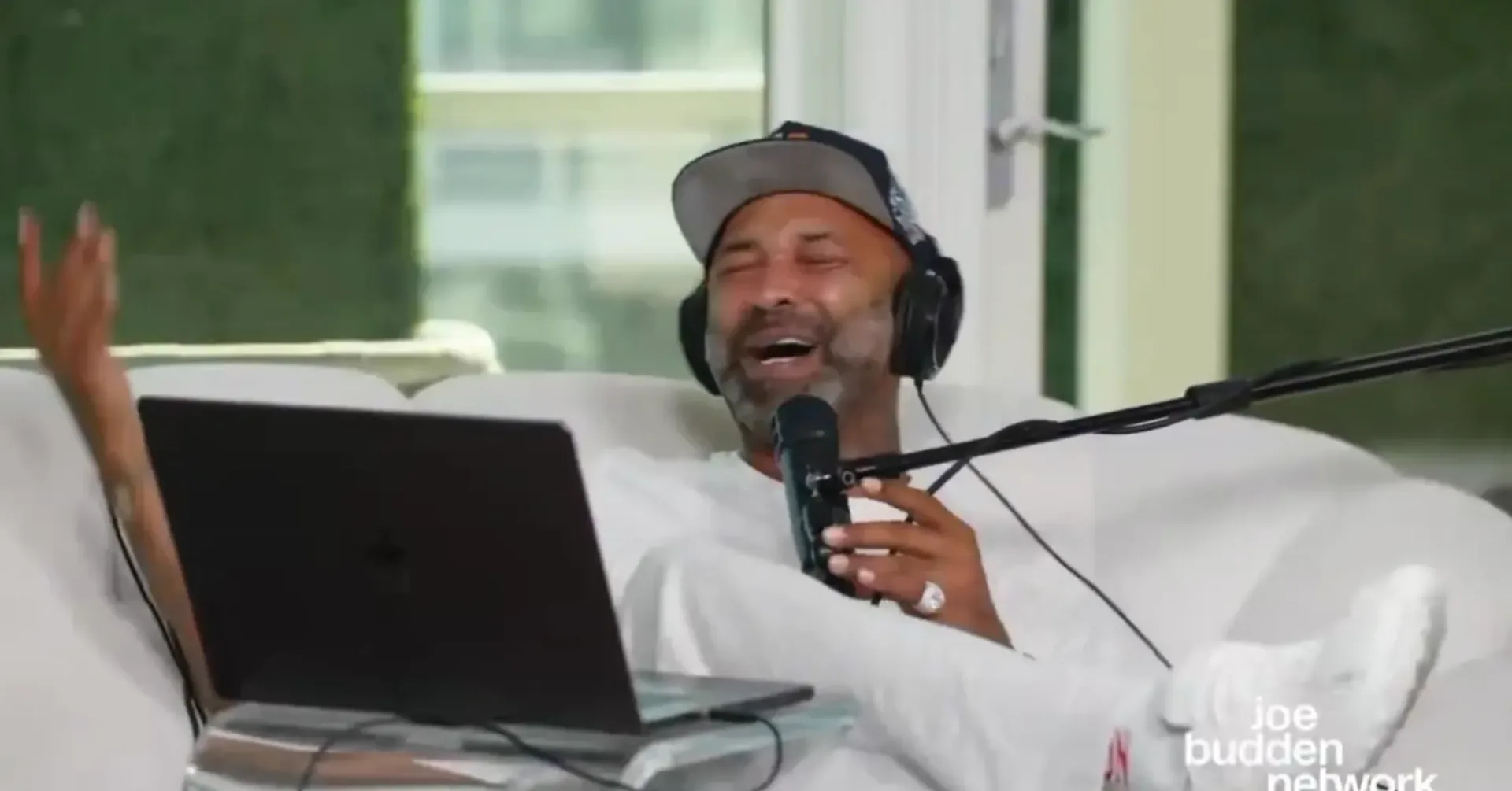
Joe Budden has responded bluntly to a growing complaint among some paying listeners of The Joe Budden Podcast: they want more of the established cast dynamic in premium episodes and fewer interviews with guests they do not already follow.
The disagreement centers on the show’s Patreon offering, where membership levels provide different forms of access. Lower-priced tiers include early access to episodes, while higher-priced subscriptions include episodes not placed on Spotify or YouTube. For a portion of those higher-tier subscribers, the appeal is not merely extra volume. It is the expectation of more conversation from the regular show’s personalities.
Recent guest appearances have put that expectation under pressure. R&B performers Maeta and RL are among the guests cited by dissatisfied listeners. The criticism is not necessarily that the artists lack talent; rather, some subscribers have said they do not know them well enough to view a guest interview as a worthwhile use of a paid exclusive slot.
What subscribers say they are paying for
This is ultimately a dispute about the meaning of “exclusive.” That word can mean content unavailable elsewhere, which the premium episodes are. But audiences often attach a second meaning to it: content that feels especially tailored to the reason they joined in the first place.
For more context, explore Claude Opus 5.5 Arrives With Faster Output, Higher Limits and a Claimed 40% Lower Run Cost.
For listeners who signed up because they enjoy the main cast’s chemistry, a guest-focused installment can feel like a departure from the product they believed they were supporting. Some have voiced that frustration publicly, and some say they have canceled their monthly contribution. Their requested adjustment is straightforward: center more premium programming on the core cast, or select interview subjects with stronger preexisting interest among the paying community.
That does not make interviews an unusual choice for a podcast, nor does it automatically make them a poor fit for a paid feed. A guest can bring a new perspective, reach listeners outside the existing audience, or create an episode that would not exist without the subscription-backed space. The issue is whether the programming mix aligns with what subscribers value most.
Budden’s answer: he will book who he wants
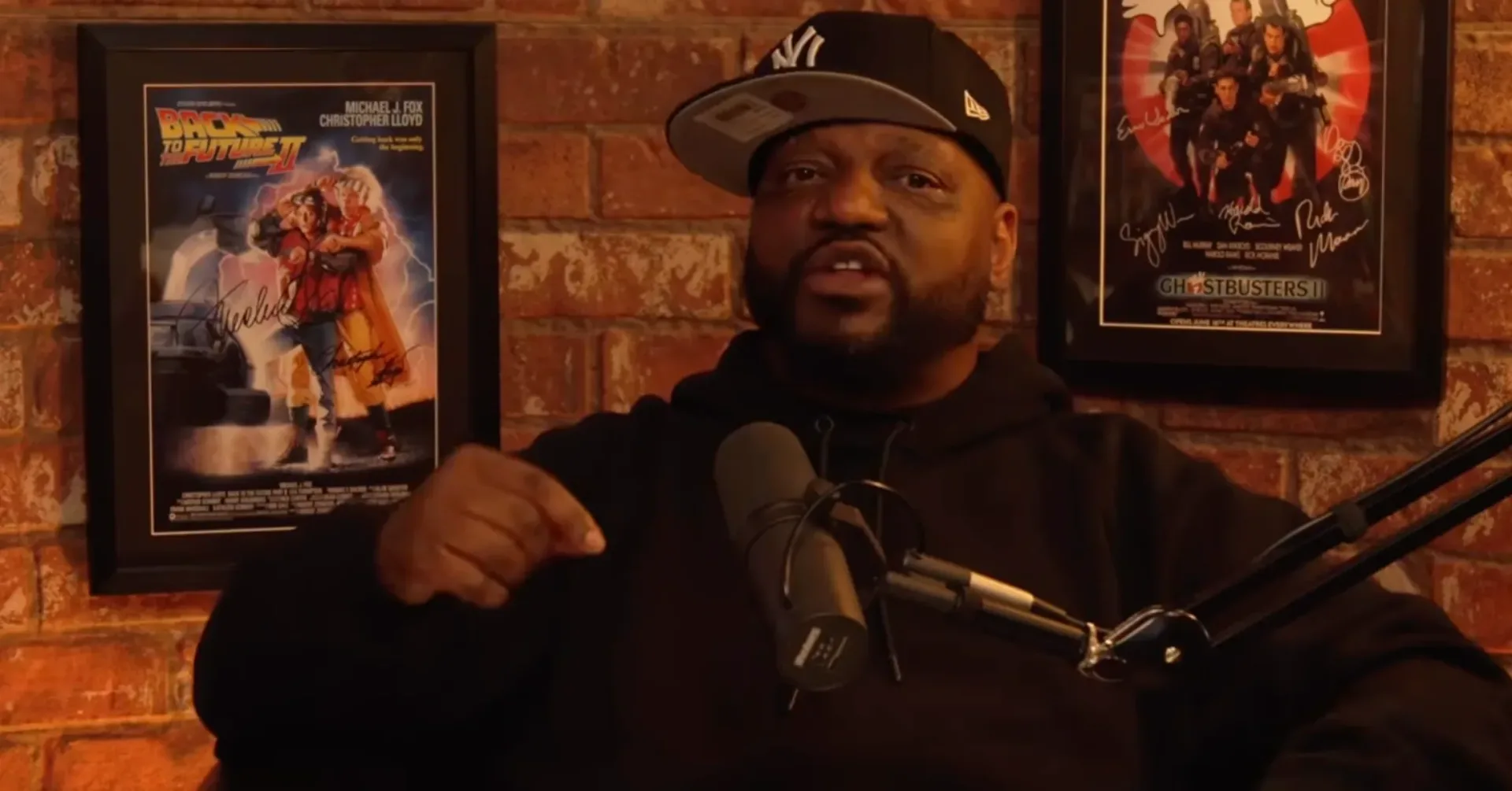
Budden addressed the pushback during an interview with RL, after playing one of the singer’s records. His remarks were confrontational, including an insult directed at critics while making the point that some younger listeners may not appreciate RL’s history or cultural familiarity.
The larger message was unambiguous: Budden does not appear interested in arguing people out of canceling. If a subscriber wants to leave, he is prepared to let that happen rather than reshape the guest list around every complaint. His stance is that he intends to speak with the people he wants to speak with.
That response places creative control ahead of a more customer-service-oriented approach. It also makes the argument clearer than it might otherwise be. This is not a case where the host seems unaware of the feedback or where the concerns are being quietly sidestepped. Budden has seen it and rejects the notion that premium members should dictate each editorial choice.
Why the format question matters
A subscription-supported podcast has two overlapping relationships with its audience. The first is creative: listeners follow a host, cast, or format because they enjoy the work. The second is commercial: members pay recurring fees and decide, month to month, whether the offering remains valuable.
Those relationships can complement one another, but they are not identical. Audiences may be loyal to a creator while still being selective about a particular paid tier. Likewise, a creator can make programming decisions with a long-term view that some current subscribers dislike. The friction becomes particularly visible when a premium feed changes its balance between familiar conversation and outside guests.
“Churn” is the business term for subscribers who stop paying over a given period. No numbers have been provided here, so there is no basis to say how large any cancellation wave may be. Still, the threat of churn is why the criticism matters beyond a loud comment section. A subscription model is recurring by design: the decision is not only whether someone signs up once, but whether they believe the next billing cycle is justified.
At the same time, not every complaint translates into a meaningful loss of support. Vocal dissatisfaction can be real without representing the entire membership. Some listeners may welcome interviews or simply value having more material that cannot be found on the show’s free distribution channels. Others may be indifferent to the format as long as the overall volume of content remains high.
Guest interviews versus cast chemistry is not a simple quality contest
It would be too simple to frame the disagreement as interviews being inherently worse than cast-led episodes. The two formats serve different purposes. A regular ensemble discussion relies on familiarity, running themes, disagreement, and the feeling that listeners know the people talking. An interview can introduce an artist’s work or give a guest the room to explain their own story.
In this case, critics are emphasizing relevance and recognition. They may not dispute that Maeta or RL are legitimate artists; they are saying familiarity affects their willingness to watch. That is a practical point in a paid environment. A listener who does not recognize a guest may skip an episode, and repeated skips can change how they judge the subscription’s value.
Budden’s apparent counterargument is equally practical from a creator’s perspective. If every booking decision is determined by immediate audience familiarity, the show’s range narrows. Established figures, emerging artists, and guests with a story worth telling might be excluded because a segment of the audience does not already know them. A host may reasonably see that as a constraint rather than useful guidance.
The real question is not whether either side is entitled to total control. Paying members can choose whether to continue their subscriptions; Budden can choose the editorial direction. The marketplace mechanism is simple, even if the conversation around it is heated.
The premium-content promise is often about clarity
For creators with tiered membership systems, this kind of dispute underlines the value of clear expectations. Tiers can describe access accurately while still leaving room for different interpretations of the content itself. “Exclusive episode” explains where an episode can be found, but it does not necessarily tell a prospective member whether it will be a cast discussion, a guest interview, or a mix of both.
That ambiguity is not proof of wrongdoing. Variety is often part of programming. But when complaints cluster around a particular type of episode, it shows that some members were buying an imagined experience rather than just access. The mismatch can be reduced by communicating the intended role of the premium feed, whether that means cast-first material, interview-led programming, or a deliberately changing blend.
There is also a difference between feedback and a mandate. Subscribers can explain what makes them stay or leave; that information may be useful even when a host rejects it. But subscribing does not automatically give an audience the power to pre-approve guests. Budden’s response embraces that distinction in unusually sharp terms.
What to watch next
The available facts do not establish whether the backlash will materially affect the show’s Patreon business. Claims of canceled subscriptions show dissatisfaction among at least some members, but they do not reveal the scale of cancellations, retention elsewhere in the audience, or how much the guest format contributes to the platform’s overall appeal.
What is clear is that Budden has chosen not to offer a conciliatory promise of fewer guests. The podcast’s premium strategy, at least in this moment, remains tied to his freedom to make the conversations he wants rather than to a demand for exclusively cast-centered episodes.
That approach may retain listeners who value Budden’s judgment and the possibility of unexpected guests. It may also prompt others to reassess whether the higher tiers match their interests. Either outcome is more informative than the initial argument alone: in a recurring membership model, audience approval is expressed not just in replies, but in whether members decide the next month of access is worth keeping.