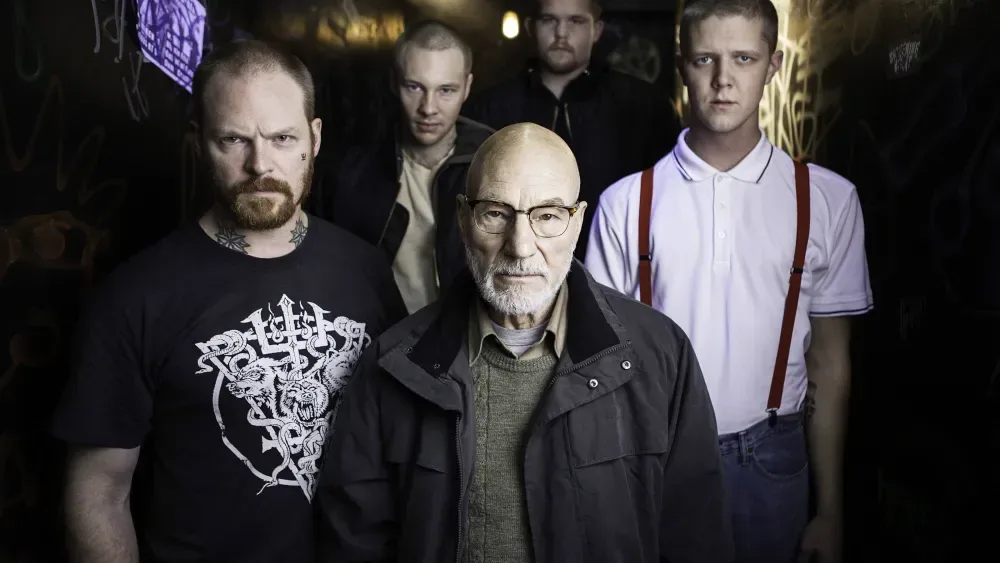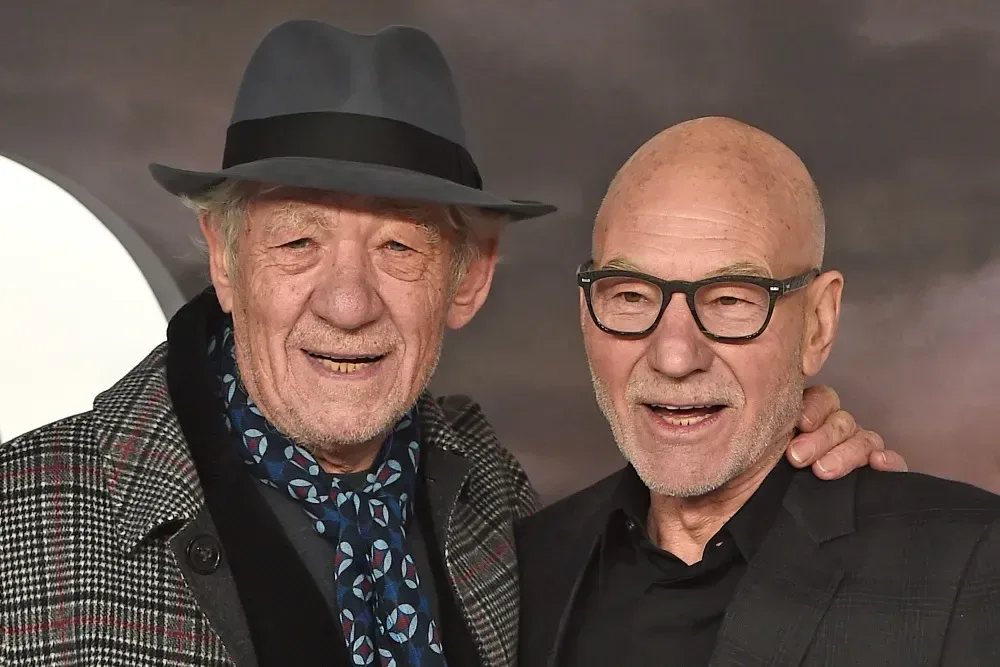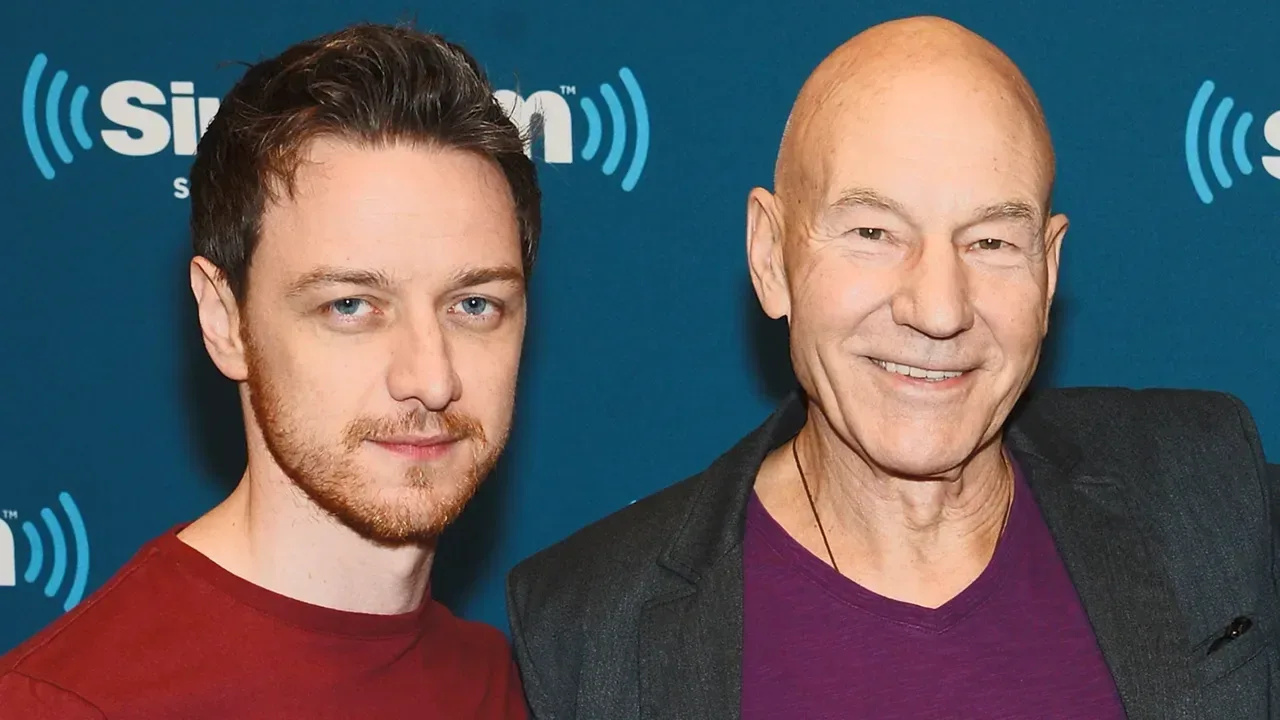
Jeremy Saulnier used a 10th-anniversary screening of Green Room in Los Angeles to honor Patrick Stewart, describing the late actor as the person who changed the course of the 2015 film when its production was in jeopardy.
Stewart died Thursday at age 86, following what a statement posted to his Instagram account described as a brief battle with Alzheimer’s and Lewy Body Dementia. At Friday’s screening, Saulnier set aside plans to promote Slayground and instead focused his introduction on the actor’s contribution to a movie that, in his recollection, came perilously close to not happening.
“Who’s sad as fuck we lost Patrick Stewart yesterday? Me,” Saulnier told the audience. He said Stewart had many other opportunities and “had no business doing this movie,” a blunt but affectionate way of emphasizing how surprising the casting felt from the filmmaker’s perspective.
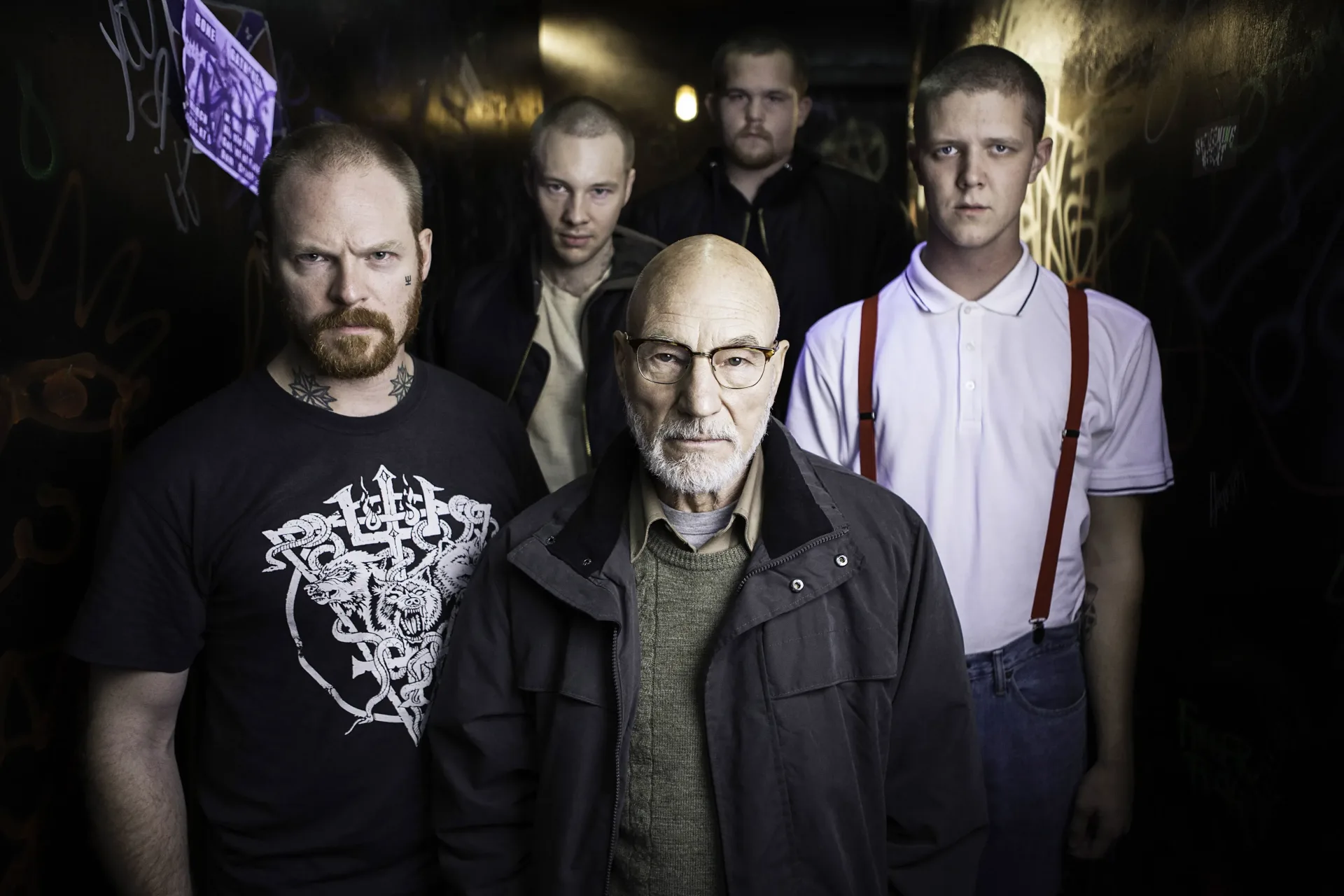
That surprise matters because Stewart did not simply join an already-secure production. Saulnier said the project had reached “the point of no return” without anyone cast as Darcy Banker, the skinhead leader Stewart would play. The director said the team was close to shutting down and potentially dismantling the sets.
An unexpected yes at a critical moment
In film production terms, a project can have locations, sets, crew plans, and a creative team in place while still remaining vulnerable if a major role is uncast. A prominent actor’s commitment can change that equation. It can reassure backers, strengthen the project’s perceived viability, and give a production the momentum needed to proceed. Saulnier’s account positions Stewart’s interest as exactly that kind of turning point.
Stewart, Saulnier said, expressed interest in Green Room unexpectedly. Roughly a week later, the director was speaking with him. Saulnier recalled walking away from the stage at one point with the thought that the production might have to close down; Stewart’s decision altered that outcome.
“Instead, this dude came out of nowhere, from way above our sort of zone, and just swooped down, nosedived into our cruddy ass movie and saved us, and said yes,” Saulnier said. “And the movie was instantly greenlit; we moved forward.”
The language is deliberately informal, but the underlying point is direct: Saulnier credits Stewart with helping get the film across the line. For a tense, contained thriller such as Green Room, the casting of its central antagonist is not merely a marketing concern. Darcy Banker is a character whose authority must be accepted quickly. The performance needs to establish control without turning the role into a caricature, particularly because the character stands opposite a group trapped in a violent and escalating situation.
Related coverage includes Jeremy Saulnier Recalls Patrick Stewart Saving ‘Green Room’.
Stewart had a career-long screen presence that made that task plausible on its face. He was widely known as Captain Jean-Luc Picard in Star Trek: The Next Generation and as Professor Charles Xavier in the X-Men films, roles that frequently leaned on poise, intelligence, authority, and verbal precision. Saulnier’s story suggests that those familiar qualities made Stewart’s involvement a major vote of confidence in a much harsher, smaller-scale film.
Stewart’s willingness to match the film’s tone
Saulnier also recalled Stewart as a generous collaborator rather than a distant star arriving to lend a recognizable name. He called him a “true gentleman” and a kind leader for the cast, then offered one very small anecdote to show how fully the actor had embraced the movie’s voice.
Stewart approached Saulnier with a proposed addition to a scene. The addition was only one word: “Fuck.” Saulnier said Stewart wanted to say it as the camera came through during a particular moment. The director approved it immediately.
It is a modest detail, but it captures what Saulnier valued in the performance. He said the exchange made him feel Stewart was aligned with the film’s aesthetic, intentions, and with him as a filmmaker. In other words, the actor was not treating the material as beneath him or playing against its rough-edged atmosphere. He understood the rhythm and severity Saulnier was pursuing, down to the value of a brief, sharply placed line.
That sort of alignment is particularly meaningful in a film where tone is structural. A thriller can have the mechanics of suspense—confinement, threat, uncertainty, escalating stakes—yet still fail if its performances seem to belong to different movies. Saulnier’s memory is not an assessment of a single piece of dialogue so much as an account of trust: Stewart recognized the register of the project and wanted to serve it precisely.
A tribute centered on the work
The setting of the remarks gave the tribute an unusually immediate quality. The screening marked 10 years since Green Room, but Stewart had died only the day before. Rather than offering a broad retrospective of Stewart’s entire career, Saulnier concentrated on the moment their paths crossed and the concrete impact it had on one film.
That focus makes the remembrance less about celebrity proximity than about creative risk. Saulnier portrayed Stewart as an established actor who could have chosen a safer or more conventional project but instead took a chance on a film whose production was struggling. The director’s gratitude was tied to both the practical consequence—the film moved forward—and the interpersonal one: Stewart was, by Saulnier’s description, warm, engaged, and supportive on set.
For audiences revisiting Green Room, the account adds a new dimension to Stewart’s Darcy Banker. The role exists in sharp contrast with the heroic and mentor-like characters through which many viewers first knew him. Yet Saulnier’s recollection argues that the contrast was part of the point. Stewart did not merely bring name recognition; he brought a willingness to enter the film’s abrasive world and follow its sensibility.
It is also a reminder that cast lists can conceal the fragility of how a finished film came together. Once a movie is released, its major roles can feel inevitable. Saulnier’s remarks make clear that Darcy Banker was not inevitable at all. With no actor in the part and the project nearing a halt, Green Room faced a far less certain future. Stewart’s decision to participate, Saulnier said, turned that uncertainty into a green light.
Why the story resonates beyond one casting decision
Stewart’s most famous work spans major franchises, television, and film, but Saulnier’s story highlights the significance an established performer can have on an independent-minded production without turning that contribution into a victory lap. The director did not frame Stewart’s participation as an act of rescue in abstract terms. He explained the stakes: no Darcy Banker, a production at risk of shutting down, and an actor whose commitment immediately changed the picture.
The episode also speaks to the way performers can shape a production before cameras roll. Acting is the visible part of the work, but a cast member’s attachment can be consequential earlier, affecting confidence around a project and whether it gets to make the leap from preparation to production. Saulnier’s claim that the movie was greenlit after Stewart agreed places the actor’s influence at that crucial earlier stage.
That practical impact and the later on-set rapport are inseparable in Saulnier’s tribute. Stewart helped make Green Room possible, then apparently met its demands with the same seriousness he brought to much larger productions. Saulnier’s story of the single-word request is funny because of how minimal it is, but it also conveys a performer attentive to the smallest tool available: one line, one beat, one carefully timed expression of the character’s mood.
In that sense, the 10th-anniversary screening became a commemoration of more than the movie’s release. It became a chance for its writer-director to explain why Stewart’s name belongs so centrally to the film’s history. Saulnier’s message was unequivocal: when Green Room was in danger of ending before it began, Stewart took the project seriously, said yes, and helped ensure there was a film to screen a decade later.
Stewart’s career will remain closely associated with Picard and Xavier, but Saulnier’s tribute preserves another part of his legacy: an actor with enough stature to steady a troubled production, enough range to take on Darcy Banker, and enough collaborative instinct to ask whether one well-timed “Fuck” might make a scene land. For more on actors discussing the physical and creative demands of specific scenes, see Paul Bettany’s account of an overdone VisionQuest scene.