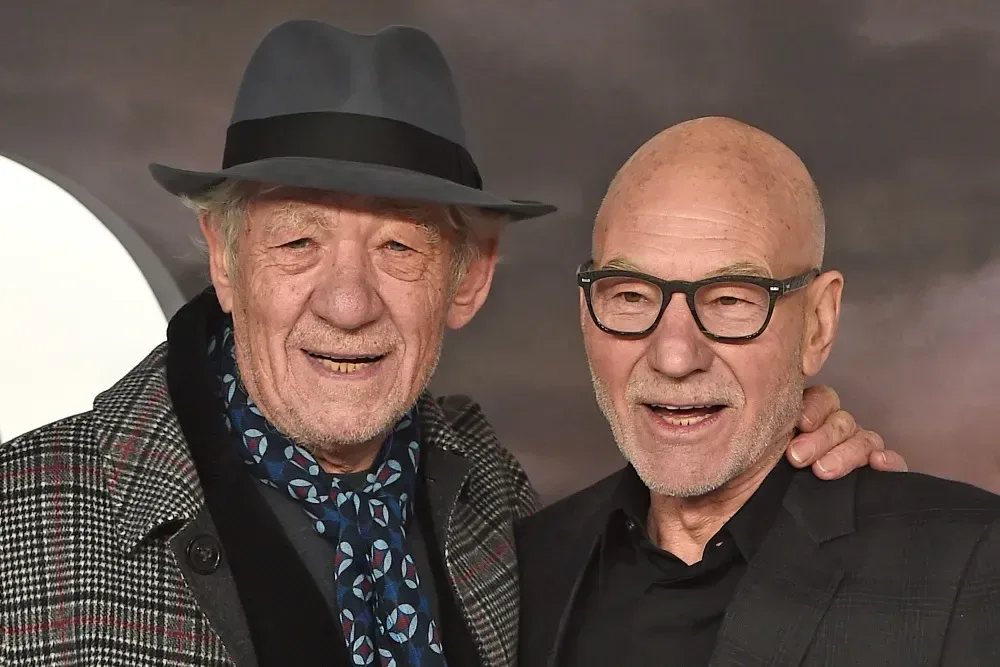
Ian McKellen has remembered Patrick Stewart as a fiercely honest Yorkshireman, a treasured friend and an actor whose career refused the supposed choice between serious theatre and global screen fame. Stewart died Thursday at 86 after suffering from Alzheimer’s and Lewy Body Dementia.
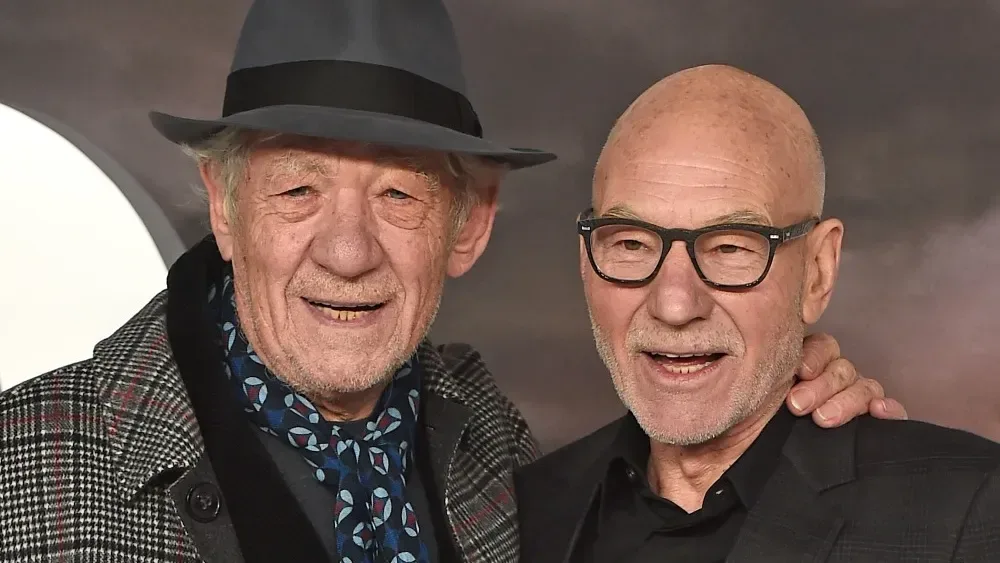
In a personal Instagram tribute, McKellen placed Stewart’s Yorkshire roots at the center of the remembrance. He described an actor whose accent, candour and emotional openness stayed intact through an international career that reached television, blockbuster cinema, London theatre and Broadway. McKellen’s description of Stewart as someone who “wore his heart on his sleeve” also captures what made their friendship so visible to audiences: the pair never seemed interested in disguising their affection for one another.
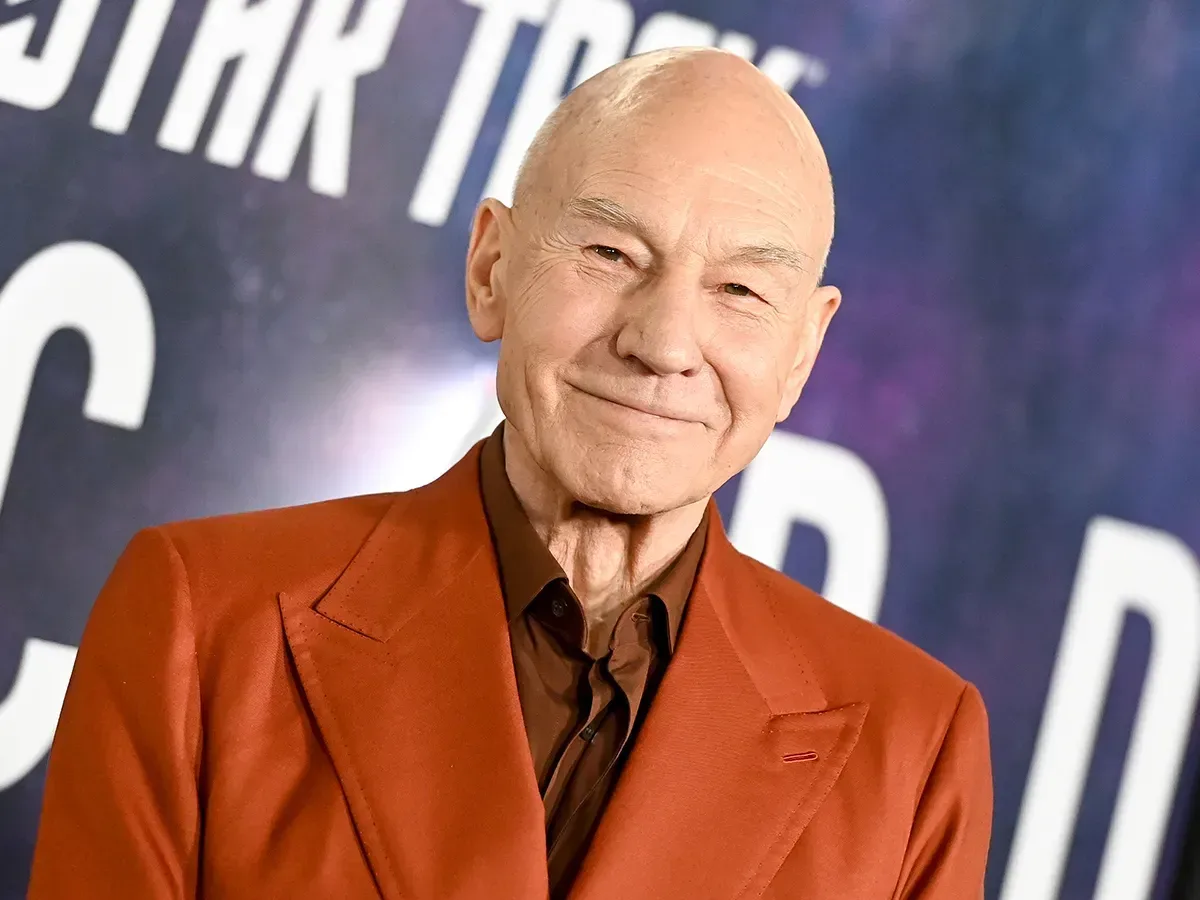
For fans, Stewart’s body of work will naturally bring several landmark roles to mind: Captain Jean-Luc Picard in Star Trek, Professor Charles Xavier in the X-Men films, and a range of celebrated stage parts. Yet McKellen’s tribute offers a useful reminder that the apparent ease with which Stewart crossed those worlds was not preordained. It involved a risk that McKellen himself recalled questioning when Stewart was considering the Star Trek opportunity.
A career that joined theatre and blockbuster culture
McKellen and Stewart first encountered each other as young actors associated with the Royal Shakespeare Company roughly half a century ago, although they were not performing in the same productions. McKellen later remembered meeting Stewart in central London when Stewart had been offered the chance to take over a leading role in Star Trek.
His concern was straightforward: a long American television commitment might pull Stewart away from the UK stage work that had defined so much of his early career. That concern makes sense in the context McKellen describes. For a classically trained actor, theatre was not merely a stop on the way to screen recognition; it was a continuing artistic practice, with repertory, live audiences and demanding dramatic language at its core.
Stewart’s subsequent career made the either-or premise look too narrow. His screen visibility did not end his theatrical work. Instead, it gave him the platform to appear in major plays by Shakespeare, Henrik Ibsen, Arthur Miller, Peter Shaffer, Harold Pinter and Samuel Beckett, with productions staged at Stratford-upon-Avon, in London’s West End and on Broadway.
That is the important practical meaning behind McKellen’s recollection. “Classical theatre” is sometimes used loosely as shorthand for prestige drama, but here it refers to the substantial dramatic tradition Stewart continued to serve alongside screen work. The achievement was not simply appearing in both media; it was sustaining public trust in both. McKellen’s tribute frames Stewart’s celebrity as something he put back into theatre rather than something that replaced it.
Professor X and Magneto: a friendship audiences could see
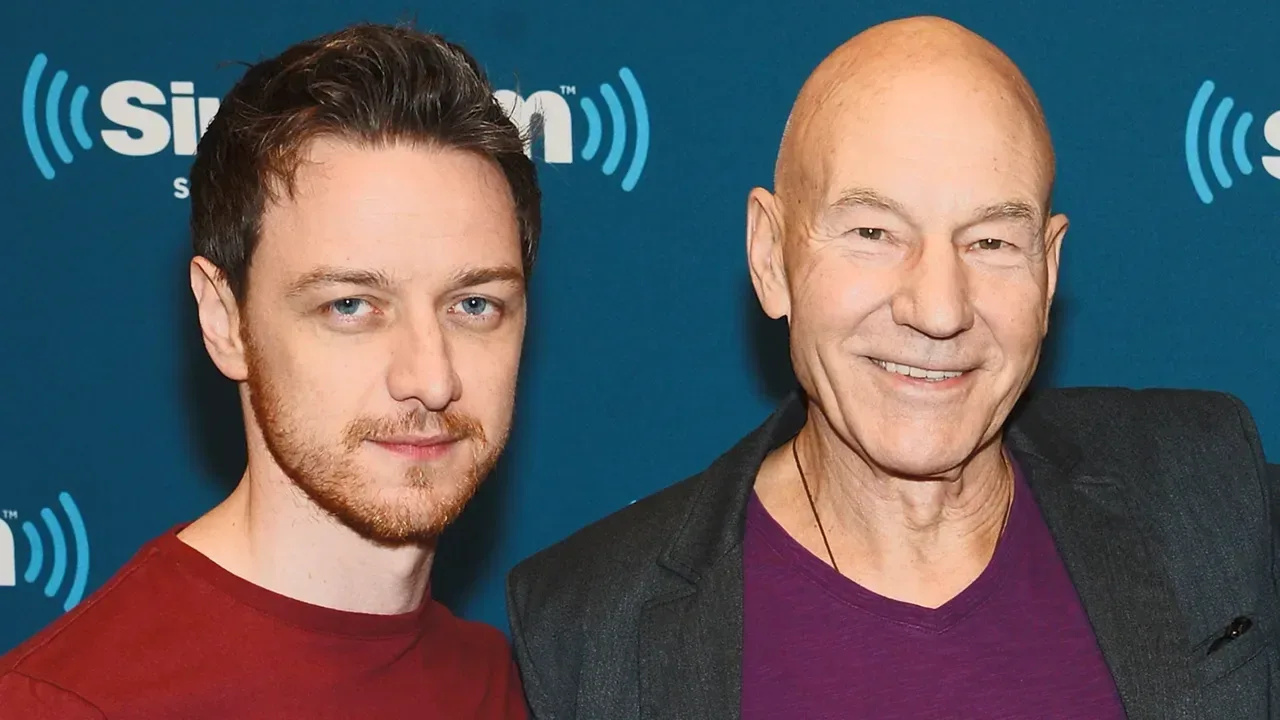
Stewart and McKellen became especially familiar to film audiences through the X-Men series, playing Professor X and Magneto. Their characters occupy opposing ideological positions in stories about mutants and human society, but the actors’ off-screen rapport became one of the franchise’s most enduring human stories.
Related coverage includes Ian McKellen Remembers Patrick Stewart’s Yorkshire Pride and Lasting Friendship.
They appeared together in X-Men in 2000, followed by X2 in 2003 and X-Men: The Last Stand in 2006. They later made cameos in The Wolverine in 2013 and returned more fully in X-Men: Days of Future Past in 2014. Stewart also appeared in 2017’s Logan.
In a 2020 interview, Stewart explained that the friendship deepened amid the downtime of a large-scale film production. Their trailers were next to one another, and the hours between scenes gave them time to talk over tea and, sometimes, a stronger afternoon drink. The account is pleasantly ordinary. It cuts through the scale of superhero filmmaking to show how a durable bond can grow from the unglamorous pauses built into a production day.
The pair’s warmth was never treated as a private fact that had to be carefully concealed. They were frequently photographed kissing at red-carpet events and spoke about each other with overt fondness. McKellen also officiated Stewart’s 2013 marriage to Sunny Ozell. Stewart later joked that he was in love with McKellen, while noting that Ozell was too.
That openness matters because their friendship became part of the appeal surrounding their shared projects without becoming a substitute for the work. Viewers could appreciate the charged conflict of Professor X and Magneto while also knowing the performers behind it had real trust and affection. It gave their scenes an extra resonance, but the friendship was clearly far larger than any one franchise.
McKellen’s tribute also makes clear that Ozell was central to Stewart’s life, describing her care through illness and health. In a remembrance focused on professional accomplishment, that acknowledgement keeps the emphasis on the personal relationships that existed beyond awards, famous characters and premieres.
The stage partnership continued after X-Men
McKellen and Stewart did not leave their collaboration in the superhero genre. In 2013, they performed in a Broadway production that paired Beckett’s Waiting for Godot with Pinter’s No Man’s Land. They returned to No Man’s Land in London’s West End in 2016.
The pairing of those plays underlines the range of their relationship as performers. Waiting for Godot is Beckett’s spare, influential drama about two men waiting for someone who does not arrive, while No Man’s Land is Pinter’s play of memory, language and power. The works are very different in texture, but both depend heavily on the precision of dialogue and the interaction between actors. For two performers associated in popular culture with telepathy, mutants and spacefaring command, the stage work was a reminder of the craft that had shaped their careers in the first place.
It also complicates the idea that the actors’ professional connection began with their superhero roles. Their history reached back to the Royal Shakespeare Company, then moved through cinema and eventually returned to high-profile stage collaborations. The recurring thread was not a corporate universe or a one-off reunion; it was a shared grounding in acting and a friendship that developed across decades.
Yorkshire, America and a lasting local connection
McKellen’s remembrance does not present Stewart’s American success as a rejection of where he came from. America was Stewart’s adopted home, where he met Ozell, but McKellen stressed that Stewart retained a strong connection to Yorkshire. He identified Stewart’s appointment as Chancellor of the University of Huddersfield as a particular source of pride.
The detail is revealing because it is not another film credit. A chancellor is a ceremonial leadership role at a university, often held by a prominent figure who represents and supports the institution. McKellen’s choice to highlight it suggests that Stewart valued recognition tied to place as deeply as recognition tied to entertainment-industry status.
For audiences who knew Stewart primarily through American genre franchises, this is a fuller picture: an actor with a global profile, a home in the United States, a major relationship with British theatre and a lasting sense of belonging to Yorkshire. Those elements are not competing versions of his life. In McKellen’s account, they explain one another.
What Avengers: Doomsday means now
McKellen noted that Stewart’s farewell performance in Avengers: Doomsday has yet to be seen. Both actors appear in the film, which is set for release this December. That makes the forthcoming film a final shared screen credit, while also leaving audiences with an unavoidable uncertainty: the scope and shape of Stewart’s appearance have not been detailed here.
It would be premature to turn that unreleased performance into a fixed statement about Stewart’s legacy. Its place in the film will become clear only when the movie arrives. What is already clear is why it will carry added emotional weight. Stewart’s screen career included a defining role in the earlier X-Men films, and the film will reunite him onscreen with McKellen after a creative partnership that encompassed superhero cinema and theatre.
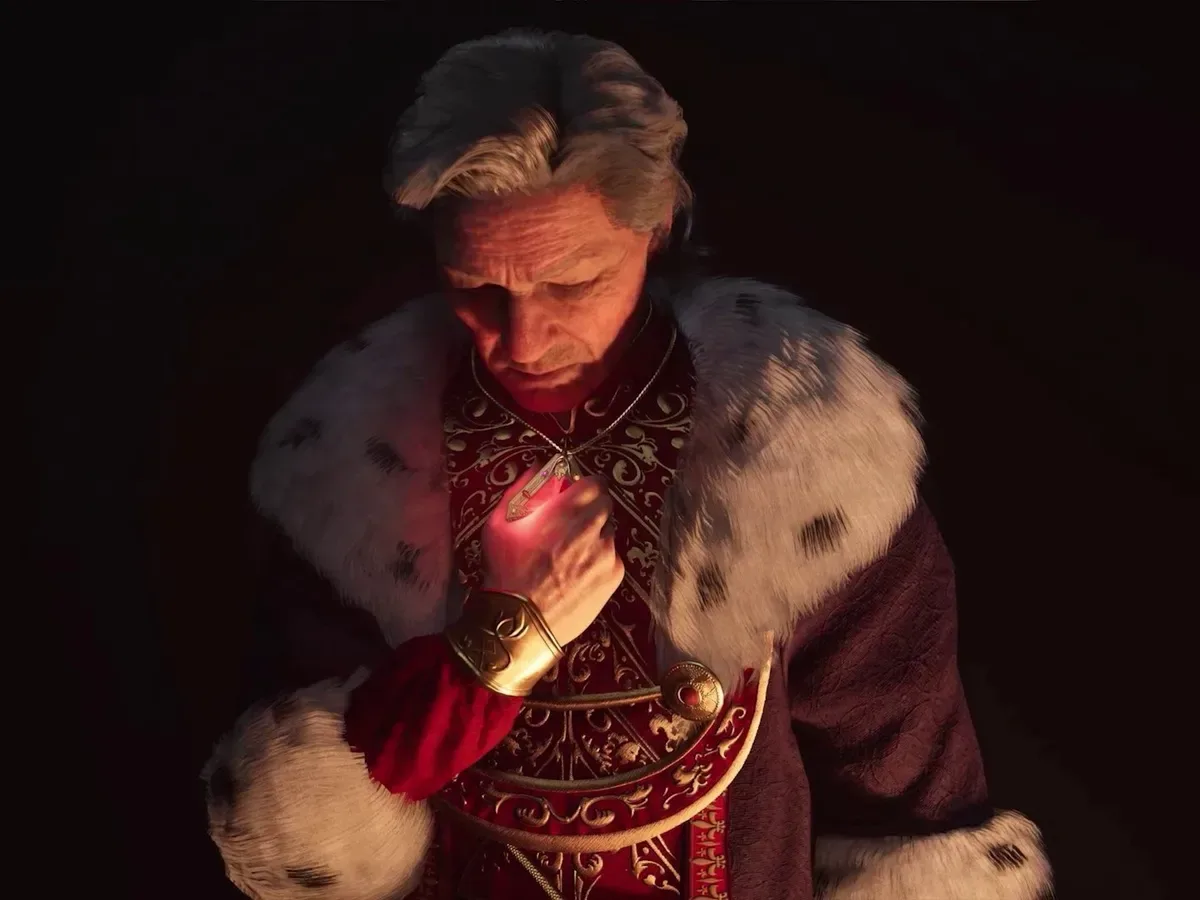
Stewart’s influence reaches games as well as film and television. His work as Emperor Uriel Septim in The Elder Scrolls IV: Oblivion remains a particularly remembered contribution for players; his role in Oblivion’s opening shows another way his voice and presence became part of a major fictional world.
McKellen’s words ultimately resist reducing Stewart to an icon, however beloved the roles may be. They describe a friend with forthright convictions, a devoted Yorkshire identity, a love of theatre and a willingness to take a career-defining chance. The result is a tribute that honors Captain Picard and Professor X without mistaking either character for the man who played them.