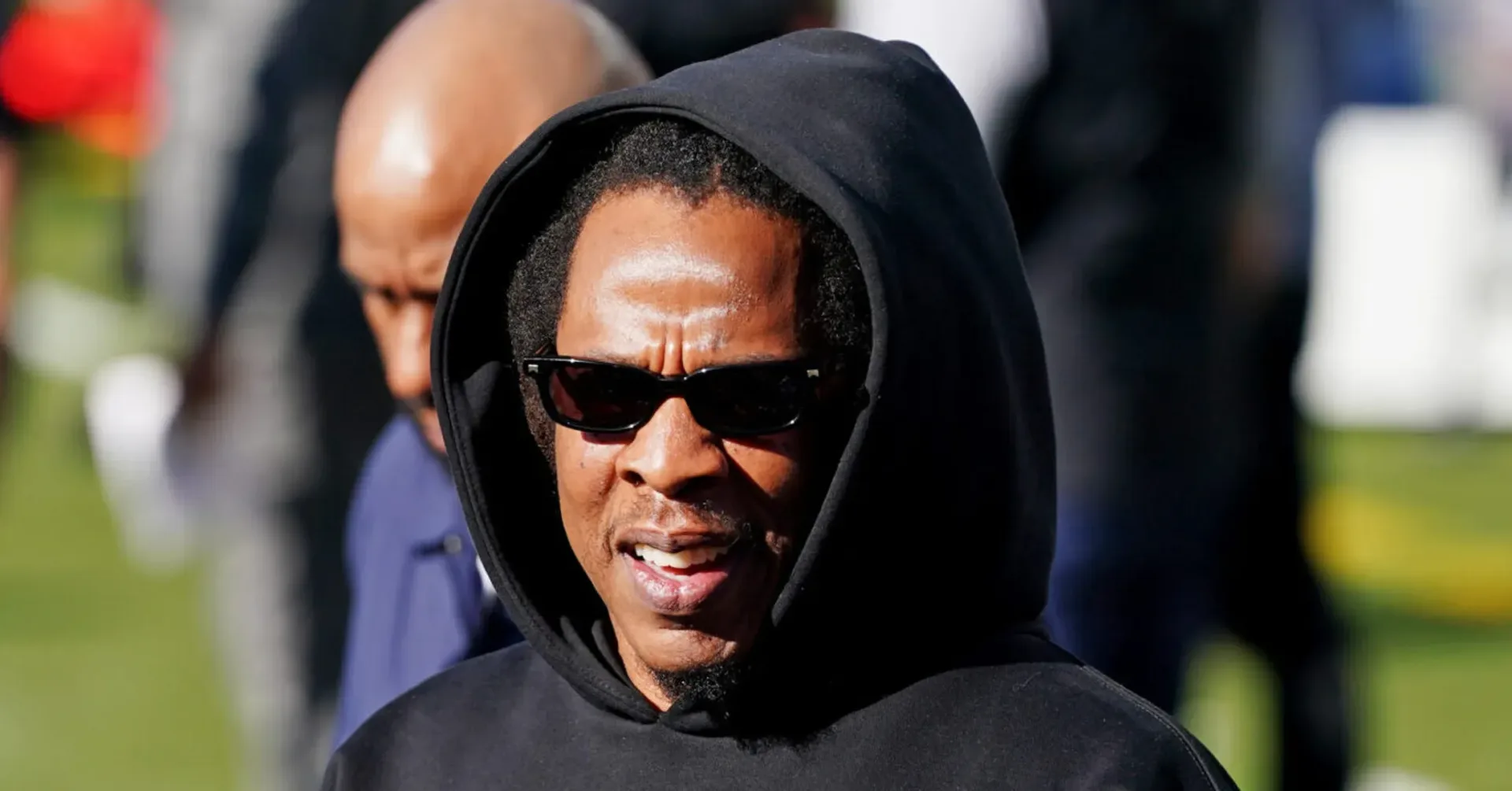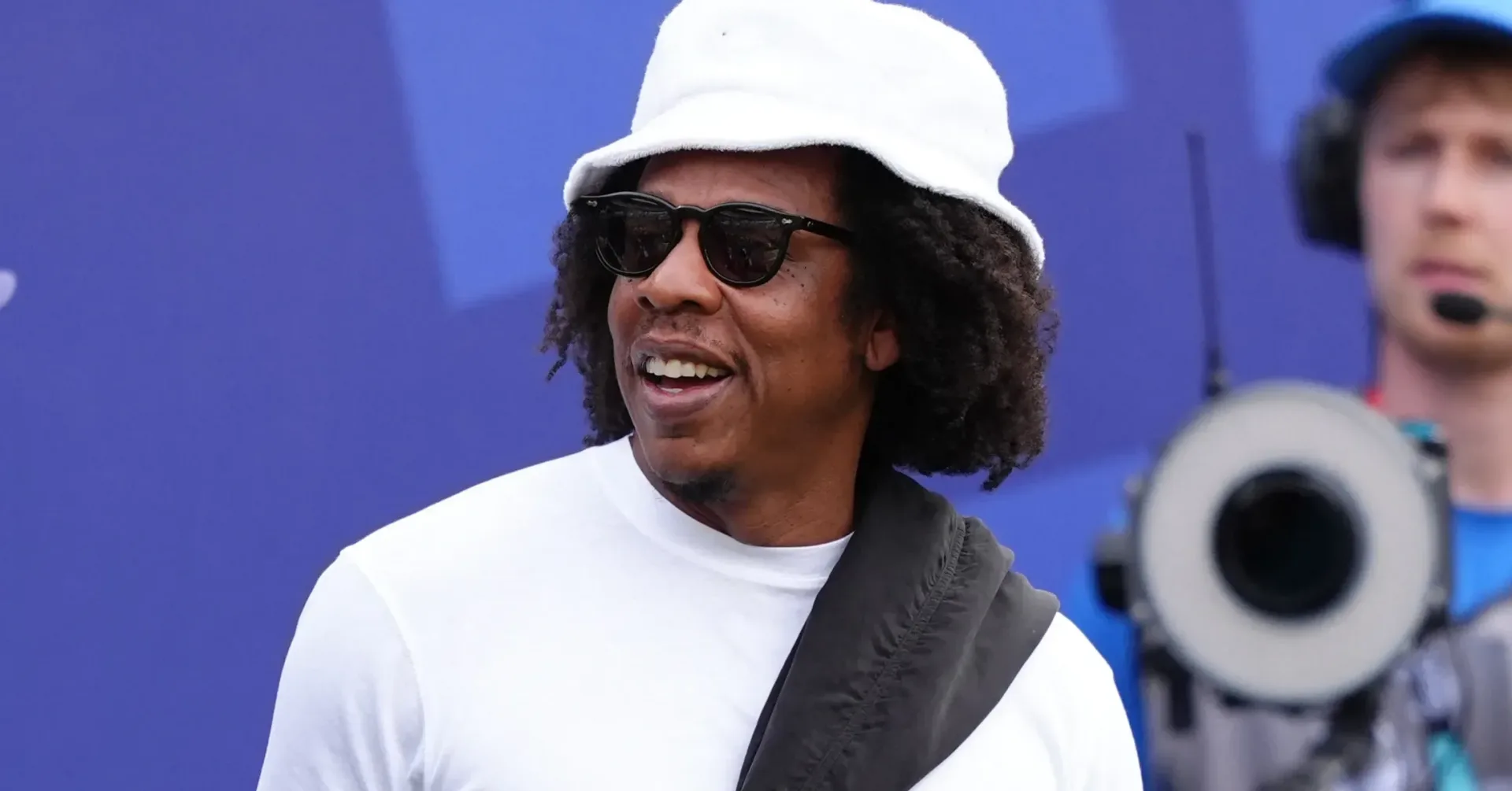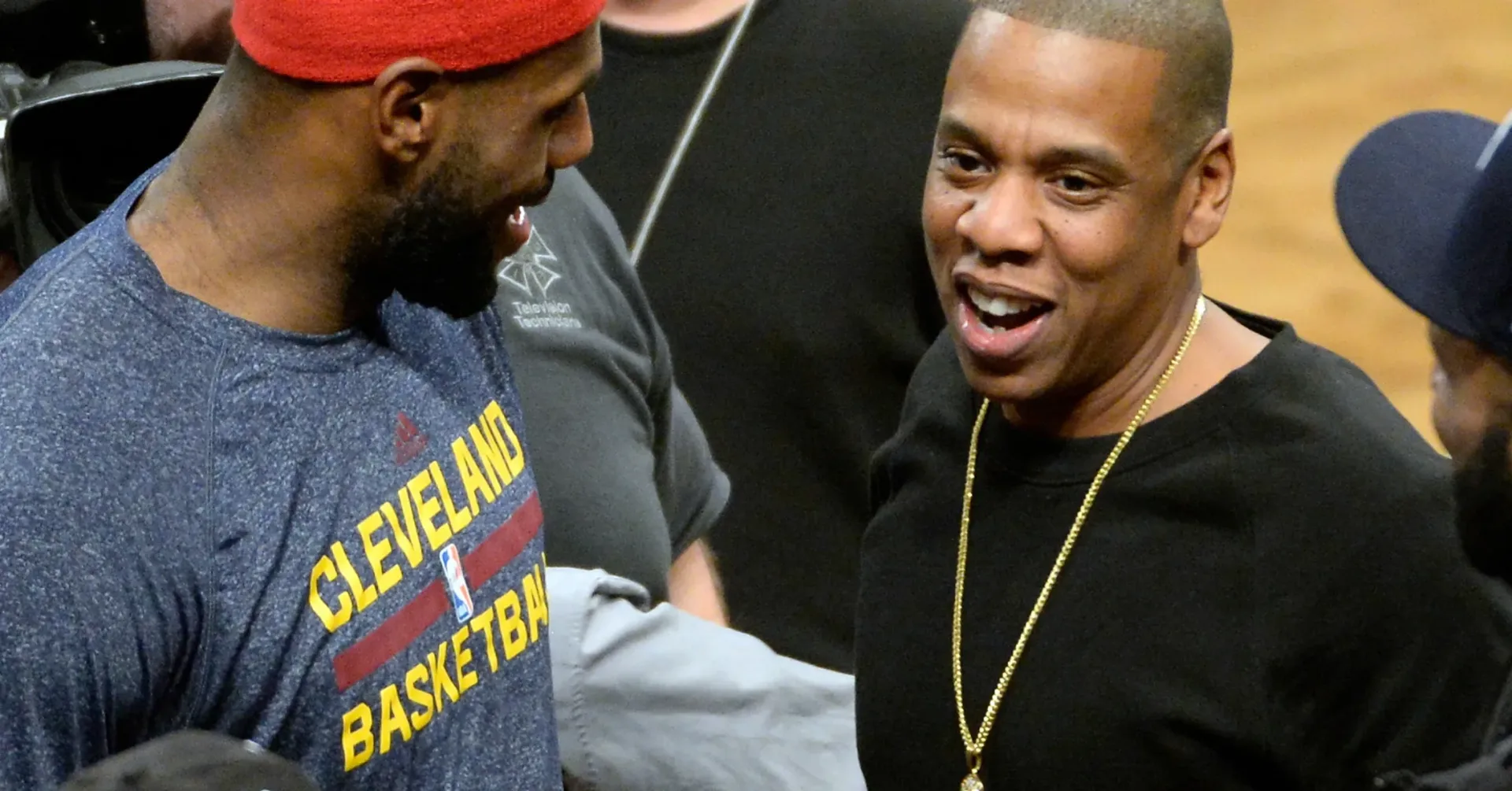
Jay-Z has offered a measured new account of his landmark rivalry with Nas, framing the conflict less as a lasting personal grievance than as an intense competitive chapter between two artists. Speaking with Rick Rubin during the final episodes of JAY-Z in 8, Jay-Z revisited the chain of perceptions, missed expectations and lyrical responses that ultimately fed into “Takeover” and Nas’ answer, “Ether.”
“It got personal, but it wasn’t really personal,” Jay-Z said. “It was just like more of competition.” That distinction is the center of his reflection. The dispute could sound and feel personal in the music, yet Jay-Z now characterizes its underlying engine as rivalry: two major rap voices pushing against each other, with the conflict escalating inside the work rather than through violence.
He also stressed that the feud never involved violence. That matters because it narrows what Jay-Z is claiming about the episode. He is not minimizing the intensity of the records or pretending the exchange lacked sharp edges; he is separating a highly public artistic battle from a physical confrontation.
A missed studio appearance became part of the story
Jay-Z traced part of his own perspective back to Reasonable Doubt. He said Steve Stoute was a friend shared by both artists and described Stoute as competitive. Nas, Jay-Z said, had been expected to appear on Reasonable Doubt but did not come to the studio.
In Jay-Z’s account, that absence did not make him feel personally wronged in the moment. Instead, it altered his expectations. He described reaching a practical conclusion: Nas was not someone he could count on for that kind of request again. The distinction is useful. A professional disappointment does not automatically create a feud, but it can establish distance and make later comments or lyrics easier to read through a suspicious lens.
That is exactly how Jay-Z described the next stage. He recalled hearing a lyric on Nas’ second album that referenced a “Lex with TV sets,” an image Jay-Z connected to his own Lexus with television screens. Jay-Z did not present the line as an objectively proven attack. He was precise that it was what he perceived as a shot. From there, he said, a “cold war” began.
That wording is important because it recognizes how rap rivalries can form around interpretation as much as explicit statements. A subliminal, in this context, is a lyric widely understood as aimed at another artist without necessarily naming that person directly. It leaves room for an artist to deny intent, while listeners and the person who feels targeted may still see a clear message. Jay-Z’s recollection does not settle the original intent behind Nas’ line; it explains why Jay-Z believed the temperature had changed.
From subliminals to direct diss tracks
Jay-Z did not go into every lyric, reference or escalation in the interview. He did, however, describe the rivalry growing from those indirect tensions into a full-scale battle represented by “Takeover” and “Ether.” The titles have become shorthand for the period because each song served as a major statement within the exchange.
A diss track is a song built around criticism of another performer, often using direct naming, counterclaims, boasts or attacks on an opponent’s credibility. It is a form of competition in which technical execution matters alongside the accusation itself: the writing, delivery, memorable phrasing and force of the response all shape how the audience receives it. Jay-Z’s current description places his exchange with Nas within that competitive tradition, even while acknowledging that the content reached a personal register.
His comments also avoid an overly tidy rewrite. Saying the feud was competition does not mean the participants acted as detached sportsmen or that listeners experienced the music as mild sparring. Jay-Z plainly said it became personal. His point is that the conflict was not rooted in a deeper, permanent hatred. The personal material was part of an artistic contest that grew more severe as each side answered the other.
That perspective is especially notable because Jay-Z gives Nas substantial credit rather than treating the battle solely as a victory lap for himself. “To his credit, he really rose to the occasion,” Jay-Z said. He suggested that Nas began making music more regularly after the feud, describing a prior pattern in which Nas would make an album and then disappear for stretches.
Jay-Z stopped short of claiming responsibility for Nas’ subsequent run. That restraint is central to the comment. He said he felt their rivalry may have lit a fire under Nas, but he did not claim to have created Nas’ momentum. In the same reflection, Jay-Z credited Nas with sharpening his own writing at a point when Jay-Z was at the height of his commercial career.
Competition as a creative pressure
The practical takeaway from Jay-Z’s account is not that conflict is inherently productive or desirable. Rather, he is describing a particular kind of pressure that can force artists to focus. In his telling, Nas met the moment, became more consistent with releases, and also challenged Jay-Z to raise his own standard as a writer. Neither observation requires the claim that the feud was necessary for either artist’s talent. The emphasis is on the way an active rival can make an established artist reassess their level.
For audiences, that helps explain why highly competitive exchanges can remain significant long after the immediate argument fades. Listeners do not only follow the claims being traded. They pay attention to response time, precision, confidence and whether each record seems to advance the battle. In that sense, the contest is both personal narrative and craft showcase.
It also highlights a tension at the heart of Jay-Z’s description: public competition can be fueled by private interpretation. A missed collaboration led Jay-Z to lower his expectations. A later lyric, which he understood as directed at him, made that distance feel more deliberate. The ensuing records then turned those assumptions into an open contest. His version of events is not a universal explanation of every stage of the feud; it is a look at the internal logic that guided his side of it.
For a wider view of how contemporary artists engage with rap’s lineage and artistic standards, see Doechii’s comments on studying hip-hop’s roots while shaping her debut album.
Where Jay-Z says the relationship stands now
The most consequential part of Jay-Z’s reflection may be its present-tense outcome. He said the two eventually moved on and are now “really good friends.” That statement reframes the earlier material without erasing it. The songs remain artifacts of a period when both artists treated the other as a serious competitive threat, but Jay-Z says the people involved no longer live inside that contest.
It is also why the phrase “wasn’t really personal” should not be read as a denial that the music carried personal barbs. Jay-Z’s fuller explanation is more nuanced: the exchange reached personal territory, yet he does not believe a fundamental personal problem was its enduring cause. He sees the situation as competition that became intense enough to absorb real frustrations and perceived slights.
Jay-Z’s praise for Nas makes that reading more credible on its own terms. Rather than presenting Nas as merely an obstacle, he speaks of a peer who met the challenge and, in turn, made Jay-Z better. It is a rare kind of retrospective assessment because it allows both claims to coexist: the battle was fierce, and the relationship ultimately survived it.
What the reflection does—and does not—claim
- Jay-Z’s claim: the feud became personal in expression but was fundamentally driven by competition.
- His stated starting point: Nas missed a planned Reasonable Doubt studio appearance, changing Jay-Z’s sense of whether he could depend on him.
- The key uncertainty: Jay-Z described a Nas lyric as something he perceived to be a shot, rather than asserting he could definitively establish Nas’ intent.
- The escalation: Jay-Z said the tension developed from a cold war into a full battle around “Takeover” and “Ether.”
- The boundary he stressed: no violence was involved.
- The present-day resolution: Jay-Z says he and Nas moved on and are really good friends.
In other words, Jay-Z is not asking listeners to forget the rivalry’s severity. He is offering a framework for it: professional competition, magnified by perception and lyrical response, that ultimately sharpened both artists and did not prevent reconciliation.