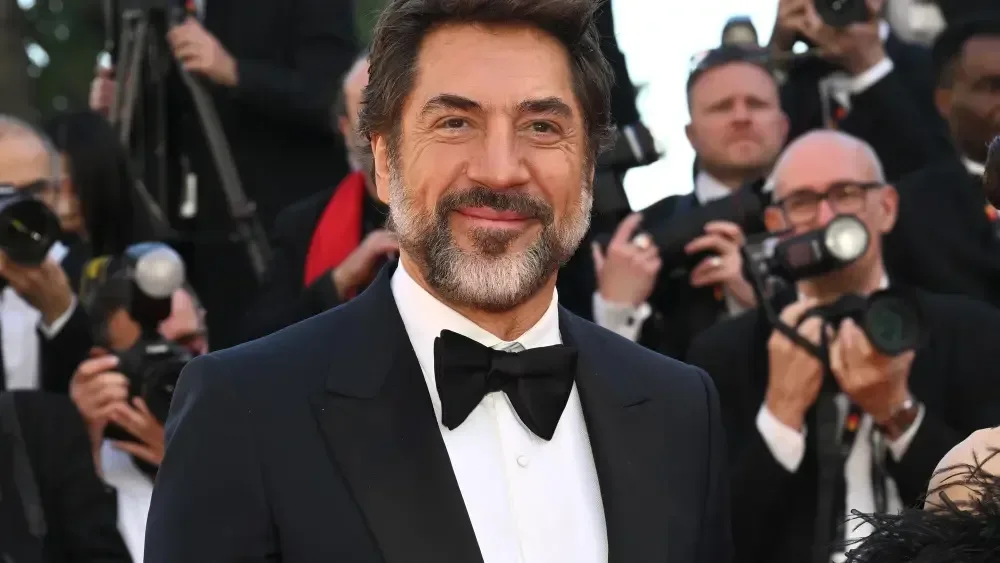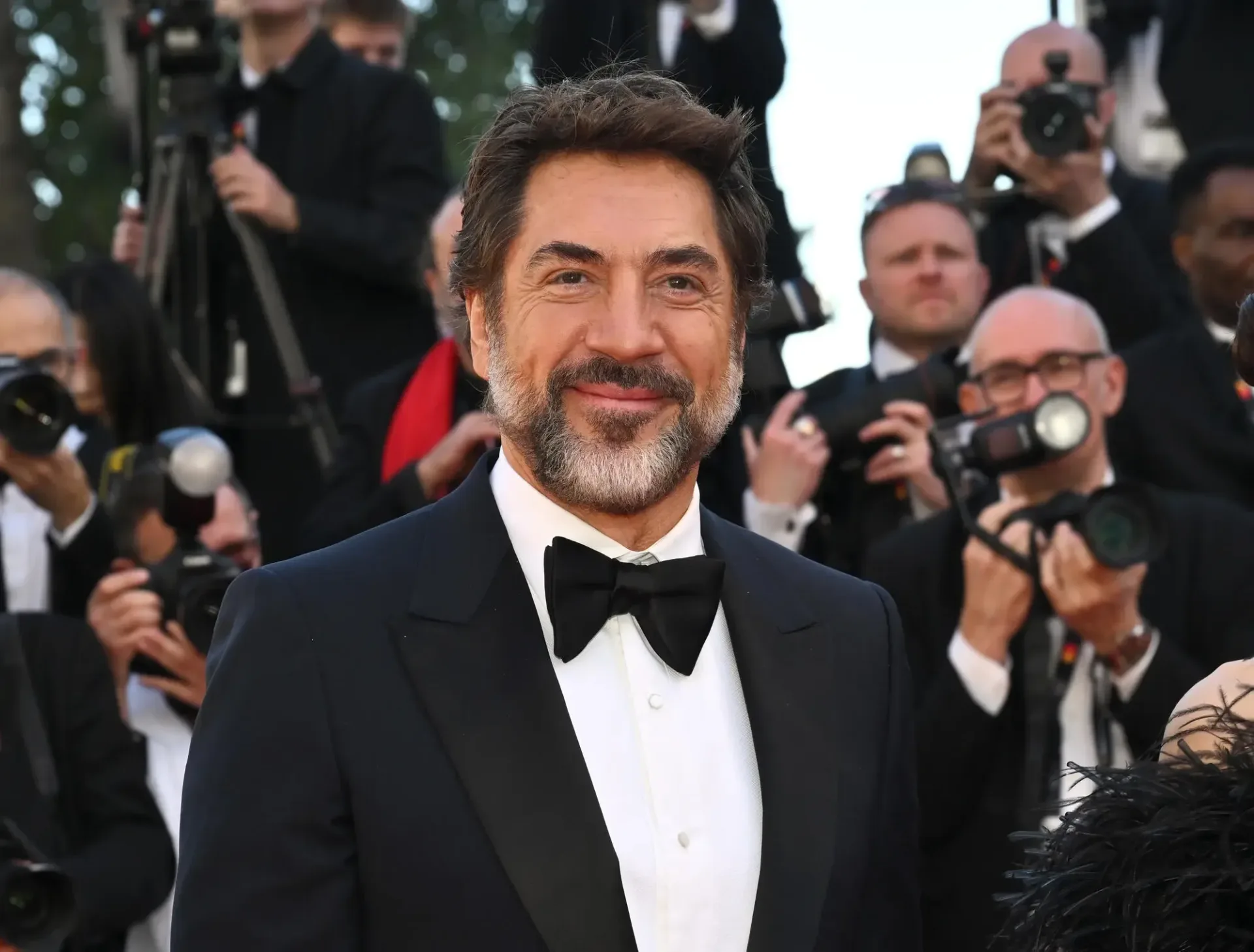
HBO has handed a straight-to-series order to The Spread, a drama built around Miami’s overlap of extreme wealth, hedge-fund influence, nightlife and competition. Javier Bardem will star as a billionaire seeking to draw ambitious, brilliant and dangerous people into his orbit, with the stated aim of moving the country’s economic center of gravity toward Miami.
Bardem is also an executive producer on the project. Bill Dubuque and Sean Sansiveri are writing and executive producing, while Matthew Vaughn will direct and executive produce. The show is a co-production between HBO and Fifth Season TV Studio. Brad Weston will executive produce for Makeready; Ian Stratford and Michael Bloom of Topic Studios are also executive producers.
The order puts a formidable group around a premise that is less interested in a single deal than in the ecosystem around money: the people who pursue it, the institutions that concentrate it, and the social spectacle that can grow beside it. It is a setting that invites boardroom calculation, personal loyalty tests and the precariousness hidden inside a very expensive party.
What HBO has actually ordered
“Straight-to-series” means the project has received a series order rather than merely an order to make a pilot episode for later evaluation. It is a meaningful point of confidence in the creative package, but it does not establish details that have not been announced. There is no release date, episode count, additional cast list, production timetable or platform-window detail included with the order.
That distinction is useful. A series order answers the basic question of whether the show is moving forward as a series. It does not answer when viewers will see it, how many episodes it will comprise, or how broadly its billionaire protagonist’s operation will be mapped. For now, the foundation is the premise and the people responsible for bringing it to the screen.
The executive-producer credits also point to multiple forms of involvement rather than a single creative job. In television, that credit can encompass development, production oversight, financing or high-level creative work; its exact day-to-day meaning varies from project to project. Here, Bardem, Dubuque, Sansiveri, Vaughn, Weston, Stratford and Bloom are all named as executive producers, with Dubuque and Sansiveri specifically identified as the writers and Vaughn specifically identified as director.
Miami is the engine, not just the backdrop
The Spread describes Miami as “Wall Street South,” framing the city as a place where industry power, elite hedge funds, enormous fortunes, ruthless competition, sex and nightlife collide. The phrase is important because it gives the show’s location a dramatic function. Miami is not presented simply as scenic local color; it is the arena in which financial leverage and status become visible, volatile and potentially inseparable.
A hedge fund, in broad terms, is an investment fund that pools capital and pursues investment strategies on behalf of its investors. The announced premise does not describe which strategies will appear in the series, or claim that it is a technical finance drama. Instead, hedge funds help establish the stakes: characters will be operating near the markets that power America, and the protagonist intends to assemble talent and ambition around that influence.
That makes “power” the operative word. Bardem’s unnamed visionary billionaire does not merely want wealth or a successful company. His stated pursuit is to shift economic gravity toward Miami and determine “how long the party lasts.” The language suggests a character who sees institutions, markets and people as components of a larger project. Whether that project is portrayed as visionary, destructive or both is a question the series itself will need to answer.
The premise also makes room for a more human level of conflict. A figure who “collects” the brilliant, hungry and dangerous is building a circle as much as an enterprise. Such a description implies recruitment, competition for proximity and tension among people whose goals may align only temporarily. It is a powerful setup for a drama because the central figure’s plan is intrinsically dependent on individuals he may not be able to control.
Why Bardem is a notable fit
Bardem’s casting gives the show an actor with a substantial film career and recent major television work. His film roles include the Oscar-winning performance in No Country for Old Men, along with performances in the Dune films, Being the Ricardos, Biutiful and Before Night Falls. He recently played Max Cady in the Apple TV adaptation of Cape Fear and José Menendez in Netflix’s Monsters: The Lyle and Erik Menendez Story.
Those credits do not tell audiences what his new character will be like, and the announcement does not offer a character name or further biography. They do, however, make clear that this is another significant series role from an actor usually associated with prominent film performances. His dual star-and-executive-producer role further ties him to the project beyond the lead performance.
The show’s billionaire is described in unusually expansive terms: a visionary who is also an organizer of appetite, risk and talent. That is different from a premise centered solely on a corporate executive or financial technician. The role appears designed to sit at the junction of personal magnetism and systemic power—the person who can make a private ambition affect an entire city’s public identity.
The creative team behind the series
Dubuque arrives with extensive crime-drama credentials. He co-created Ozark, which received three Emmy nominations for outstanding drama series, and most recently created the South Florida-set Peacock crime drama M.I.A. He also executive produced the Fifth Season-produced Netflix limited series His & Hers. His screenwriting work includes The Accountant, its sequel and The Judge.
Miami and South Florida are therefore not entirely new dramatic ground for Dubuque, though no connection between The Spread and M.I.A. has been announced. What is clear is that the new series again places a story in the region, this time focusing its logline on high finance, wealth and institutional influence rather than supplying a detailed crime premise.
For Sansiveri, The Spread will be a first credited television writing role. A first credit does not mean an untested production around him: he is paired with Dubuque as writer and executive producer, within a team that also includes Bardem and Vaughn. It does make Sansiveri a particularly notable new creative name to watch as further details emerge.
Vaughn’s stated responsibilities are equally direct: he will direct and executive produce. A named director on a newly ordered series offers an early indication of who will shape its on-screen presentation, although the announcement does not identify the number of episodes he will direct or describe the visual approach. The project’s participants have characterized the intended world as vivid, glamorous and energetic, consistent with its Miami setting and large-scale social ambitions.
What the announcement suggests—and what remains open
The safe read is that HBO is backing a character-driven power drama with a financial-world framework, rather than announcing a narrowly procedural show about investment mechanics. The logline foregrounds markets, but it spends just as much energy on wealth, nightlife, sex, rivalry and the people drawn to a billionaire’s vision. That balance could give the series latitude to explore public glamour and private bargaining as parallel forms of power.
It would be premature to assume particular plot twists, real-world inspirations, story length or a moral verdict on its central billionaire. None of those elements has been provided. Likewise, “Wall Street South” establishes the show’s thematic shorthand, not a confirmed promise of how much financial terminology or market process will appear on screen.
Still, the stated goal of shifting America’s economic gravity creates a very large dramatic target. It makes the character’s project bigger than simply winning a trade or growing a company. Success would mean changing where influence accumulates; failure could mean exposing the cost of trying to manufacture that kind of influence. The Miami setting gives that goal an especially public stage, where prestige, money and fun are all described as operating at industrial scale.
For HBO, The Spread joins an evolving slate of high-profile scripted work. The network’s broader television ambitions are also visible in projects such as its distinct musical approach for the upcoming Harry Potter adaptation, though the two productions have no announced creative connection.
For The Spread, the immediate takeaway is simpler: Bardem, Dubuque, Sansiveri and Vaughn have a series order, a Miami-centered premise and a protagonist aiming to turn personal vision into economic power. The remaining particulars—supporting players, exact scope and the date the party begins—are still to come.