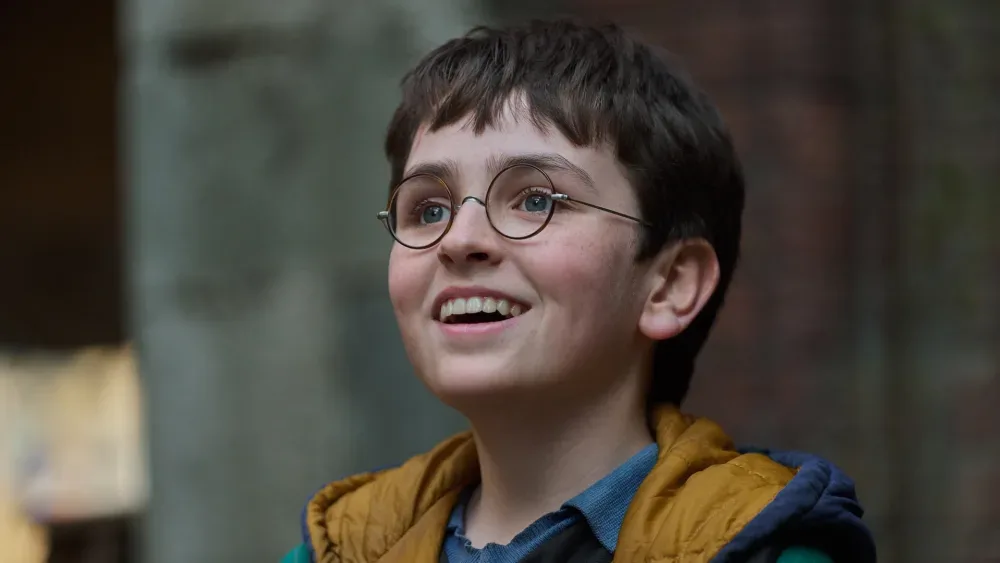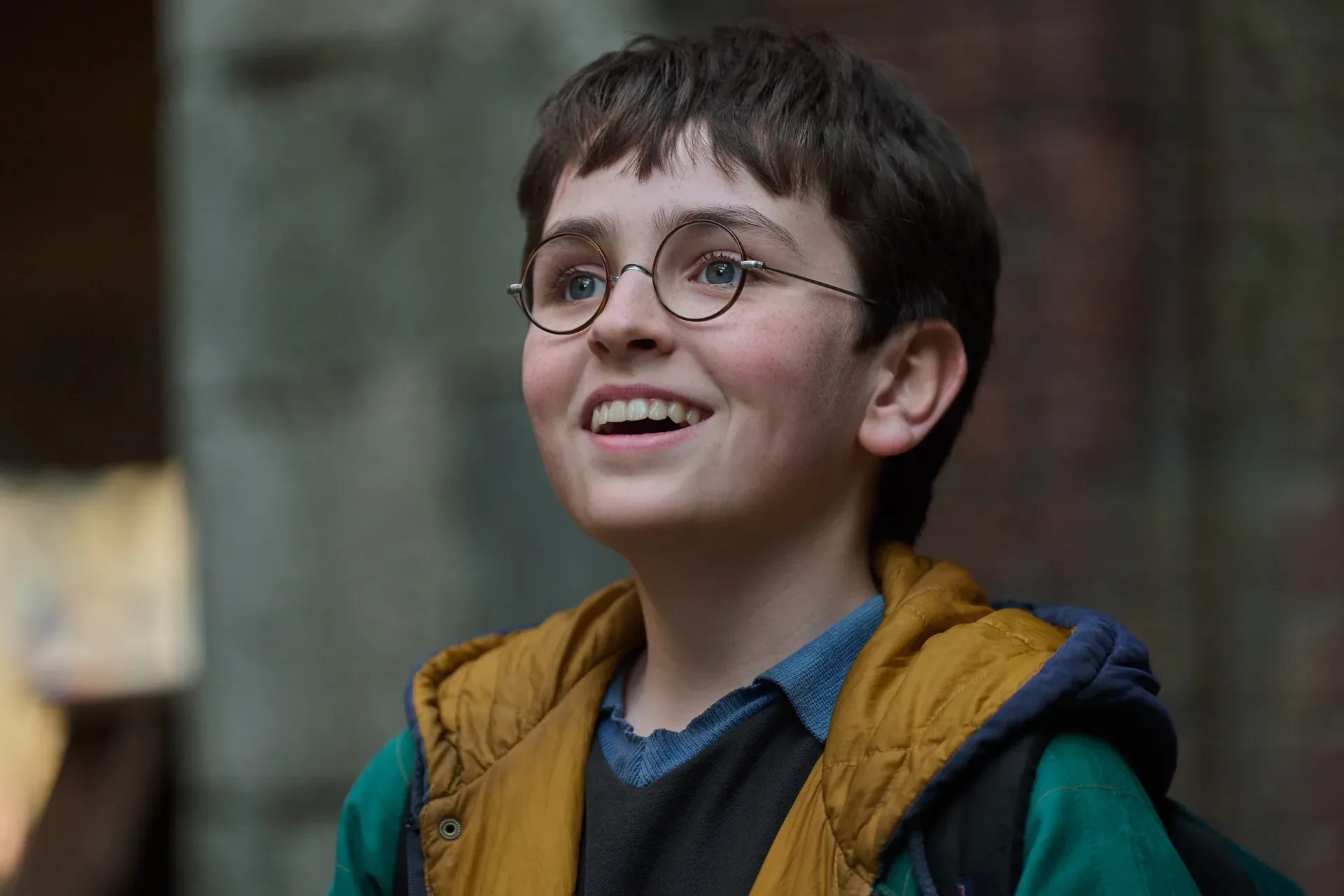
HBO’s upcoming Harry Potter series may visually invite comparisons to the original films in its trailers, but its musical identity is being positioned as a clean break. Hans Zimmer has said he intends to make the new music original rather than attempt to recreate the sound associated with John Williams’ work on the first three films.
That distinction is significant because music is not simply background decoration in a long-running screen franchise. A score helps establish mood, signals character or place, connects separate scenes, and can become one of the audience’s quickest routes back into a fictional world. For many viewers, the first few notes of “Hedwig’s Theme” immediately evoke Harry Potter, even apart from a particular scene or installment.
Zimmer’s comments indicate that the HBO series is approaching that legacy as something to respect without copying. The result will not necessarily erase familiar associations audiences have with the films, but it sets a clear expectation: the new show’s score is intended to stand on its own.
Why John Williams’ shadow is such a large one
Williams composed the scores for the first three Harry Potter films, released from 2001 through 2004. “Hedwig’s Theme” became the musical motif most closely linked with the wider property and continued to appear across all seven films. It is widely regarded as one of cinema’s most recognizable pieces of film music.
A motif is a short, recurring musical idea associated with a character, setting, object, emotion, or story concept. When it returns in a new context, it can carry memory with it: the audience hears the phrase and instinctively understands a connection before dialogue explains one. That makes an established motif useful, but also potentially limiting for a reboot. Reusing it heavily can make a new production feel tethered to the earlier version; avoiding it asks the new score to earn an emotional foothold of its own.
Zimmer was direct about his instinct when following Williams’ work. He said he could not write like Williams and that, even if he could, he would make a point of moving as far away from imitation as possible in favor of originality.
That is not a claim that the earlier music needs replacing. It is an acknowledgement that copying an iconic musical language is rarely a satisfying creative target. A score can be a tribute without being a duplicate, and a new adaptation has room to find different musical colors, pacing, and recurring ideas for the same fictional setting.
A familiar challenge from Superman
Harry Potter is not the first time Zimmer has been asked to create music for a property that Williams had already defined on screen. Zimmer previously scored Zack Snyder’s 2013 Man of Steel, following Williams’ scores for 1978’s Superman and its 1980 sequel.
Zimmer described the earlier assignment as intimidating. He recalled spending months worried that he could not meet the challenge because of Williams’ brilliance. The pressure changed when Snyder, with producer Christopher Nolan involved in the production, reminded him to view the task more simply: it was a movie to make, not an impossible monument to overcome.
“I can’t write like John Williams, but even if I could, I would try to stay away as far as possible and try to be original,” Zimmer said.
That perspective helps clarify what “different” can mean in practice, without promising details that have not been shared. Zimmer has not outlined specific instruments, themes, or scene-by-scene musical plans for HBO’s Harry Potter. But his stated creative principle is clear: a new installment should not exist merely to reproduce a predecessor’s sound.
It also suggests a useful way to interpret the new series. The project may revisit a world audiences know, yet a new score can shape the atmosphere of that world differently. Music affects whether a scene feels playful, ominous, grand, intimate, uneasy, or hopeful. A distinct score therefore has the capacity to make even recognizable material register with a separate dramatic rhythm.
What a new musical language could change for the series
There is an important difference between continuity and imitation. Continuity means a production remains recognizably connected to a larger fictional universe through its story, places, characters, and themes. Imitation means deliberately recreating the precise creative choices of an earlier adaptation. HBO’s series can seek the former without making the latter its central musical strategy.
For viewers, the practical implication is simple: they should not assume the new show will use Williams’ signature sound as its default emotional shorthand. The series will have to introduce its own themes and teach the audience what those themes mean over time. That is part of the long-form advantage of television. A recurring musical idea can develop alongside characters and plot across episodes, gaining different emotional weight when it appears in altered arrangements or more intense circumstances.
This does not mean a score must be loud or constantly present to be memorable. Film and television composition also depends on restraint. Silence, sparse accompaniment, and the timing of a theme’s return can be as important as a major orchestral statement. Zimmer’s comments do not establish the show’s eventual sonic palette, but they frame originality as the priority rather than direct sonic nostalgia.
The challenge is especially visible in an adaptation with an unusually durable musical association. “Hedwig’s Theme” is not merely a piece from one scene; it has come to function as an audio emblem for the franchise. For the new show, choosing a separate approach means accepting that some fans will immediately compare what they hear with what they already know. It also gives the series an opportunity to create a musical identity that belongs specifically to this version.
The reboot’s score and its wider creative identity
Trailers have already made comparisons with the original movies inevitable. Music is one of the clearest places where the HBO production can establish that it is not simply reenacting them. A different score can alter the emotional framing of familiar events, create distinctive anticipation around its own episode structure, and give its version of the wizarding world a separate tonal signature.
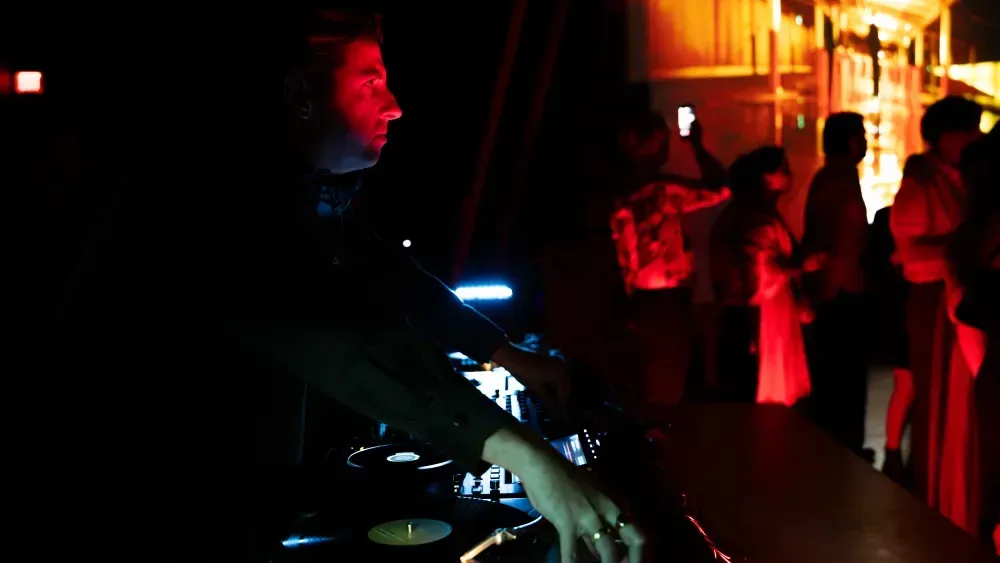
That role is not limited to fantasy television. Scores routinely influence how audiences understand a screen project’s scale and personality, whether they are built around an identifiable theme or a more textural approach. The creative possibilities of music outside conventional film scoring are also visible in projects such as Jamie xx’s live electronic score for Doug Aitken’s “Lightscape” installation, where sound is integral to the form of the work rather than an afterthought.
For Harry Potter, however, the central point is less about genre experimentation than authorship. Zimmer’s remarks describe a composer deciding that reverence for an earlier master should not turn into replication. Williams’ music remains inseparable from the film series’ history. HBO’s new music, by Zimmer’s account, is being built to serve a different screen interpretation.
When the series is expected
Season 1 of HBO’s Harry Potter reboot is set to debut near Christmas. The available trailers offer audiences a first look at the series, while Zimmer’s comments offer an early indication of what they should not expect from its soundtrack: a straightforward re-creation of the original films’ musical blueprint.
For an adaptation returning to a world so strongly associated with a beloved theme, that is both a bold creative choice and a sensible one. The familiar music has its own legacy. The new series now has the task of making room for another.